





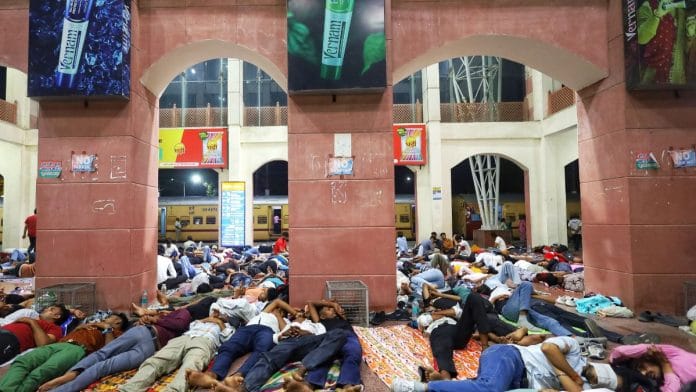

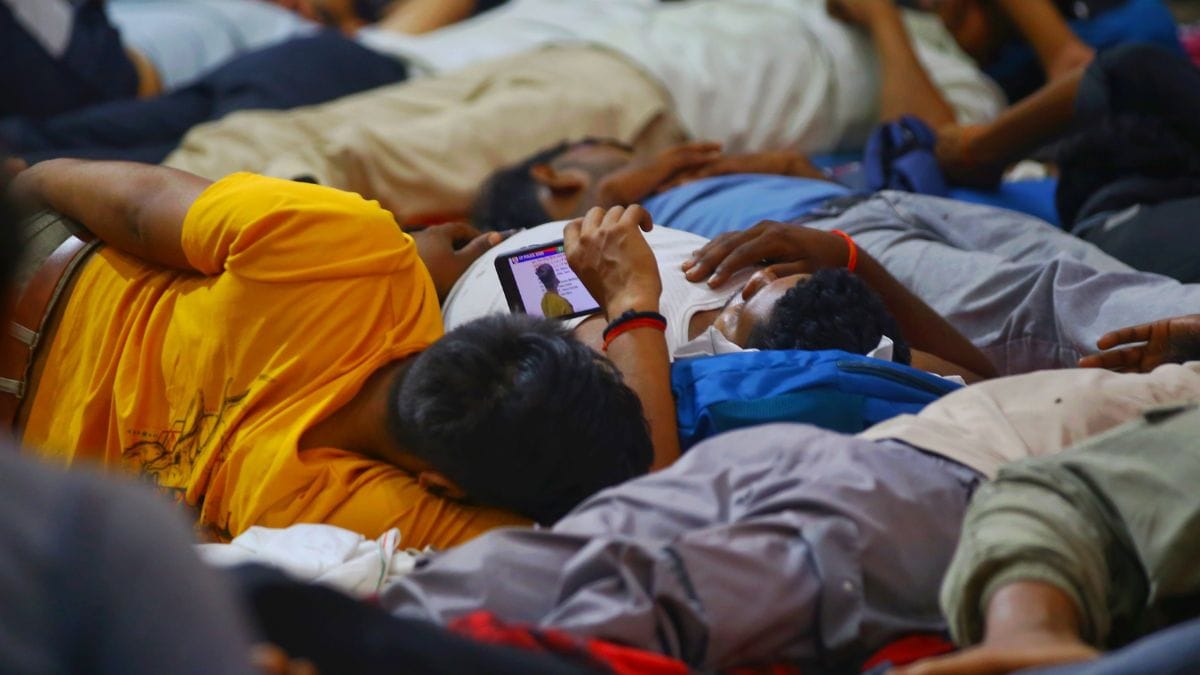
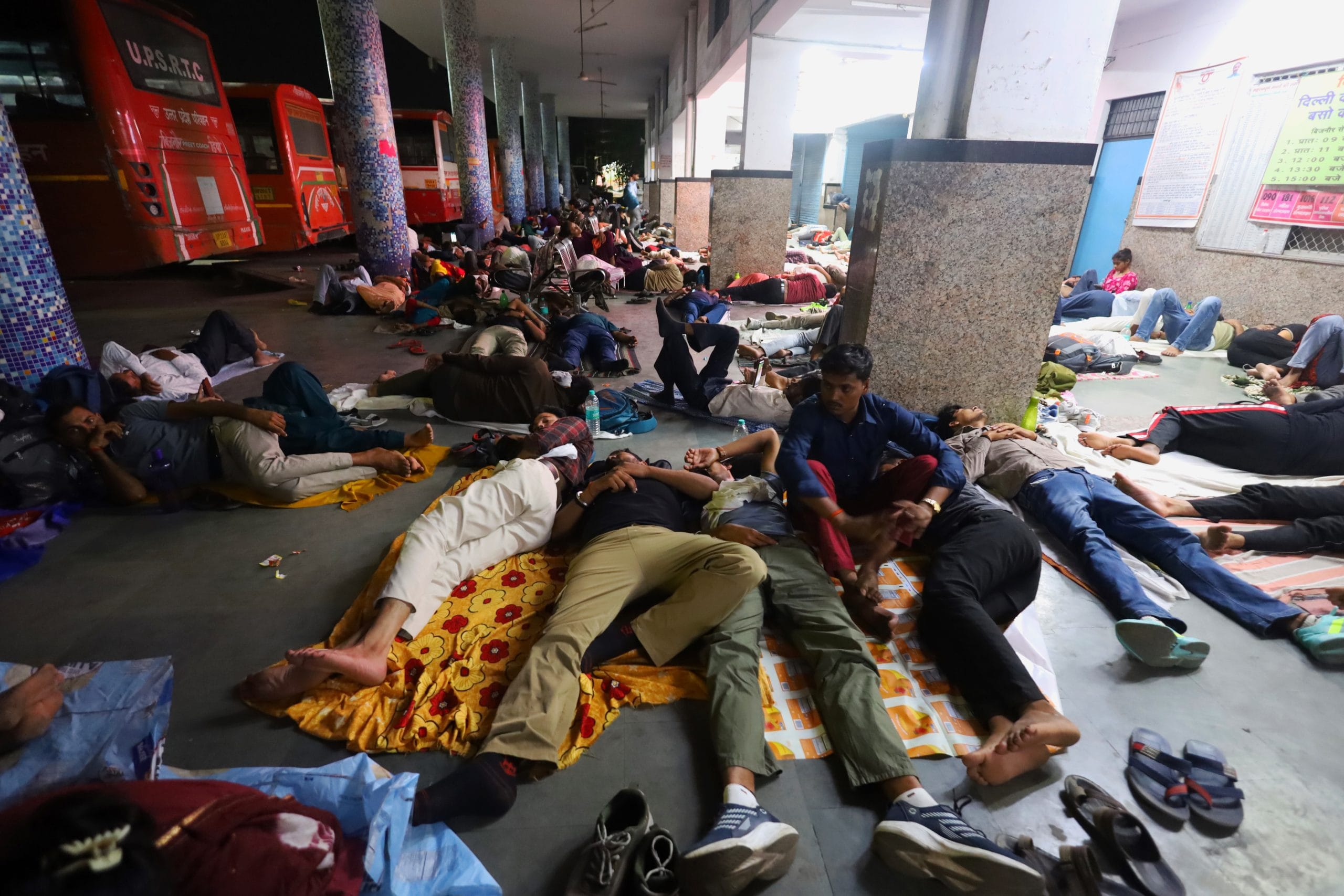
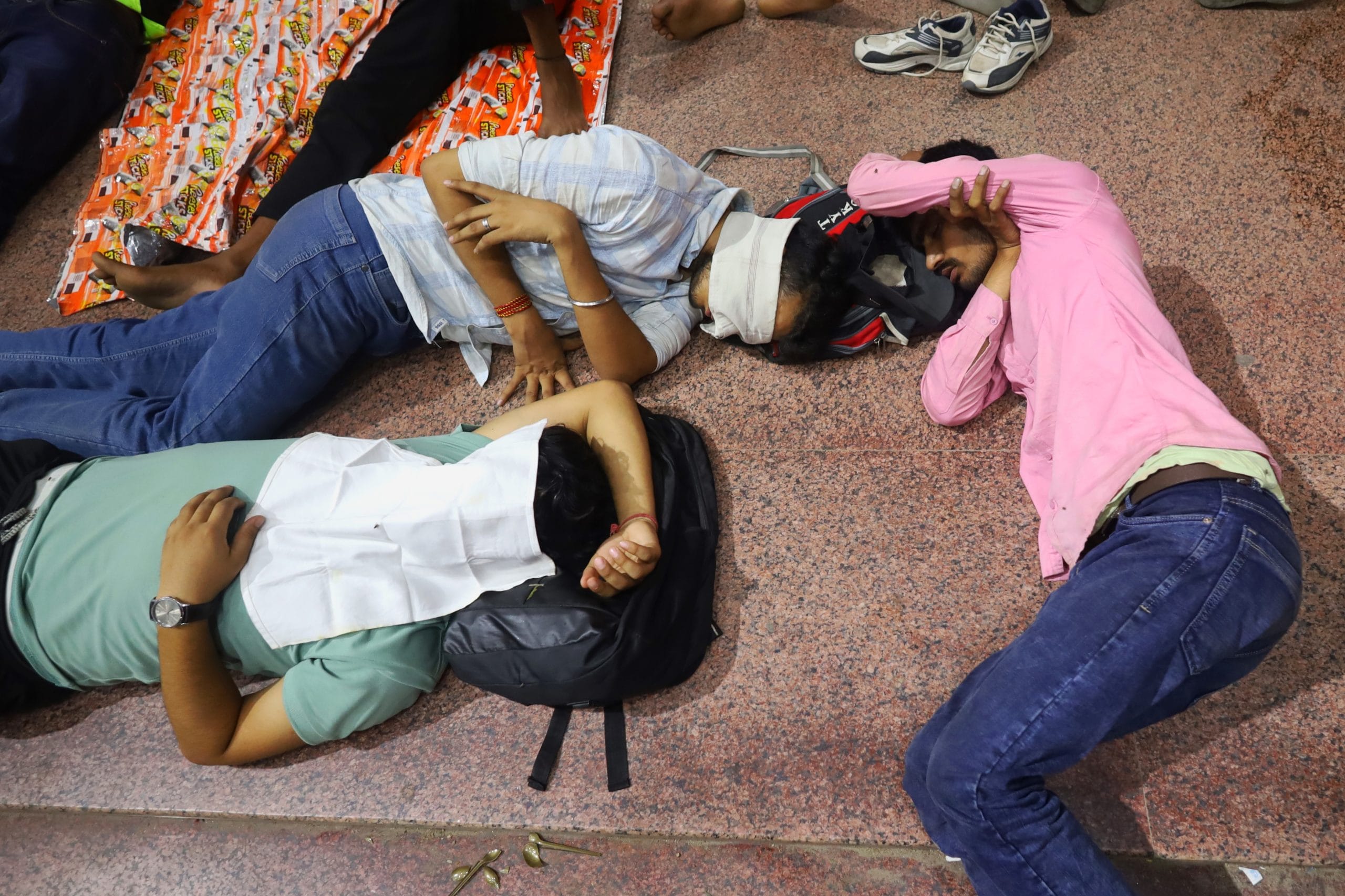
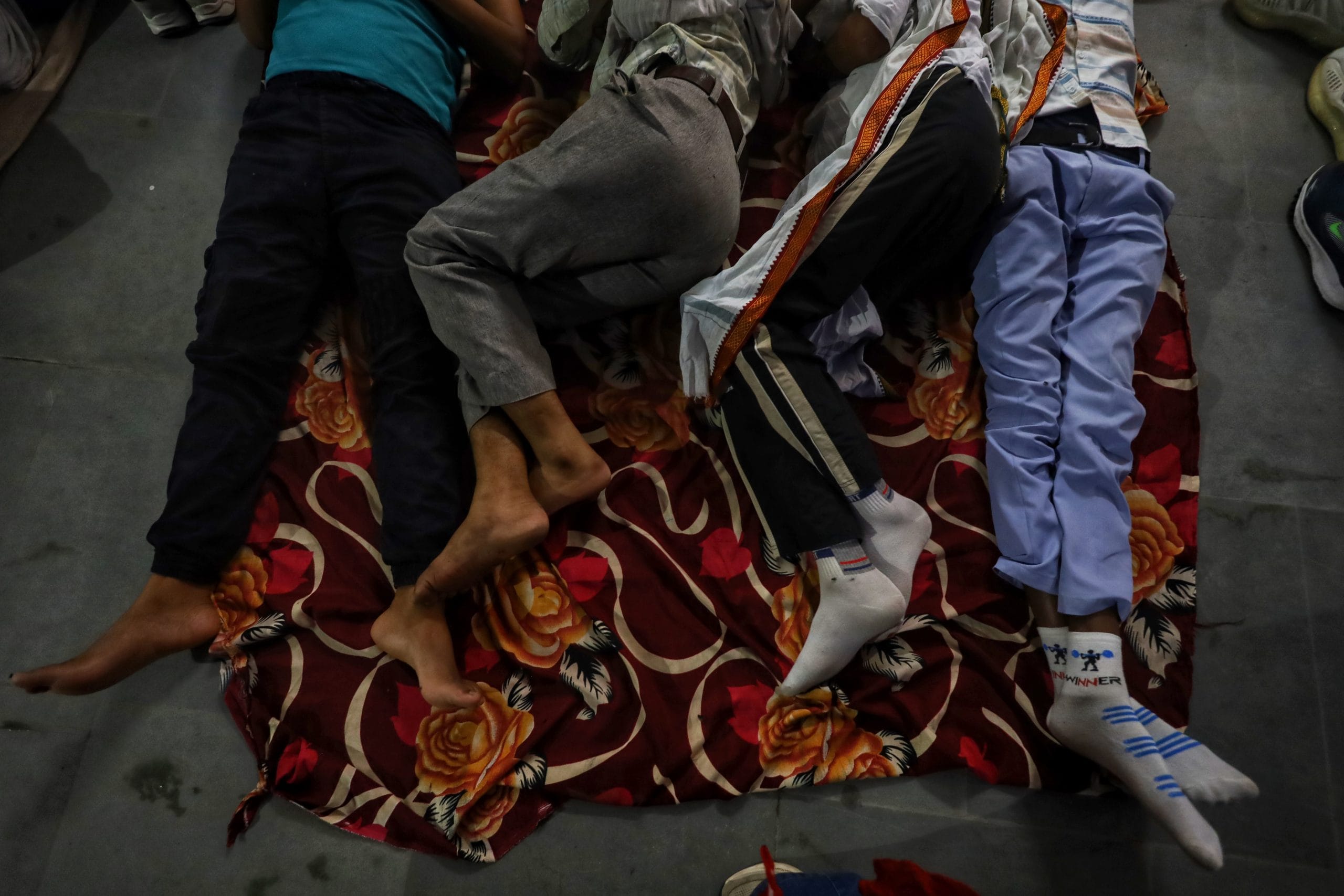
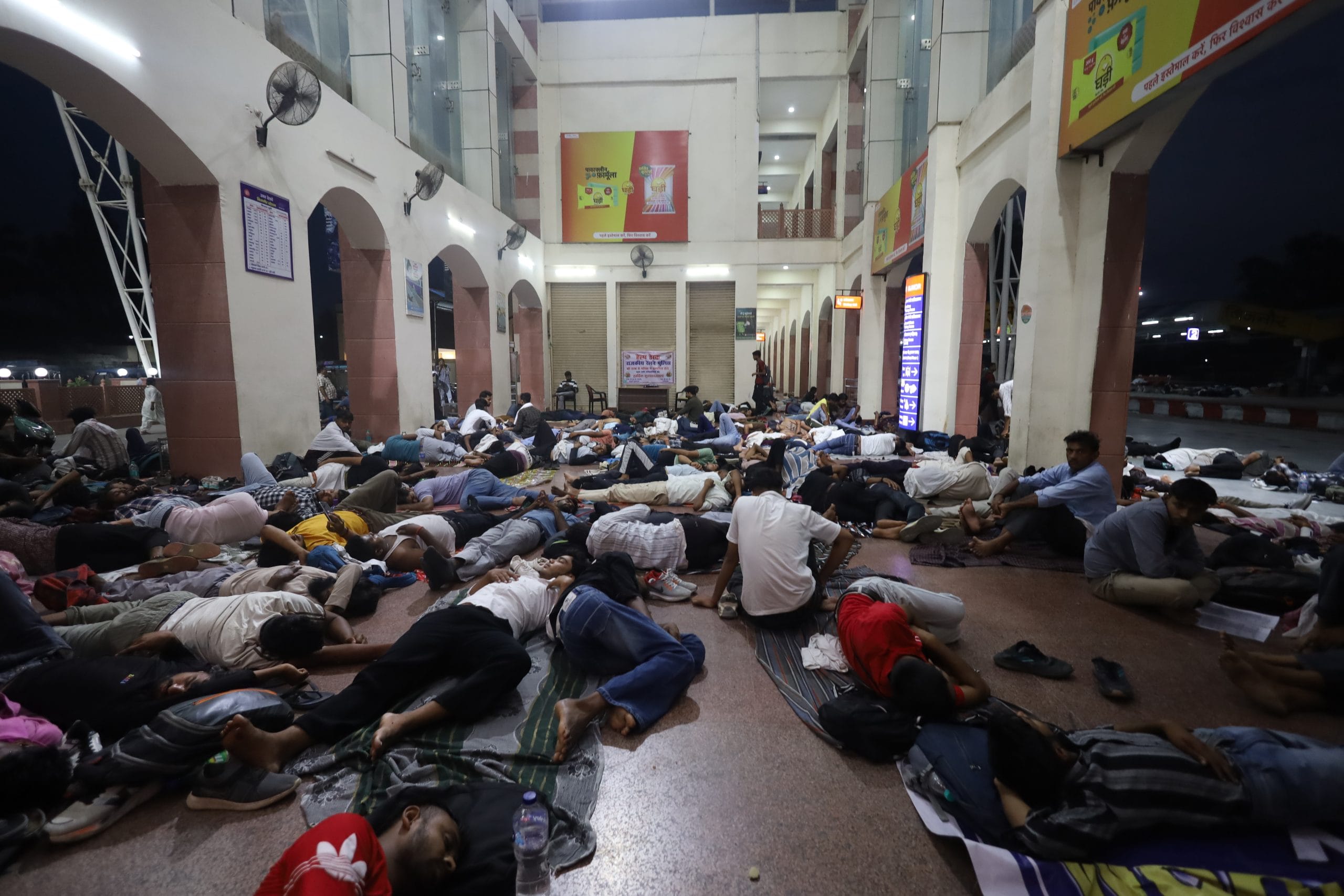
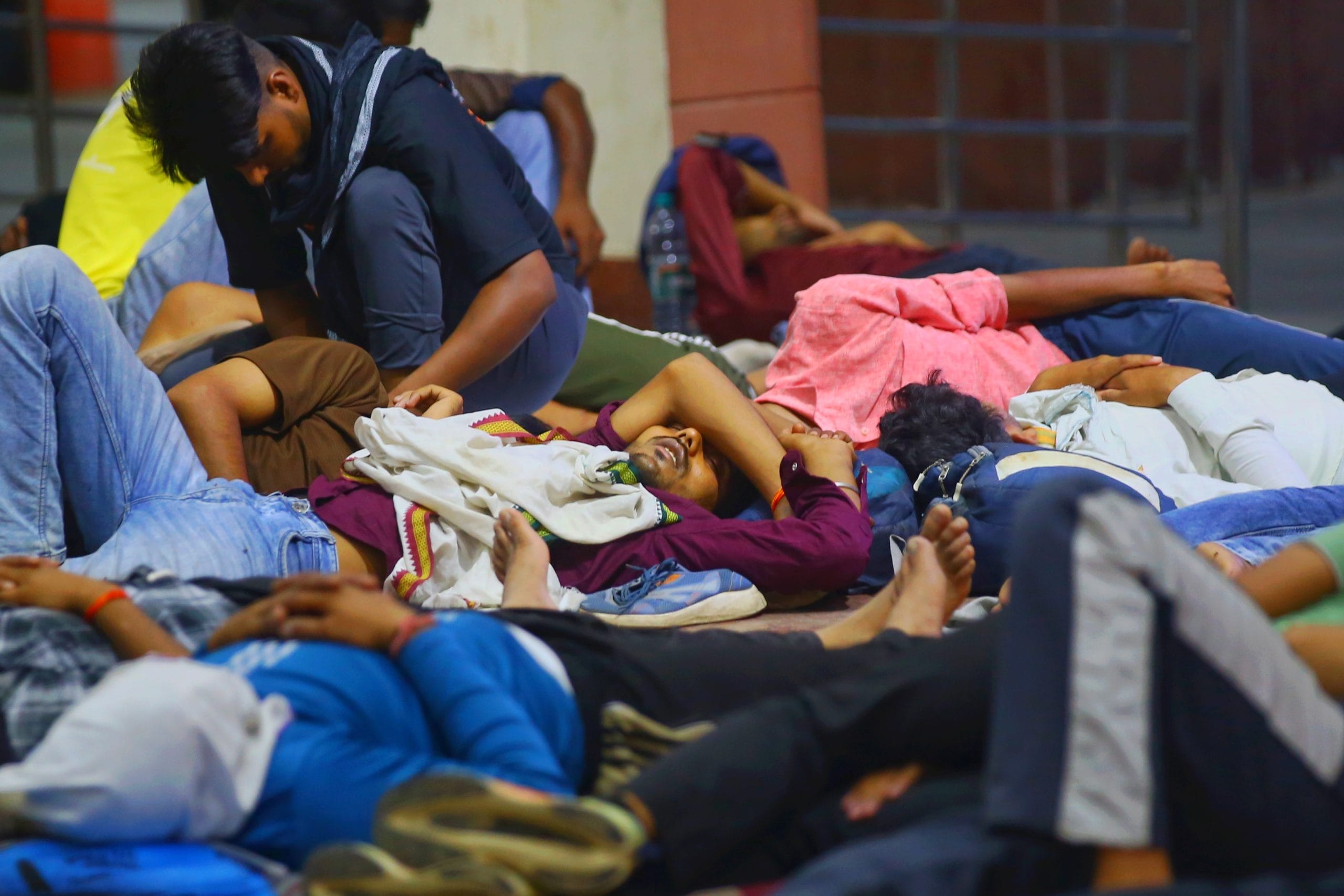
Bijnor, Meerut: At around 12:30 am, the last bus to leave Meerut pulled into Bijnor station. Bimal and Abhishek’s first priority was to find a free usable washroom and then a place to sleep. They’re among the thousands of job aspirants who arrived from different parts of Uttar Pradesh and beyond to take the coveted and extremely competitive police constable exam. After freshening up, they settled into a corner of the bus station, spreading out a gamcha and a white cloth they had brought to sleep on.
“The government should have arranged a special train, more frequent buses, or at least a place for us to stay,” said Abhishek, who has appeared for more than ten competitive examinations, including the Staff Selection Commission (SSC) exams, UP SI and Constable exams.
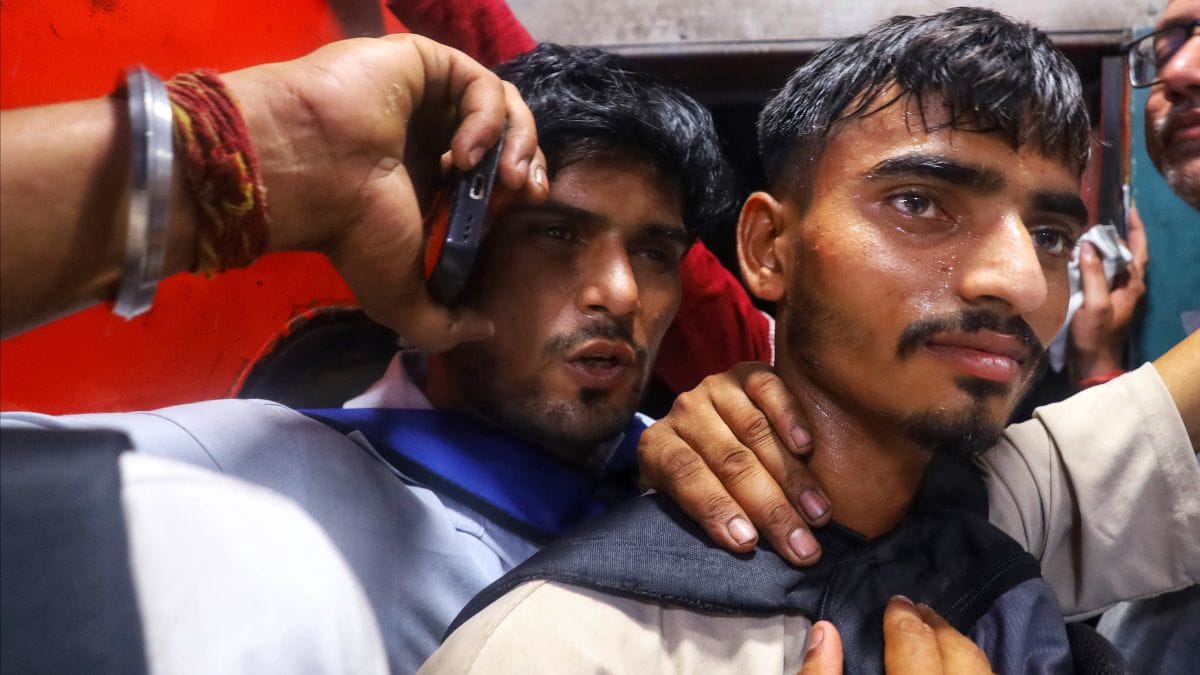
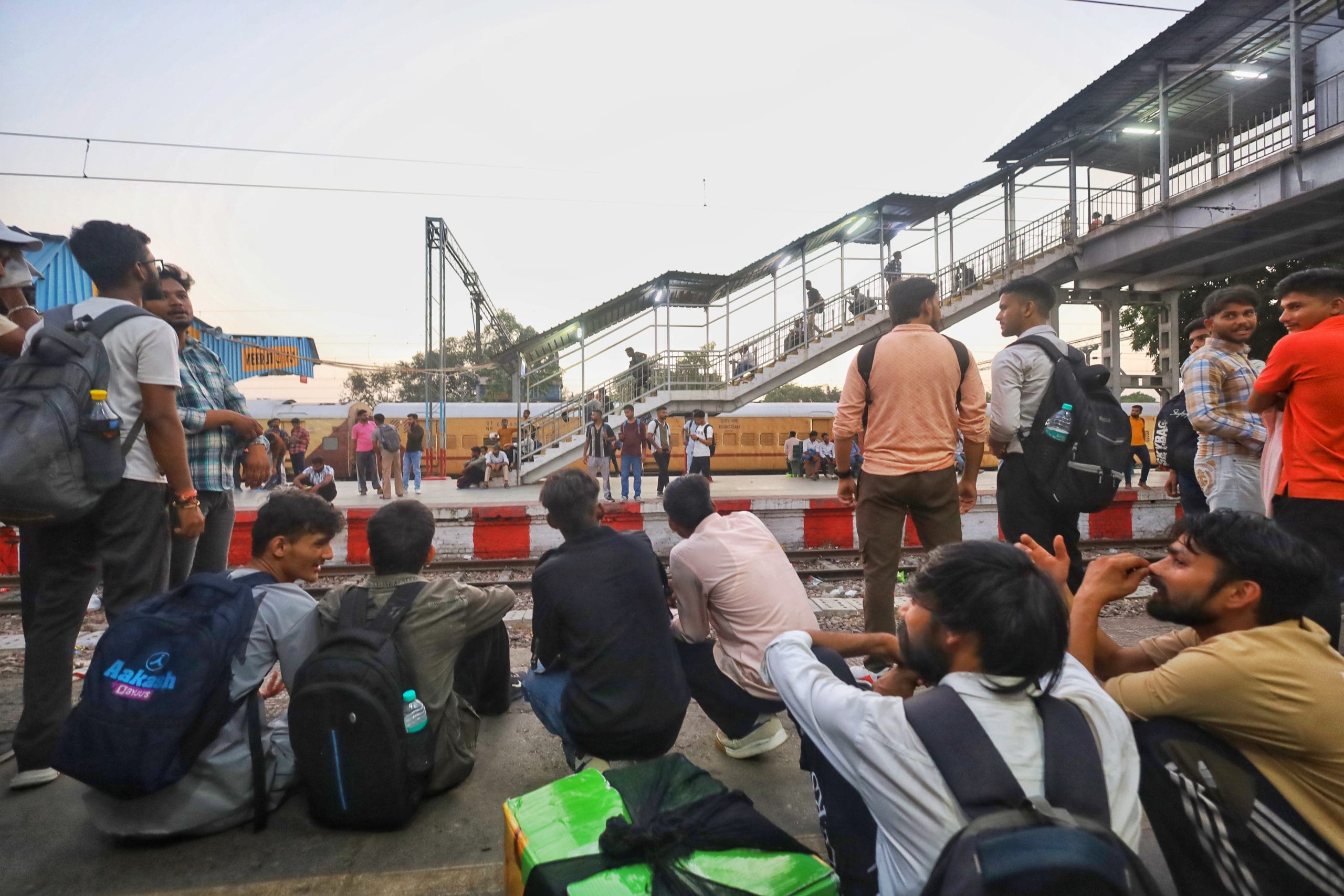
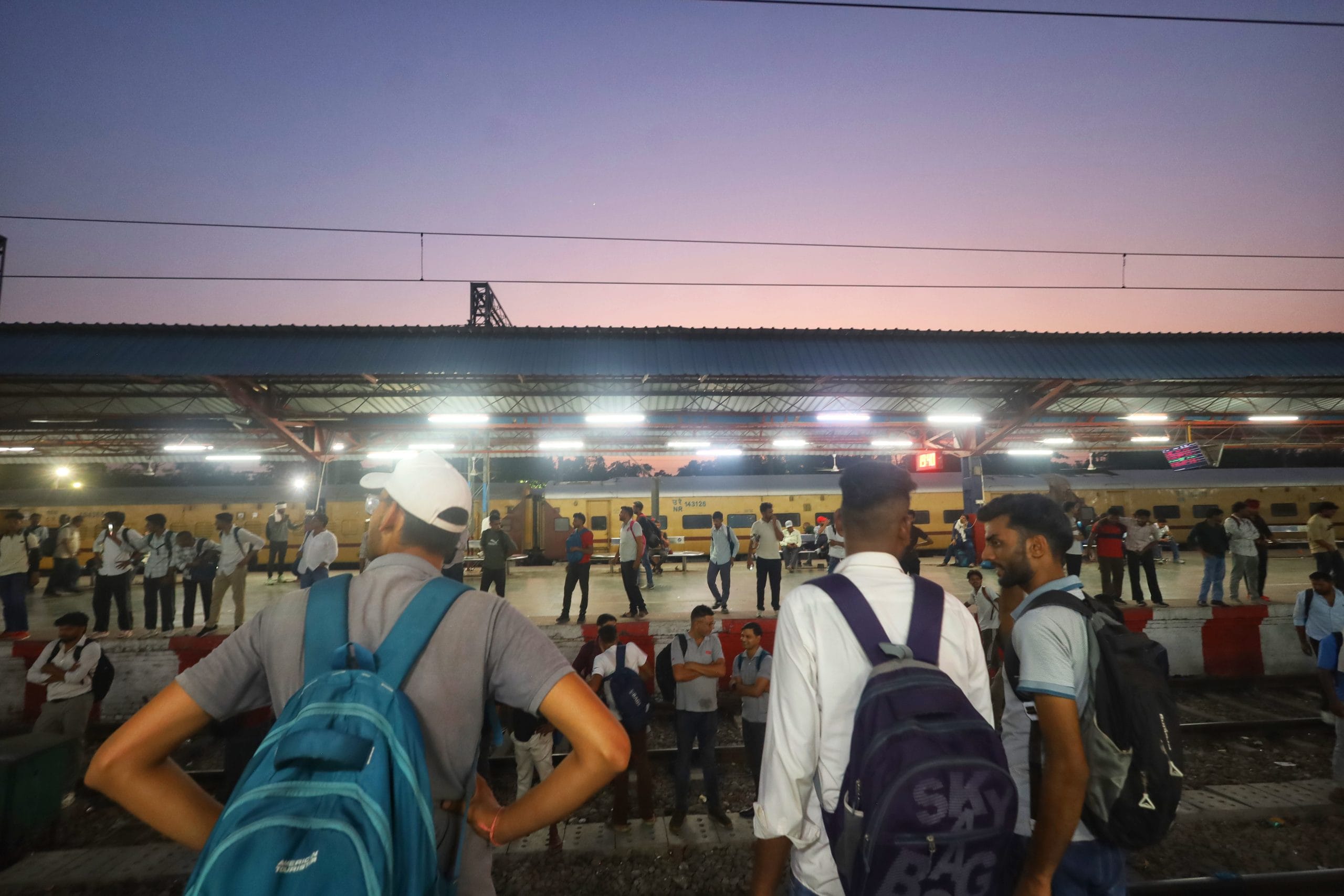
Even if they complain about the system, Bimal and Abhishek travel for every exam; the struggles are the same—long distances, discomfort and even longer waits. The scenes of packed railway stations with desperate exam aspirants from Neeraj Ghaywan’s Homebound is no exaggeration. The rush to board the train sometimes comes even at the cost of safety. They travel in public buses and trains packed like sardines. Jobs in India are scarce, aspirants are countless.
This year more than 32,000 constable seats opened up in UP’s police force, and a total of 28,86,797 candidates have registered for the exam. The exams were conducted over three days—8, 9, and 10 June—in two shifts everyday. On the first day, more than seven lakh candidates appeared for the exam. This exam was last held in 2023-2024. Then, the government had opened more than 60 thousand seats and there were more than 48 lakh applicants.
In a system where exam paper leaks and exam cancellations are growing, the frantic race for each job opening becomes no less than an Olympic sport. After years of study and preparation, the journey to reach the exam centre is the final frontier. The all-consuming quest for that all-important government job is visible on each of their faces.
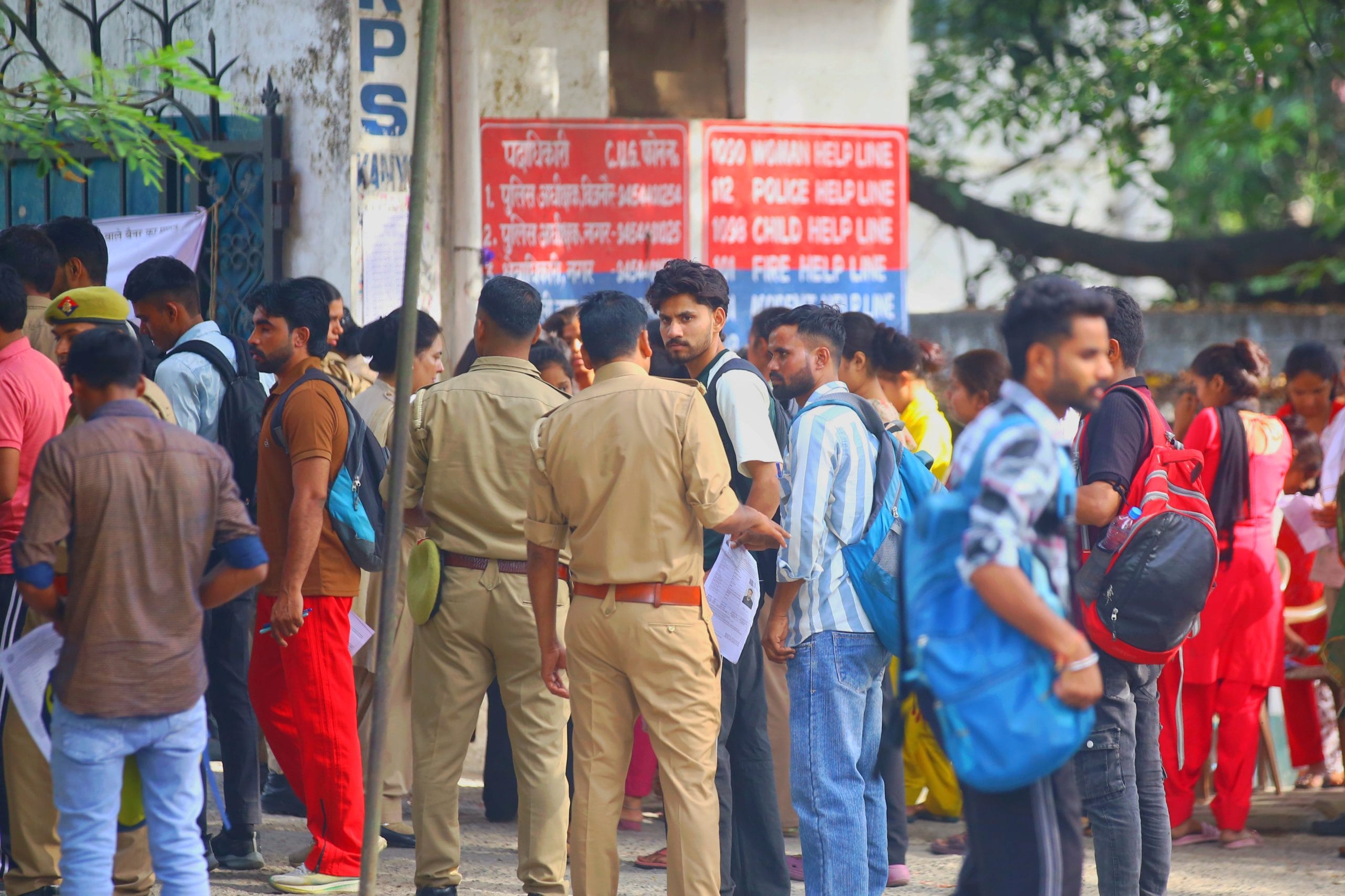
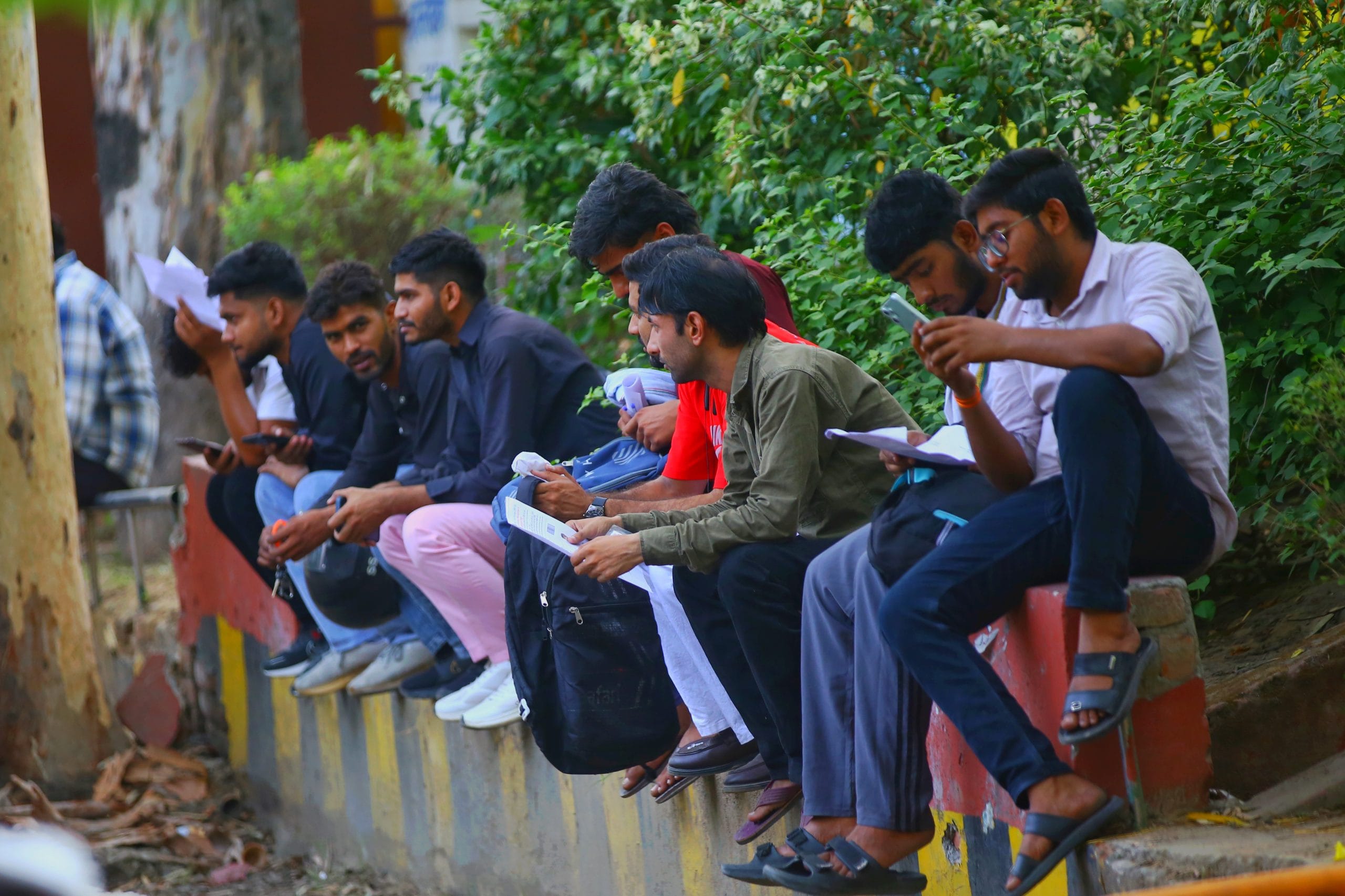
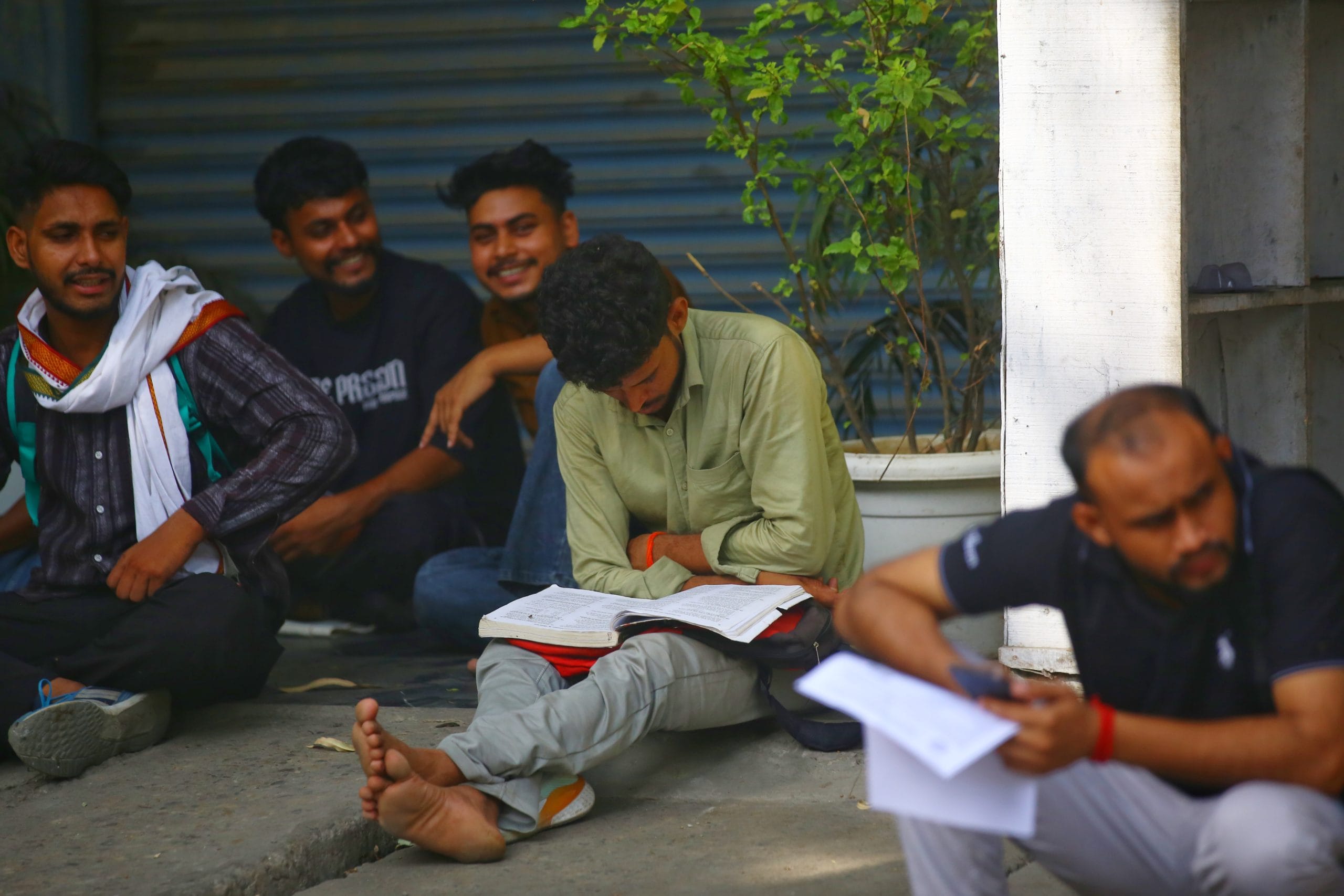
“Young people are risking accidents and enduring these journeys just to chase their dreams and secure a job. Many of us have been preparing for three or four years. Exams get leaked, recruitments are delayed, and accountability has disappeared. Whichever government is in power, employment remains the biggest issue for students,” said Sagar, 25, who has cleared the written exam for Home Guard in Railways.
Bimal and Abhishek had their exams on the last day.
Also read: Resignations won’t solve exam cheating & leaks. Yogi govt figured it out years ago
Ghosts with bags
At the Bijnor bus station, the eerie silence of the night is only broken by the arrival of a bus every two hours. Bimal and Abhishek are settled for the night, but the stream of aspirants still continues.
Outside the bus station, youth from Bijnor and nearby villages are trickling in. In the distance, men are walking around like ghosts with school bags—frustrated and clueless.
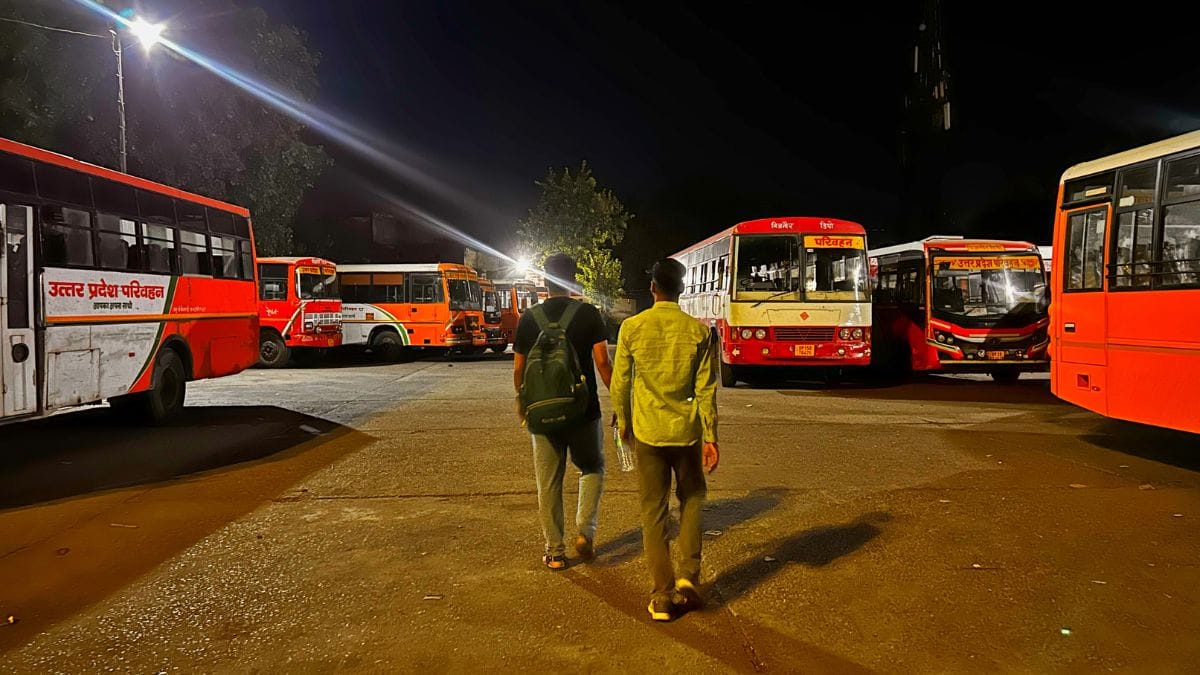
“We cannot take trains because of the crowds and there is no direct service,” said Rakesh, a 23-year-old aspirant, who was looking for the next bus heading to Meerut. He left from his home in Bijnor at 12 am on the last bus.
Rakesh and his group of friends have to get to Bulandshahr, around 150 km away. To get there, they first have to take a bus to Meerut, the nearest big city, and then change buses.
“They’ve allocated a centre that’s so far away, the least they could do is provide a bus service,” one said. Others joined in, abusing the administration for lack of facilities. The conversation quickly shifts to politics, the Cockroach Janta Party, and the search for alternatives—a discussion that repeats itself in trains, buses, and shared vehicles carrying aspirants across the state.
Bimal and Abhishek are from the same village–Kasganj. They grew up together and are now travelling together to fulfill their dream of a government job. They’re the first generation of college graduates in their families.
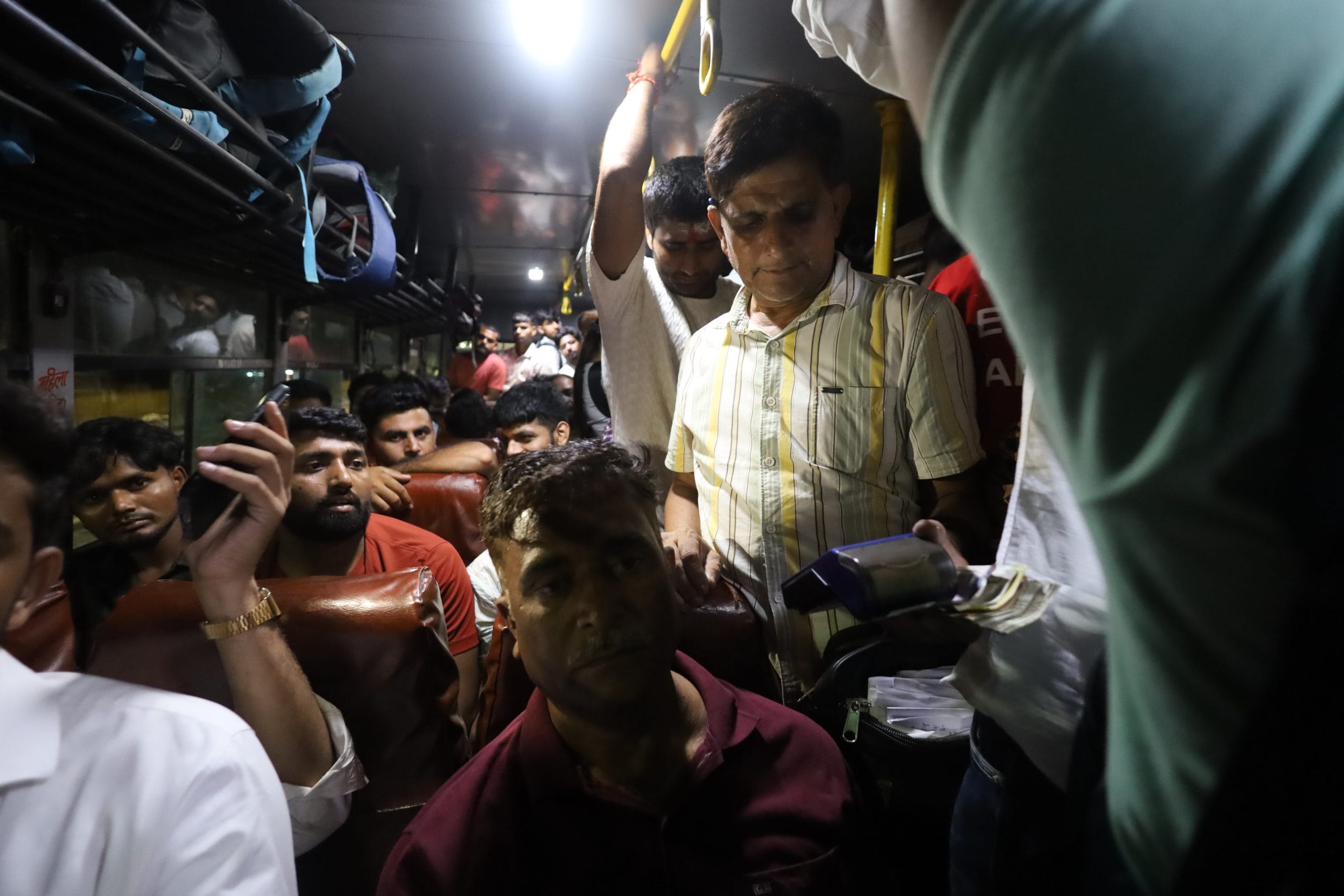
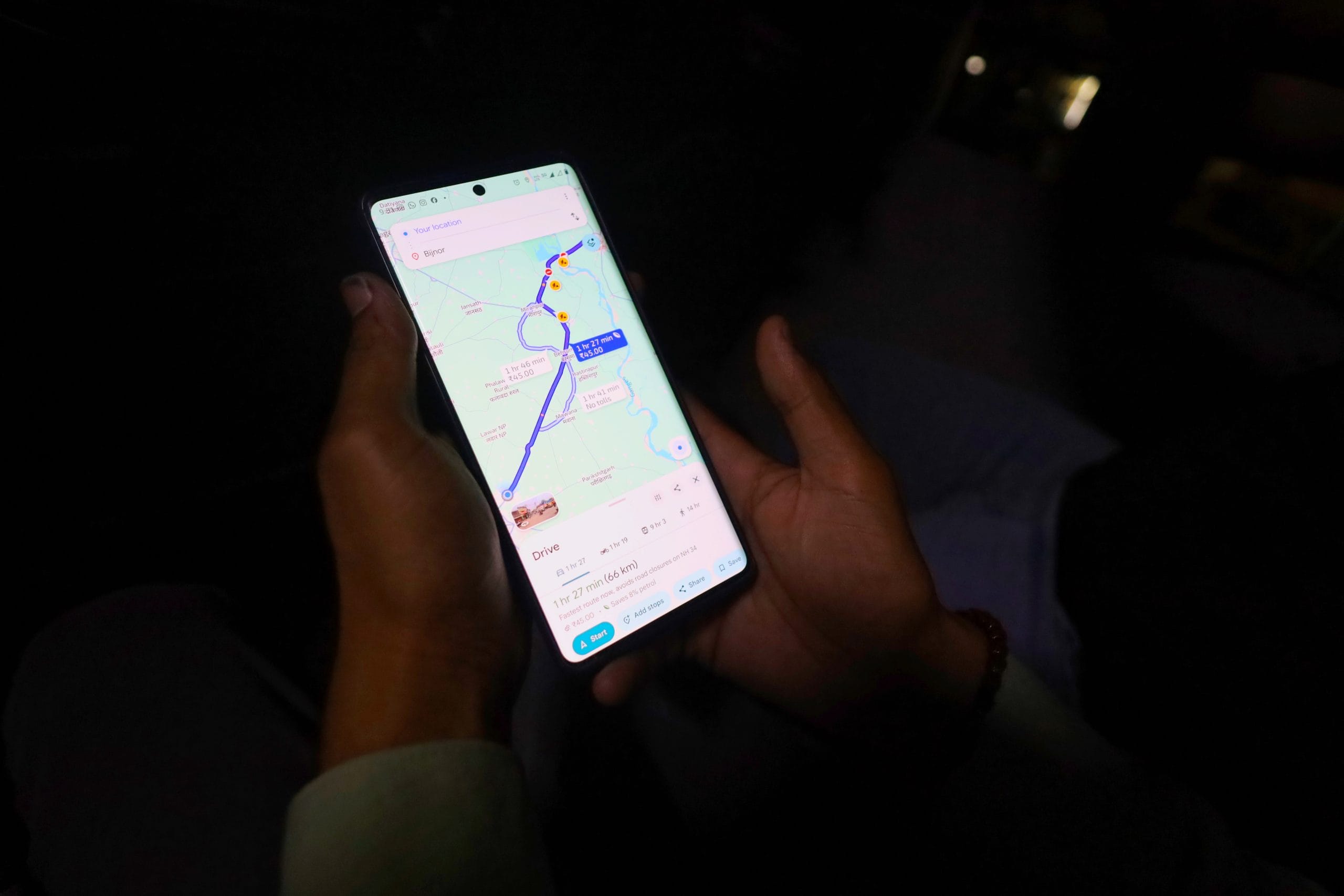
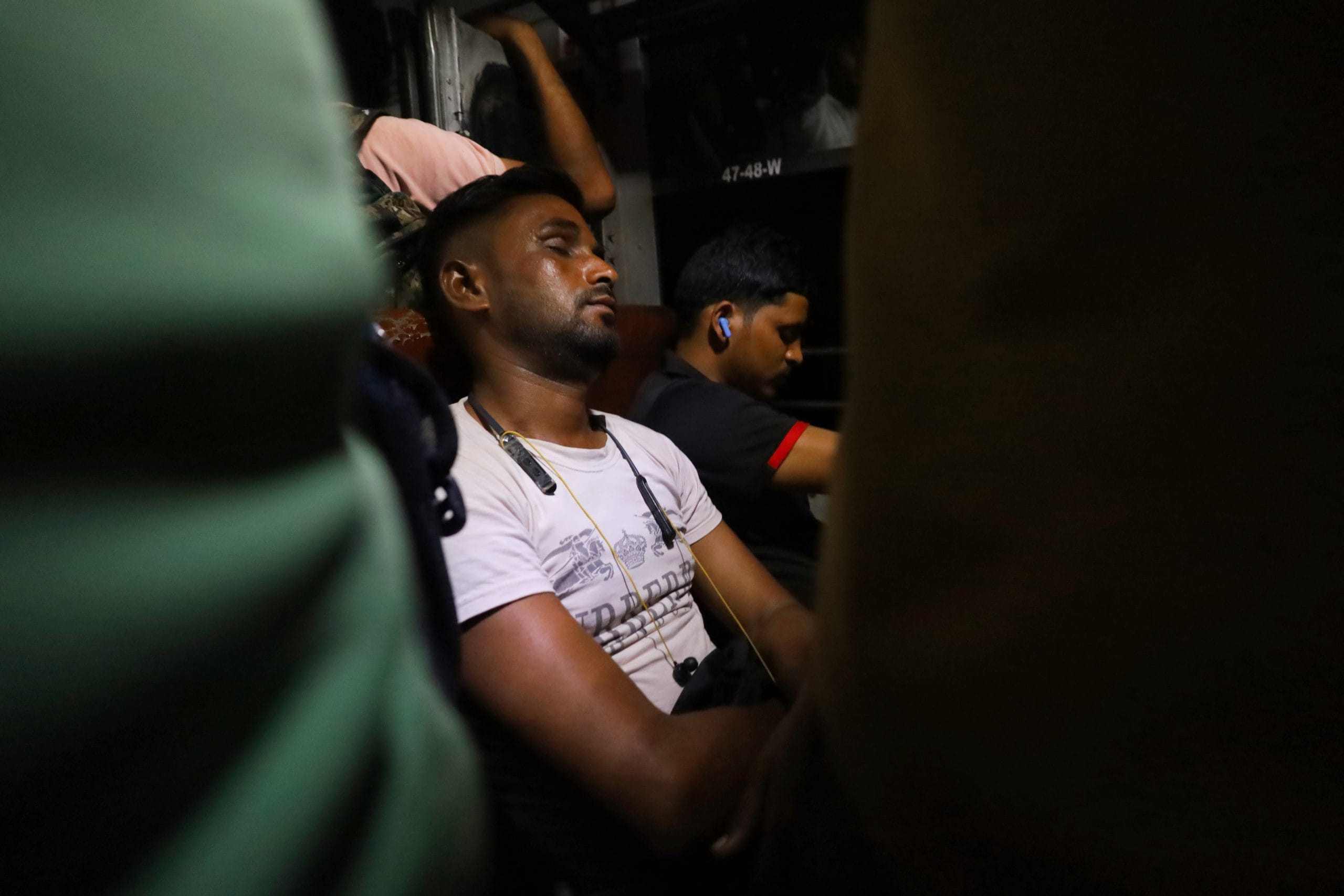
Bimal shifted to Mukherjee Nagar in Delhi around three years ago to prepare for competitive exams, while Abhishek stayed back in the village. But the distance didn’t affect their friendship. Bimal left at 7 pm from Kashmere Gate in Delhi. Around the same time, Abhishek left Kasganj. After journeying through Hapur, then Mathura, they met in Meerut. They boarded the bus from Meerut to Bijnor together.
“I live in a small village, there is no direct transport,” said Abhishek.
At 23, Abhishek is taking the UP Police Constable exam for the second time. Three years of rigorous preparation have not translated into success yet. Like many aspirants, he now appears for multiple recruitment tests—from teaching posts to police services—hoping that one of them will finally open the door to a government job.
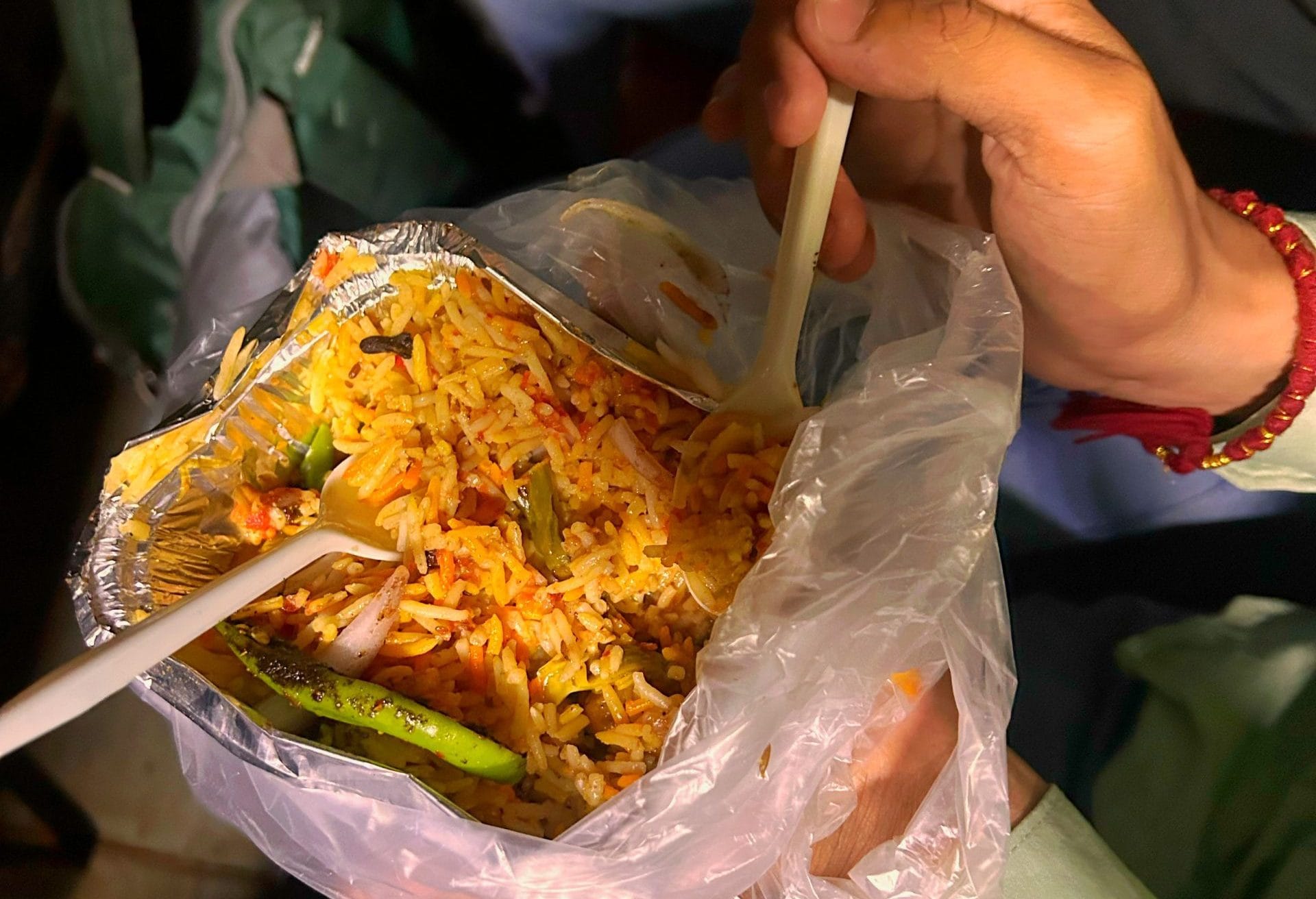
“The process of exams changes with the government in power. We can see what is happening now. It’s all propaganda,” he said at the Meerut station, between mouthfuls of a small plate of vegetable biryani that he shared with Bimal. It was their first proper meal of the day at 10 pm.
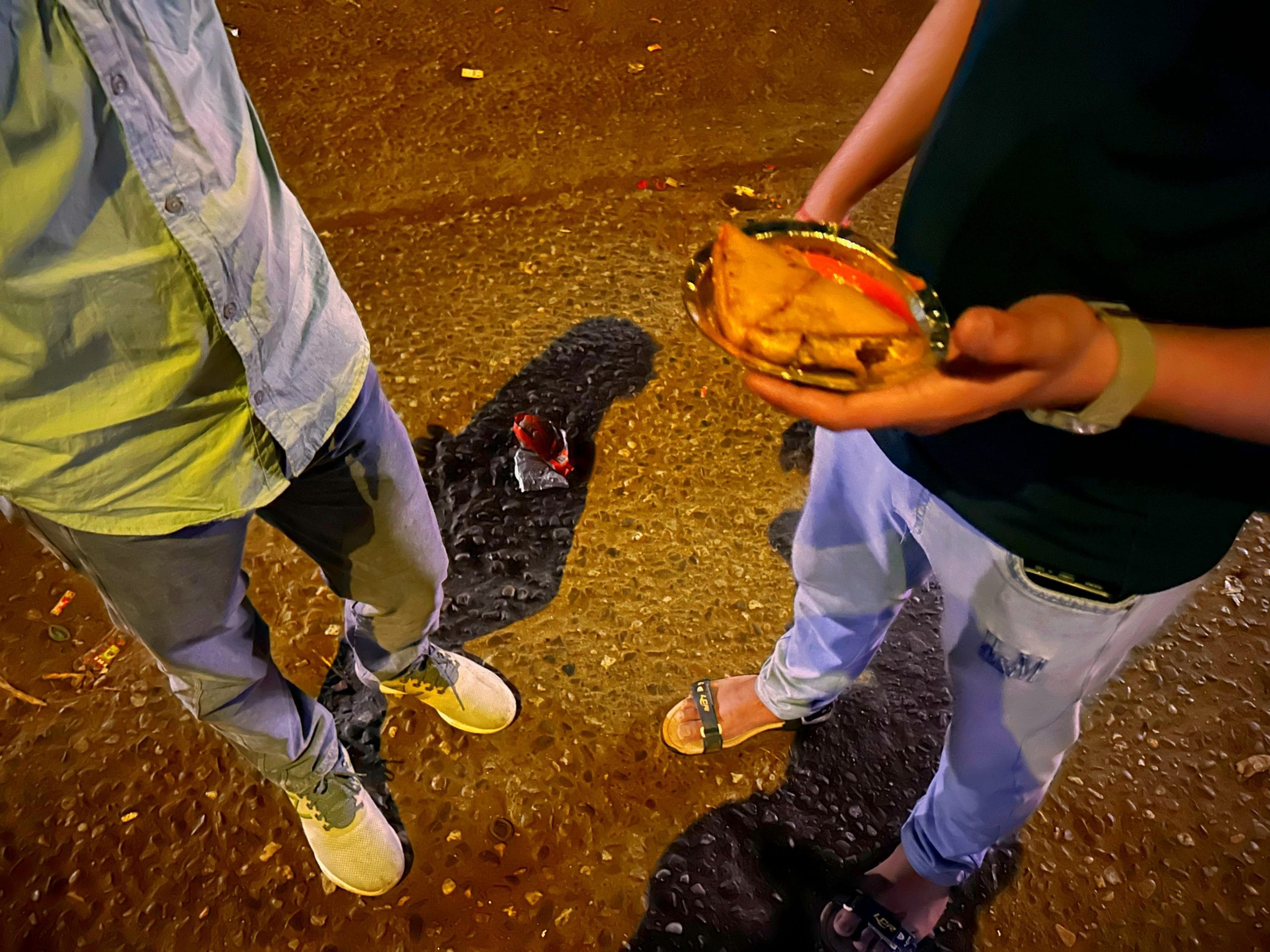
Abhishek is also aiming to take the UPTET (Uttar Pradesh Teacher Eligibility Test) 2026, a qualifying exam for candidates seeking teaching jobs in primary classes and upper primary schools. The exam is scheduled to happen in July. It is the first time since 2018 that large-scale recruitment of teachers is happening in the state.
Abhishek’s police exam is in the second shift, while Bimal will write in the morning. But first, sleep.
Also read: 73 Prelims, 43 Mains, 8 interviews—this 47-year-old won’t stop until he is a civil servant
The battle for space
Mahesh (23) and Eshwar (24) are seated next to each other in the bus heading from Meerut to Bijnor. But they’re on the way home after writing the exam.
They have not used social media for the past two years. And the four-hour bus journey home was all about catching up on the entertainment they missed. Aaj Ki Raat was blasting through their shared earphones as they watched Tamannaah Bhatia groove to the beat on YouTube.
“It is our time to enjoy. I did not see a movie, a video or use my phone, I kept on studying,” said Eshwar, who was very confident that this time he would get the job.
Their energy rubs off on Bimal and Abhishek, seated a few rows away. The duo bops to the playlist, waiting for the time till they get to play their own.
Most aspirants had hoped for examination centres closer to home. Instead, they found themselves allotted centres 100 or more kilometres away, forcing them to undertake long and often costly journeys. Some say the decision was driven by the administration’s attempt to curb paper leaks, while others see it as yet another burden placed on candidates who are already navigating an arduous recruitment process.
Bimal and Abhishek spent around Rs 1500 each to reach their destination.
“Food, bus and other miscellaneous expenses cost you this much. This is excluding the Rs 500 we have given for registration,” said Bimal.
The bus is full of aspirants, who are either heading back home or going to exam centres. They’re more comfortable than trains, but they’re also more expensive.
Bimal and Abhishek did not mind paying the fare, especially since ticket prices had been halved for exam candidates.
“We wanted to take the train, they’re safer. But there were no direct trains. And it was impossible to travel in those supremely crowded trains,” said Bimal. It is the second time he is writing the constable exam.
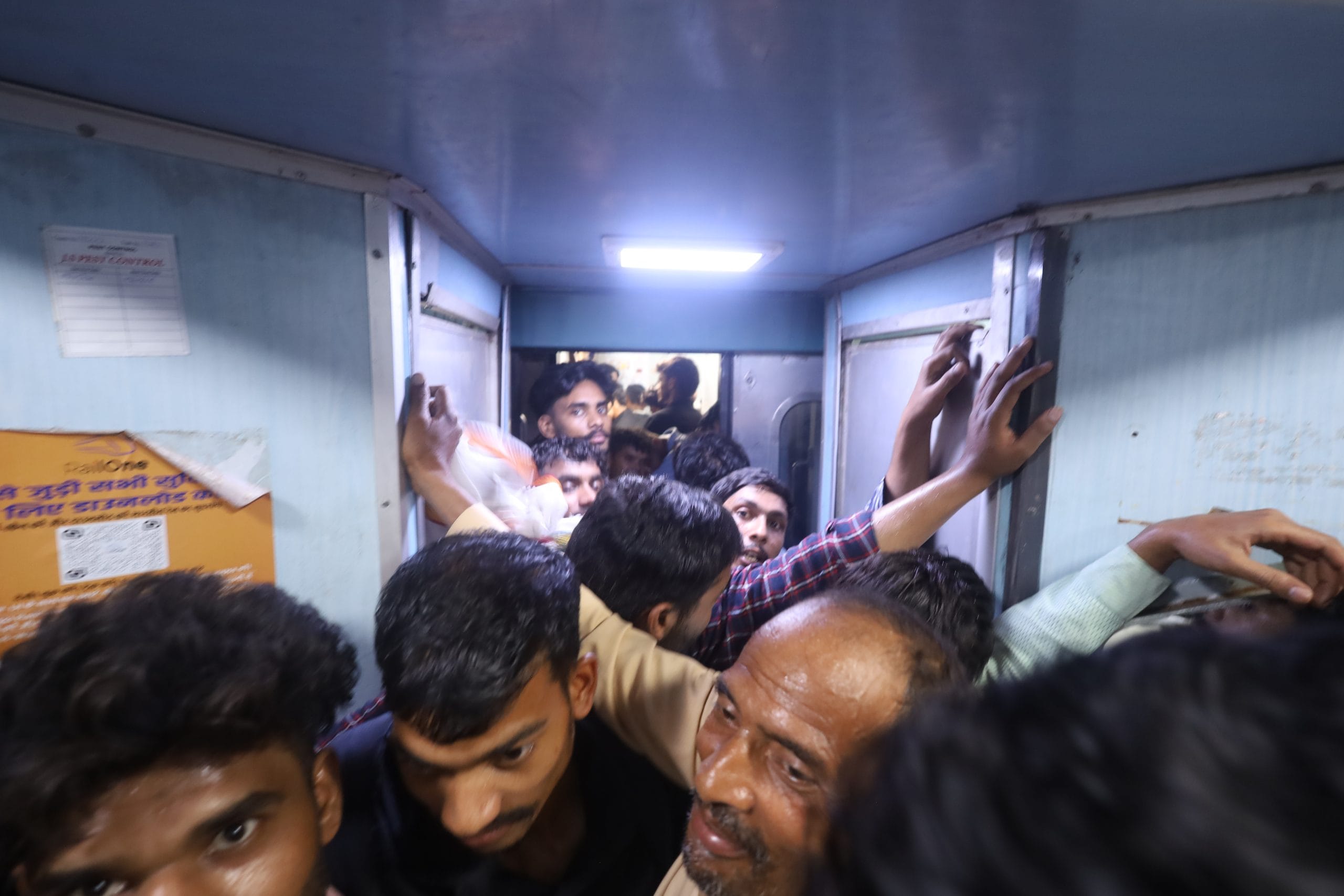
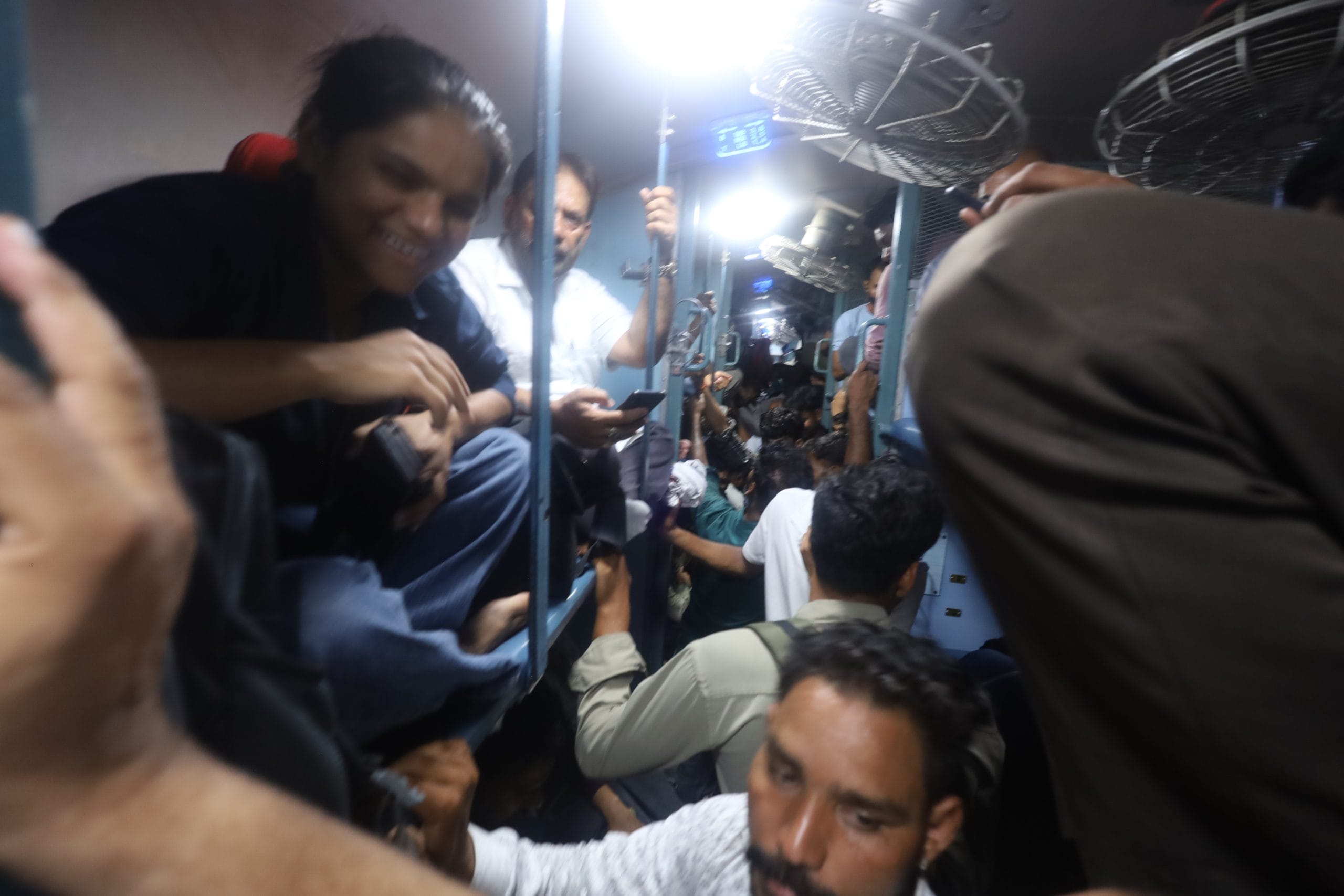
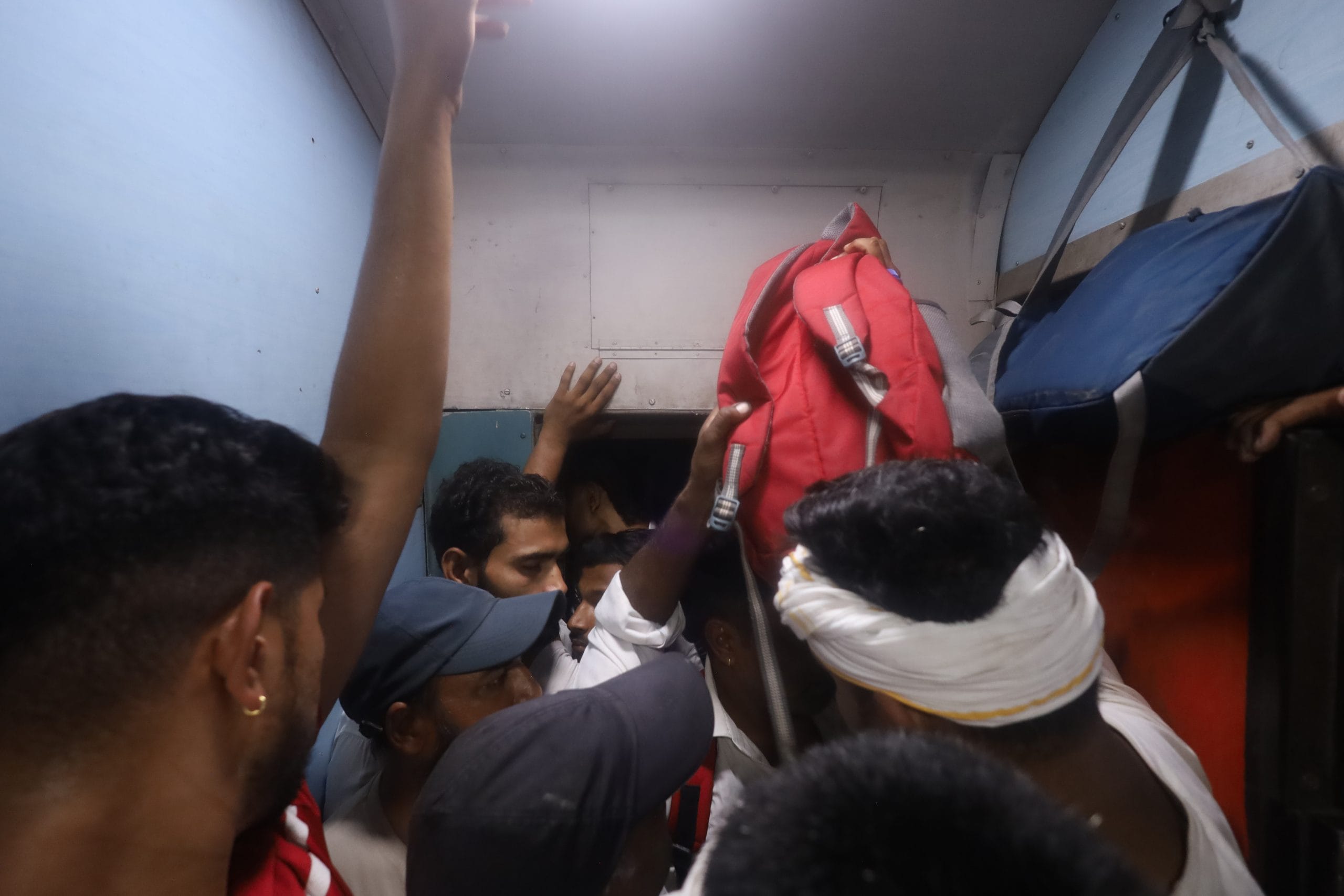
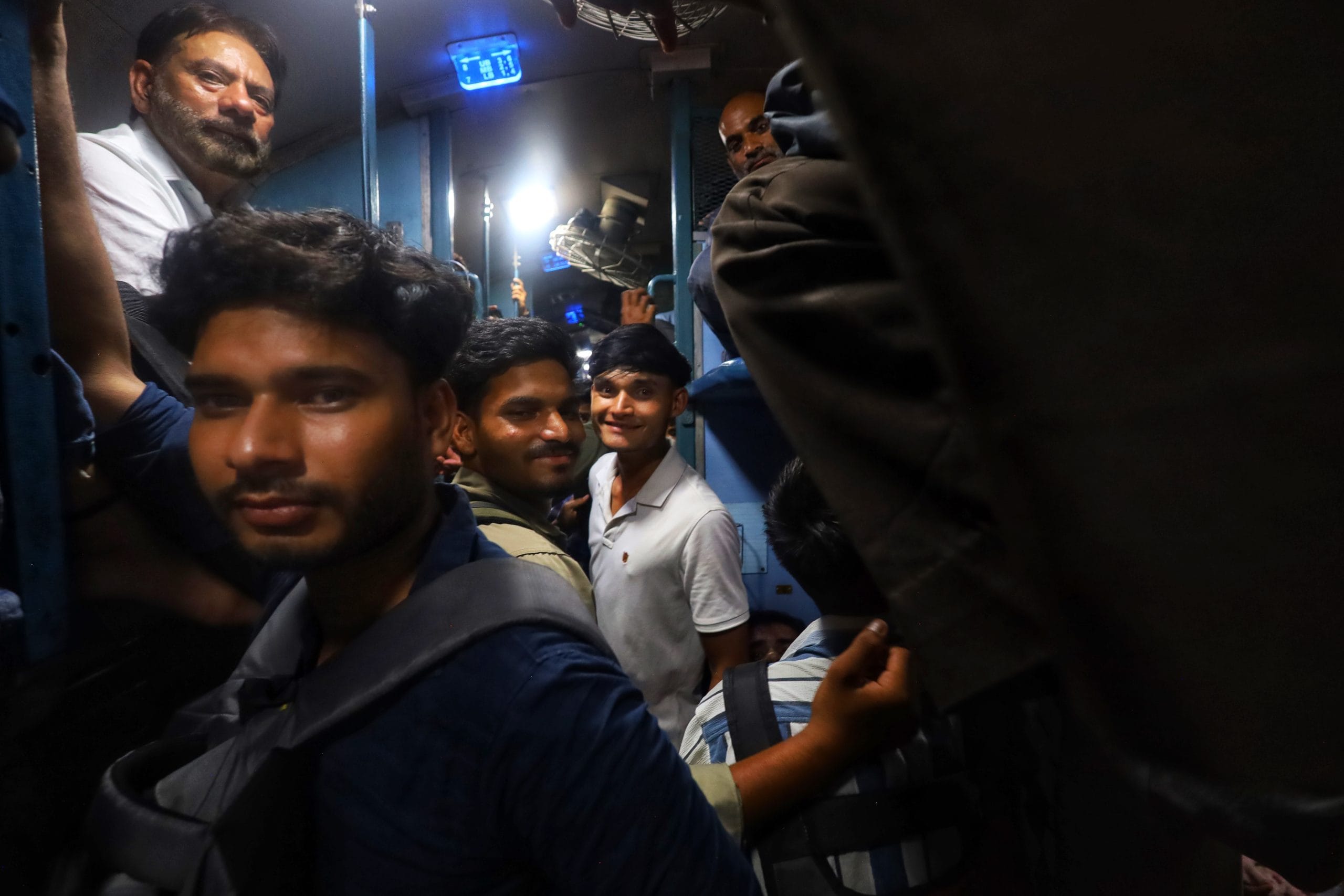
A group of aspirants from Saharanpur chose to travel together by train instead, calculating that the journey would save each of them around Rs 50. It’s a small but meaningful amount for candidates making repeated trips for recruitment examinations.
Anit, Sagar, Harsh Jeet, Anshu, Himanshu, and Saurabh stand on Meerut city platform number 3. They’ve written their exam and are now waiting for a train that will take them back home to Saharanpur.
They had reached the station as strangers last night. After spending the night at the station, writing the exam and bonding over their grievances, the 20-year-olds head back home as friends.
They’re not looking forward to boarding the cramped and dirty trains, but it’s turned into a routine.
“We have been doing this for so many years now, it has become a habit,” said Sagar.
They stand on the edge, impatiently shuffling their feet as their shirts stick to their back, darkened by sweat in the El Nino heat.
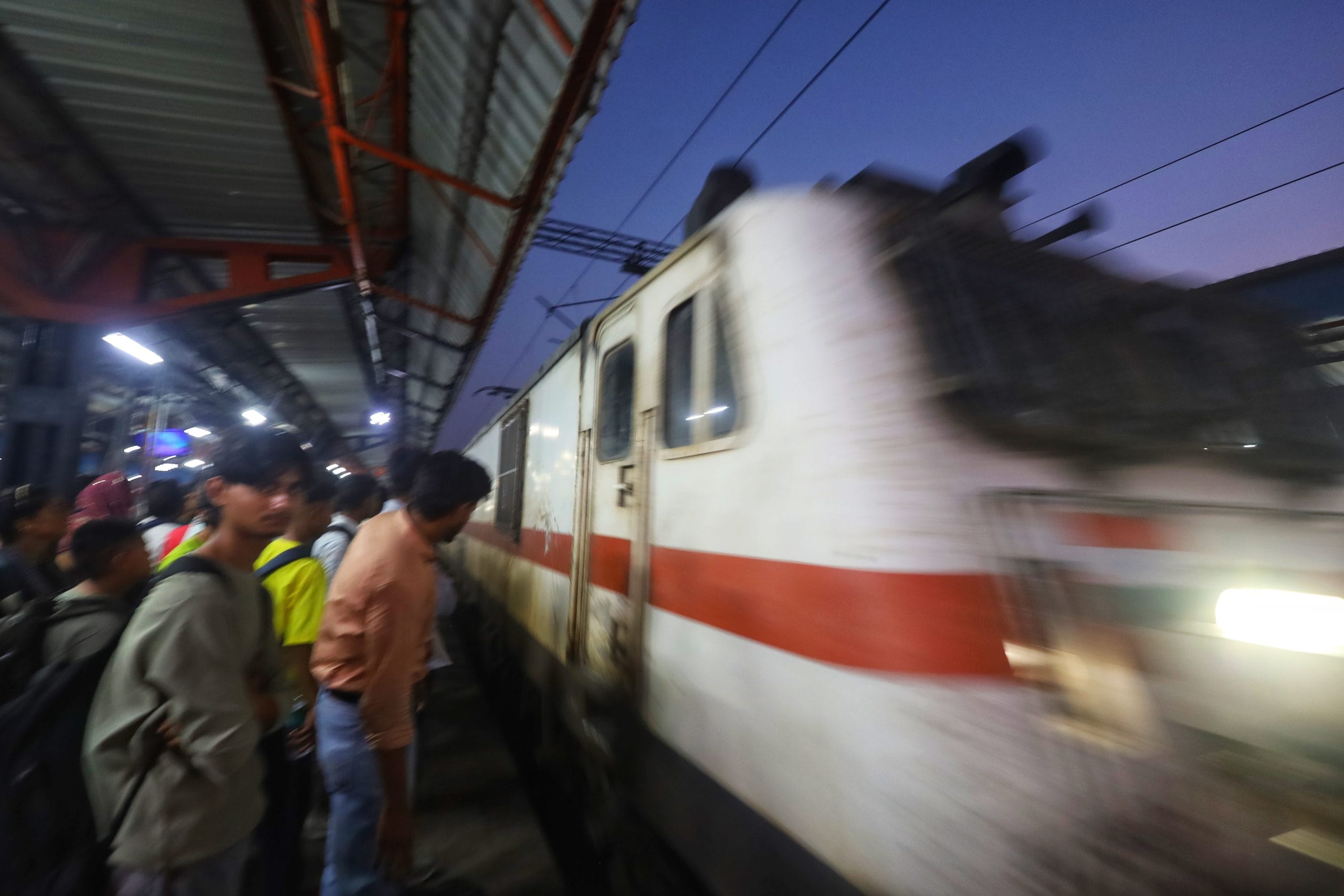
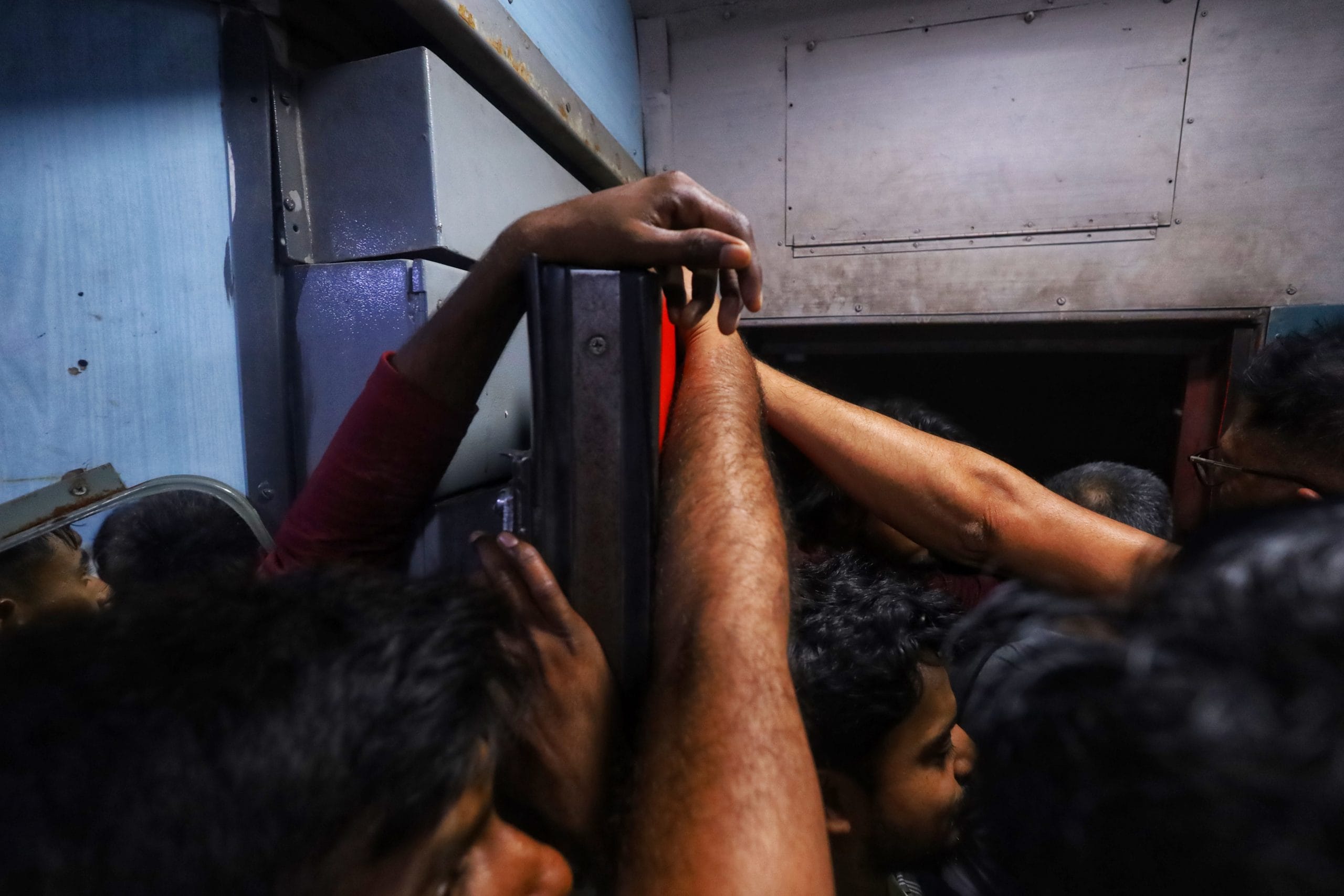
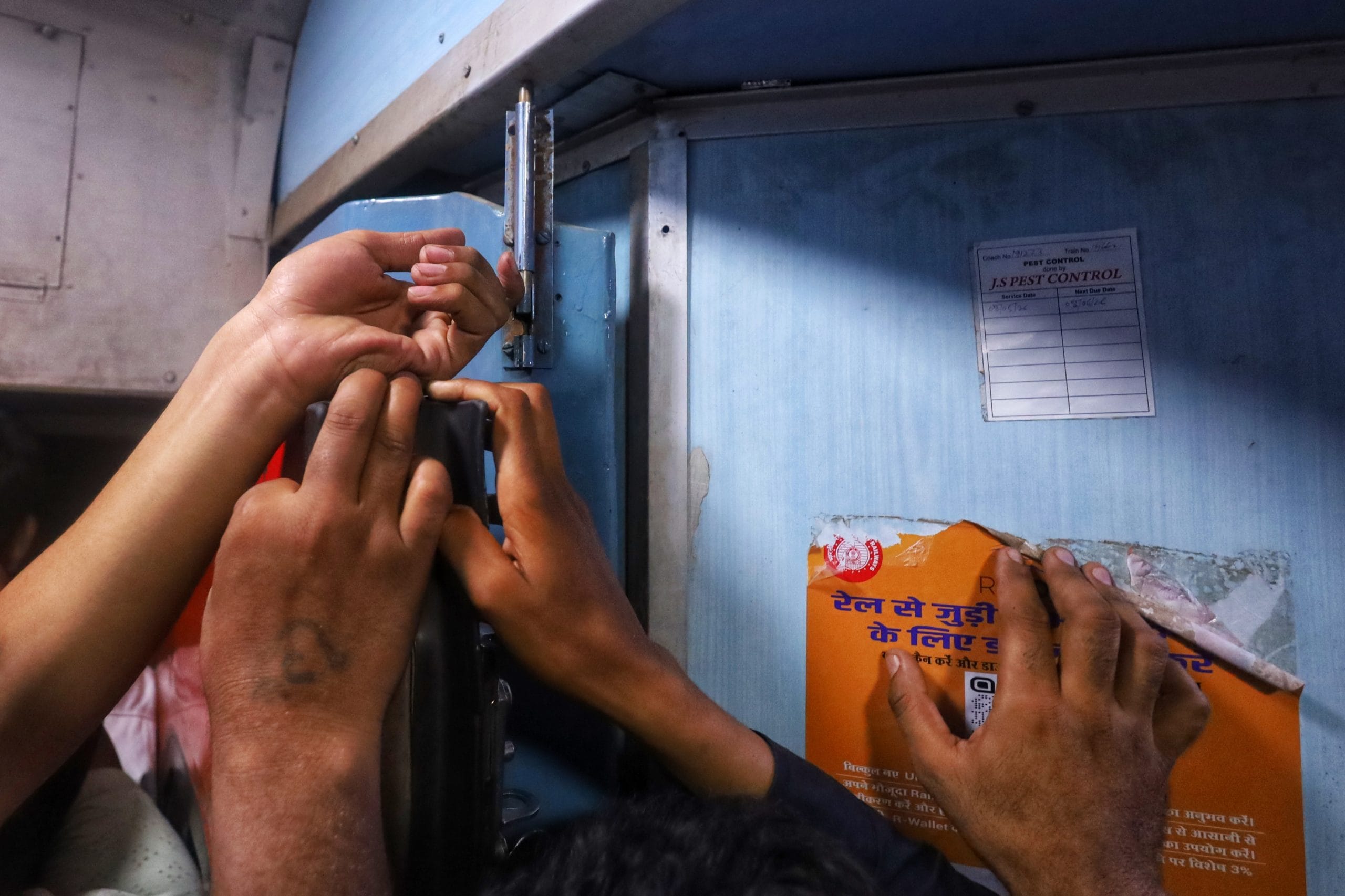
As the train’s whistle neared, their faces turned red—they were preparing for battle. Heads covered with gamchas, bags secured, phones hidden in the corner pockets and one hand already in position to hold the support rails and board the train. The train stops and commotion starts.
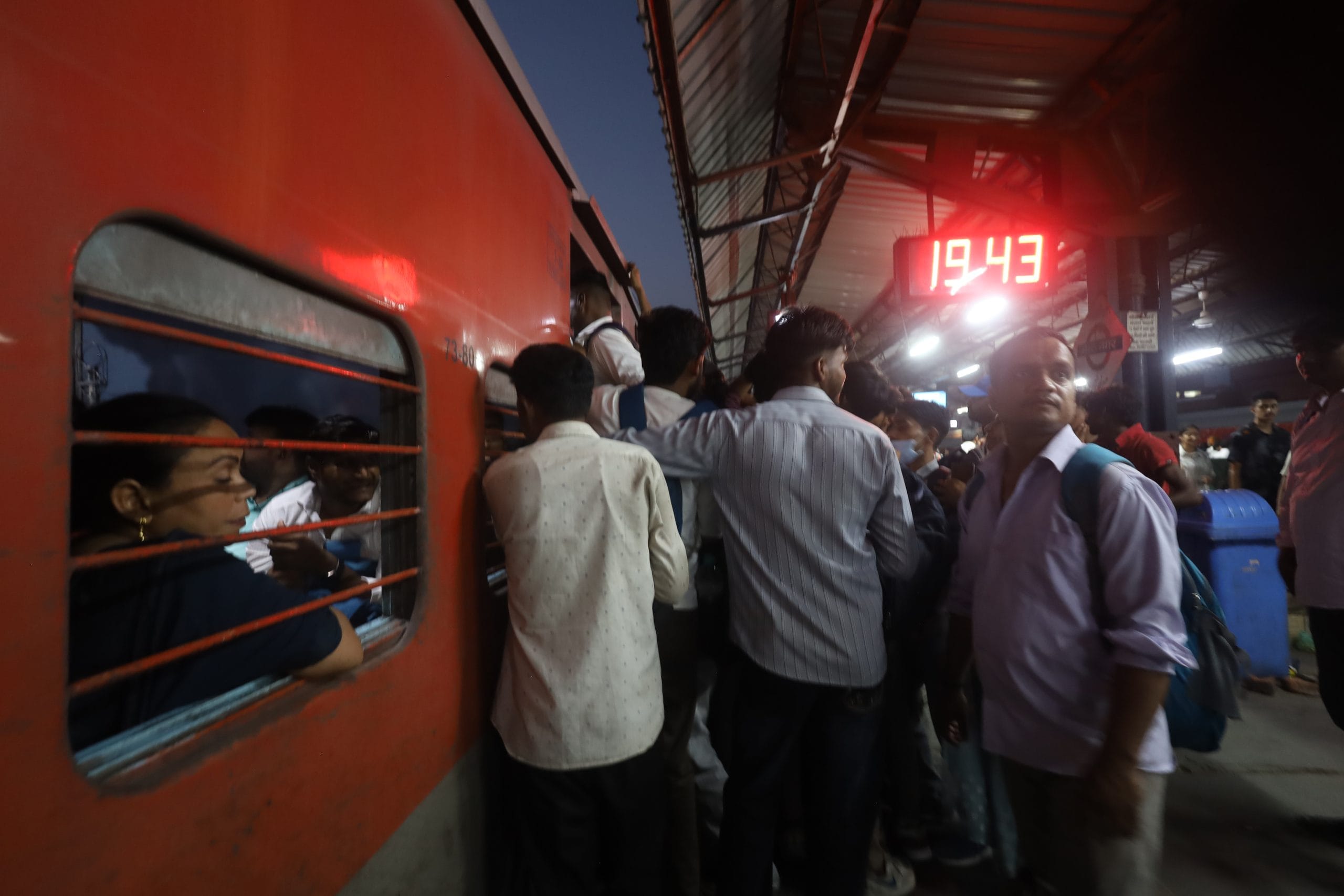
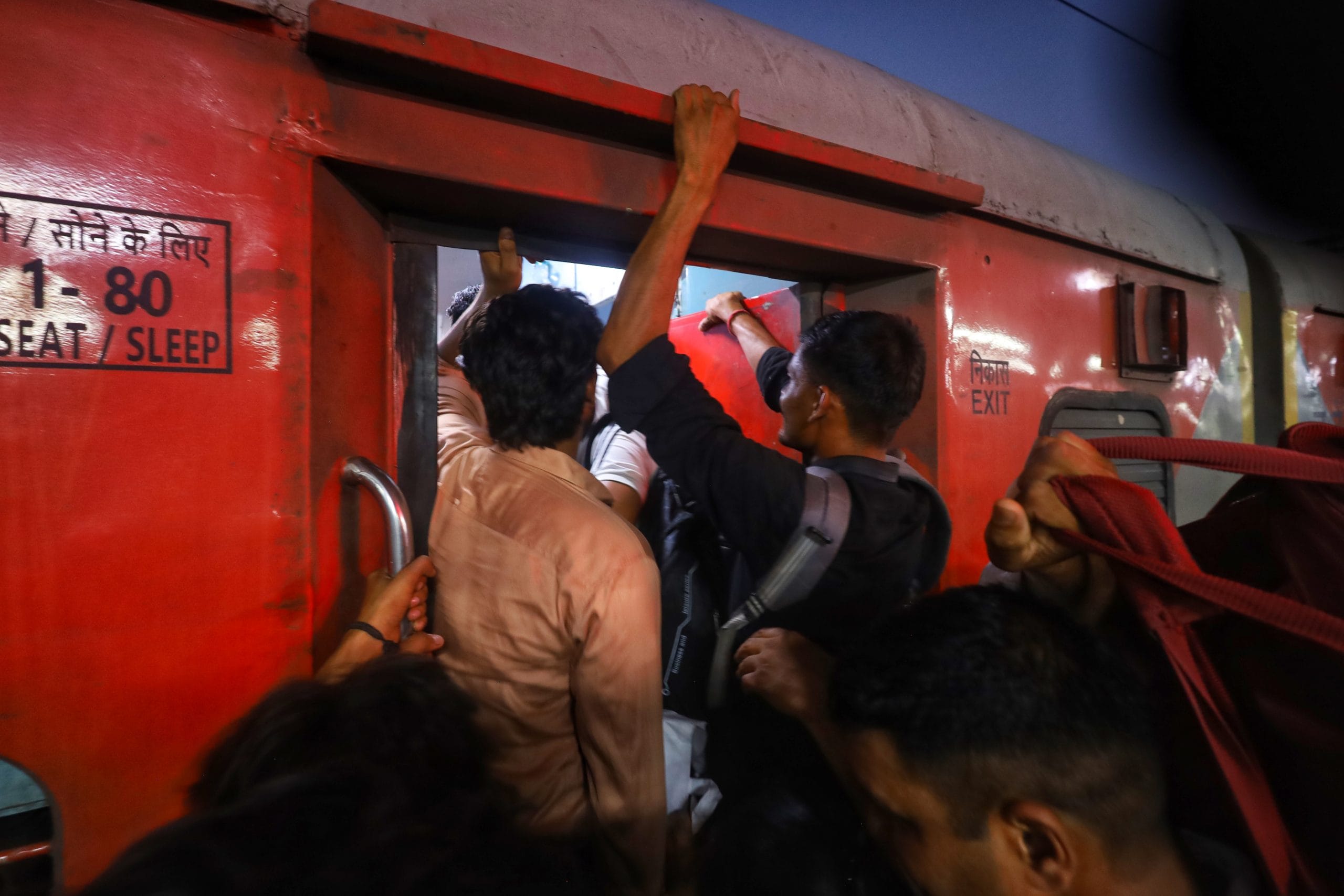
Every door clogged with dozens of aspirants fighting for space. Elbows dug into ribs, bags brushed against faces, and the crowd moved as a single restless mass. A few retreated, unable to endure the lack of air. Most did not. Missing the train was not an option. Beneath the anxiety and chaos lay a shared resolve: Whatever it took, they would make it onboard.
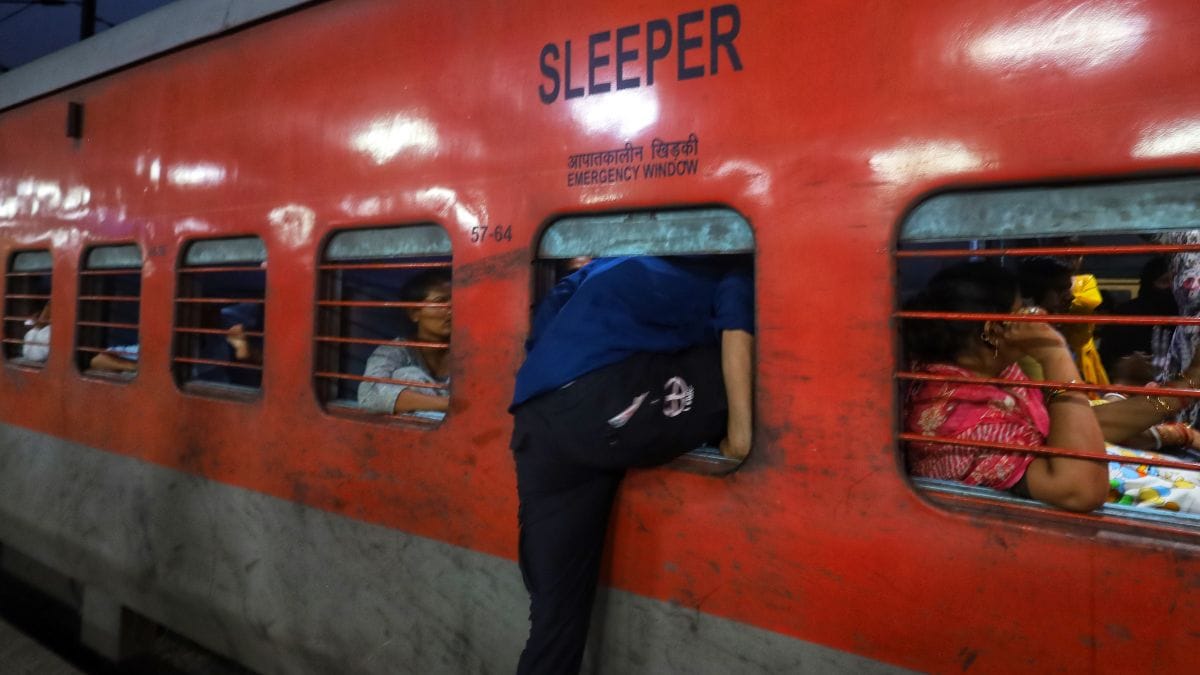
After five minutes of chaos, the platform is empty. Everyone is on board.
But there is no respite. Home is too far, fellow passengers are too close. Standing with barely an inch of space between them, sweat streamed down their faces. But as the train moved, the wind washed over—helping him to breathe and bear the journey.
“This is my second attempt. In the previous recruitment, I missed the final merit list by just one mark. There is no proper system in place—for students, for repeat candidates, for anyone. Every stage feels like a struggle,” said Harshjeet, as he held on to the door of the train.
Harshjeet’s frustration opened the floodgates of complaints.
“I have travelled in such overcrowded conditions that I spent most of the journey standing on one leg. What can students do? There are too many people and too few opportunities,” said Sagar.
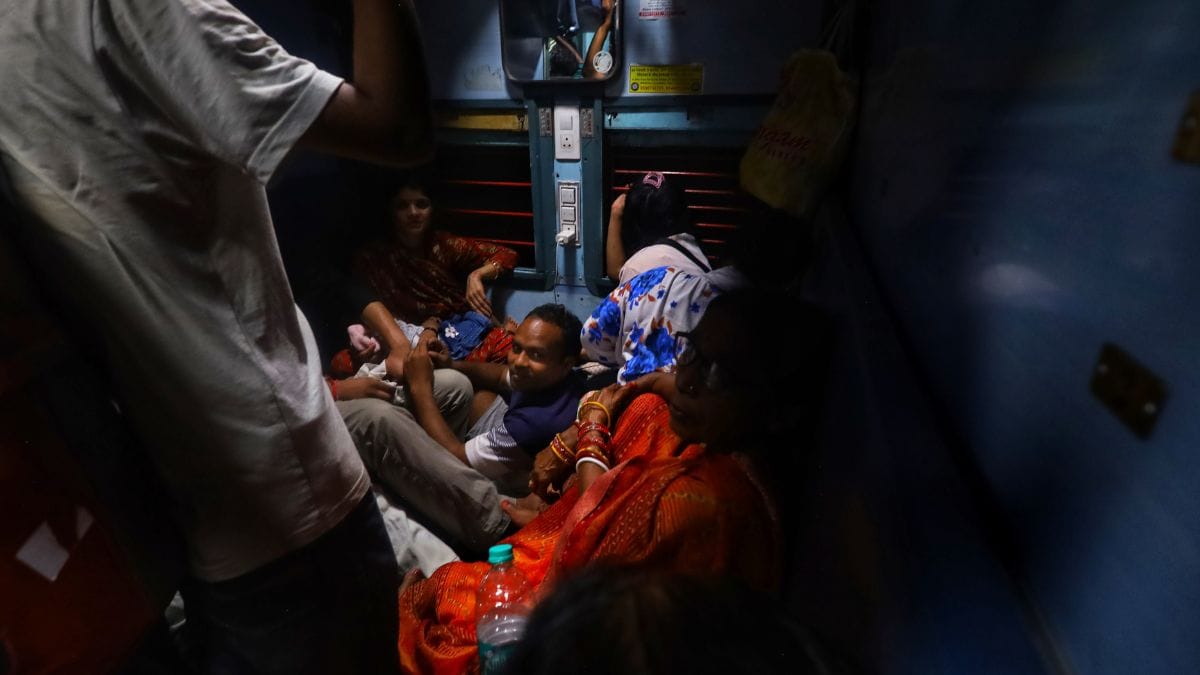
The crowd swelled with each stop, but they kept each other motivated with jokes, light-hearted banter and the occasional rant. ThePrint travelled with them from Meerut to Muzaffarnagar.
“Even students who have already been selected are still waiting for their joining letters. Look at the situation they are in—where are they supposed to stay, what are they supposed to do while they wait? We keep hearing about a ‘Viksit Bharat’, but this is the reality many young people are facing,” said Sagar.
Also read: Modi govt has failed India’s young. Exam fraud costs lives
The race to a stable income
Heated discussions followed wherever the aspirants went. CJP was a common topic, so was the Opposition and Uttar Pradesh Assembly election 2027.
The bus from Meerut to Bijnor halted for 20 minutes on the conductor’s directions. There were too many aspirants on board. He wasn’t able to scan through all their admit cards in a moving bus.
“The bus is getting late because of these Gen Z,” said a man sitting in the corner.
More than 90 per cent of the bus was occupied by the aspirants. But no one engaged in the argument. Maybe they were tired or perhaps they had other battles to fight.
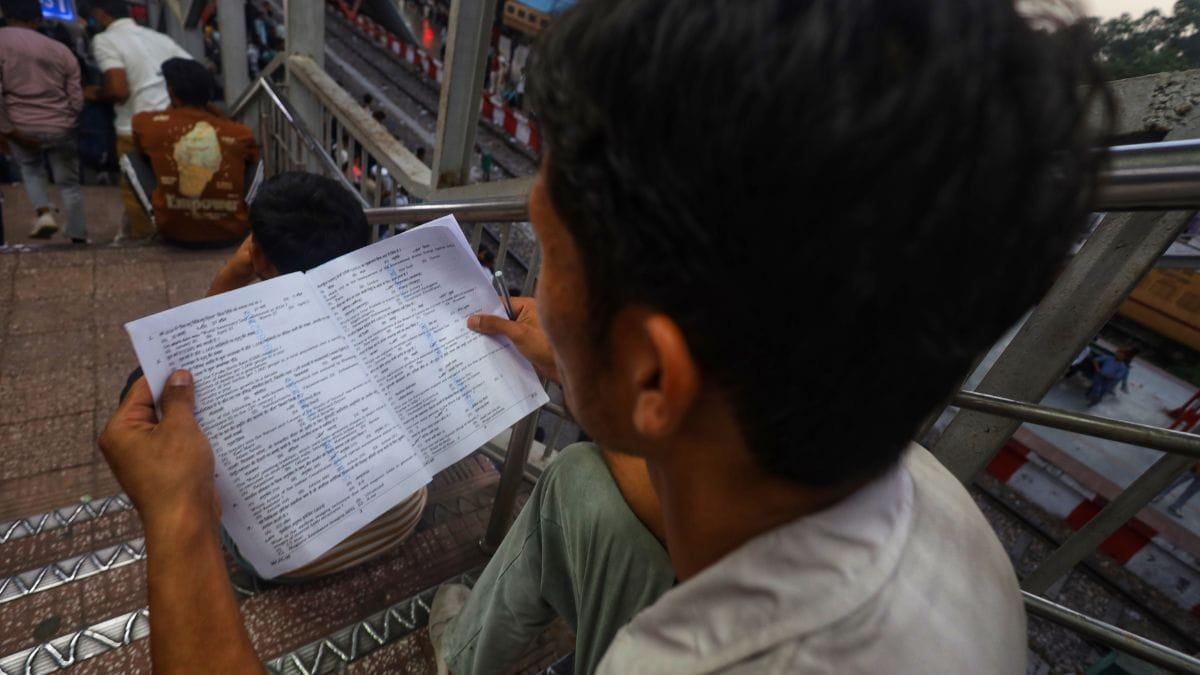
“I just have one wish—a government job and no more unemployment,” said Bimal. The B.Sc. graduate, whose father runs a pandal-renting shop in the village dreams of a stable income and a measure of certainty in life.
It is a dream shared by the nearly 29 lakh candidates who registered for the examination. The packed trains, sleepless journeys and swelling crowds of aspirants are evidence of just how many young people are chasing it.
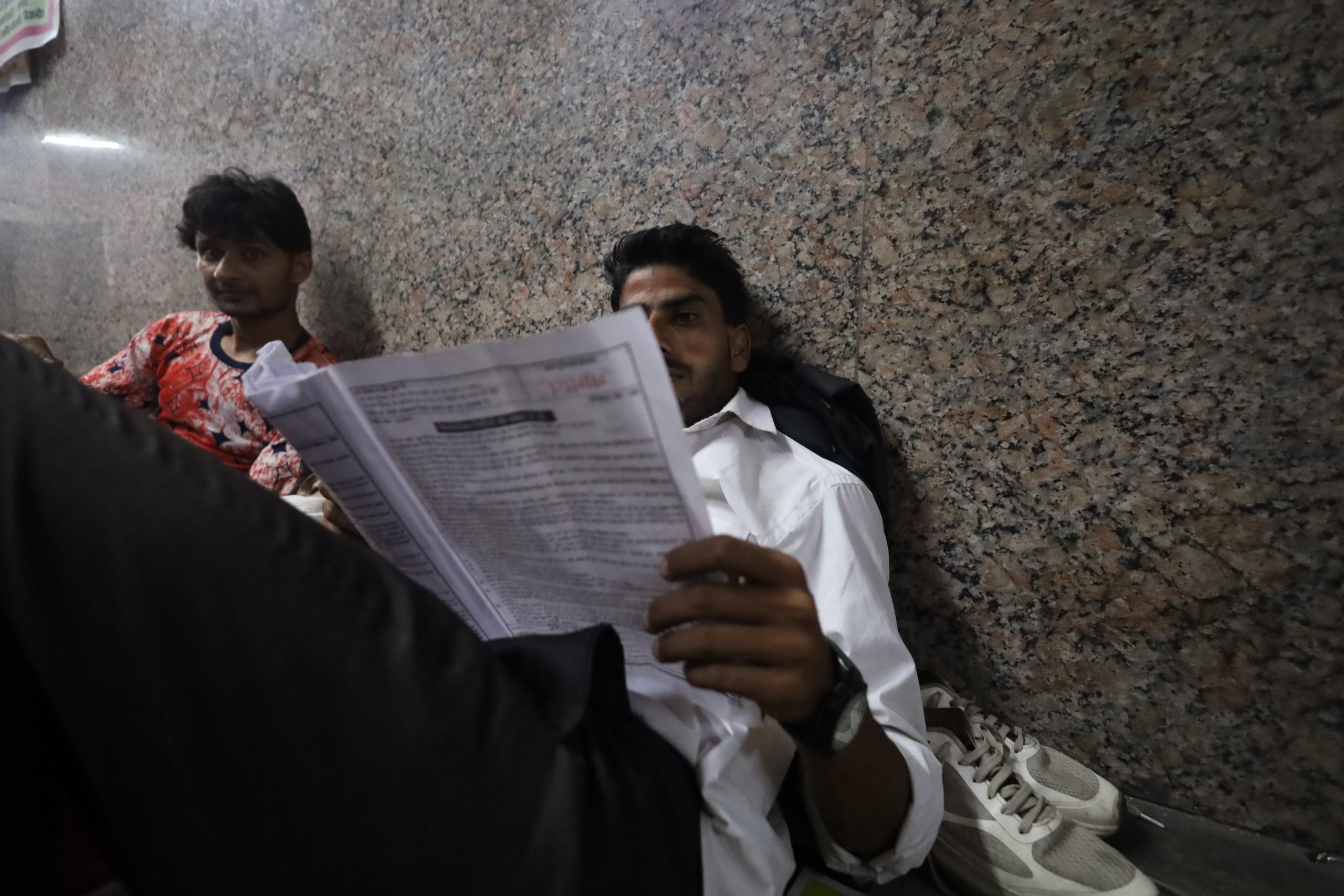
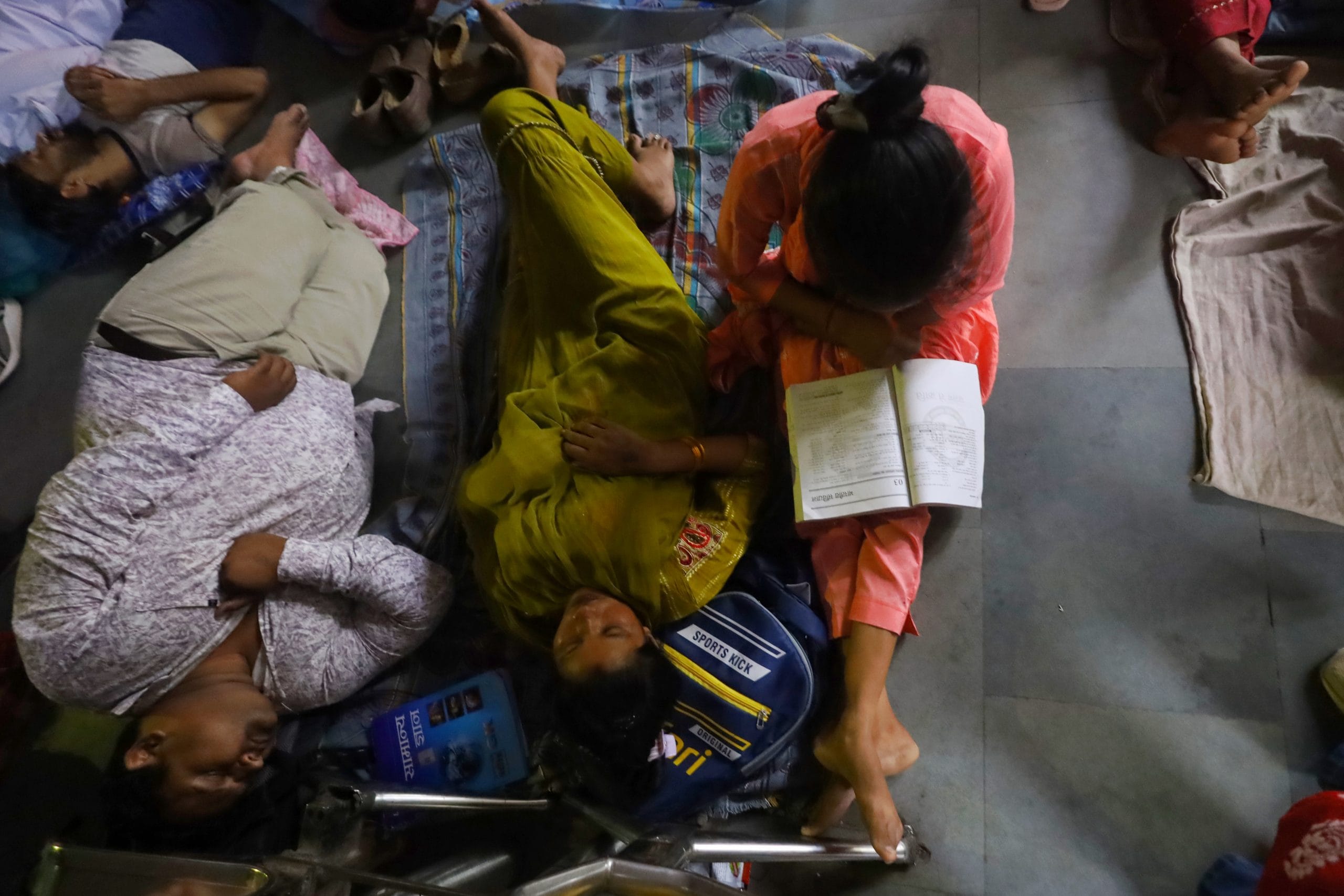
In Phalauda, Meerut, Arsalan is doing his last-minute revision. The 23-year-old has written 16 exams in three years. He claims he’s cleared 15 written papers, but he just cannot clear the final rounds.
Arsalan’s father asked his brother to lend him a motorbike so he could drop Arsalan to the exam centre. “I want to succeed at any cost, I do not care about travelling,” said Arsalan. This was his second attempt at the UP constable exam.
“I have to work toward making my family’s financial condition better. For me nothing else matters, even my religion,” he said, adding that his Hindu peers help him prepare for the exam.
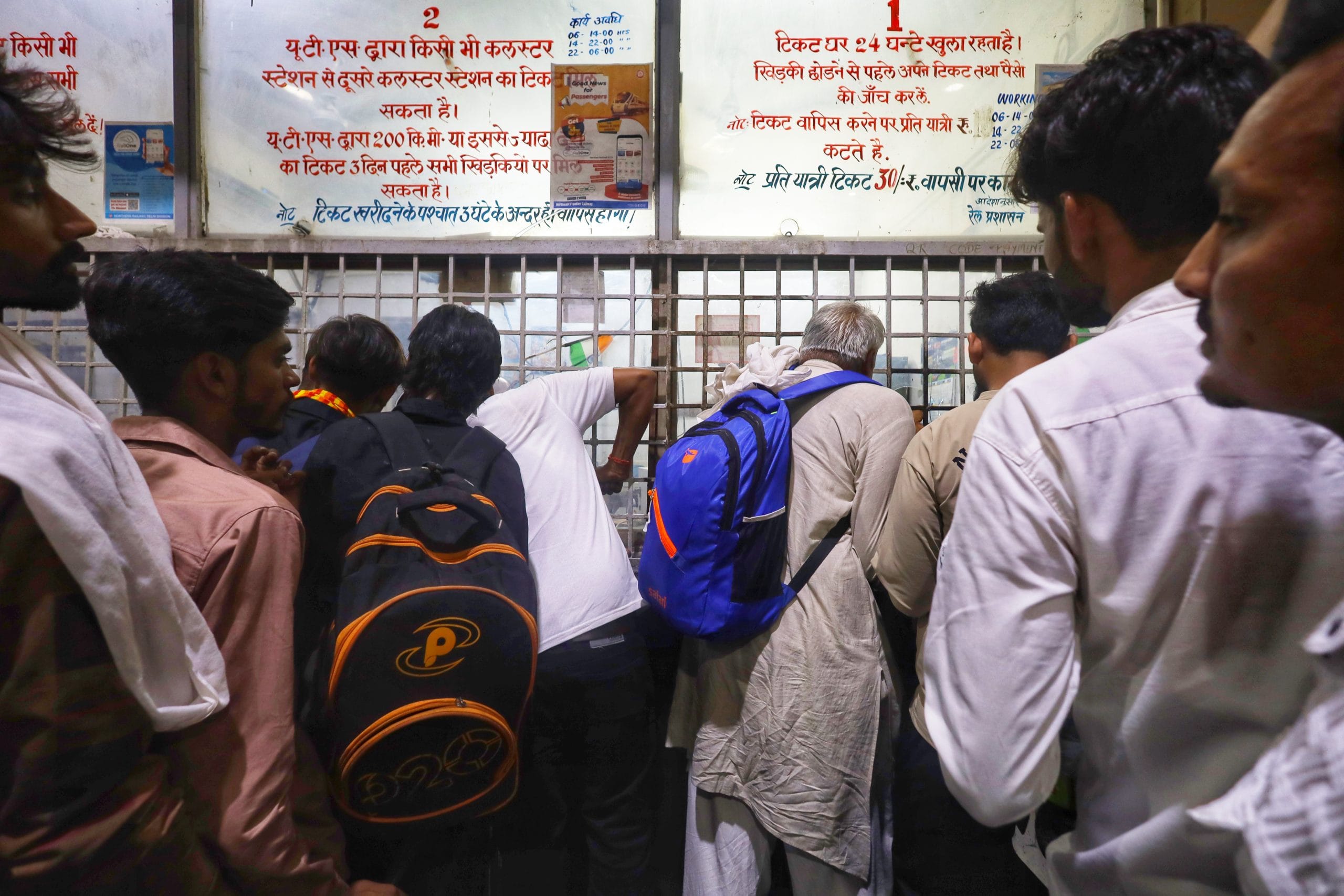
Arsalan’s father is a tailor and shoulders the responsibility of supporting the family. Arsalan hopes a government job will allow him to finally share that burden.
It’s a familiar sentiment among the young men and the rare woman travelling for the exam.
Bimal sits at the bus station waiting for Abhishek. He finished his exam in the first half of the day. The two-hour paper tested GK, Maths and reasoning. He is already thinking about his next exam—the Railway Recruitment Board’s Non-Technical Popular Categories. It’s in Noida. But he’s not as worried about that one. It’s closer to his home in Delhi’s Mukherjee Nagar. No more such hectic travel in the heat.
(Edited by Theres Sudeep)