



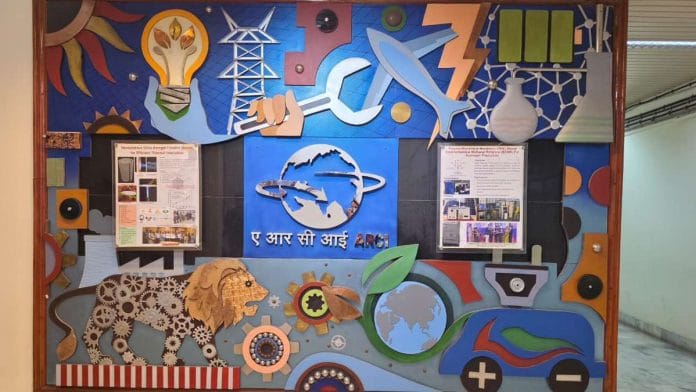

Hyderabad: Scientists are getting down to the elemental basics of fixing some of India’s biggest problems at the sprawling campus of the International Advanced Research Centre for Powder Metallurgy and New Materials, or ARCI, in Hyderabad. They are building EV batteries that do not catch fire, working to cut the country’s dependence on Chinese rare earth magnets, and developing defence applications, some of which were put into action during Operation Sindoor.
ARCI is filling the massive lab-to-industry gap in India by adopting an explicit ‘minerals-to-markets’ strategy.
“If you compare us to other research institutes, we might not be producing as many research studies or scholarly papers, but we have the highest patents. We are producing real-world research that is solving everyday problems,” said ARCI director R Vijay, a materials scientist with more than 1,300 citations for his work in nanomaterials, mechanical alloying, and hydrogen storage, among other areas.
An autonomous institute funded by the Centre’s Department of Science and Technology, ARCI is a one-of-a-kind research facility focusing on material sciences. Its scientists work on some of the most pressing real-world problems: metal coatings for defence systems, biomaterials for medicine, and even hydrogen stoves that have the potential to replace LPG.
We get private players on board from the very beginning to get a sense of their requirements. So everything that comes from our labs is market-ready, and we already have industry partners who would scale it up for us commercially
-R Vijay, ARCI director
Now, one of its top priorities is to reduce India’s dependence on Chinese rare earth permanent magnets, which are crucial in the automotive industry (especially EVs), the electronics sector, and renewable energy.
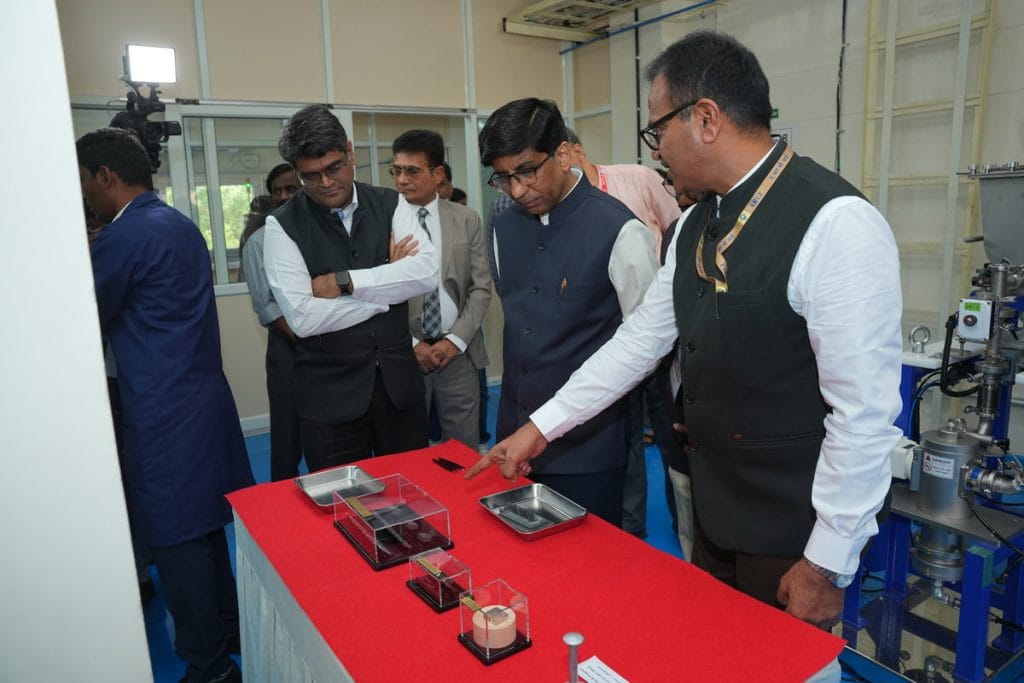
That ambition took concrete form in March, when ARCI opened a dedicated facility for the start-to-finish development and manufacture of Neodymium-Iron-Boron (NdFeB), rare-earth permanent magnets.
India currently imports around 90 per cent of its rare earth magnets, mostly from China. In 2024-25, India’s imports of magnets and related materials stood at nearly USD 221 million. This heavy dependence was why India was hit hard last year when China tightened its export rules, with automakers and electronics manufacturers being among the worst-affected. The case for producing these magnets in India became more urgent than ever.
The ARCI pilot plant in Hyderabad is India’s first serious move to plug the deficit in indigenous manufacturing capabilities. The facility, which is operational, comes under the Centre’s Rs 7,280-crore scheme to promote the manufacturing of sintered rare earth permanent magnets, approved by the Union Cabinet in November 2025.
“This is an end-to-end facility. Indian ores will be utilised for these magnets and with this we will be able to break India’s dependence on China,” Vijay said.
Also Read: How a Hyderabad pharma firm built a satellite that can spy on foreign assets in space
Magnets, missiles, motors
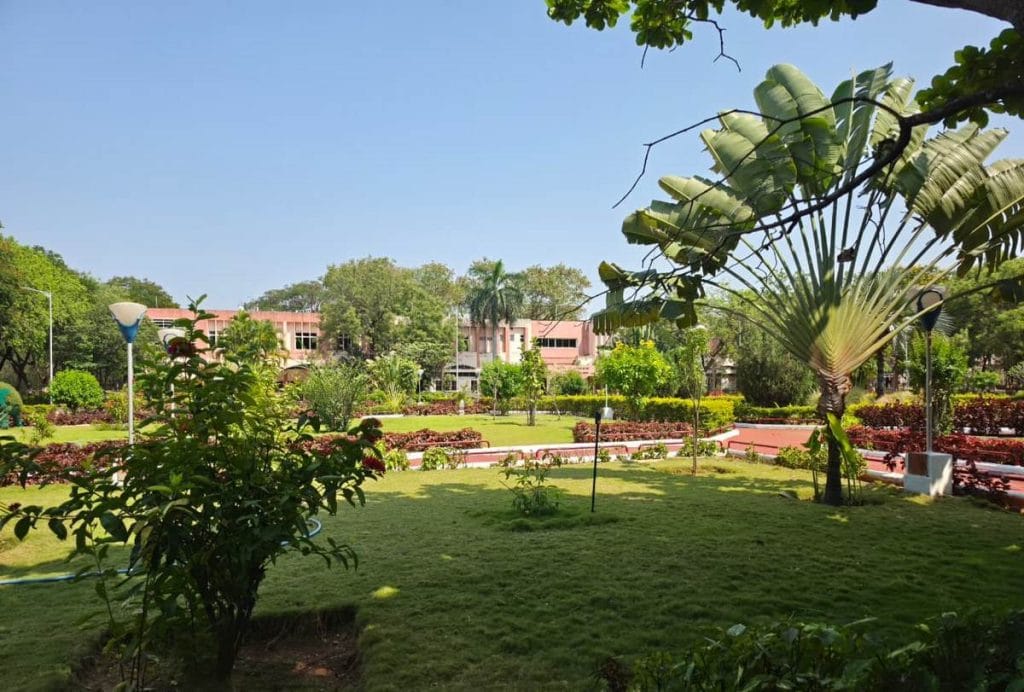
The gates of ARCI are like a fortress, guarding the research secrets of the institute. Multiple security checks and a long walk lead into the 95-acre campus where the action happens across specialised facilities.
Each lab is experimenting in a different area. Specialisations include surface engineering to make engine components last longer, ceramics for thermal shielding in aerospace, powder metallurgy to turn mining waste into battery-grade materials, nanostructured Titania for high-efficiency detergents, and laser processing for precision manufacturing.
Established in the 1980s as a knowledge exchange between India and the former USSR, ARCI came under DST in 1997 and is now driven entirely by Indian strategic priorities. The rare earth magnets lab is its newest flagship. The work around this began in 2015 with research on soft magnets for smaller applications such as electronics and watches, eventually advancing to the permanent magnets that are critical for India’s clean energy and EV goals.
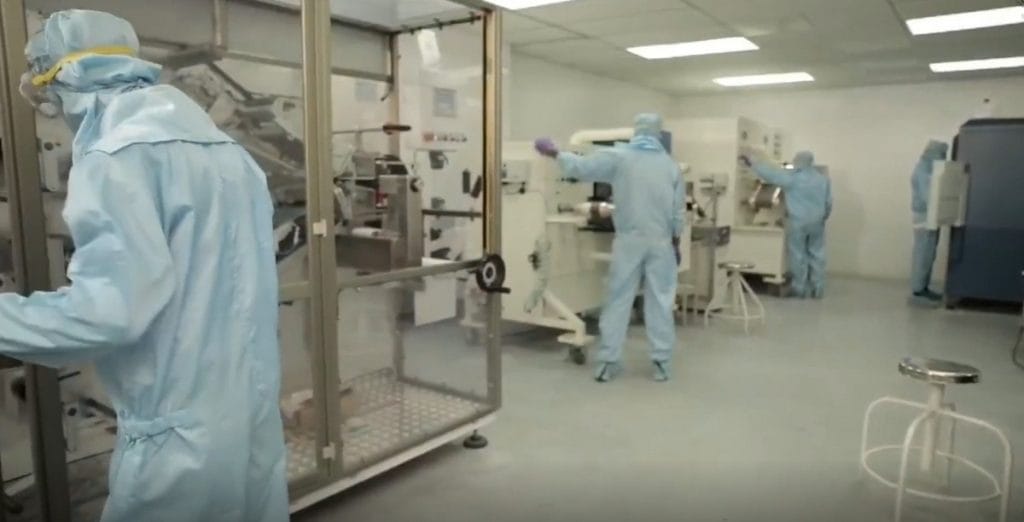
Inside this ‘top secret’ facility, NdFeB powder is carefully prepared, pressed and compacted into large blocks, which are then cut into the desired shapes. Scientists here are also working on the latest ‘near pressless’ method of making these magnets. This uses high-frequency magnetic fields to align the powder instead of mechanical pressing. The result is less raw-material waste and stronger, better-aligned magnets.
The ultimate aim of this lab was to make India self-sufficient in its Electric Vehicle Mission
-Abhay Karandikar, DST secretary
The conditions have to be perfect as NdFeB powder is highly reactive and can degrade easily. The process is carried out in a thoroughly sanitised, dry-lab environment where oxygen levels are strictly maintained below 1,000 ppm to prevent contamination.
“The ultimate aim of this lab was to make India self-sufficient in its Electric Vehicle Mission,” Professor Abhay Karandikar, secretary, DST, told ThePrint.
He added that while the current plant is a pilot, the operations will be scaled up in the coming years.
ARCI is ready for the challenge. It is not new to taking them on. In nearly three decades of operations, the institute has logged over 35 technology transfers, worked with about 50 industry partners, and delivered over 350 technology solutions to the market.
Its industry partnerships include the development of aircraft parts and coatings for Hindustan Aeronautics Limited, high-performance machine coatings for Larsen & Toubro, Lithium-Iron-Phosphate (LFP) cathode material for Reliance Industries, reactor technologies for Bhabha Atomic Research Centre, and surface engineering coatings and nanomaterials for propellants for the Indian Space Research Organisation (ISRO).
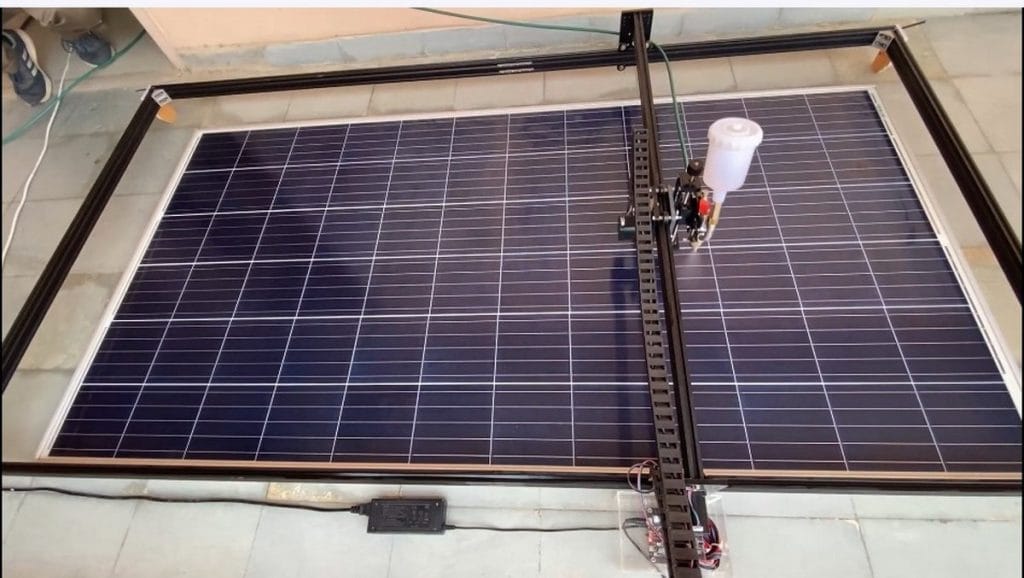
Beyond rare earth magnets, ARCI is a trusted research partner for the defence sector. For years, it has been supplying coatings for scramjets, gun barrels, bullets and missiles — components that have to withstand high speeds, temperatures, pressure, friction and erosion when deployed. The institute has also developed high-power, high-thrust motors used in military drones.
“Our innovations were also utilised during Operation Sindoor. We cannot give out more details about that, but it proves the advanced applications of our research,” Vijay said.
Taking research to the industry
While India is climbing steadily in the global rankings for high-quality scientific research—ranking 9th in the 2025 Nature Index, up from 12th in 2020—the leap to real-world applications still leaves much to be desired.
A senior official from the Department of Science and Technology said there is a notable “lab-to-industry gap” that India is trying to bridge. Most research that happens in India either does not make it out of the labs, or is not scaled up for market needs.
“We are now trying to bring about schemes that bring together research institutes and industries. Unless research benefits people, it is of no use,” the officer said.
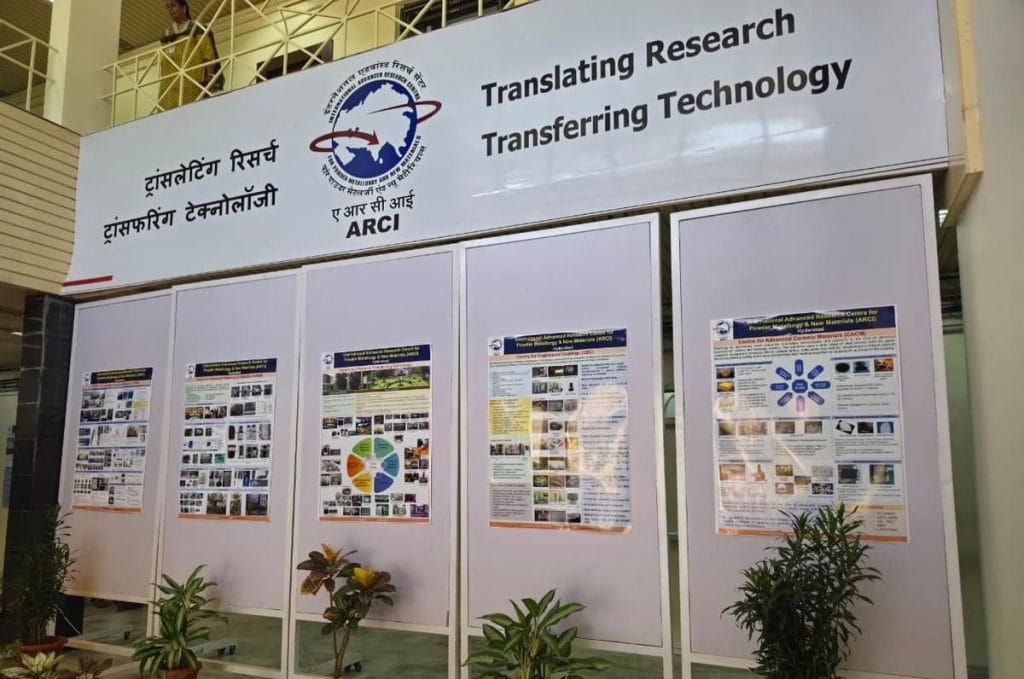
In November 2025, the Centre launched the Research, Development and Innovation Fund (RDIF), with an outlay of Rs 1 lakh crore over six years. The initiative was designed to accelerate investment in R&D as well as to support private sector enterprises. This builds on a steady rise in India’s gross R&D expenditure, which more than doubled from Rs 60,196 crore in 2010-11 to Rs 1.27 lakh crore in 2020-21.
ARCI has been ahead of this curve. It has long focused its energies on developing products and materials that can be brought to market. The research is precise, on-point and has a low turnaround time, which makes the institute a reliable partner for private players.
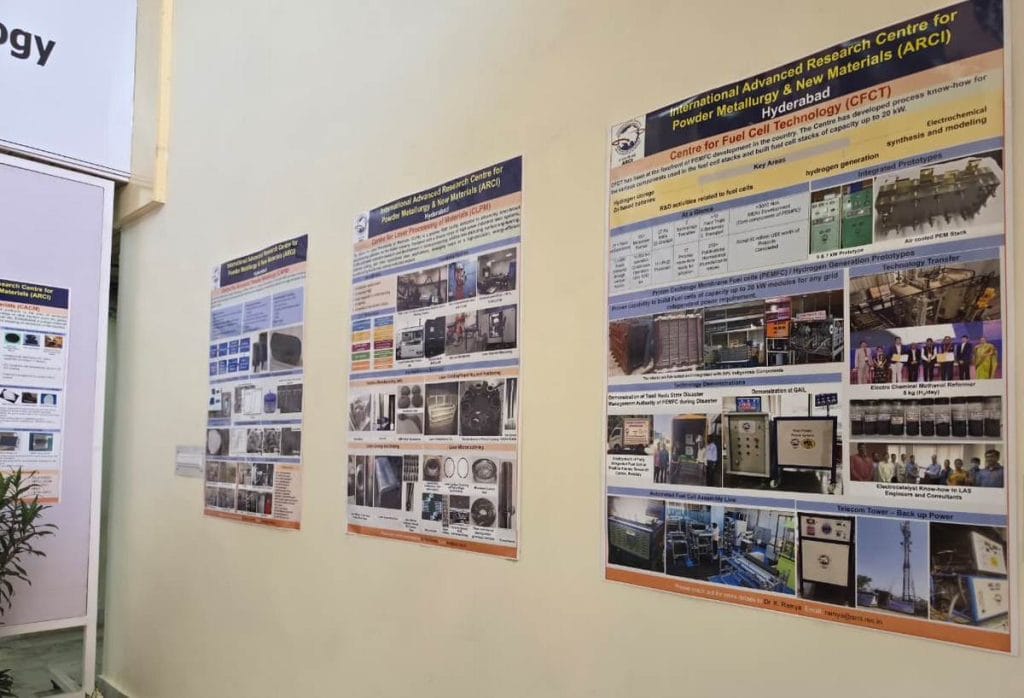
“Our research happens in a few stages. We get private players on board from the very beginning to get a sense of their requirements. So everything that comes from our labs is market-ready, and we already have industry partners who would scale it up for us commercially,” Vijay said, beaming proudly.
Also Read: Arctus Aerospace has one mission—End India’s reliance on foreign players in earth observation
The science of atmanirbharta
R Vijay was a young scientist not long out of the National Institute of Technology Warangal when he joined the institute in 1994, even before it was fully operational. Back then, he recalled, the institute was confined to a single building with sparsely populated classrooms and silent corridors. Over the years, ARCI has grown from an address no one recognised in Hyderabad to a landmark institute.
And having grown up with it and become its director, Vijay is determined to take it to the next level. He wants every Indian to know about the work coming out from its labs.
“ARCI started for a niche market but we have managed to expand our work to every sector in India. Material science has now spread its wings and ARCI is leading that revolution,” Vijay said.
He is confident ARCI’s work will push India towards ‘atmanirbharta’, and that with more products and solutions, the institute will one day be a household name just like the IITs and IIMs.
“The problem is that nobody thinks that the car that I am driving, the batteries that my solar panels are using, where did they come from,” Vijay laughed.
(Edited by Asavari Singh)