





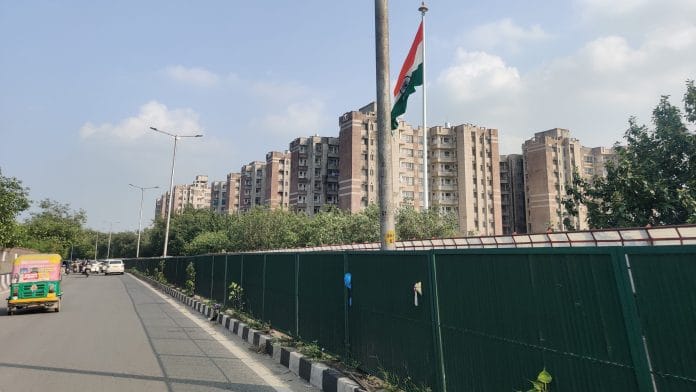

Dwarka, Delhi: The Dwarka Expressway, opened in 2024 and built at a cost of Rs 9,000 crore, was seen as a glimmering ray of hope to ease the traffic burden on Delhi’s planned neighbourhood of Dwarka. Despite this ambitious infrastructure, Dwarka’s entry and exit points remain clogged, with bumper-to-bumper traffic during peak hours.
Traffic congestion isn’t the only persistent headache for Dwarka’s residents. What was once conceived as a non-suburban solution to the desire for self-sufficient, gated communities for Delhi’s middle class, is today as unremarkable as any other urban neighbourhood struggling under a laundry list of woes – from water to congestion to market access, quality of life, and most importantly overlapping jurisdiction of authorities that nobody is clear on.
“The question is not whether Dwarka has enough roads on paper. The real question is whether the planners ever thought about how the traffic would move through the bottlenecks and how commuters would access the expressway,” said Anil Kundra, a resident of Sector 11.
Dwarka’s geographical location is such that most commuters travelling from west and central Delhi towards Gurugram — a major corporate hub — pass through it. The expressway was envisioned as a solution to ease this traffic congestion but the roads leading to it still get choked during peak office hours. As a result commuters find alternate routes within Dwarka just to reach the expressway.
“It now takes us hours to commute from one sector to another, despite Dwarka having wider roads,” said Kundra.
Dwarka was one of three sub-cities planned to accommodate Delhi’s growing population. It was planned in the 1980s, and developed by the Delhi Development Authority (DDA) over the following two decades as a self-contained township with residential and commercial areas. It soon became one of Delhi’s most sought-after sub-cities, leaving behind Narela and Rohini which too were part of Delhi’s ambitious Urban Extension Projects.
“80 per cent of Dwarka has been developed largely as was envisioned by DDA, in line with its original plan of connectivity to South Delhi and providing efficient modes of commute,” said A.J. Jain, former Commissioner (Planning) of DDA.
For some, Dwarka was an investment opportunity; for others, it became a retirement plan. When it first operationalised in early 2000’s, Dwarka offered wider roads as compared to Janakpuri, Karol Bagh or Lajpat Nagar; cleaner air, and fewer crowds than the rest of Delhi.
25 years later, however, the sub-city is grappling with the same problems it was built to avoid. The most powerful metaphor for India’s urban collapse is the ubiquitous water tanker. And Dwarka is no different.
Water woes
Even the people who hold power among Dwarka residents are not immune to the subcity’s deteriorating condition. 47-year-old Sushil Kumar, a resident of Sector 3, starts his day by calling DDA and Delhi Jal Board (DJB), asking them to send water tankers for the group-housing societies facing water shortage. He is the President of the Dwarka Forum, which was founded in 2006 as a collective for Dwarka’s RWAs to find solutions to civic issues.
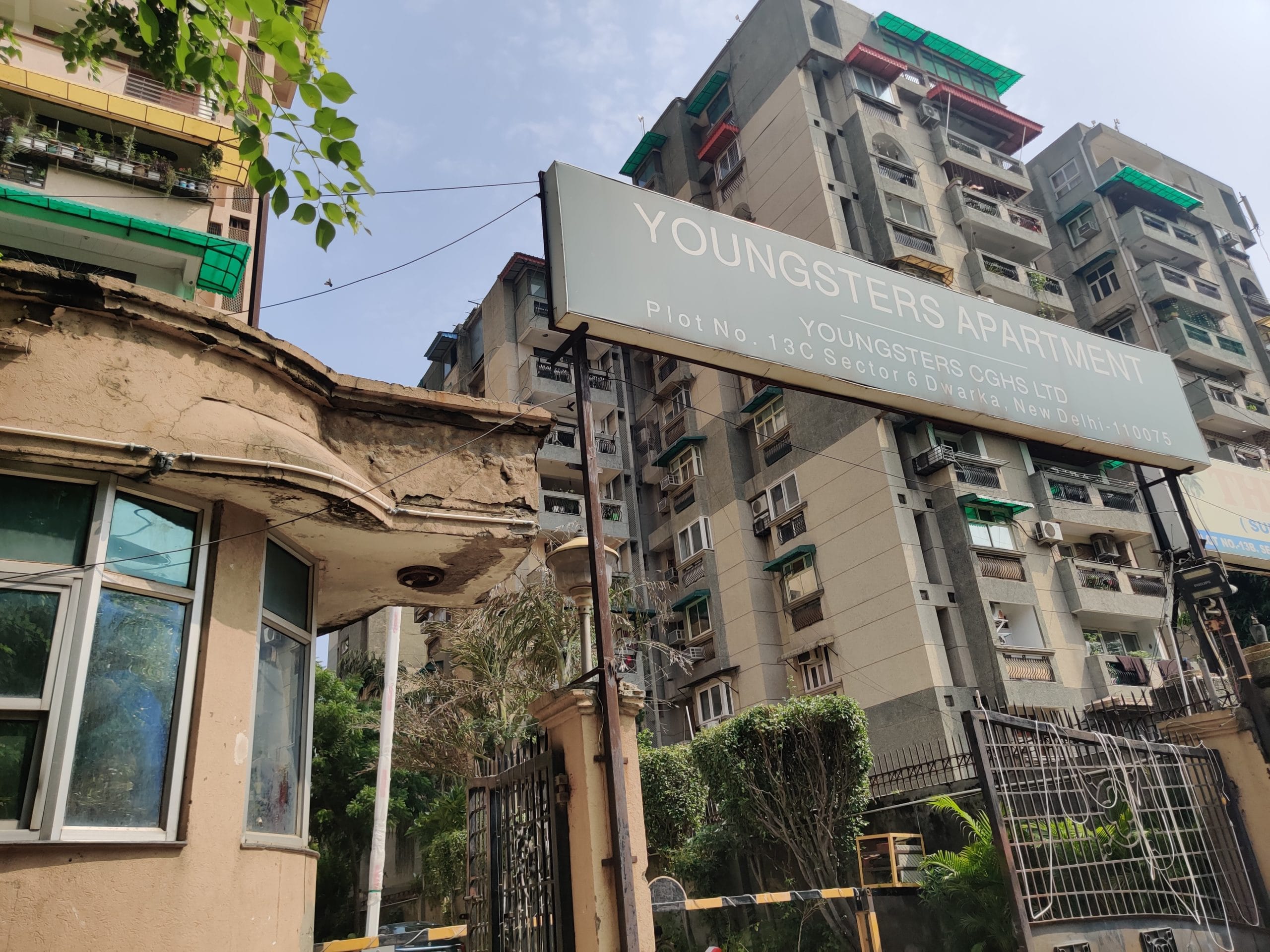
The Residents’ Welfare Association (RWA) of Shivalik Apartments in Sector 6 said that their group housing society, which is home to around 500 residents, receives piped water for only 10 to 20 minutes a day, compared to nearly two hours earlier.
“There is a major gap between the demand and supply of water in Dwarka. At present, we are receiving around 50 million gallons per day (MGD) from the Dwarka Water Treatment Plant, but we require at least another 50 MGD to meet the rising demand,” an executive engineer at DJB told ThePrint, on the condition of anonymity.
Adding to the woes, the low water pressure makes it difficult for the societies to fill their overhead tanks adequately. As a result, residents are forced to rely on private water tankers to meet their daily needs. In some societies, the monthly expenditure on tankers has run into lakhs of rupees.
“We reach out to the authorities and file complaints but to no avail. At the end of the day, we need water. With no other option, we are forced to go through the tanker mafia and pay huge amounts of money for a basic necessity,” said Sudha, a resident.
Compare this to south Delhi’s Vasant Kunj, the situation is somewhat similar. The area also faces water supply issues but not as frequently as Dwarka.
“We face water shortages occasionally but the problem becomes particularly severe during peak summer, when we have to rely heavily on tankers,” said a Vasant Kunj RWA representative. The representative added that the shortage becomes acute when the piped water supply is disrupted for more than 24 hours, and the residents’ personal water storage tanks begin to dry up.
But in Dwarka, the problem extends beyond a few days of summer shortage.
“The water crisis in Dwarka is worsening every year. This year, the situation has become so severe that we have had to supply tankers on alternate days. In places where residents have their own water storage, the supply can last for two days. This allows us to divert tankers to unauthorised colonies, that rely solely on tanker supplies,” another DJB official said.
Water scarcity is not a new problem in Dwarka; it dates back to at least a decade. In fact, it was so acute in 2014 that the Dwarka Forum had to approach the Delhi High Court to seek adequate and equitable water supply for the sub-city. The court had then directed DDA to commission 10 additional borewells for Dwarka within 30 days.
Nearly a year later, DDA transferred the responsibility of Dwarka’s water services, and maintenance of its waterlines to the Jal Board. The handover came after the Dwarka Water Treatment Plant began receiving water from the Munak Canal, removing a key obstacle that had earlier prevented DJB from taking over the system. But it was not the panacea that Dwarka’s residents were hoping for.
Even after the 2015 handover, the DJB official pointed out, the Jal Board’s responsibility of providing bulk water connection is limited to societies with four storeys. Meanwhile, DDA remains responsible for the internal water infrastructure and distribution in Dwarka’s multi-storey buildings.
“It’s been years, and we have still not been able to resolve the confusion over the division of responsibilities between the authorities—whom to approach for which specific problem,” said Kumar. He added that even for a small water-related issue, residents shuttle between multiple departments of DDA and DJB for days at a stretch.
The accountability riddle
Apart from water-supply related issues, solid waste management is a persistent civic problem for Dwarka’s residents. Yet, when they approach the authorities for a permanent fix, residents often find themselves entangled in the multiplicity of jurisdiction.
The confusion goes beyond the DDA and DJB. Dwarka also comes under the MCD’s Najafgarh Zone, which is divided into 20 wards. Each ward has an elected councillor and designated municipal officials who oversee civic work, address residents’ complaints and coordinate with the concerned departments.
“If you call one officer, they will say the issue comes under a different zone, and so on. The process to simply lodge a complaint can linger on for weeks. Garbage has not been collected from our society for days,” said Sunita Sharma, a resident of Sector 5.
The Dwarka sanitation superintendent clarified the issue. He said, “Sometimes, due to the volume of complaints and the demand for sanitation services, we have to deploy our workers on alternate days. However, sanitation work remains active across all zones, and we continuously monitor the situation to ensure that garbage is cleared and essential services are not disrupted. Residents can also contact the control room, which guides them to the appropriate team or official for their complaints.”
Sushil Kumar had first come to Dwarka when the sub-city was still finding its feet. He had come as a tenant and, over the years, became a homeowner. “When I had shifted here, barely 10 to 15 flats were occupied. Nobody dared to step outside after dark out of the fear of robberies and chain-snatching,” he said, recalling his early days. “But now, the colonies are much safer.”
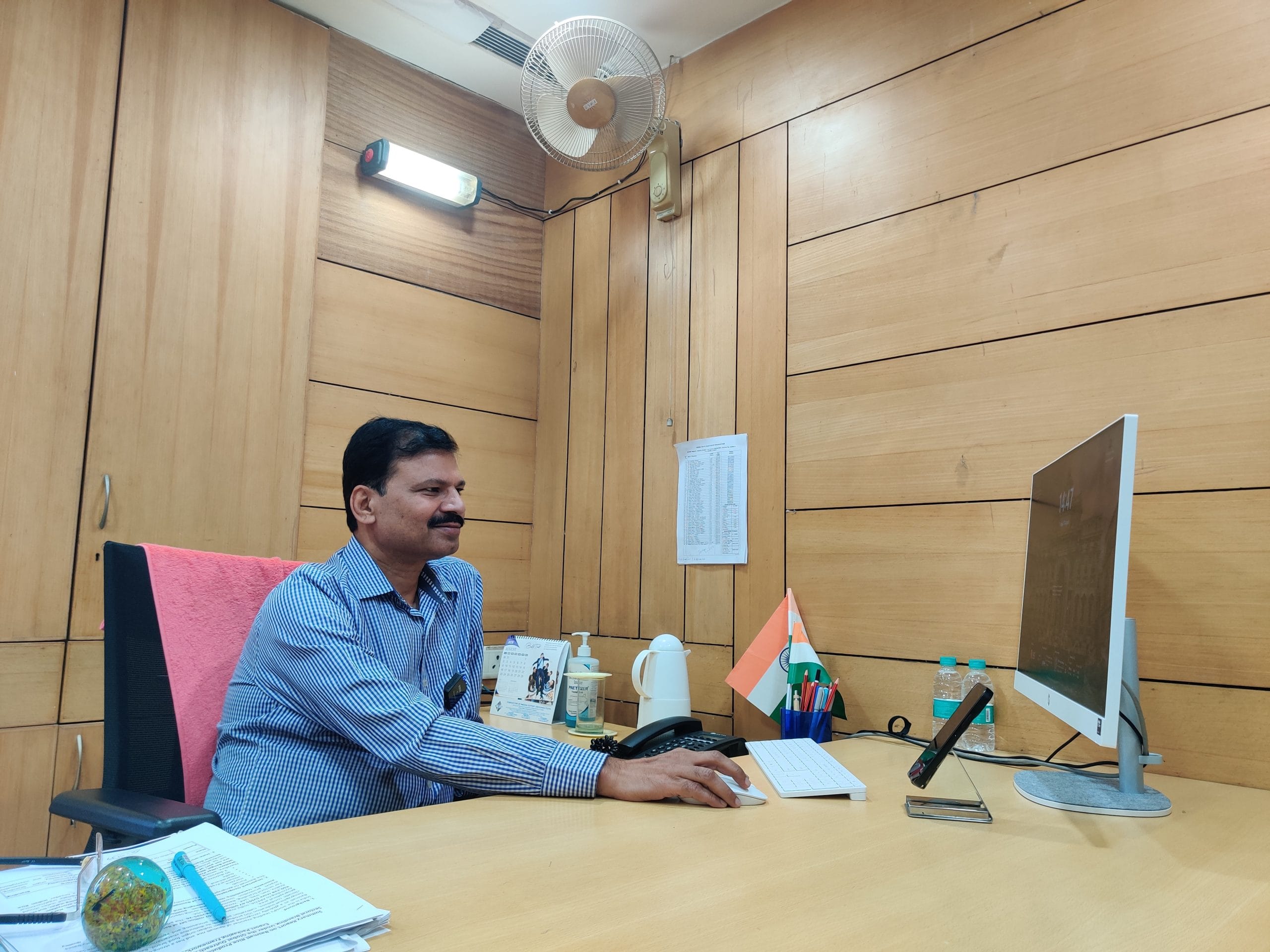
Kumar has not made peace with the problems that riddle Dwarka. He is now on a quest to solve them. From serving as the president of his housing society in Sector 3, he has now become the president of the Dwarka Forum.
“Dwarka needs a nodal agency which can properly guide residents about where to go for which problem. At present, we are only sent from one office to another for any civic issue”, Kumar said.
Access to markets
Sixty-year-old Sudha, who moved to Dwarka in 2002, said little has changed in the last 25 years when it comes to the residents’ access to several everyday needs. While housing development expanded rapidly, civic and commercial infrastructure struggled to keep pace.
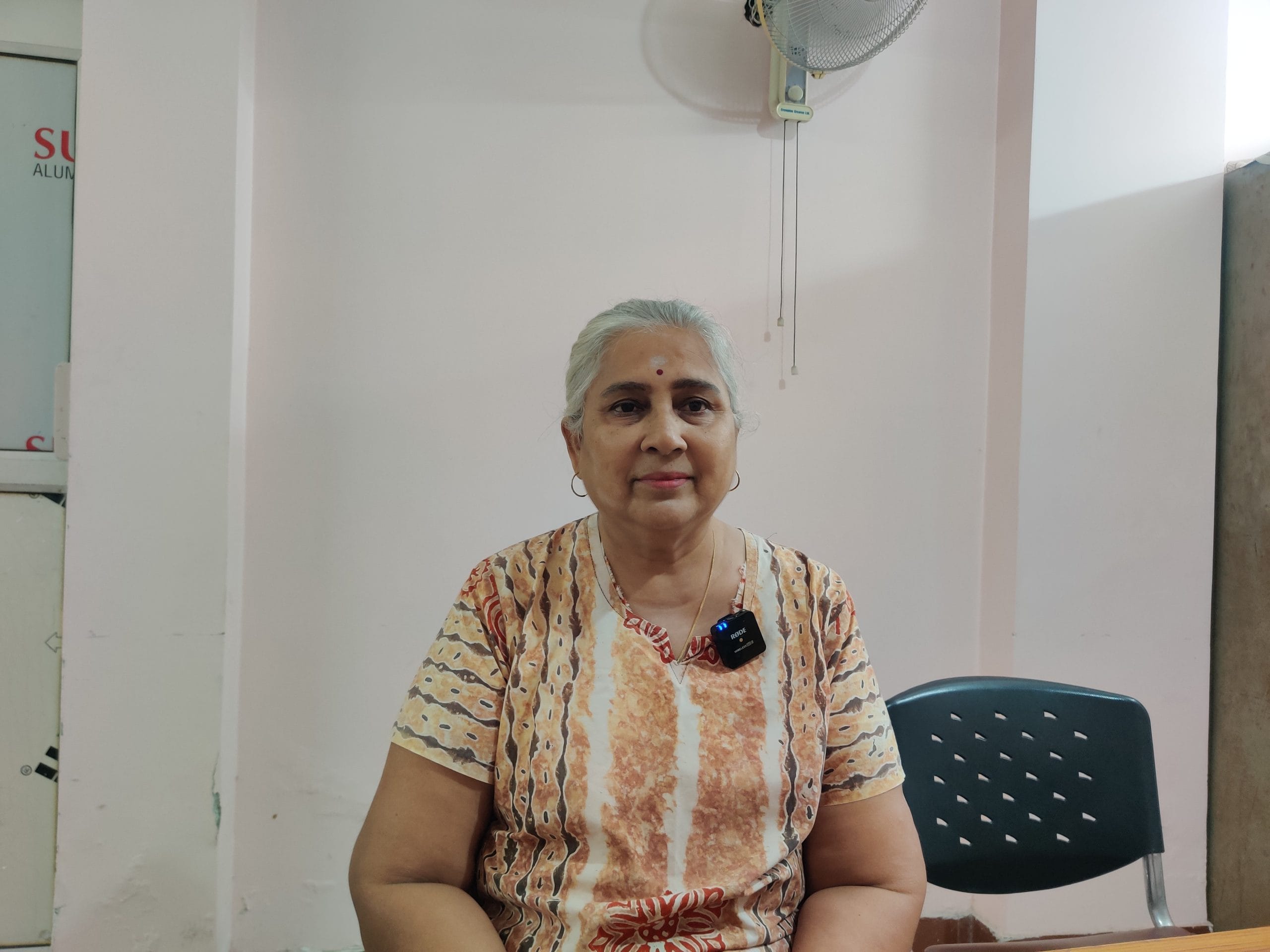
“We received our housing allotment in the early 2000s. I remember frequenting Janakpuri, where I used to live earlier, to buy my monthly groceries. If I needed something for the house, I had to take out my car and travel to another area. Even after all these years, I have to do the same,” said Sudha.
Many residential pockets still lack grocery shops, farmers’ markets, pharmacies and entertainment options in close proximity. Residents are compelled to travel to Palam or other sectors for everything from vegetables, fruit, groceries to household essentials.
“Commercial development does not always happen in tandem with residential development. It evolves with the population, the changing needs of residents and the demand created as more people move in. That is exactly the trajectory Dwarka has followed,” said Jain.
The Dwarka dream
Dwarka was conceived very differently from the neighbourhood it has become today. The DDA planned it as a self-contained sub-city for about 10 lakh people, spread over 5,648 hectares and 29 sectors, with housing at its core but also dedicated space for commercial and government establishments, public and semi-public facilities, recreation and transport.
Nearly 20 per cent of the planned area was earmarked for recreation so that Dwarka could function as a complete urban unit rather than just a housing extension of Delhi.
One of the primary reasons residents chose Dwarka over Narela or Rohini was its connectivity — to the airport, Gurugram and parts of central Delhi — which improved rapidly with the Delhi Metro.
Dwarka continues to remain the first choice for many, when it comes to choosing among Delhi’s planned sub-cities.
Rohini, which was developed before Dwarka, is largely a residential township catering to different income groups. Meanwhile, Narela’s development has progressed much more slowly. DDA launched multiple low-income housing projects in Narela but it has struggled to find buyers despite offering discounts. The lack of public transport remains Narela’s biggest problem, with the nearest metro station, Samaypur Badli, being roughly 15 km away from the residential colonies.
Dwarka, on the contrary, is emerging as an institutional gateway to Delhi. Several government offices, educational institutions, and sports facilities are shaping its identity beyond that of a residential township.
The clearest symbol of that transformation is Yashobhoomi, a convention and exhibition centre, that has propelled Dwarka to a destination which can host large conferences, expos, business events and international gatherings. The surrounding area is also being developed as a larger hospitality district. Dwarka has several sports complexes in sectors 17 and 19, and a host of new sports projects are in the pipeline.
“Dwarka is still developing, and many developments take time to materialise. If Delhi itself is still undergoing new development projects and changes, Dwarka should also be given more time to mature, especially since it was developed much later,” said the former DDA planning official.
There are other signs of Dwarka’s changing profile. In January, Delhi Chief Minister Rekha Gupta approved a budget of Rs 212.91 crore for the construction of a ‘District Mini Secretariat’ in Dwarka’s Sector 10.
“There are several projects in the pipeline for Dwarka, with MoUs being signed for their development. Hotels and hospitals will be an important part of these projects and will help make Dwarka more self-sufficient,” said Manju Paul, Commissioner (Planning), DDA.
Future of Dwarka
S.K. Malik had imagined his retirement life long before he actually retired. His dream was not to return to his ancestral home in south Delhi’s Sangam Vihar, settle in his hometown in Haryana, or move to the mountains. Instead, he wanted something that felt modern yet peaceful—a home in a gated society in Dwarka.
Malik moved with his family to Sector 6 in 2011 — a year after the Delhi Metro arrived in the area and eased commuting.
“If you can’t afford a house in central or south Delhi, Dwarka becomes one of the best options for a middle-class family. You can own a home in a gated society with security and basic facilities while still enjoying a relatively peaceful environment,” said 72-year-old Malik, a retired engineer.
Over the years, Dwarka grew around him, with new residential colonies, schools, hospitals, and other commercial buildings springing up wherever they found empty plots of land. But the things that attracted Malik and many others to Dwarka — wider roads, open spaces, less congestion, less pollution, and a slow-paced life away from the city’s hustle — have faded with time.
The wider roads in front of his apartment have been narrowed by parked cars, blaring car horns have become ambient noise, and the green open spaces have become a memory he goes back to in his phone’s photo gallery.
On his phone, Malik navigates to a specific album saved as “Dwarka” and shows the pictures he has been capturing since 2011. The photographs are telling of Dwarka’s transformation —from birds’ nests on trees to their gradual disappearance, wide roads that are now dotted with potholes, and water tankers entering and exiting his society.
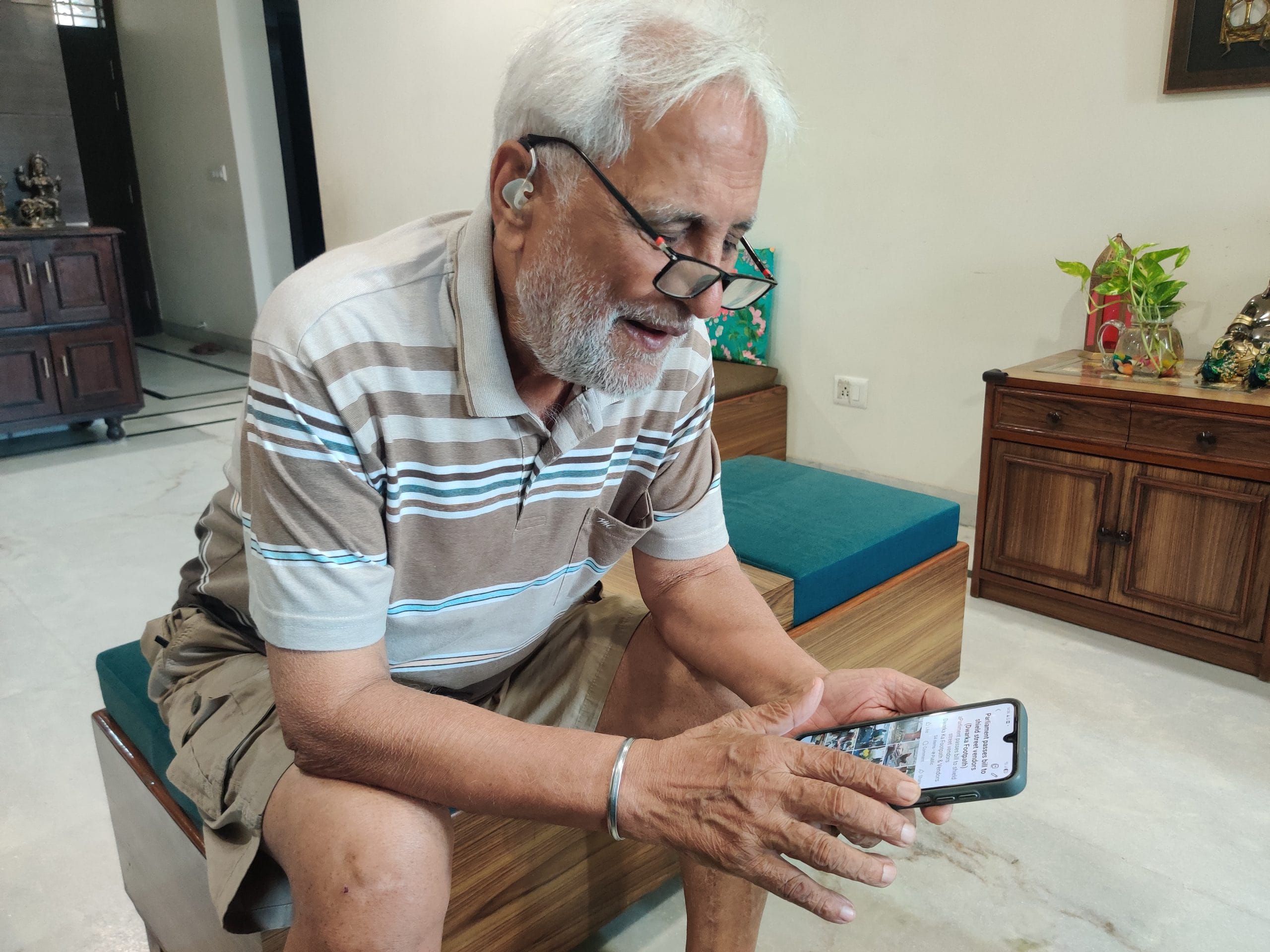
“Dwarka was a well-planned city but the neglect by authorities is now damaging its strength and beauty,” said Malik.
The residents’ struggles raise questions about the vision outlined for Dwarka in the Delhi Master Plan 2047, prepared by DDA, and unveiled by Delhi’s Lieutenant Governor Taranjit Singh Sandhu and CM Gupta on August 20. The plan focuses on mixed-use development in Dwarka, better connectivity around metro stations and the use of vacant land for new projects. There are plans for developing Narela as an educational hub and redevelopment in Rohini as well.
“Dwarka does not need more construction or new development at this stage. What we need is for the authorities to first strengthen and properly manage the infrastructure we already have. The population is growing but our basic facilities are not keeping pace with it. Unless the existing problems are addressed, more development will only put greater pressure on the sub-city and its residents,” said Sudha.
(Edited by Aakriti Handa)