



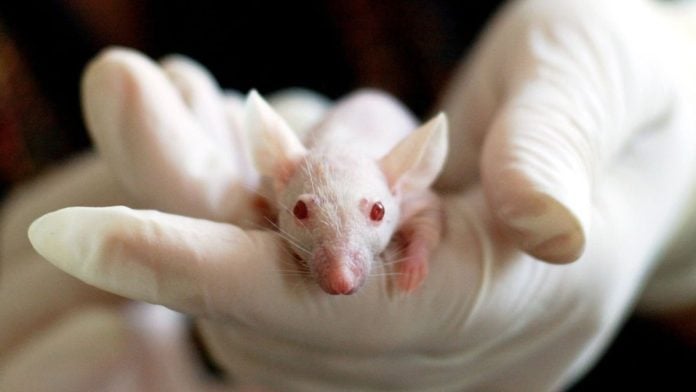
New Delhi: A new joint white paper by stakeholders in the healthcare sector calls for the Indian government to phase out animal testing and focus on ‘human-relevant methods’. Called new approach methodologies or NAM, these include human cell-based models, organoids, organ-on-chip systems, bio-printed tissues, and AI or computer-based models. They can make drug safety studies more accurate while also helping avoid animal suffering.
The white paper was released Wednesday by Humane World for Animals India and the Confederation of Indian Industry (CII) at CII’s Global Summit on Industrial R&D and Competitiveness. Titled ‘New Approach Methodologies as an Emerging Sunrise R&D Sector for India’, the paper calls for a national strategy to accelerate the development, manufacturing and adoption of NAMs.
Countries around the world are shifting toward these new technologies. The report warns that India risks becoming primarily a consumer of technologies developed elsewhere rather than a developer, manufacturer, and supplier.
NAMs are a potential “sunrise sector” for India, as early investment could help the country build a competitive advantage in a rapidly growing market. The paper highlights that only 10 to 14 per cent of drugs entering Phase I human trials ultimately receive approval, which reveals the limitations of animal-based models.
‘Bringing labs to the patient’
According to Dr Surat Parvatam, senior programme director of research and toxicology for Humane World for Animals India, NAMs can bring the laboratory closer to the patient, at an affordable cost, and with more precision.
“When medicine is tested on models built on human biology, we can learn sooner and with more confidence how it will work in people. India has the scientists, the start-ups and the manufacturing strength to lead this shift, and the choices we make in the next few years will decide whether we set the standards or simply follow them,” he said.
The white paper identifies five immediate priorities for India:
- Create a National Center for Human Relevant Research to coordinate efforts across ministries, regulatory bodies, and research agencies
- Increase dedicated investment to develop, validate, and commercialise NAMs
- Build an indigenous supply chain for key reagents, equipment, and other inputs
- Engage regulators and industry early to support validation, regulatory acceptance, and adoption of NAMs
- Invest in skills and awareness to develop the scientific and technical workforce needed for a growing NAMs sector
The paper stated that India currently has more than 60 labs, companies and startups developing NAMs. The Indian Council of Medical Research (ICMR) has supported 109 NAM research projects, including organ-on-chip, 3D tissue models, and computer-based approaches.
“A coordinated national effort can accelerate drug development, improve patient relevance, strengthen regulatory science, reduce dependence on imported technologies and create new high-value biotechnology and deep-tech opportunities,” the paper stated.
Also read: The world took a wellness break—and India made the top 10