





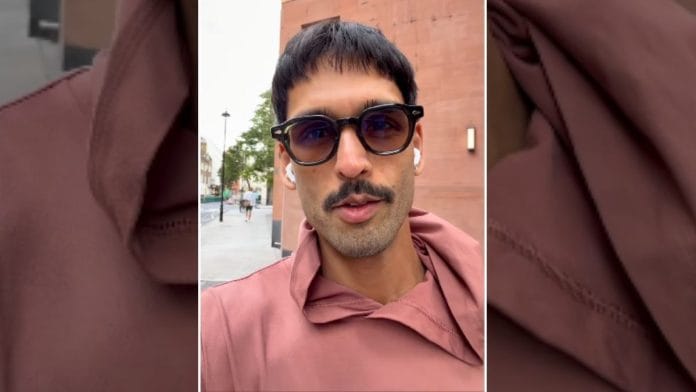


New Delhi: Vijay Mallya’s son and actor Siddharth Mallya celebrated eight years of total sobriety and living alcohol-free. The 39-year-old chose to quit drinking “to manage severe anxiety and prioritise his mental health”, frequently using his platform to advocate for emotional well-being.
On Thursday, he posted a short video on Instagram, with the caption, “8 years since I stopped drinking. Remember if there is anything you want to change in your life, you have the power to do it. You just have to want it bad enough.”
In the video, Mallya shared a powerful message, emphasising personal empowerment, accountability, and the importance of prioritising mental health over external opinions.
“For those of you who don’t know my story, I wasn’t an alcoholic or anything like that. I just had OCD, so whether I had one drink or 10 drinks a night, the anxiety levels the next day were way off the scale,” he said in the video, adding that the cost of drinking was taking away all the positives.
“So, I quit. A lot of people have reached out to me over the past eight years, saying that they have been very inspired by my story. But there were people who told me that they wish they could stop. For them, if you want anything bad enough, trust me, you will figure out a way to do it, and you have the strength to make whatever changes you want,” Mallya added.
The actor said that making any life changes isn’t easy, and he ain’t a superhero.
Also read: Prateek Kuhad to make acting debut. Film is set in Delhi’s indie music scene
‘As consumption increases, symptoms also intensify’
According to a study, alcohol can cause episodes of intense depression or severe anxiety.
“Depressed or anxious alcohol-dependent people often believe that they drink to relieve symptoms of sadness or nervousness. However, research does not unanimously support the prior existence of severe depressive or anxiety disorders as a usual cause of alcoholism,” states the study.
Motivated by the belief that alcohol provides temporary relief from profound sadness, nervous tension, or emotional distress, many individuals turn to drinking as a form of coping mechanism to alleviate these overwhelming symptoms.
However, scientific evidence indicates that while alcohol may offer a transient, immediate numbing effect, its chemical influence on the brain ultimately disrupts neurotransmitter balance, frequently exacerbating the underlying mood and anxiety disorders in the long term.
Alcohol affects the brain in many ways and causes feelings of sadness (depression) during intoxication that evolve into feelings of nervousness (anxiety) during hangover, the study states, adding, “The greater the amounts of alcohol consumed and the more regular the intake, the more likely a person will be to develop temporary anxiety and depressive symptoms. As consumption increases even more, these symptoms also are likely to intensify.”