



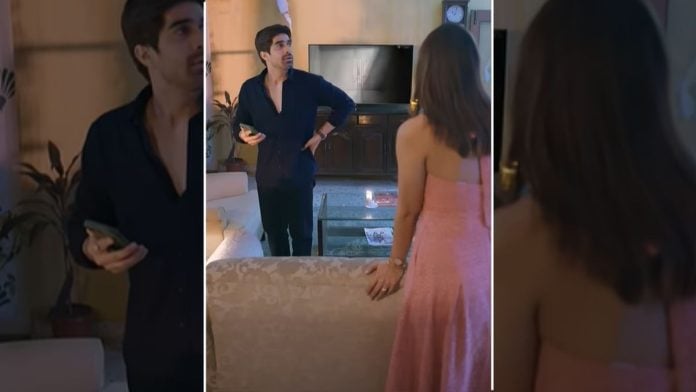
A cement company has found a way to put itself inside a love story without making it about cement in a clever, new-age marketing campaign.
JK Super Cement has partnered with JUJU Films to produce a 53-episode vertical micro-drama called Tera Ghar Mera Ghar. The show streams on the ZEE5 Bullet Micro Drama App and is also available on ShareChat and Moj. The company is calling it a first-of-its-kind initiative for the Indian cement and building materials category.
The show follows the life of Aman and Asha, who live in Kanpur and get an opportunity to build their own home ahead of welcoming their first child. During the ninth month of pregnancy, they face construction challenges, financial woes, family drama, relationship tensions and the everyday chaos that comes handy when anyone builds their home.
Now, most brand-television relationships work in a familiar template. Take a show, add a sponsor, insert the sponsor’s product at intervals. It also means that the show would exist with or without the brand, and absolutely any brand can become the sponsor. In such a situation, the brand is just a passenger. But Tera Ghar Mera Ghar isn’t the same.
Also read: Vikram, Betaal and a used car—Cars24 turns an old folk tale into an ad
Brand inside the story
The entire show is the act of building a home, which means the category JK Super Cement sells in is structurally identical to the show’s subject matter. You can’t tell this story without construction being in the backdrop of every scene.
With this, JK Cement also attempts to ride the vertical microdrama wave, which has become one of the fastest-growing content formats in India.
On ShareChat and Moj alone, microdramas generate more than 500 million daily episodic views, with audiences following storylines across multiple episodes.
Other brands have dipped a toe into this pool before. AJIO, for instance, ran a six-episode series with 180-second episodes as part of its advertising campaign around Valentine’s Week.
What makes this a new chapter in the marketing and advertising world is the collapse of distance between brand and narrative. So, product placement and sponsorship get the audience to notice a brand inside someone else’s story, but Tera Ghar Mera Ghar asks you to simply watch a couple build a life. And the fact that JK Super Cement made that possible gets woven into the story instead of being an interruption. It basically becomes the premise.
(Edited by Saptak Datta)