



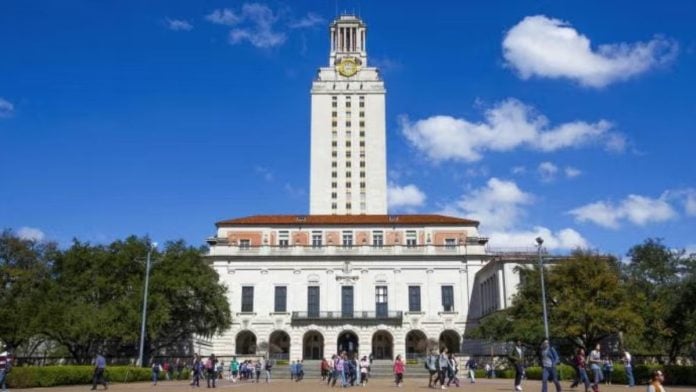
New Delhi: Universities in Texas have dropped hundreds of courses from their curricula in the last two years after pressure from political outfits, The Hill reported. Affected subjects include those related to gender, environment, and LGBTQ issues.
While Texas A&M University has removed 350 core listings from across its system, the University of Austin has dropped 113 subjects, and the University of Houston has removed 133 classes from its core curriculum.
Most Republican states have witnessed such changes to the public education system, but the process has accelerated in Texas, claims The Hill. This is because the state’s Republican Governor, Greg Abbott, has the power to appoint all members of the Texas Higher Education Coordinating Board–a body that oversees all public universities in the state.
Also read: MF Husain wanted to be ‘free’ when India was. His art took him from cinema hoardings to exile
Worries for students’ future
University course offerings have also been affected severely by the SB37 law passed last year, which required public universities to re-examine their curricula such that their core classes cover concepts deemed “foundational and fundamental” to entering the workforce and civic life.
Students are required to enroll in a certain number of core courses in order to graduate. Political pressure surrounding subjects that typically focus on issues such as race and gender has pushed them out of the list of mandatory offerings. This gives rise to the possibility of lower student interest in these courses.
Professors worry about what this could mean for students. They could be missing out on subjects relevant to their future careers and public life, and it could push students to private colleges, which face less political pressure.
Dr. Leonard Bright, a professor at Texas A&M University, also expressed concern about the intellectual implications of this shift on student minds.
“That is what higher education is, challenging students with a range of viewpoints. I mean, I would be more concerned if one viewpoint was being discussed. When there are other viewpoints there, they should learn. That is where we should be concerned,” he told NBC DFW.
(Edited by Ratan Priya)