



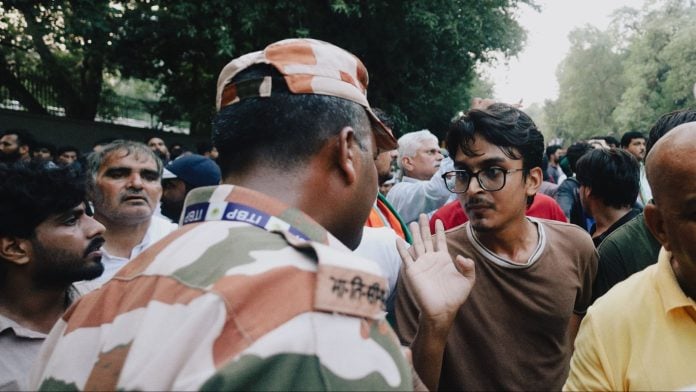
New Delhi: For two days, road closures, barricades, shut metro stations and police detentions had kept many students from joining the protests against CEC Gyanesh Kumar in Delhi. On Monday, Congress leader Rahul Gandhi’s call for a “Chalo Delhi, March for Democracy” gave them another chance. As Congress workers and INDIA bloc leaders, including Samajwadi Party chief Akhilesh Yadav and RJD leader Tejashwi Yadav, marched towards the Supreme Court, students from different universities joined the crowds.
“When Rahul Gandhi said that it is for all the citizens, we decided to be at the protest,” said Shireen, a university student in Delhi who joined the march at Barakhamba Road.
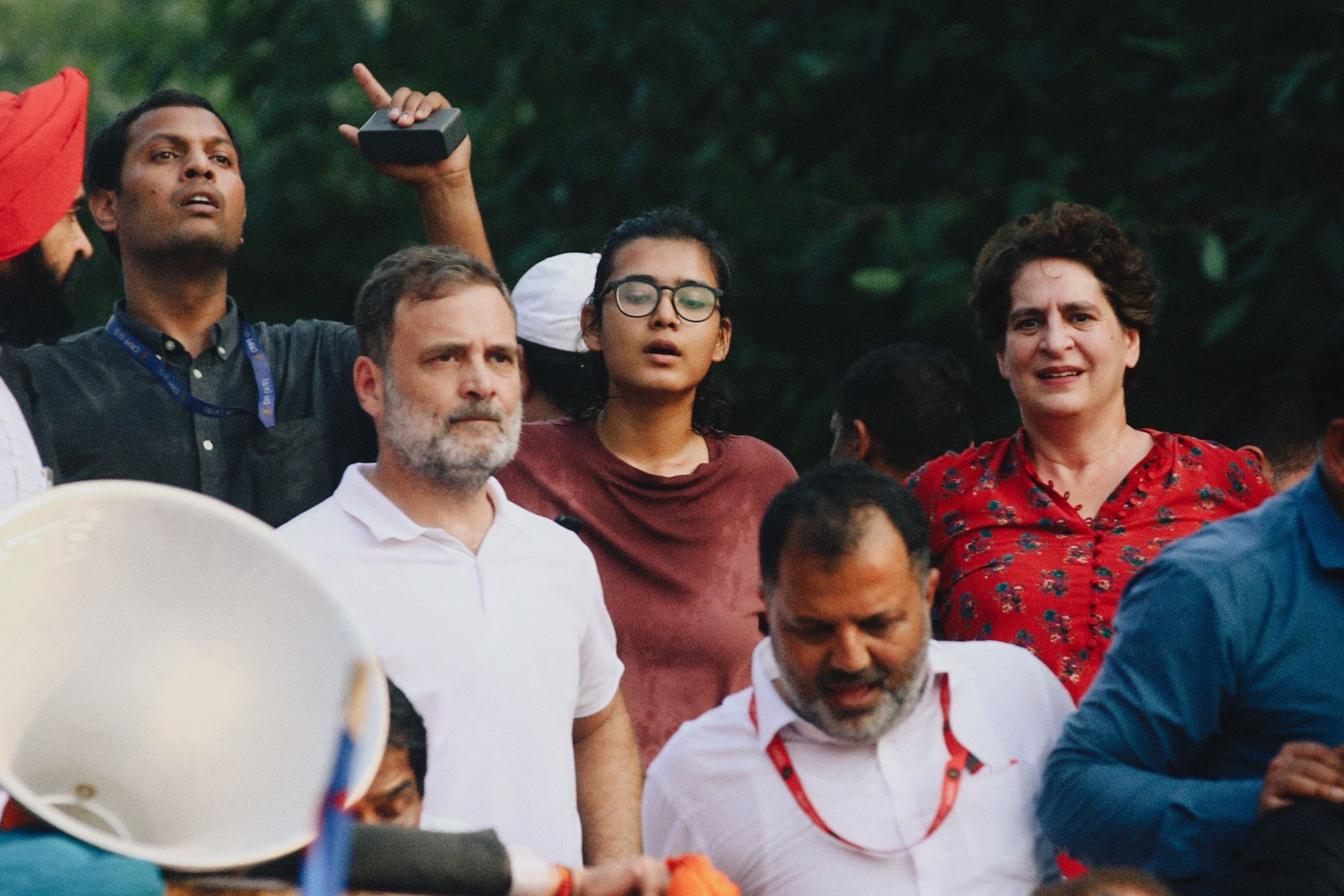
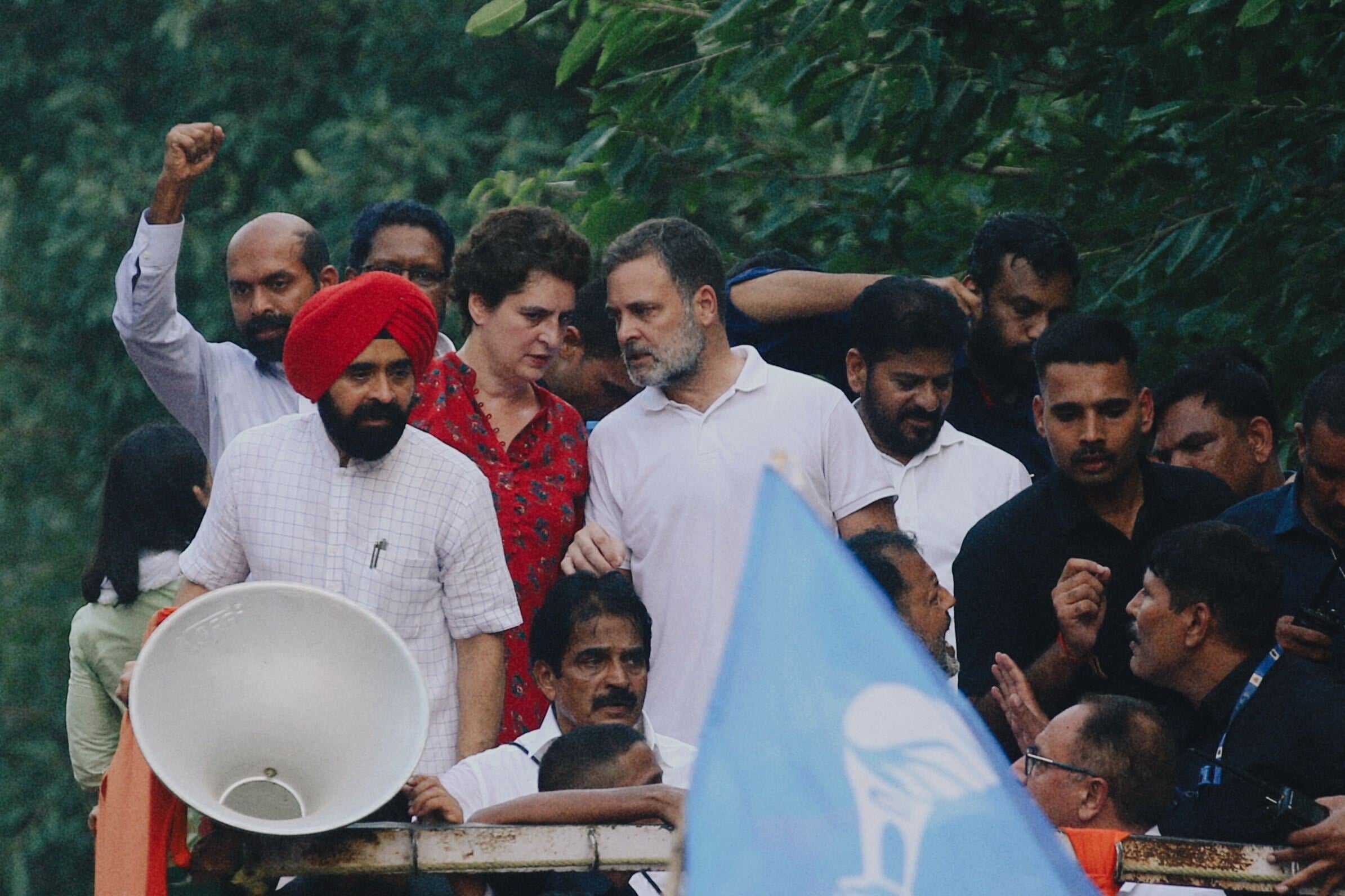
The 20-year-olds followed a bus carrying MPs, including Rahul Gandhi and Priyanka Gandhi Vadra, as well as All India Students’ Association (AISA) leader Neha Bora. The group had also tried to join the protests at Connaught Place on Sunday and managed to avoid detention.
“We were hoping because Congress is holding this protest, the crackdown will be a little bit less and maybe a little bit more legal. The police haven’t been listening to any of the Supreme Court’s orders,” said Pakhi, a design student from Delhi.
Hide their identities
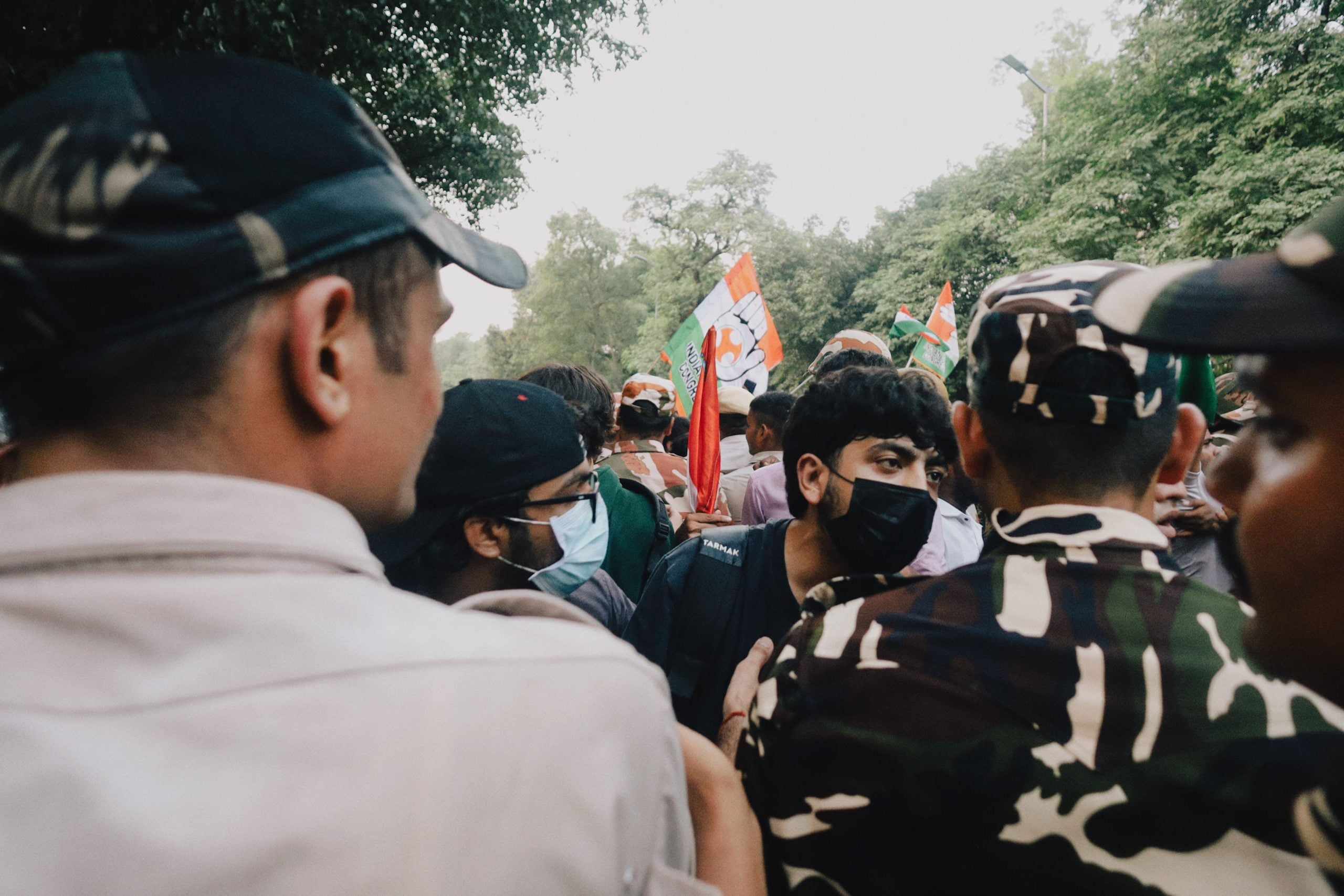
Students from different universities arrived at the protest with their faces covered, using masks and, in some cases, make-up to conceal their identities while showing solidarity with the cause.
“We are talking about a point in a nation where you cannot do anything else except raise your voice. You have to step out,” said Shireen.
Several other students wearing masks or using make-up walked behind the bus alongside Shireen’s group.
Students from Delhi University told ThePrint that the police measures had prevented them from joining the protests over the weekend.
On Monday, protesters filled the streets from Barakhamba Road to Bhagwan Das Road, after two days in which demonstrators had faced repeated detentions.
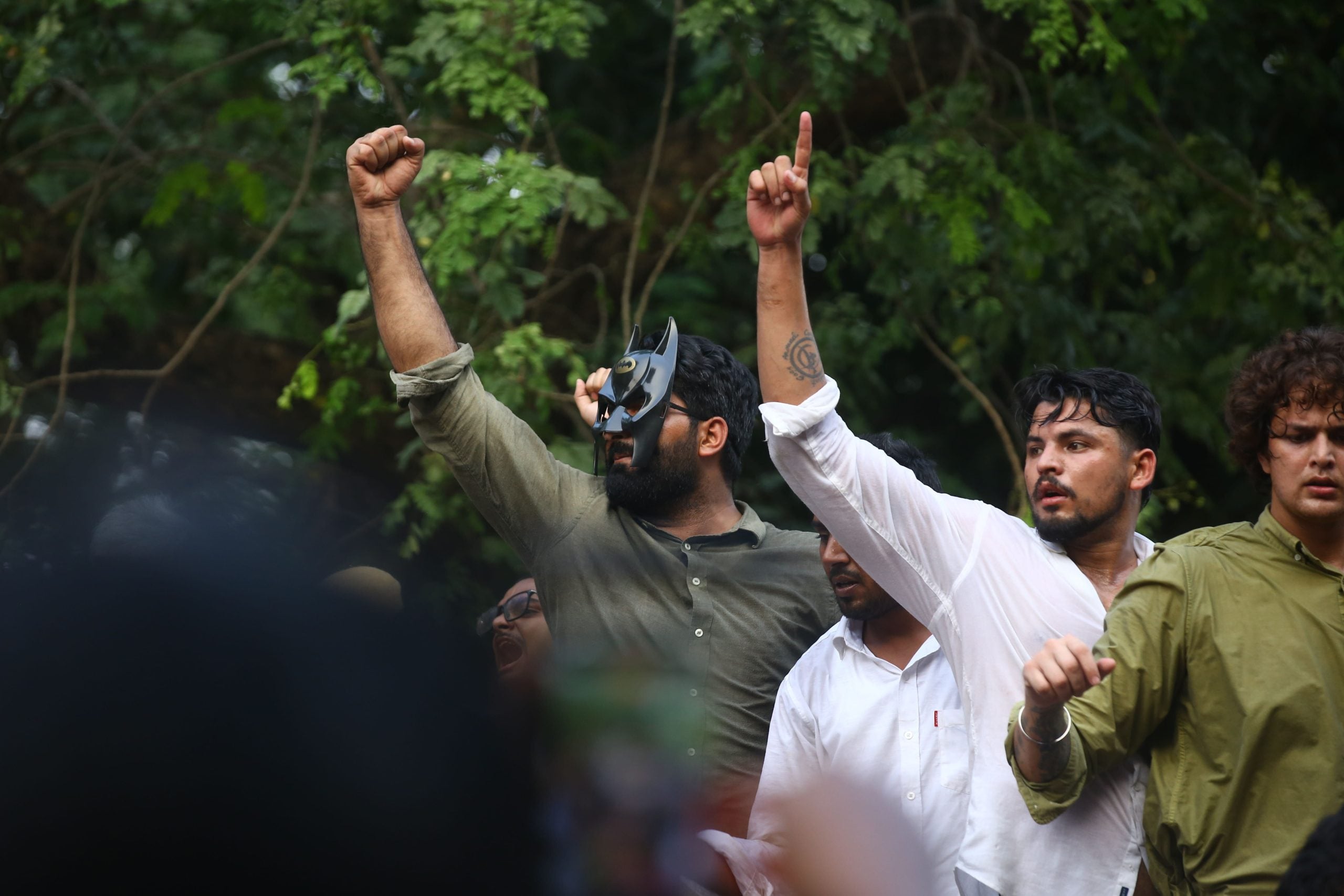
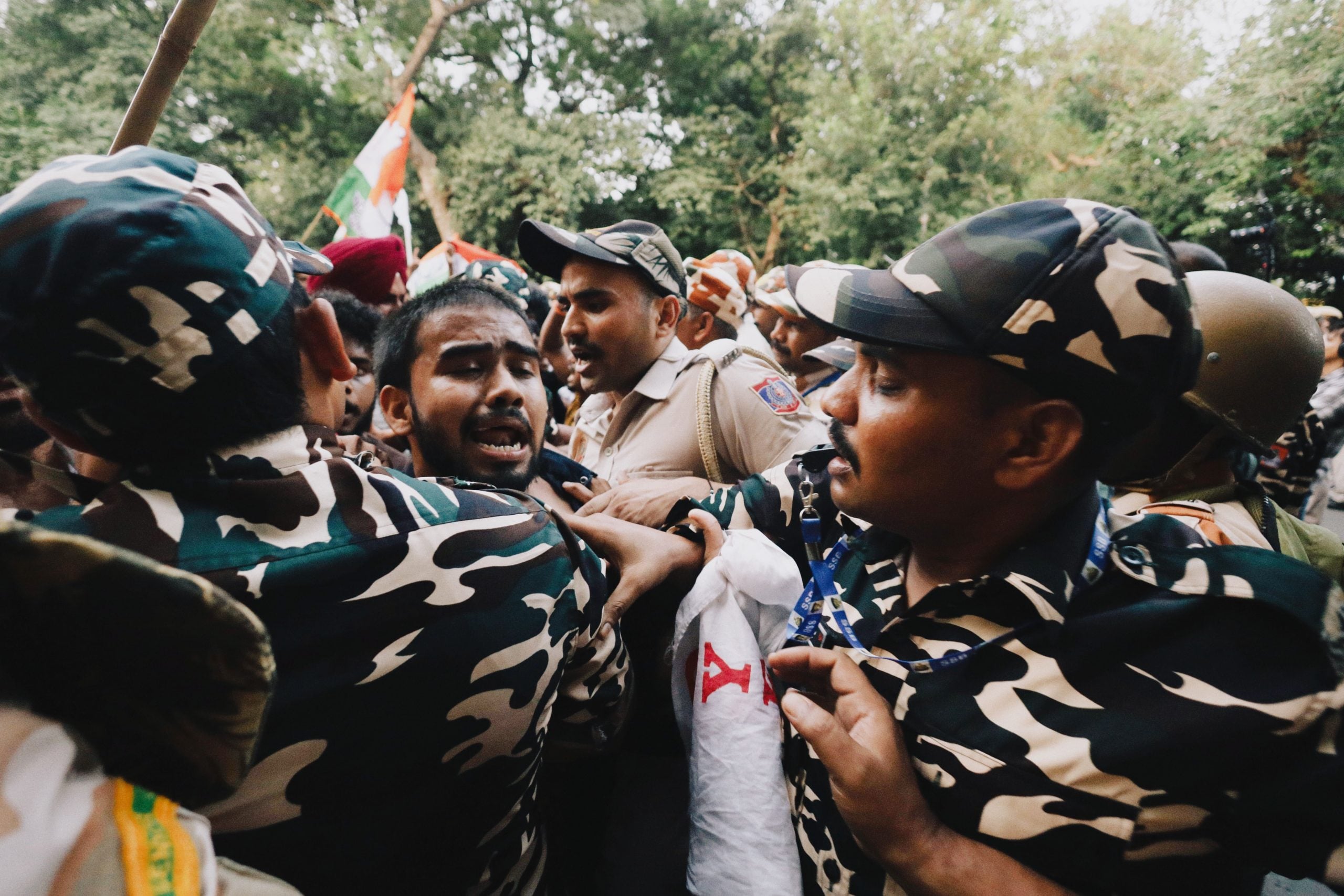
“There was less chance of us getting detained this time,” said Anna, 20. For these young protesters, the Congress-led march offered a safety net against possible police detention.
“We form the majority of the population. It is our duty to step out and stand together,” she added.
Some students stood alongside Congress workers at the forefront of clashes with the Delhi Police, the Central Reserve Police Force (CRPF) and the Indo-Tibetan Border Police (ITBP).
Richagya, Hamza and their friends have been participating in the protests since 2 October. They have been detained several times.
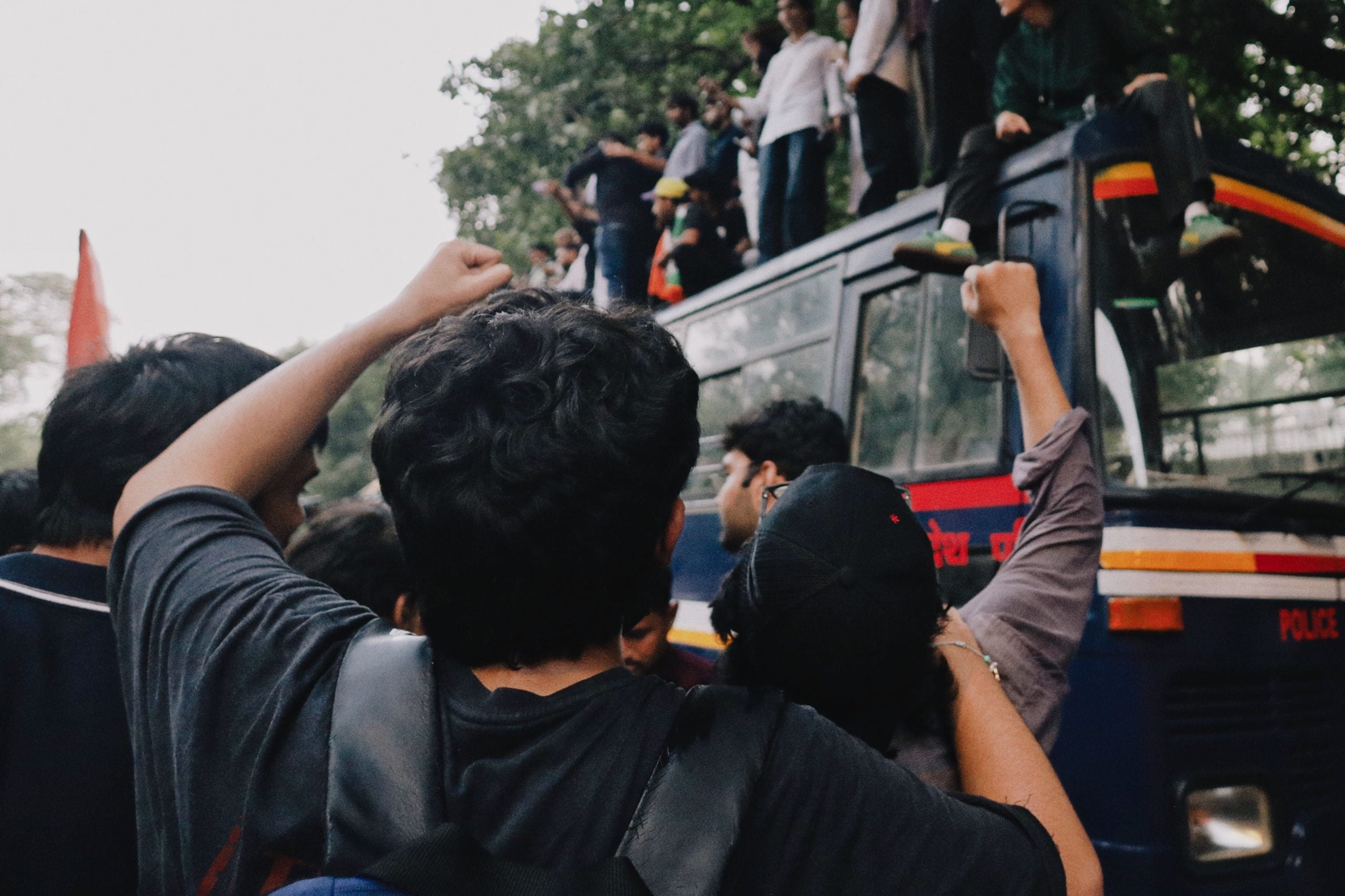
“We would get detained, jump off the bus,” said Richagya, who has been detained three times since the protests began in Delhi. Like other detainees, he was taken away on a bus and dropped off at an unknown location at night.
On Monday, the group darted from one spot to another, climbing aboard buses and marching alongside the crowds.
“When public institutions are under question, how can we expect a fair trial or a fair system? Before our own eyes, we are watching our institutions, our democracy and the dream we had for India being challenged. There is anger among people, there is fear. And when you question the government and demand accountability, you are the one being questioned,” said Richagya, 21.

Personal stakes
While some students came out to demand accountability from the government, others joined the protest over a more immediate fear — the possibility of their names being struck off the electoral rolls during the Special Intensive Revision (SIR).
Moiz Kareem Baksh came to the protest with his family after they were informed of discrepancies in their names on the electoral rolls.
Standing at a corner, he recorded everything on his phone and occasionally shouted the slogan “SIR hatao” (remove SIR).
“My family and I do not know what will happen in the future. But if our names are deleted, how would we vote? How can we choose our government?” he asked.
Baksh, a CA student from Inderlok, stayed on after his family left, saying he felt it was his responsibility to remain at the protest with others.
“We are aware of our rights,” he said.
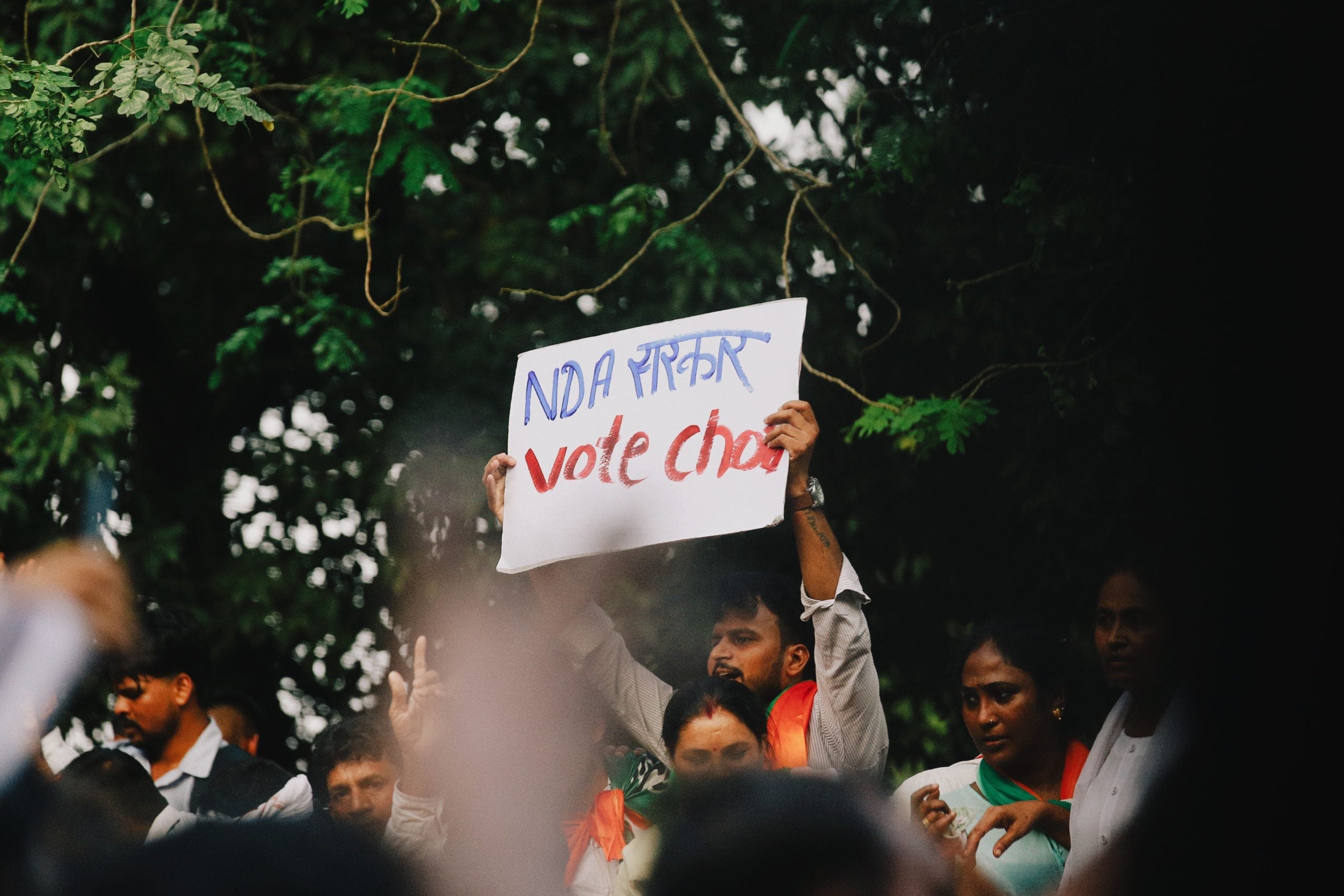
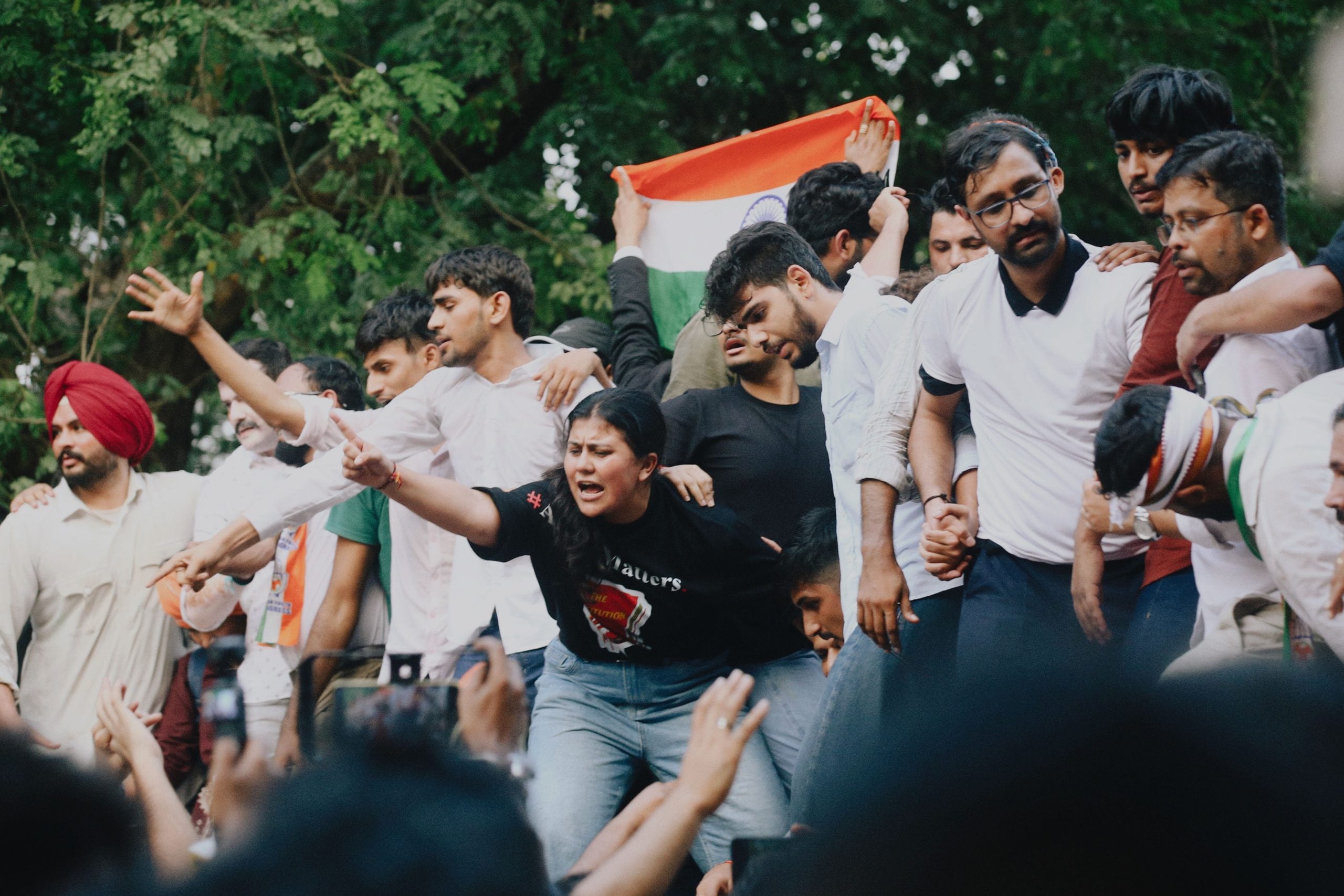
The 20-year-old also questioned why Chief Election Commissioner Gyanesh Kumar had held a press conference. For Baksh and others at the protest, the demand to scrap the SIR stemmed from their own experiences with the process.
“When the SIR process was happening in Bihar, I was actively involved and in touch with the BLO who was carrying it out in our constituency. My younger sister turned 19 this year, and we tried to get her a voter ID card. It was so difficult that, at one point, we started wondering whether her name would even appear on the electoral roll,” said Richa, 24.
Her experience was one of the reasons she decided to attend the protest.
Other young protesters also called for the SIR to be scrapped. Anna told ThePrint that the resignation of an individual official would not address their concerns.
“The whole process is the issue, right? So, the focus should first be on scrapping the SIR rather than making one person the centre of everything,” she said.
(Edited by Prashant Dixit)