



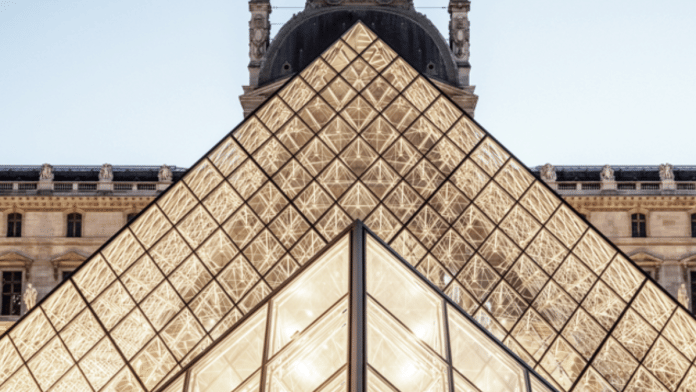
New Delhi: The streets of Paris turned into a massive protest site on October 19, as did the iconic glass pyramid of the Louvre, the world’s most visited museum, on 19 October. Protesters blocked the museum’s entrances, preventing it from opening at its scheduled time.
“We are proud to announce that we are blocking the world’s largest museum,” a leaflet displayed outside the museum read. It captured the protesters’ decision to use a globally recognised landmark to draw attention to their demands.
Students from the École du Louvre, an institution specialising in art history and cultural heritage, led this protest.
The blockade came after a weekend of unrest across France, where demonstrations over education, public services and the rising cost of living had escalated into violence in several cities.
The Louvre’s management said the protest was not directly related to the museum, which was being used as “a chamber of echo” for a wider movement, reported the Agence France-Presse (AFP).
What led to the Louvre protest
The demonstrations began last month, with high-school students raising concerns about conditions in secondary schools. Over time, the protests expanded to include grievances about inflation, purchasing power and the quality of public services.
Saturday’s nationwide demonstrations brought these concerns together. The marches initially called for greater public spending to repair deteriorating schools, improve education standards and address the rising cost of living. The day also saw clashes, looting, fires and damage to public and private property.
More than 2,330 people had been taken into police custody over the weekend, Justice Minister Gérald Darmanin said on Monday. The violence has complicated the protesters’ demands, bringing questions about public order and policing to the centre of the debate.
President Emmanuel Macron has since ordered a security review as interior minister Laurent Nuñez admitted that the police “had lost control” during the weekend’s unrest.
Macron, in a televised address on Sunday, blamed far-left extremists and delinquents for what he called “unbridled violence”.
The Louvre blockade specifically highlighted solidarity with students and opposition to what protesters described as “police repression”.
The French government has been facing mounting criticism over public spending, living costs and the state of public services. The latest protest exposes the difficulty of responding to genuine social grievances while dealing with violence and damage during demonstrations.
The unrest has had a significant economic impact. More than 2,000 shops were expected to be affected by the weekend’s violence, with losses estimated at hundreds of millions of euros, according to Alain Di Crescenzo, head of the country’s network of chambers of commerce and industry.
(Edited by Insha Jalil Waziri)