



New Delhi: Drug-resistant Salmonella could soon turn into a major threat in China’s food chain by 2050, a new study has found. Researchers blamed the overuse of antibiotics, population growth, and urbanisation for the rise in antimicrobial resistance.
The study, published in Nature Communications on 20 October, was conducted by researchers at King’s College London and the Chinese Centre for Disease Control and Prevention. They collected genetic data from drug-resistant Salmonella across China to then identify which types of antimicrobial resistance are most likely to spread in the coming decades.
Over the past 16 years, the researchers examined 2,536 genetic sequences of Salmonella that had already grown resistant to several drugs. The samples had been collected from people, livestock, meat, and farming ecosystems, including from factory workers involved in processing food.
“For example, if a particular resistance gene is strongly associated with antimicrobial use, we can start to think about interventions that perhaps change how that antimicrobial is used,” said senior author Tania Dottorini, professor of AI for Science at King’s College London, in a university statement.
Not all resistance genes within the same antibiotic class are expected to increase over time, either.
“Knowing which specific genes are likely to increase, and what is driving those increases, allows us to move beyond broad interventions at the antibiotic-class level towards more targeted strategies focused on the resistance determinants that pose the greatest future risk,” Dottorini added.
The rise of AMR
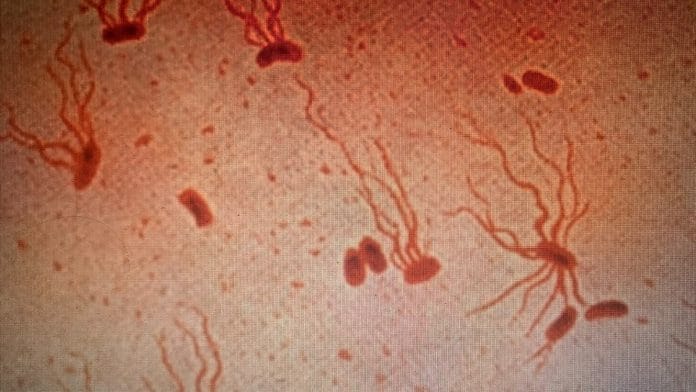
Salmonella is a group of bacteria that can spread through contaminated food, water, and environments. It causes gastroenteritis, an inflammation of the stomach, which can eventually lead to diarrhoea, cramps, fever, and vomiting. According to the World Health Organisation, Salmonella causes nearly 98.3 million cases of gastroenteritis and 155,000 deaths worldwide every year.
When researchers probed into the genetic data of the bacteria, they found over 400 traits that allowed the class to survive medicines that would normally kill them. Half of these traits were classified as “highly dangerous” because they were linked to human infections.
Some of these genes were associated with resistance to antibiotics such as colistin, cephalosporins, beta-lactams, and carbapenems, considered critical for treating serious infections.
What makes the findings particularly important is that China is one of the world’s largest producers and consumers of meat. The impact of Salmonella and its spread in the country could affect food safety across the world.
“In this study, we added the surveillance data from the strains carried by the food-processing workers, the group which was less noticed previously. Our earlier work found they can act as hidden reservoirs for antimicrobial-resistant Salmonella. This study shows that food workers carry a disproportionate burden of these traits, including resistance to last-resort antibiotics, underscoring the need to include occupational groups in AMR prevention,” senior author Biao Kan, a professor at the Chinese Center for Disease Control and Prevention, said in a statement.
(Edited by Prasanna Bachchhav)
Also read: Disease outbreak makes monkeys wary of contaminated food, finds study