


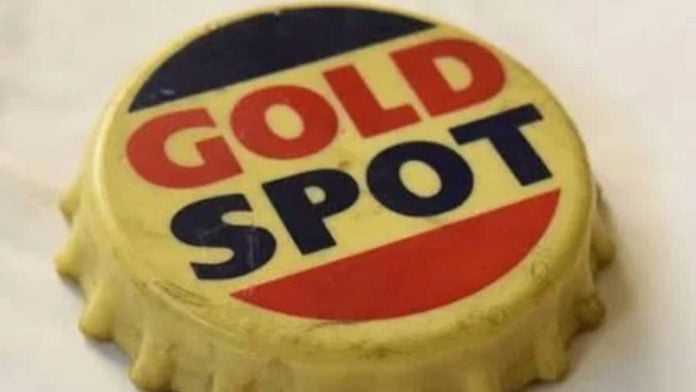
New Delhi: Coca-Cola’s orange fizzy drink, Gold Spot, has been re-released after a hiatus of 26 years. The drink will launch in a low-sugar or no-sugar format, in line with growing consumer demand for healthier beverage options.
“Gold Spot is returning as a low-sugar, no-sugar drink, so it won’t cannibalise Fanta. It is expected to be on shelves starting next week,” one of the executives aware of the developments told Economic Times.
Reports indicate that the drink will hit the shelves as early as 23 November.
‘The Zing thing’
Gold Spot was an artificially orange-flavoured carbonated soft drink created by Parle Products and introduced in 1952. It took its name from the company’s successful Parle Gold Star peppermint product. The drink was bright orange with a sweet, tangy taste that finished with a distinctive tingle, and was a popular hit with children and later with young adults.
Memorable advertising helped cement its place in popular culture. Early campaigns featured the line “Livva Little Hot, Sippa Gold Spot.”
In the mid-1980s, the brand was repositioned for a youth audience with the iconic “The Zing Thing” campaign with energetic, stylish ads.
After Coca-Cola exited India in 1977, Parle’s portfolio (including Gold Spot, Limca, Thums Up and later Maaza) dominated large parts of the domestic soft-drinks market.
When Gold Spot was discontinued
When Coca-Cola returned to India following economic liberalisation, it acquired Parle’s major beverage brands from Ramesh Chauhan’s Parle Bisleri for $40 million in 1993. These included Gold Spot, Thums Up, Limca, Maaza and Citra. The deal gave the multinational instant access to established brands, bottling capacity and distribution.
Gold Spot’s fate, however, was short-lived. It competed directly in the orange-flavoured carbonated category with Coca-Cola’s global brand Fanta. To focus resources on Fanta and avoid internal competition, Coca-Cola phased out Gold Spot. Production and distribution wound down, and the drink was fully discontinued by 2000.
Thums Up and Limca survived and thrived as distinct Indian brands within Coca-Cola’s portfolio. Gold Spot did not.
Also read: The secret Bigfoot folder is now public. What US Forest Service files reveal
Reviving nostalgia
Consumers in the Indian market are now shifting toward lower-sugar and no-sugar options. Reports suggest that sales of zero and low-sugar drinks have grown sharply – from a small share of the market a few years ago to a much larger portion by the mid-2020s. Coca-Cola’s own mid-calorie and no-sugar offerings have doubled in a recent period.
Reviving the nostalgic Indian brand in a healthier format lets Coca-Cola tap emotional recall among older consumers, while also offering a product that fits current health-conscious trends without directly undercutting Fanta.
The product photos of former Indian cricket captain MS Dhoni and his wife Sakshi with Gold Spot cans have tapped into the nostalgic marketing – although it remains unclear if it was formally endorsed.
(Edited by Ratan Priya)