


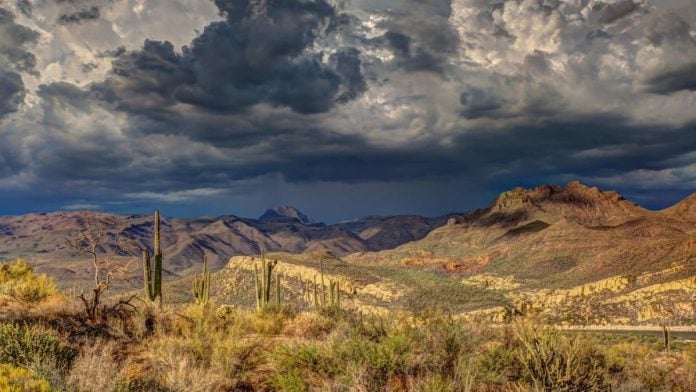
New Delhi: Droughts and global warming are increasing the risk of extinction in cacti, according to a new study by the International Union for Conservation of Nature (IUCN).
Published in the journal Nature on 11 November, the study looked at over 993 cactus species across the world and created models to study how their global distribution will be impacted by severe droughts in the coming century.
They found that even though cacti are considered drought-tolerant, most species will experience steep losses due to extreme global warming. More than 1/4th of the species could lose 80 per cent of their habitat by 2100, especially in Brazil, Chile, and Peru. In these areas, the study projected that more than 25 per cent of the cactus diversity will be lost, due to increasing droughts.
“Our findings indicate that the adaptations of cacti to drought may not be sufficient in a future with longer and more intense droughts,” said lead author Dr Michiel Pillet, a member of the IUCN, in a press release.
The reason why the study looked at cacti is that they’re considered ‘keystone’ species in certain ecosystems, especially deserts. The saguaro cactus, for example, is found in the Sonoran Desert in Mexico and is harvested for its fruits by local indigenous groups. Other cacti serve as sources of food, pollen and shelter for many other species in an ecosystem, and even after death, they provide vital nutrients to the soil during decomposition.
Also Read: India ranks 28th on Climate Change Performance Index. No country makes it to top 3
How it was calculated
This study decided to use spatial data on severe drought forecasts, as well as data on the compounding effects of warmer temperatures from the Intergovernmental Panel on Climate Change (IPCC)’s 2023 report. They also relied on iNaturalist, a citizen science online database that collects information on plant and animal species, for their cactus collection.
More than 30 per cent of existing cactus species already find a place in the IUCN’s Red List of Threatened Species, due to loss of habitat and even poaching. The study said that with the additional danger of extreme weather and droughts, these species could become Critically Endangered.
Apart from identifying the impact of climate change on cacti, the study also pointed out the need to study cacti diversity in greater detail. The last Global Cactus Assessment was conducted in 2015 by IUCN, and since then, there have been a lot of changes in environmental and ecosystem factors that threaten these species.
“The threats cacti face have changed considerably over the past decade. This study provides essential new evidence of the impacts of climate change,” said Bárbara Goettsch, co-Chair of IUCN, in a press release. “Action on the ground to understand and mitigate these impacts cannot be delayed.”