





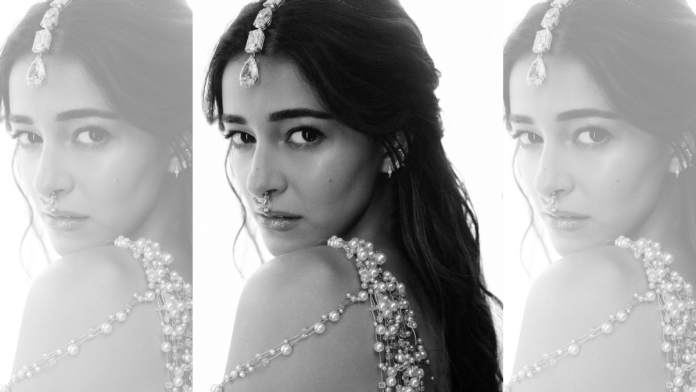


New Delhi: Actor Ananya Panday has become the latest celebrity to join the growing wave of Bollywood voices supporting the student-led protests against irregularities and paper leaks in the NEET-UG exam.
In an Instagram post, Panday described today’s students as a generation no longer willing to simply accept “how it’s always been,” and backed their demands.
She also shared a picture showing a protester holding the Constitution of India, and another with a father holding his child who has a poster captioned, “Save My Future” pinned on its back.
Panday pushed back against the reflexive way the younger generation tends to get stereotyped.
“Gen Z has always been labelled…not all of them have been kind. But maybe this moment is reminding us who this generation really is,” she wrote.
She argued that questioning those in power isn’t disrespect and that speaking out isn’t rebellion; it’s just an expression of hope: “It’s belief that things can be better. And that’s how change begins.”
View this post on Instagram
The post was well-received on social media with many applauding Panday for speaking up. However, for many, the post was “too late”, and some even connected it to Prime Minister Narendra Modi’s tweet. For many critics, Bollywood celebrities have only started posting because the prime minister has spoken about the protest.
One of the comments read: “Today PM Modi has posted so they also have got the license.”
Another said, “Finally BJP allowed them.”
“Everyone’s PR has gotten active,” read a comment. Some even accused Panday of “playing safe.”
This is not the first time that Panday has stood up for the young. As a Gen Z, the actor has been a prominent voice for the generation. During her appearance on the show Too Much with Kajol and Twinkle, she spoke about the criticism the generation faces.
“Gen Z knows a lot more than what people give them credit for,” Panday said, adding that “They are very in touch with their emotions. We’re the first generation that talks about feelings, embraces mental health and freedom of expression.”
(Edited by Insha Jalil Waziri)
Another harebrained idiot joins the chorus. What a happy day it is!
Does it really matter what these brain dead actors and actresses think and say? Who they support or lend voice to?
These are bird-brained people. Nobody cares.
With the exception of Ms. Triya Gulati of course.