





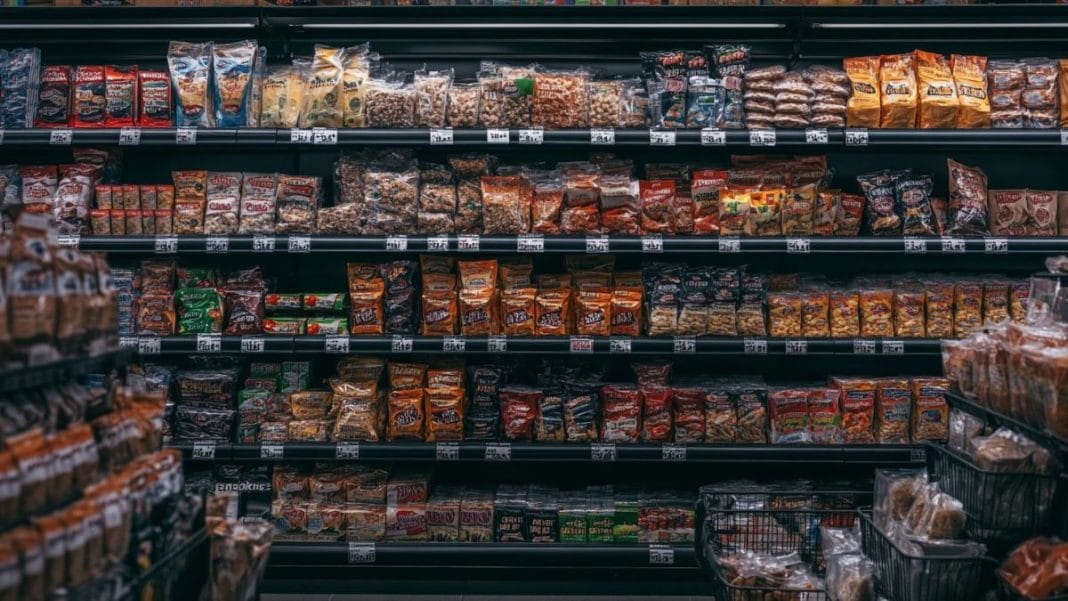


New Delhi: A shiny package of “fortified” cereal-based nutritional drinks or breakfast cereals claims to be nutritious. A fizzy beverage promises refreshment. An instant snack claims it is “baked, not fried” and also “protein-rich” beneath glossy marketing.
However, these products are often ultra-processed foods (UPFs) with high levels of sugar, fat, salt, emulsifiers, additives, and empty calories—subtly changing India’s health trajectory.
The data screams crisis, from a surge in obesity among children and adults recorded in the fifth round of the National Family Health Survey (NFHS-5) to 101 million diabetics in an ICMR-INDIAB study.
Yet, UPFs are kept on urban supermarket and tiny rural shop shelves with nutrition panels hidden at the back, while their real health risks are right in front of you.
How did we get here? To understand UPF’s unchallenged dominance, rewind to India’s regulatory crossroads.
India’s food regulatory body, the Food Safety and Standards Authority of India (FSSAI), has struggled for years to introduce effective safeguards against the packaging of unhealthy foods, beginning in 2014 with the first demand for front-of-pack labelling.
Underlying industry pressure pushed the regulator in 2019 to abandon colour-coded food labelling draft regulations and introduce the more convoluted 2022 Health Star Rating system.
This means the more stars, the better the product, despite containing harmful ingredients and being high in sugar or fat.
By 2026, the Supreme Court lost patience with the FSSAI and its decade-long delay in implementing clear Front-of-Pack Nutrition Labels (FOPNL) on packaged foods, highlighting children’s susceptibility to misleading marketing.
With a PIL demanding front-of-pack warning labels about high sugar, fat and sodium, it ordered FSSAI to prioritise public health over corporate interests and implement clear front-of-pack warning labels to deal with the rising non-communicable diseases (NCDs) in the country.
Lifestyle diseases
While non-communicable diseases rise, a WHO report said UPF sales rose to $38 billion in 2019 from $9 billion in 2006 and are expected to rise dramatically by 2030.
UPF are now clearly linked in scientific literature to obesity, type 2 diabetes, hypertension, heart and kidney diseases, gastrointestinal problems, depression, cardiovascular diseases and many more diseases.
Their marketing strategies, which heavily target children and young adults, use appealing tactics such as cartoons, celebrity endorsements, and claims of being “recommended by experts”, “100% healthy”, “protein-rich” and “rich in essential nutrients”, messaging that makes unhealthy UPFs look normal, affordable, accessible, and convenient.
This is concerning in countries like India, where UPFs exacerbate the issues of obesity, undernutrition, and micronutrient deficiencies.
It is evident from NFHS-5 data, which shows that 3.4 percent of children under five are obese, 35.5 percent are stunted, and 67.1 percent of children aged 6-59 months are anaemic.
WHO data shows that the global UPF market is growing even though these products steadily displace traditional diets and strain both family budgets and health systems, especially out-of-pocket health expenditure resulting from non-communicable diseases.
This isn’t just regulatory theatre but smart science formulae. Neuroscience is weaponised by UPFs—from engineered “bliss points” to dopamine-spiking flavours that encourage addictive consumption.
Children are the primary targets of misleading ads. Even low-income households swap traditional diets for packaged food, leading to “triple burden” malnutrition where undernutrition meets obesity.
FSSAI navigates a tightrope because the processed foods industry employs millions and accounts for billions in exports. At the same time, states seek to guard agricultural jobs while the Centre promotes ‘Make in India’.
Although the Supreme Court’s intervention marks progress, urgency demands more. Ban UPF ads targeted at children under 12. Tax UPFs and foods High in Fat, Salt, or Sugar (HFSS). Enforce the ICMR definition of UPFs and put a cap on thresholds for high sugar, fat and sodium.
India’s 1.4 billion people cannot afford to be complacent. Traditional diets must outperform manufactured ‘Frankenfoods’.
As consumers, we should demand warning labels. Citizens must rush through the door that the Supreme Court opened. Because although labels provide information, lives are at stake. Will we take back our plates or allow junk food to control our fate?
Reema Dutta is a student of Dr B.R. Ambedkar University, Delhi. Views are personal.
Also Read: From corporate pressure to legal crackdowns: Why India’s free press is under strain