





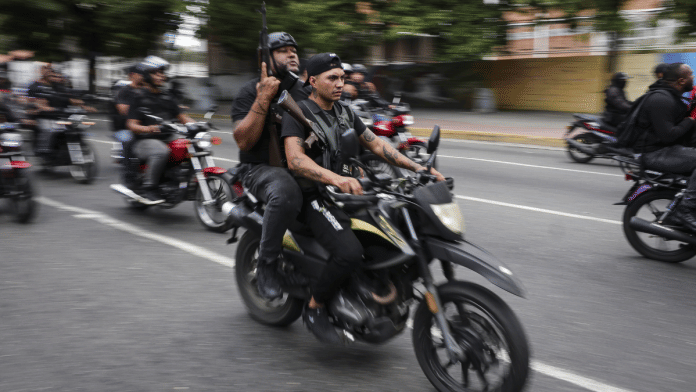



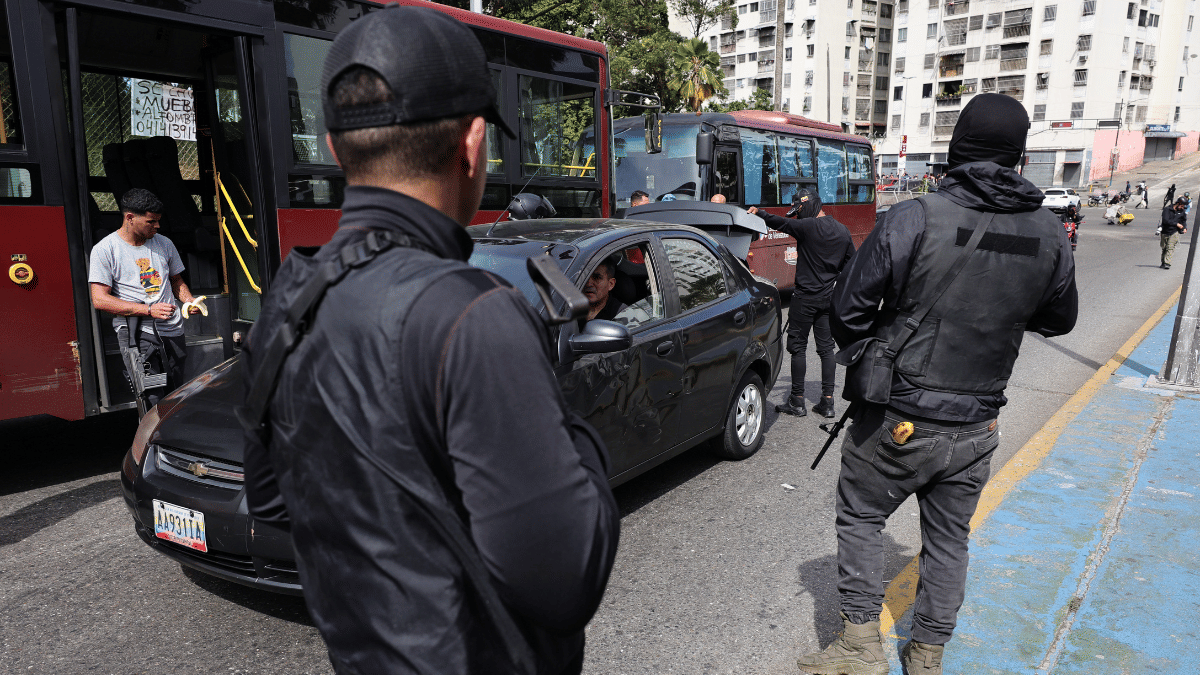
After the US capture of Venezuelan President Nicolás Maduro, familiar signs of repression have gripped Caracas. Soldiers lingering at intersections. Motorcycles idled in clusters. Phones inspected by armed men, then checked again.
Inside the presidential palace, Delcy Rodríguez was sworn in as acting president on Monday. Outside, military counterintelligence officers were seen patrolling the capital, according to two witnesses.
Heavily armed security forces and pro-government motorcycle gangs known as colectivos roamed the streets. Near the National Assembly, journalists were detained as they tried to document the unfolding moment. By Monday afternoon, at least seven members of the press had been taken into custody, the national press workers syndicate said.
The scenes suggest that little has changed in how power is enforced in Venezuela. Even with the Trump administration asserting control of the country, its government appears to be leaning on familiar tools — security patrols, detentions and retaliation— that defined Maduro’s rule.
With journalists facing intimidation, few photos of the colectivos have emerged from Caracas over the past several days. But images from the initial aftermath of Maduro’s capture on Jan. 3 show how entrenched his tactics have become.
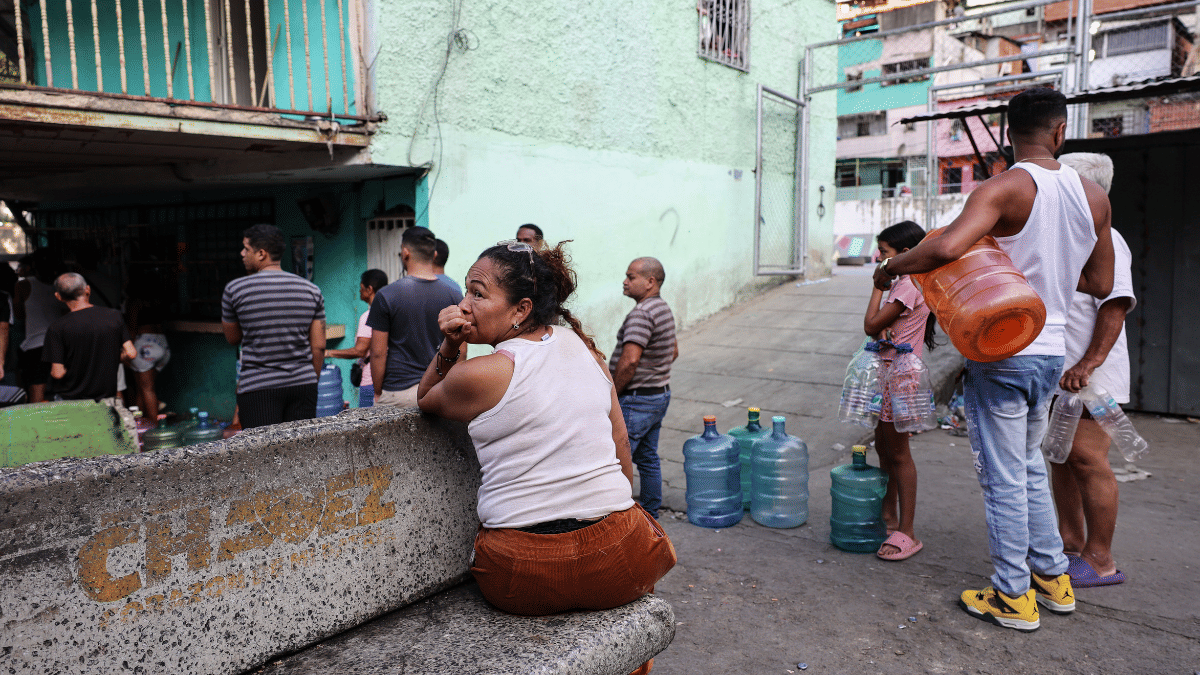
After Maduro was taken by US forces, residents lined up outside grocery stores and gas stations amid worries about the nation’s future. Millions of Venezuelans fled economic hardship under the strongman’s reign, hundreds of thousands of whom sought asylum in the US.
Colectivos, the armed civilian gangs that support Maduro, are still present in the country. While they aren’t as influential as they were at the height of his power, the US State Department has said they were responsible for killings during protests tied to the 2024 presidential election.
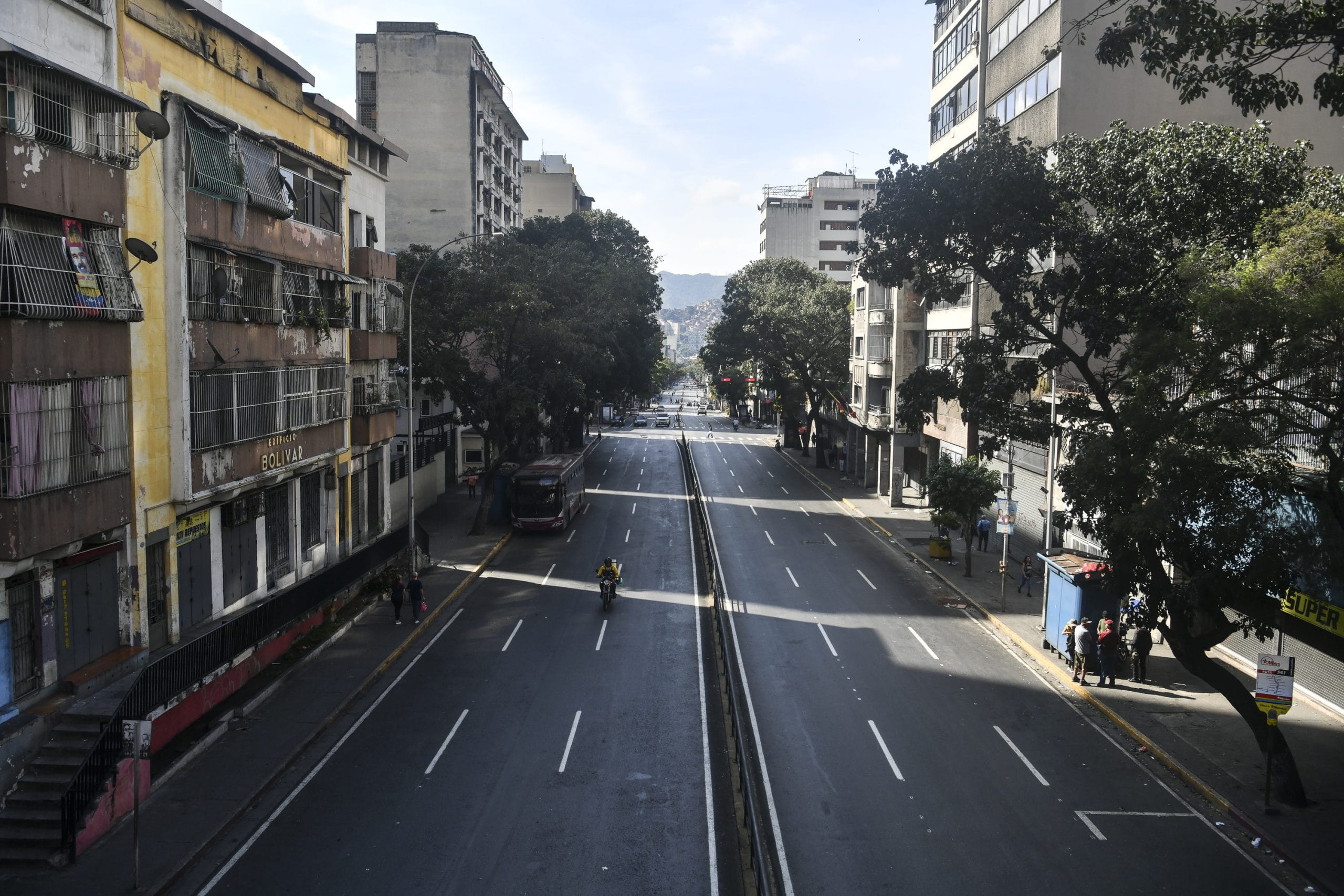
The scenes on the ground in Caracas don’t quite match the calls for peace Rodríguez made during her swearing-in ceremony on Monday.
“For the people of Venezuela, I swear not to rest for a single minute to guarantee peace and the spiritual, economic, and social well-being of our people, and to ensure a government that provides social welfare, political stability, and security,” she said.
Disclaimer: This report is auto generated from the Bloomberg news service. ThePrint holds no responsibility for its content.