


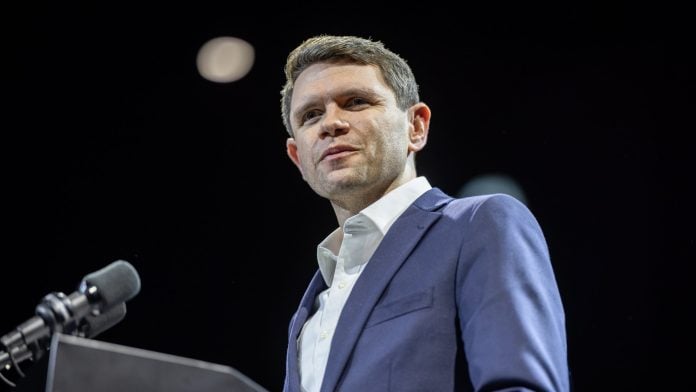
Democrats gathered this week to celebrate their biggest electoral triumph in a generation and confront an inescapable anxiety — the risk of squandering it all.
Scores of party lawmakers, staffers and faithful descended on Denver for a conference hosted by one of the party’s moderate groups that featured potential 2028 contenders, took stock of the remarkable breakthroughs in the midterm vote a week earlier — and, at times, laid bare the disagreements in the party’s expanding tent.
The mood across Thursday and Friday veered between jubilation and catharsis after Democrats won commanding majorities in the US House and Senate and overwhelmed Republican strongholds with victories that had been dismissed as magical thinking just weeks earlier.
Yet the joy, a decade into President Donald Trump’s political career, was punctuated by a drumbeat of warnings and a sort of party performance anxiety. Speakers at the convention — aptly named What’s Next — said the success would be fleeting if Democrats can’t quickly deliver on making Americans’ lives more affordable and avoid bogging down in ideological purity tests.
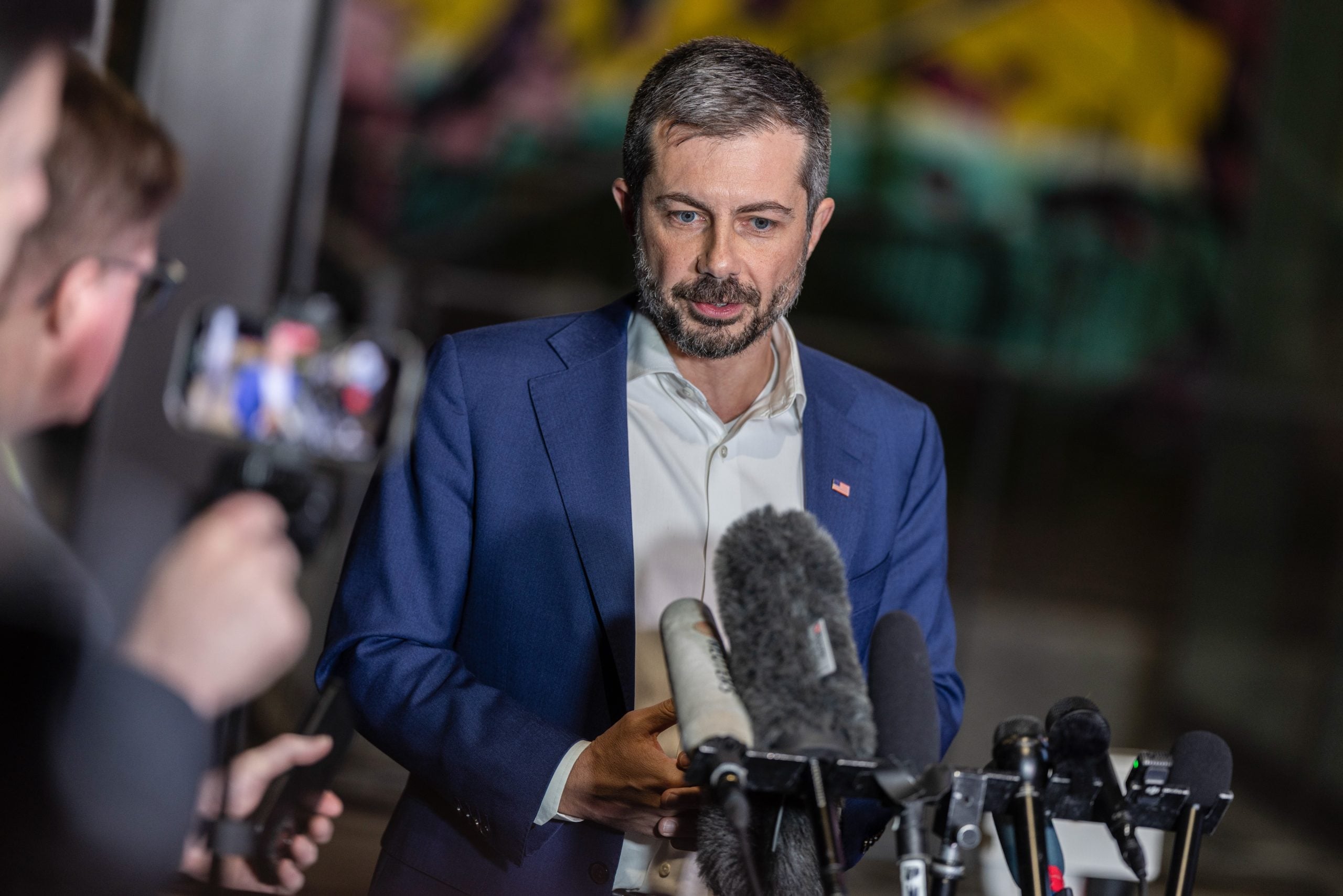
“We need to come out of the gate showing that we are here to put money back in people’s pockets,” former Transportation Secretary Pete Buttigieg, widely seen as preparing a 2028 presidential run, told reporters after a speech in which he warned that conventional approaches aren’t enough in the Trump era.
“This is the time to finally act like we believe it when we say the American political system is broken,” he said.
Whether the resurgent party can carry the 2026 campaign’s message discipline into the next Congress remains unclear as an energized new congressional majority may opt to pursue a sprawling agenda.
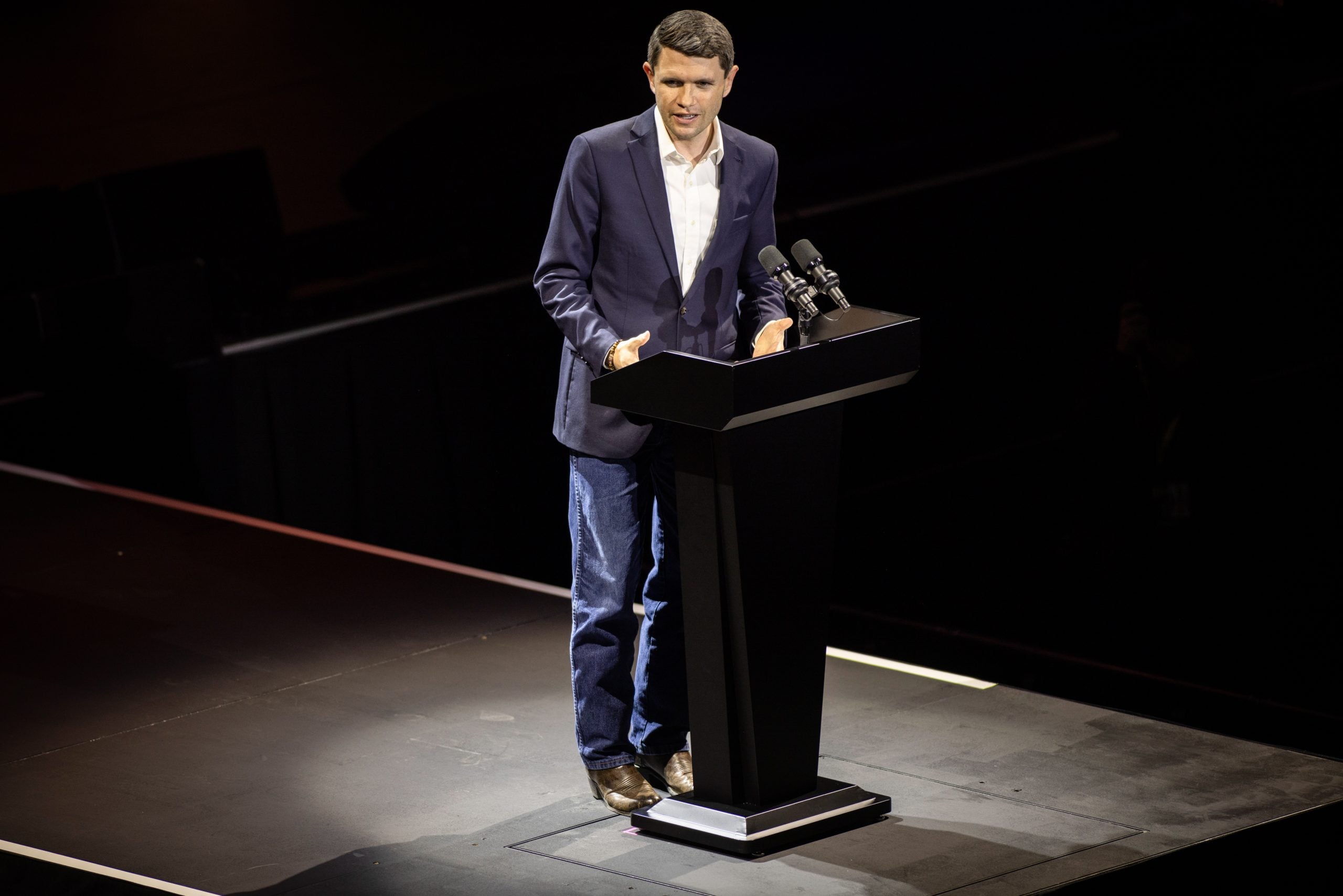
In Denver, policy pitches to address costs ran from a major housing effort, restored Medicaid funding and prescription drug assistance to grocery assistance, a federal jobs program, banning robocalls and giving out an “AI dividend.”
“It’s cost, right? That is the issue,” said former New Orleans Mayor Mitch Landrieu. “We need to really focus on what the people said to us, which is cost.”
Yet the party remains far from consensus on how to do that — and how closely to work with Trump, who has two years left in office and has stocked the Oval Office with red “VETO” caps.
“The American people cannot wait two years for change, so we must work with President Trump,” Senator-elect James Talarico said to tepid applause. “We should make the final two years of his presidency the most productive of any presidency in American history.”
Other speakers balked at extending Trump an olive branch.
“My advice to Senator Talarico is, if Trump wants to work with us, we will lay out the agenda, and he can sign it,” New Jersey Governor Mikie Sherrill said.
Buttigieg and Virginia Governor Abigail Spanberger were among attendees saying next year’s Democratic-led Congress should pass bill after bill and force Trump to either sign or veto.
“No pre-negotiations, no discussions, no, ‘Oh will you do this, will you do that?’ Pass a bill,” Spanberger said. “Eventually, he’ll want to do a signing ceremony.”
But as some urged a narrow focus on affordability, others pumped the brakes. “This is not a time for us to become silent about the call to do justice,” Bryan Stevenson, founder of the Equal Justice Initiative, said.
California Representative Ro Khanna, one of the many potential 2028 candidates, bucked the moderates’ message.
“I’m all for a big tent, but not a shallow one,” he said. “A big tent cannot mean that we’ve watered down principle for political expediency.”
The progressive flank’s clout was also on display in a round of cheers for Senator Chris Van Hollen, who has challenged Chuck Schumer as incoming Senate majority leader. Hakeem Jeffries, poised to become the first Black speaker of the House in January, was interrupted by protesters demanding action on Gaza and calling for progressive priorities like a “Green New Deal” and universal Medicare.
Immediate Focus
Some Democrats in Denver saw an opportunity for more immediate breakthroughs, such as passing a permitting bill in the lame-duck Congress and a window to leverage talks on the National Defense Authorization Act to curtail the war in Iran.
The long-simmering permitting bill “is the most concrete thing we can do right now that’ll lower electricity costs,” said Delaware Senator Chris Coons. “We need to get caught trying.”
Still, the party allowed itself moments of indulgence. Pennsylvania Governor Josh Shapiro, another figure weighing a 2028 bid, said it could now “swing for 370” Electoral College votes in the presidential election — where 270 is enough to win.
In some ways, the gathering was years in the making. Democrats abandoned a full 2020 convention because of coronavirus pandemic and, in 2024, held one under the pall of President Joe Biden’s abrupt exit from the presidential race and the sudden swap to Vice President Kamala Harris.
And Trump was about defy history and political gravity to win a second term.
“It feels like a fever has broken,” said Stephanie Valencia, co-founder of Equis, a research group focused on Latino voters. But, she warned, “our party is on probation with voters who might not like us very much.”
Several attendees said they’re considering 2028 bids or left the door open: Shapiro, Booker, Landrieu, Khanna, Arizona Senator Ruben Gallego and Michigan Senator Elissa Slotkin were among them.
Former Rhode Island Governor Gina Raimondo didn’t rule it out entirely. Senator Raphael Warnock sidestepped the question, though he has laid groundwork.
Others seized on the jockeying to try to pin down the big names on which elements of party orthodoxy they’d abandon. “Tell us which ideas you’ll stop giving permission to, the ones that defy common sense or don’t work,” Representative Jake Auchincloss of Massachusetts said.
Another simmering dispute is over how aggressively Democrats should investigate Trump and his cabinet. In interviews, attendees downplayed the likelihood and wisdom of impeaching Trump a third time, saying there’s no prospect of conviction.
Others argued that corruption inquiries and an affordability agenda can go hand in hand. “This is an utterly false and empty dichotomy between pursuing justice against corruption or pursuing popular economic policies against unaffordability,” said Representative Jamie Raskin, likely the next chairman of the House Judiciary Committee.
Buttigieg summed up the party’s conflicting emotions by telling fellow Democrats it’s “OK to rejoice,” but that the window to act is now.
“We did not win because America suddenly fell in love with the Democratic Party,” Buttigieg said.
Disclaimer: This report is auto generated from the Bloomberg news service. ThePrint holds no responsibility for its content.