



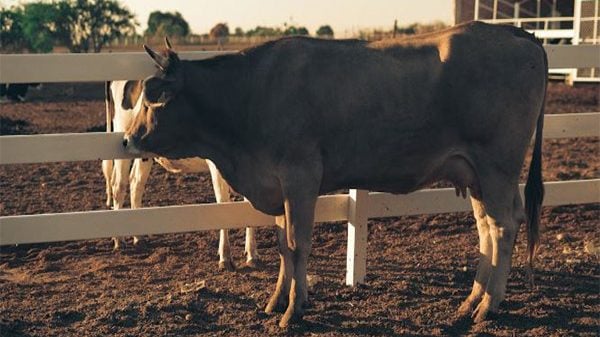
New Delhi: For decades, Shamonda virus was known mainly as a livestock pathogen, circulating among cattle and other animals without a documented human infection. That changed on October 9, when French authorities confirmed the first recorded case in a severely immunocompromised patient who later died.
The discovery has drawn attention to a process scientists call zoonotic spillover, in which a pathogen moves from animals to humans. It is a natural phenomenon, but one that can have serious consequences when a virus, bacterium or parasite acquires the ability to infect a new host.
The Shamonda case is unusual because the virus had not previously been documented in humans. However, authorities have stressed that there is currently no evidence of human-to-human transmission or a wider public health risk. Investigations are also continuing to establish whether the virus contributed to the patient’s death.
What is Shamonda virus?
Shamonda virus belongs to the Orthobunyavirus genus and the Simbu serogroup, a group of viruses that primarily affect animals. It was first identified in cattle in Nigeria in 1965 and has since been detected in animals in parts of Africa and Asia.
The virus is mainly transmitted through the bites of Culicoides midges, small biting insects that can carry pathogens between animals. Cattle are its primary hosts, although infections have also been identified in sheep, goats, horses and alpacas.
In livestock, infection can cause fever, diarrhoea, weakness and reduced milk production. It has also been associated with reproductive problems in animals.
The first documented human infection was reported in France in October 2026. The patient was receiving treatment for a serious medical condition and had a severely weakened immune system. French authorities consider a bite from an infected midge the most likely explanation, although other possible routes are being investigated.
The World Health Organization has said that the case is isolated and that there is currently no evidence of human-to-human transmission.
Also Read: Scientists found a 237-million-year-old marine amphibian. What does it reveal?
How do diseases jump from animals to humans?
Animals carry a wide range of microorganisms, including viruses, bacteria, fungi and parasites. Most cannot infect humans because they are adapted to particular animal hosts.
For a pathogen to establish an infection in a person, it must overcome several biological barriers. It needs to enter the human body, interact with suitable cells, reproduce and evade the immune system.
Sometimes, changes in a pathogen’s genetic material can help it adapt to a new host. However, genetic mutations are not the only factor involved. The ability to infect humans can also depend on the pathogen’s existing characteristics, the route through which it enters the body and the immune response of the person exposed.
There are several ways this transmission can happen.
Through direct contact: People who handle infected animals, their blood, saliva, tissues or bodily fluids can be exposed to pathogens. This can happen during farming, slaughter, veterinary work or contact with infected wildlife.
Through contaminated food: Some infections spread when people consume contaminated or inadequately cooked animal products. Raw milk, undercooked meat and contaminated food can carry certain bacteria and parasites.
Through insect bites: Mosquitoes, ticks and biting midges can act as vectors, carrying pathogens from infected animals to people. In the Shamonda case, an infected Culicoides midge is the leading suspected route of transmission.
Through the environment: People can also encounter pathogens in contaminated water, soil or surfaces. Some infections spread when humans come into contact with environments contaminated by animal waste or secretions.
Why do some animal diseases become human infections?
A pathogen’s ability to infect humans does not automatically mean it can spread efficiently between people.
Several factors determine whether an animal-borne infection becomes a wider public health concern. These include the pathogen’s capacity to enter and reproduce inside human cells, the frequency of exposure, the route of transmission and whether infected people can pass it on to others.
Several diseases that pose significant health risks today originated in animal populations.
Rabies is transmitted to people mainly through the bites of infected mammals, particularly dogs. Once symptoms develop, it is almost always fatal, although prompt post-exposure vaccination can prevent the disease.
Avian influenza viruses circulate among birds and occasionally infect people who have close contact with infected animals or contaminated environments. Some strains can cause severe illness, although sustained human-to-human transmission has not been established for the major avian influenza strains currently monitored.
Ebola is believed to have animal reservoirs, with fruit bats considered a likely natural host. Human outbreaks can begin through contact with infected wildlife and subsequently spread through direct contact with the bodily fluids of infected people.
Preventing every animal-to-human infection is difficult, particularly because many pathogens circulate in wildlife and livestock without being detected. However, monitoring diseases in animals can help authorities identify potential threats before they become wider outbreaks.
Surveillance of livestock, testing of suspected infections, monitoring of disease-carrying insects and early reporting of unusual symptoms can help identify emerging pathogens. Public health authorities can then assess whether people have been exposed and whether additional precautions are necessary.