







New Delhi: From chewable tablets to kombuchas to fortified yoghurts, prebiotics and probiotics have quietly slipped into everyday wellness routines. As consumers become more aware of the long-term benefits of a healthy gut—lower risks of cardiovascular disease, inflammation and certain cancers—there has been a growing frenzy around not just foods rich in them but also dietary supplements.
Probiotics are live microbes, often called “good bacteria”, that support gut health. And prebiotics are complex carbohydrates and plant fibres that act as food for these bacteria.
Shelves at stores and landing pages of online grocery retailers are flooded with supplements claiming that they can boost the ability of already well-functioning native bacteria and promote overall health. In India alone, the prebiotics and probiotics market together generated an estimated $16.8 million in revenue in 2024.
But despite the booming market and exaggerated health claims, the usual off-the-shelf formulations simply do not seem to work.
“There is a lack of strong clinical evidence to suggest that these products improve gut health. Much of the enthusiasm around these products is driven by marketing,” said Vidyasagar Ramappa, Senior Consultant, Gastroenterology, Hepatology and Nutrition, Manipal Hospital, Bengaluru.
The human gastrointestinal tract is home to nearly 39 trillion bacteria, along with some fungi and viruses. Over the past two decades, researchers have established that many of these microbes, such as Lactobacillus, Bifidobacterium and Saccharomyces, are essential for maintaining a healthy gut.
One reason why off-the-shelf probiotics and prebiotics may not dramatically improve gut health is that these resident microorganisms come together in vastly different ways to shape each person’s gut.
A recent study published in Nature Communications analysed a dataset of over 51,000 gut microbiomes from 45 countries to understand why probiotics work for some people but not others.
They looked at how microbes in the gut interact with Bifidobacterium—one of the most commonly used probiotic bacteria—across people of different ages, lifestyles, and disease conditions.
The study found that infants, adults and elderly people all carried very different strains of Bifidobacterium in their guts. They show that even within the same age group, people can have different communities of microbes depending on their lifestyle. Those living in highly urbanised, industrialised societies generally showed a higher prevalence of Bifidobacterium species compared to rural and tribal populations.
“We found that gut microbiomes differ dramatically across populations—Europeans, North Americans, Indians and hunter-gatherer communities in Africa,” said Tarini Shankar Ghosh, assistant professor at Indraprastha Institute of Information Technology, Delhi (IIIT-Delhi) and senior author of the study.
Another limitation with probiotics is that many manufacturers choose bacterial strains simply because they are easy to grow and produce at scale, not necessarily because they are proven to improve health. So most strains of Bifidobacterium or Lactobacillus commonly found in probiotic supplements are often not best equipped to survive the stomach’s highly acidic environment and digestive enzymes.
Even if they manage to survive the acidic stomach juices, they need to escape resident microbes. Some bacteria produce compounds such as bacteriocins that prevent invading microbes from establishing themselves.
“Gut microbe composition varies even within two perfectly healthy individuals, so when an external microbe enters the gut, its success depends largely on how it interacts with the microbial friends and foes already living there,” said Ghosh.
Prebiotics and probiotics may still offer some benefits in specific cases. For instance, after antibiotic treatments, which often wipe out both harmful and beneficial bacteria, they may help restore some of the beneficial commensal bacteria.
“There are situations where probiotics can be useful—for example, in certain gastrointestinal disorders such as inflammatory bowel disease and necrotising enterocolitis in preterm babies—but even there, they are mildly efficient,” said Ramappa.
Part of the challenge is that scientists still do not fully understand how they work inside the body. For instance, some studies suggest that strains of Lactobacillus may help in respiratory conditions like asthma. But scientists still cannot fully explain how bacteria living in the gut could influence organs such as the lungs.
“We do not have large-scale clinical trials that examine the effects of probiotics before and after treatment. Until we have stronger evidence from such studies, it is difficult to say with confidence how helpful these products really are,” said Ramappa.
Also read: Gut health probiotics now among top selling drugs in India, but doctors advise caution against hype
Building for your body
Researchers are now trying to move beyond this one-size-fits-all approach to precision therapeutics.
One example is REBYOTA, the first microbiome-based treatment approved by the US Food and Drug Administration to prevent recurring Clostridioides difficile infection in adults—a bacterial infection that causes severe diarrhoea and gut inflammation, often after antibiotic use. Instead of relying on a handful of generic bacterial strains, the therapy restores a community of commensals that can better re-establish themselves in the intestine.
Using large-scale genomic sequencing, researchers can now map the microbes already living inside a person’s gut. They then use machine-learning models to analyse these microbial patterns and predict which beneficial bacteria are most likely to survive the digestive tract, settle in the gut and work effectively in that individual.
India’s tech startups are also beginning to move in this direction, analysing consumers’ microbiome data to shape the next generation of probiotic supplements.
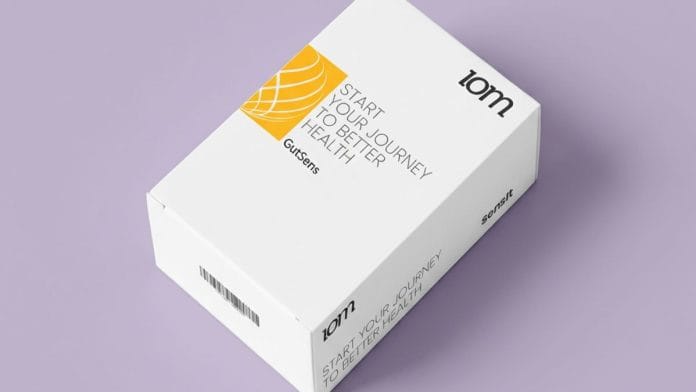
Iom Bioworks, a Bengaluru-based startup founded in 2022, develops personalised prebiotics targeting sleep, stress and gut health. Customers can submit their stool samples, which the company uses to sequence microbial DNA and identify which bacterial species are present in the gut and in what proportions.
Different gut bacteria process food in different ways, producing metabolites—chemical compounds such as amino acids and carbohydrates, that can influence digestion, inflammation, sleep, mood and even brain function.
“Our focus is on the gut-brain axis. The gut and the brain are constantly communicating with each other, which is why stress and anxiety often show up as digestive problems too,” said Bipin Pradeep Kumar, founder of Iom Bioworks.
Using AI models, machine learning and DNA sequencing techniques, Kumar’s team identifies which bacterial species may need to increase or decrease to alter these metabolites.
“We analyse how different microbes respond to food components and the kinds of metabolites they produce in an individual’s gut. Based on these microbial patterns, we can optimise certain bacteria through targeted prebiotics and personalised nutrition,” said Kumar.
It is still too early to know whether personalised microbiome products will become clinically-proven therapies or remain wellness supplements.
For precision probiotics and prebiotics to be used as medical treatments, they will have to go through rigorous clinical trials to prove that they are safe and effective, something that has long been debated about the supplements already on the market.
“We are probably at least a decade away from precision probiotics and prebiotics becoming part of routine clinical practice,” said Ramappa. “Until then, for healthy individuals, homemade fermented foods like curd and pickles can naturally provide beneficial microbes, while salads, fruits and fibre-rich foods remain some of the best sources of prebiotics that nourish the gut microbiome.”
(Edited by Theres Sudeep)