





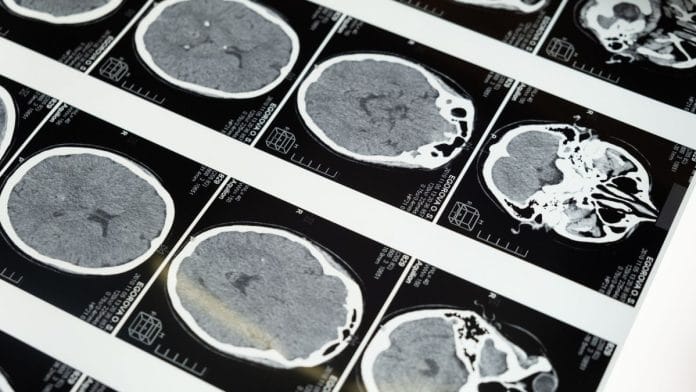

New Delhi: As the human brain develops, radial glia are the key “decision making” stem cells that give rise to neurons and other cells that eventually form the cerebral cortex. Researchers at UCLA have now found that radial glia are guided by more than just an inner genetic blueprint — they read external cues too.
The two studies, one published in Cell and the other in Science were conducted by a team of researchers led by Aparna Bhaduri, assistant professor of biological chemistry at the David Geffen School of Medicine at UCLA.
“Radial glia are the coolest cells that have ever existed. They’re really key to making us human. But they’re also at the center of many neurodevelopmental and neuropsychiatric disorders, as well as cancer — so understanding how they make their decisions is one way to start understanding how those conditions arise,” Bhaduri said in a university statement.
Also read: AIIMS probes 15-yr-old Kota girl’s death. What’s the rare heart condition that complicated her case
Glucose and touch
In the first study, researchers analysed the metabolism of a developing brain and found that a metabolic process called ‘pentose phosphate pathway’ plays an unexpected role in shaping brain development. The process, through which the brain generated the building blocks needed for rapidly dividing cells, was not just supplying energy. When researchers controlled the amount of glucose available, they saw that radial glia changed the type of cells they produce. In simple terms — the cell factors in what it consumes to decide what it will produce.
“What was surprising is that metabolism isn’t just a passive thing that happens in the background. It can really control how stem cells make decisions,” Bhaduri added.
The second study looked at the signals from the Thalamus, the large mass of grey matter in the middle of the brain which processes signals from nearly all our senses, controls movement, and regulates sleep, memory, and even emotion. Researchers have known that thalamic projections, long wire-like fibers, connect the Thalamus to neurons in the cortex. But a deeper look found that these “wires” appear a lot earlier than the connection with the neuron itself.
This suggests that these “wires” make direct physical contact with radial glia during the brain’s development. The contact also influences the radial glia’s decision and leads to the production of excitatory neurons, the main cells in the cortex that carry signals.
“We already knew that these projections influence how the cortex develops. What we specifically found is that this influence comes through an actual physical connection between the projections and the radial glia — a point of contact that just hasn’t been identified before, and one that very likely does not exist in rodents,” said Bhaduri.
According to Bhaduri, although both the studies look at different biological processes, they arrive at a similar conclusion — a developing brain is influenced by communication between stem cells and their surroundings.
“Ultimately, these studies give us a glimpse under the hood of how these cells make decisions. Understanding those decisions is a first step toward understanding normal brain development, disease vulnerability and, potentially, how similar stem-cell programs operate in brain cancer,” she said.