


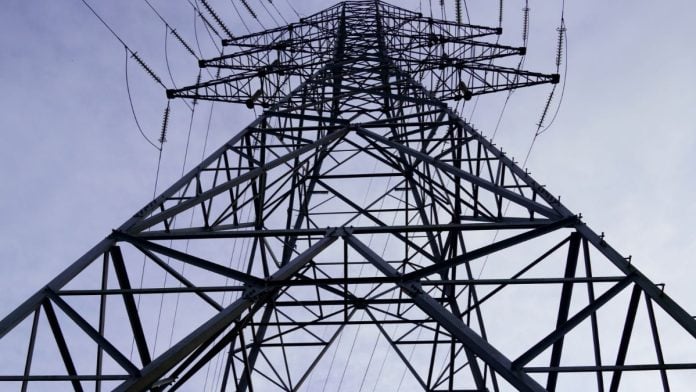
New Delhi: The proposal to build a 183-metre tower on Canada’s Pelee Island has left conservationists worried that it will put thousands of birds at risk since its planned location is along two major migratory bird routes.
The structure, which will be supported by guy wires and lit up at night, is planned for 1246 Centre Dyke Road on the island in Lake Erie. The purpose of the tower is to carry financial trading data between Chicago and New Jersey for US-based trading firm DRW.
The Pelee Island Bird Observatory (PIBO) has urged the Canadian government to conduct an environmental assessment before the project. The observatory argues that the tower’s height, wires and lighting could make it particularly dangerous for birds crossing Lake Erie during their seasonal migrations.
Pelee Island sits in the middle of the Atlantic and Mississippi flyways, two major routes that birds use when travelling between their breeding homes and their winter refuges. The island provides an important rest stop for birds crossing Lake Erie, especially during spring and autumn.
PIBO’s monitoring programmes have recorded more than 660,000 birds crossing the region in 2024 and 2025. The proposed tower also overlaps the federally mapped critical habitat for seven species at risk, including the endangered Blue Racer snake.
Also read: Can smells help us remember better? Study finds age and timing influence memory
Worried conservationists
The alarmed conservationists have highlighted that tall structures are a grave threat to birds. A 2012 study published in Environmental Toxicology and Chemistry had estimated that communication towers kill approximately 6.8 million birds annually across the US and Canada. This number is likely to have risen over the past 10 years.
The proposed tower has been criticised by Canadian author and environmental activist Margaret Atwood. In a 13 November post on her Substack, titled ‘Bird Scary Tower!’ Atwood argued that the consequences would extend beyond the island, writing that it was “not a Not In My Backyard thing — it’s a Not In Everyone’s Backyard”.
DRW has said protecting wildlife was a priority during the project’s planning. The company told CBC News that it had commissioned an independent environmental study and would voluntarily install bird-collision mitigation technologies.
PIBO has questioned the results of the study and claimed that it did not properly assess the bird collisions during migration. The observatory requested an impact assessment on 6 October. Canada’s Impact Assessment Agency is reviewing the request and accepting public comments until 16 November, with a decision expected by 19 January 2027.
“The birds are counting on you,” wrote Atwood in her post.