




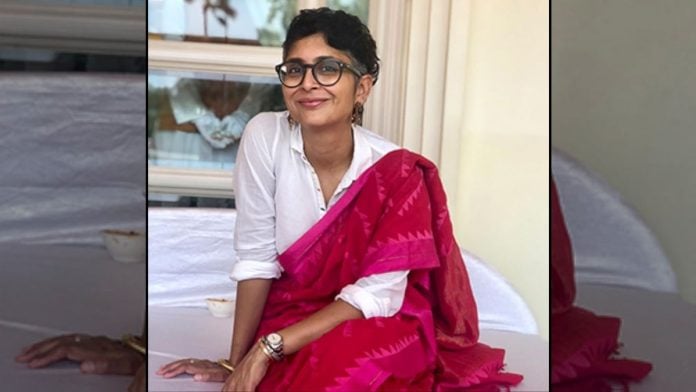

A day before Lust Stories 3 dropped, Kiran Rao’s segment was the one I was most curious about. Women portraying women’s desires—it couldn’t get better. And she was the only female director among the lot. But by the end, I was left wanting more because a talented Rao handed us something this safe, when the topic should have been right up her alley.
Rao captures Mumbai’s hustle and chaos with a rawness that is genuinely refreshing to watch. But I signed up for a lust story, not Dhobi Ghat 2.0.
Technically, there is nothing to fault. The cinematography is good, the pacing is controlled, and the slow reveal is a clever hook. But it’s too weak for an anthology built around desire. And that’s exactly where Rao’s film stumbles.
In her hands, intimacy isn’t the subject. It’s a plot device that stands out, but that twist itself isn’t something we haven’t seen. A woman uses physical closeness to con two brothers and disappear with their money is a premise we have seen enough times to know its beats before they arrive.
Rao gestures at the con, but never at the psychology underneath it. We never really know what this woman wants beyond the money and a lust story without an interior life driving the lust is really just a heist story with some bedroom scenes. At the end of the anthology, I still don’t know who Lisa is. Just a nail artist who fooled two brothers. Rao writing a woman character so weak was not on my 2026 bingo card.
Konkona Sen Sharma did a fantastic job at her directorial in the last part with Tilottama Shome and Amruta Subhash. So I had great expectations from Rao, who has proved her mettle before with women in Laapata Ladies.
Also read: In Lust Stories 3, desire turns desi
Weakest of the anthology
There is nothing in this anthology that interrogates desire, complicates it, or sits with its discomfort the way the other three segments do. Intimacy in this film isn’t explored. It’s just a side character.
And that’s what makes this segment sting more than it should. Held up against the other three, Rao’s is, painfully, the weakest of the anthology.
Shakun Batra, Vishal Bhardwaj, and Vikramaditya Motwane each treat lust as something worth unpacking, messy, revealing, occasionally embarrassing, but always felt.
Batra explores the meaning of intimacy between a couple who want a divorce; Bhardwaj depicts the desires of women in a desi and unhinged way; and Motwane showcases how middle-aged women long for affection and intimacy.
Then comes Rao’s segment, which, for all its technical polish, never quite lets desire be the point. It’s a decent film about a con. It just isn’t much of a lust story.
(Edited by Saptak Datta)