





Bollywood’s relationship with the paparazzi has always been transactional: celebrities need them for visibility, and they need stars for content. But somewhere along the way, publicity became permission, and actresses are increasingly pushing back.
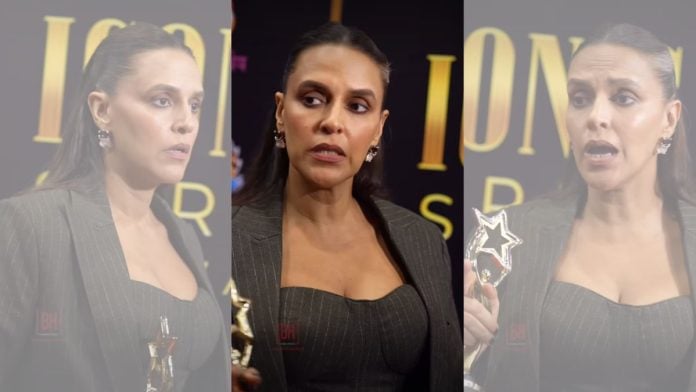
Just recently, an exasperated Neha Dhupia asked the paparazzi at a Mumbai event, “Ye badtameezi se backshot kaun leta hai tumlogo mein (Who among you takes these unsolicited backshots)?” She was voicing an irritation that many young actresses navigate daily.
Dhupia’s remark came after recent videos of her running on a jogging track went viral on paparazzi pages. These videos, evidently shot without her consent, can be seen zooming in and focusing on her backside.
At a time when clickbait is king, the paparazzi need to be reminded that some things are still off limits. Becoming a public figure may mean accepting cameras; it does not mean consenting to every angle from which those cameras choose to look. Visibility is not a blanket waiver on privacy, dignity, or bodily autonomy.
And apparently, the market for images of women’s toned behinds, or ‘backshots,’ is quite lucrative.
Bollywood actresses are keenly aware of this. They are regularly seen covering their backsides with their bags or notebooks, or devising awkward walks to get into their cars, in order to avoid such backshots. Rhea Chakraborty has even defined her boundaries clearly.
India’s confounding paparazzi culture
While the Indian paparazzi has always been a nuisance, their prying gaze reached new lows with the rise of social media, after a plethora of platforms became newly available to them. It exposed them to the insatiable consumer appetite for celebrity content.
Unlike a couple of years ago, when newspapers and magazines bought their photos, paps were now under the constant pressure to shoot, upload, post, or stream live stories.
Now, it’s an entirely different beast. Take veteran actor Jaya Bachchan, who is relatively new to the pap school of film journalism. She can be seen thundering at camerapeople to back off or schooling them on how to behave when photographing her family. She has no qualms about criticising the paps’ vulture-like presence in the lives of celebrities.
Bachchan is an actress from a different era, where photographs were taken with the actress’ permission at pre-decided locations. Her unconditional dislike of the invasiveness of paps is a remnant of an older time, when respectfulness was the norm, and the concept of personal boundaries in public spaces still existed.
Ironically though, in the warped digital landscape of today, videos of Bachchan’s irritation with the paps have gone viral on social media. They generate views and engagement that keep the paparazzi economy running. Even resistance to the camera can become material for the camera.
Photographers themselves have spoken about the pressures of this ecosystem. A BBC report quoted photographers describing toxic work environments in which missing a shot obtained by a rival could invite reprimands from editors or bosses, while exclusive photographs could bring “generous tips”.
Scores of cameras are thus competing for that money shot. Relentless in their pursuit, they refuse to put their devices down even when a celebrity trips in front of them or is otherwise caught in an unguarded moment. An embarrassing or vulnerable moment can be precisely the sort of clip that travels furthest online.
At the same time, it is no secret that Bollywood is equally dependent on the media for publicity. Celebrities too are under the constant pressure to stay relevant, and thus be constantly visible.
Actors regularly sport ‘airport looks,’ with effortless hair and chic outfits after deboarding 20-hour-long flights. While some, such as Malaika Arora, seem to enjoy the attention, others, such as Isha Malviya, will even indulge the paps momentarily. They recognise that they need to have a positive relationship with the camera to retain their relevance in a cut-throat industry.
Also read: Lust Stories can’t do without Radhika Apte. She makes desire desi
Male gaze and vulture culture
Despite this symbiotic relationship and the clear dependence of Bollywood on the media, there are some lines that the paps just should not cross.
Women in the public eye have always been the worst victims of the male gaze. Pap culture is no exception. Cameras regularly zoom in on their bodies, shoot them from disrespectful angles, and share these photos online without their consent, in a bid for virality. Most paps know celebrity cars and track the daily routines of actresses, waiting like vultures for their exclusive shot.
They stand, positioned and ready for the priceless video of Jahnvi Kapoor in gym shorts or turning around in a short skirt, even after she asks them not to shoot. They laugh shamelessly as their ever-invasive cameras continue to record Zareen Khan from behind, even after she implores them to shoot her face, and not her backside. There are entire web pages dedicated solely to photos of actresses in backless dresses.
Indian actresses’ open refusal to oblige an increasingly toxic, invasive pap culture reminds us that there is still a line. Women’s bodies are not objects of consumption, no matter how much the digital economy wants them to be.
Views are personal.
(Edited by Prasanna Bachchhav)