





Gurugram: The baddie aesthetic is quickly moving past the niche Sobo bubbles and evolving to a greater genre. Being excessive, expressive, and entirely yourself is now the real fit. The modern baddie isn’t confined to a single look: high glam and dewy makeup.
And with the trend catching up fast, a new gang is emerging. So much so that a Bandra cafe recently invited “eligible baddies” to a screening of Devil Wears Prada 2. According to Hindustan Times, the cafe’s only strict requirement is to be unapologetically “too much”.
‘Too much’ is having a moment. In fact, it might just be the moment.
A recent survey by vegan lip care brand Too Much found that the definition of a “baddie” is evolving in India. Around 64.2 per cent of respondents no longer associate “baddie” with just full-glam beauty. Instead, a significant 45.6 per cent say the term now centres more on attitude and confidence than appearance.
As reported by India TV, according to Dr.Devanshi Desai, a counselling psychologist and couples therapist, being a ‘baddie’ is ultimately about mindset. It’s about confidence that isn’t loud, boundaries that aren’t negotiable, and self-worth that doesn’t depend on anyone else.
The shifting terminology shows that the younger generations are renegotiating their relationship with self-image, visibility, and power.
Beauty and style are no longer about the desire to be seen by the world. The survey reflects this pivot: a 53.8 per cent majority of women today say makeup is less about performance and more about self-expression.
It’s not that makeup has disappeared; it’s just no longer the main event. Skincare has quietly taken over, shifting the focus from glam to glow. It’s also a shift from Korean to Japanese-inspired routines.
Also read: Miranda Priestly hangs her own coat in The Devil Wears Prada 2. Somehow, it works
Sobo to aunty-core
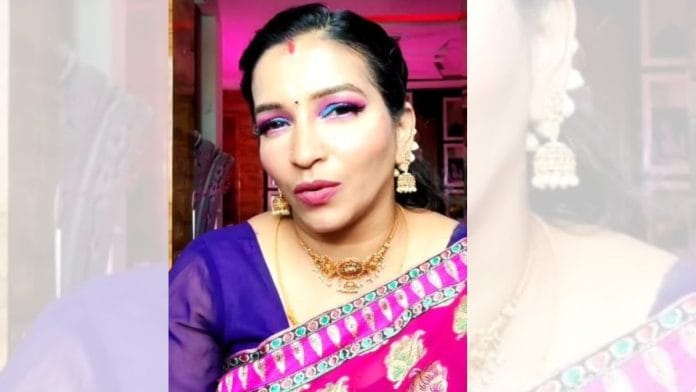
The transition has indeed been vast as the term baddie is now not just limited to the Gen Zs of India but to the aunties making wondrous transition reels on Instagram these days—they are the real baddies.
A very popular “auntie” on social media who has captured widespread attention online is Mangala Gowri, who, with her dance reels, propelled herself into the spotlight within the evolving baddie culture.
There are so many more who are coming out of their comfort zone and rocking on social media and not only getting the love but showing others who a “baddie” really is.
Anyone doing anything confident and cool outside the box is termed a baddie in 2026. The idea has expanded far beyond age, body type, or aesthetic category. It belongs to anyone willing to show up unapologetically.
That’s why the term has naturally expanded to include the “aunties” who were never part of the original image. Their confidence comes from lived experience in navigating expectations, responsibilities, and social pressures over time.
As also noted by Amanda Patjanko, Co–founder of Too Much—the biggest shift in India’s baddie trend is that it is no longer niche but is now seen across different cities and age groups, making it far more diverse and mainstream.
This aesthetic is specifically built on high-impact visual choices—makeup, luxury, streetwear, and a defiant, “unbothered” posture, along with an unapologetic boss mentality that was perfectly curated for the social media era.
Influencers who are often seen as the early risers of this culture have built a massive following by curating and showcasing their own versions of the baddie persona. Through style inspiration, makeup tutorials, and a glimpse into their lifestyles, they shape what the audience aspires to be.
Viewers watch other baddies, get influenced, and decide to be a baddie themselves. So, they shift from being passive spectators to active participants, creating and sharing their own inspired posts, further fuelling the trend. The constant baddie cycle of creation and consumption keeps the trend evolving and firmly in circulation.
So, the real baddie in 2026 is not just a Mumbai girl going to a Tyla concert or a South Delhi regular heading out for a girl dinner.
She is the one who is her own greatest creation. With a silhouette sculpted by fashion and an attitude forged in independence, she isn’t just following a trend—she’s the reason the trend exists.
Views are personal.
(Edited by Ratan Priya)
Way to go, queen behaviour 👑