



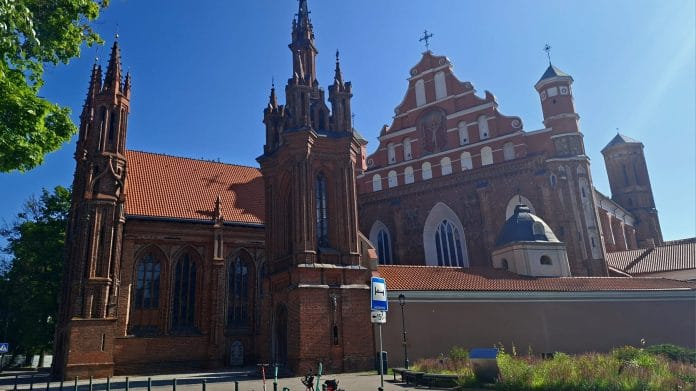
Life in Lithuania may be a bit more relaxed than in giant India: fewer people, less traffic, more space. Our cities are meant for walkers: the central part would typically have an old town and a pedestrian avenue, so pack your walking shoes!
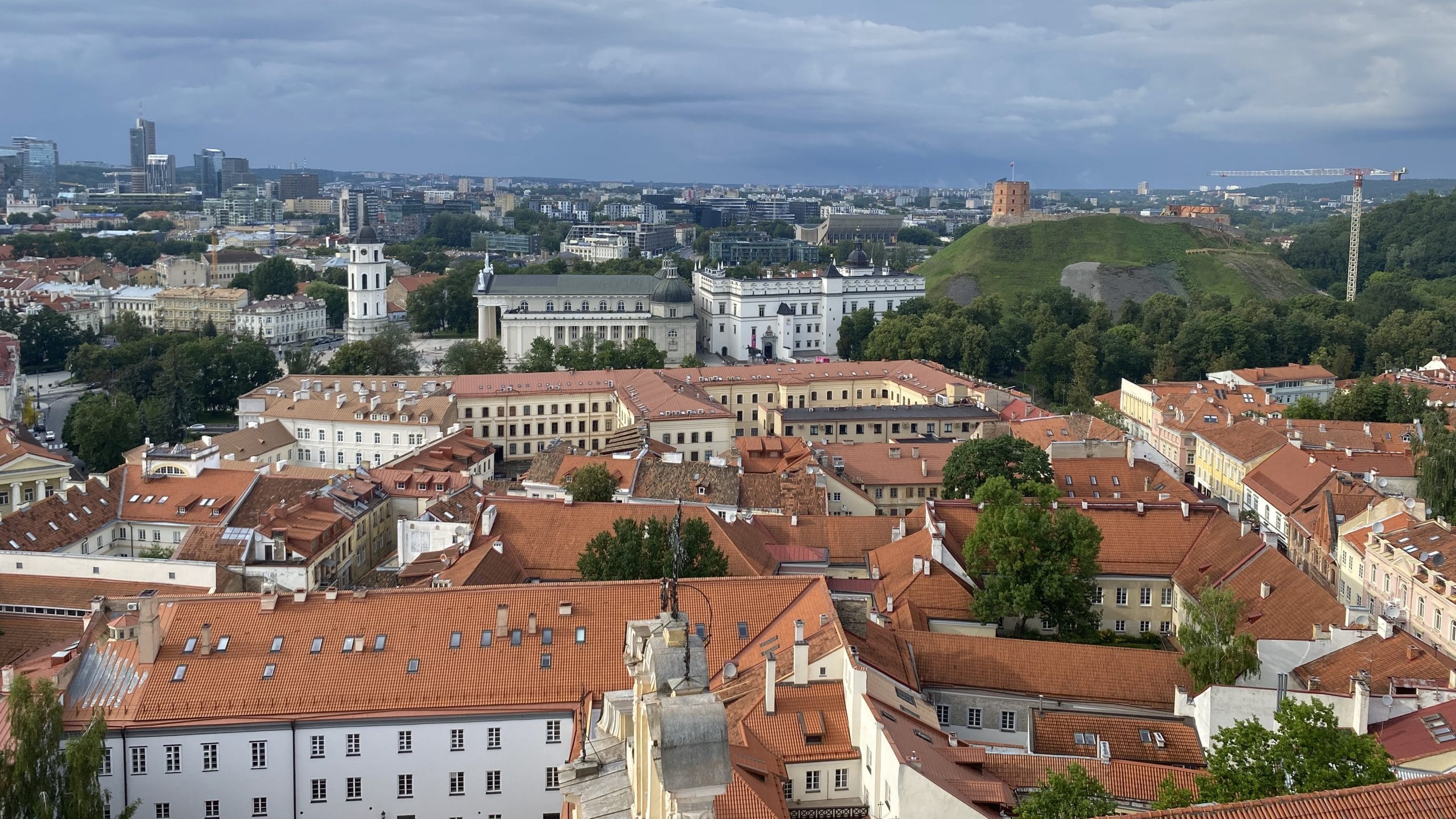
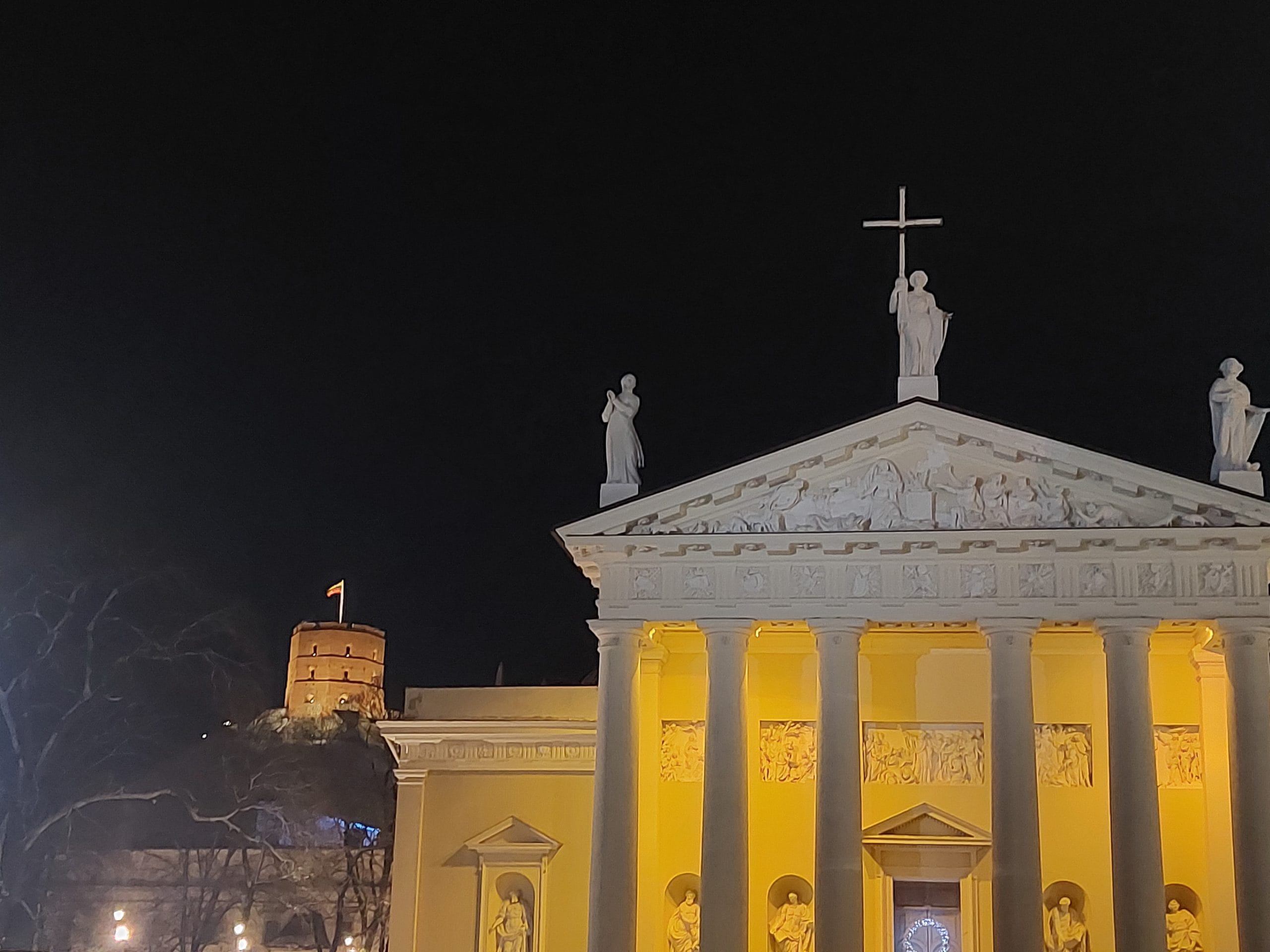
Since I am from the capital city, Vilnius, my favourite place is Vilnius Old Town with its maze of cobbled streets and Gothic and Baroque houses, one of our UNESCO World Heritage Sites. But while it is great to walk, my favourite way to enjoy it is to climb one of several hills or to scale one of its historical towers – Gediminas Castle Tower or any of the belfry towers. And then just let your mind wander in those narrow lanes.
My favourite Vilnius street is Literatų – Writers’ Street, a curvy lane just off the main pedestrian street, Pilies. Its walls commemorate literary personalities from Lithuania and around the world with tiny plaques created by Lithuanian artists. There are hundreds of them, so by studying them you do both literature and art.
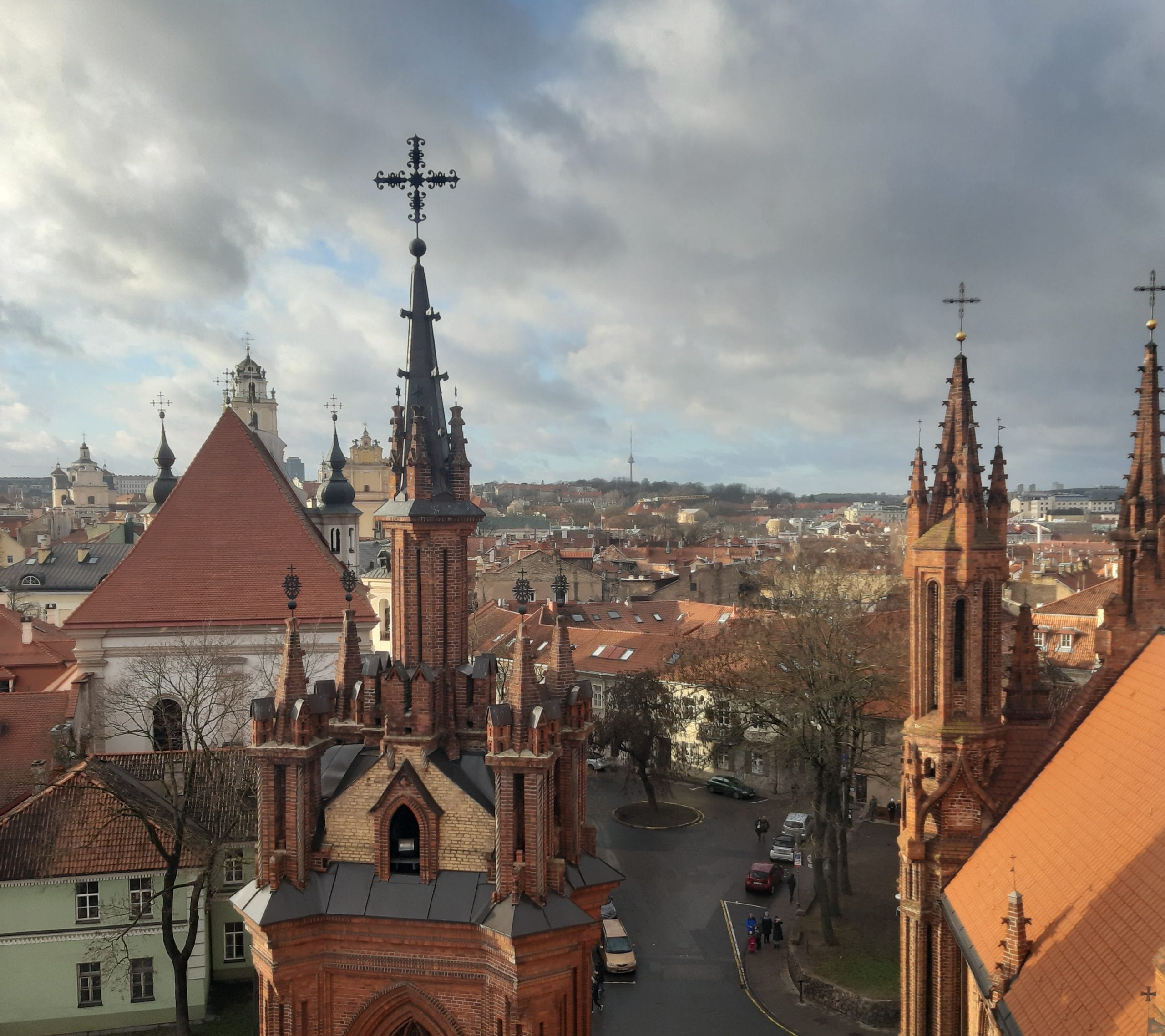
Some plaques are dedicated to my favourite authors, including Kristina Sabaliauskaitė, who took Lithuania and nearby countries by storm with her four-volume book Silva Rerum, the saga of several generations of the 17th-18th-century noble family of the Grand Duchy of Lithuania. Some of its characters inhabited those same narrow lanes of Vilnius, so Silva Rerum-inspired guided tours are now really popular. Another of my favourites with a plaque is Romain Gary, French author who grew up in Vilnius and left a beautiful tribute to his childhood place in his autobiographical novel Promise at Dawn.
Generally, Lithuanian cities have a lot of street art—monuments, sculptures, mini-sculptures, plaques and signage from different eras; one just needs to take time to read them.
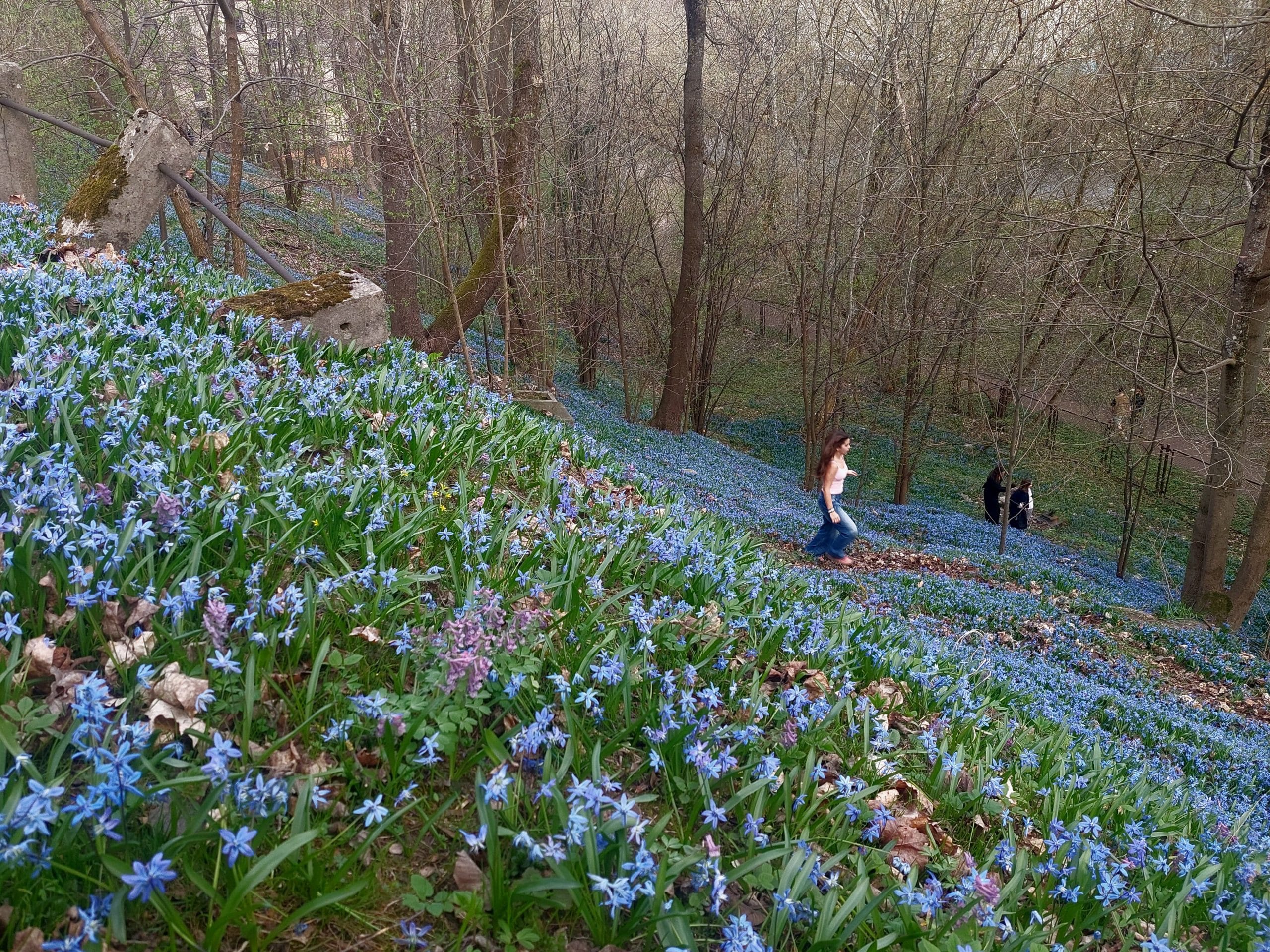
Apart from beautiful historic cities, what defines Lithuania for me is nature. Especially its closeness to city life. It is very easy to escape to nature in Lithuania. Even for an hour or two, let’s say to the huge Vingio Park in the centre of Vilnius, our equivalent of Delhi’s Sanjay Van. It is almost a wild forest where one can get lost and admire hundred-year-old tall pine trees. Then there are many suburban forests and lakes. In fact, Vilnius has just been ranked second globally in the Green City Index, which measures greenery, access to public parks, and air quality. With 61 per cent green coverage and over 1,500 km of trails, nature blends seamlessly into urban life.
Weekends offer a real escape to nature. Even the distant-most Lithuanian destination is barely 3-4 hours away. Geologically, Lithuania is a flat country, but it may not look so. While our highest elevation is barely over 300 metres above sea level, there are many small hillocks and elevations, which make our landscapes look pleasingly wavy. And then there are lakes, thousands of them. Glaciers that receded from Lithuania over 12,000 years ago left us with elevations and depressions, which were filled up with water and became lakes.
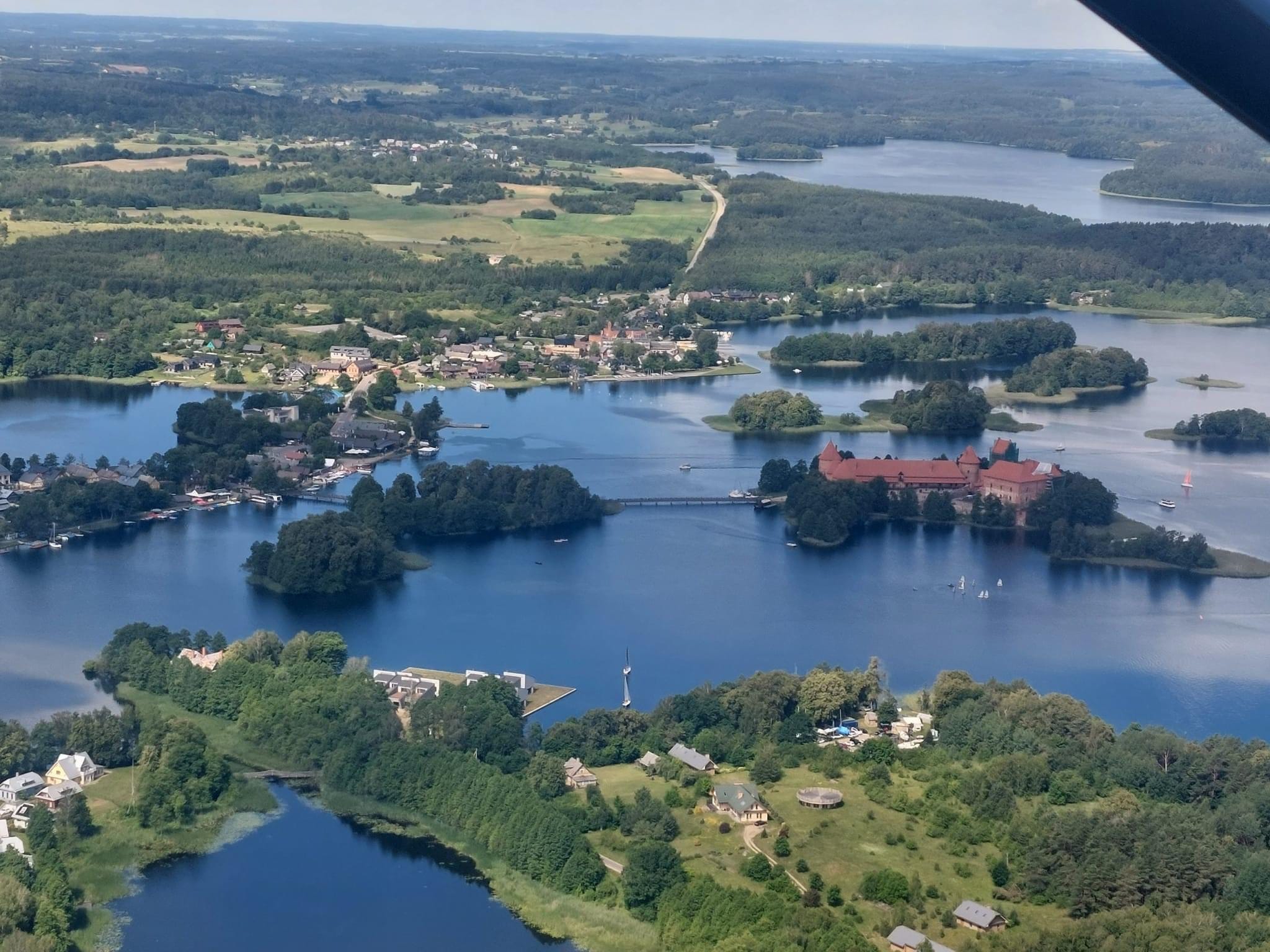
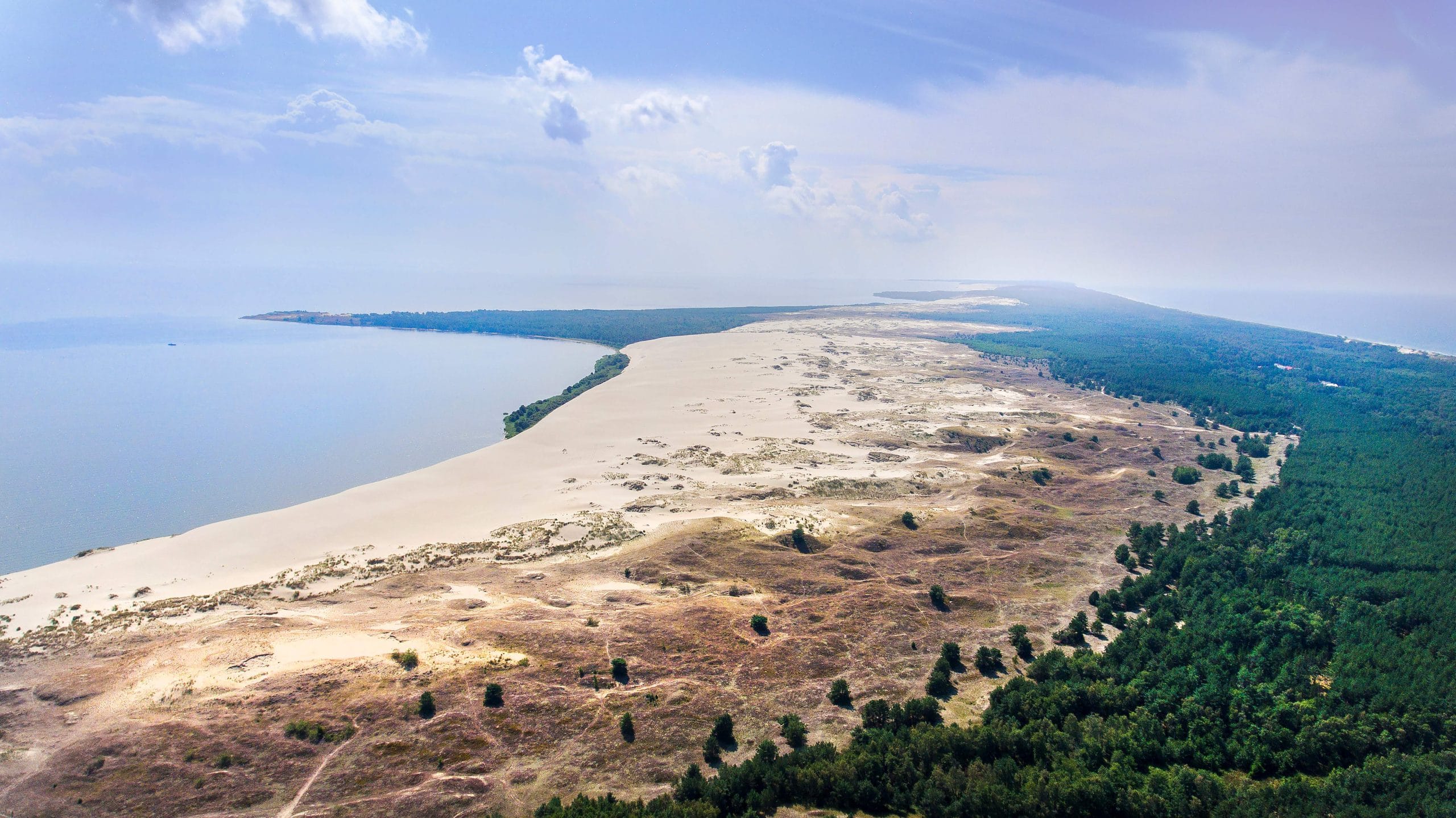
Water is our biggest treasure and joy, natural and clean. Weekends and holidays on the lake are incredibly popular, increasingly among foreign tourists. But no visit to Lithuania would be complete without visiting the seaside, especially the unique Curonian Spit, the narrow strip of land between the Baltic Sea and Curonian Lagoon. Once the barren mass of shifting sands, it was partially stabilised in the 19th century and has four tiny, beautiful resorts next to the surreal sand dunes. But the legends still tell stories of villages buried by the shifting sands.
Also read: India is a civilisational continent. Can never say I’ve seen it all: Lithuanian Ambassador
Dream holiday, dream job
Lithuanians are deeply attached to the idea of owning a home – over 90 per cent of Lithuanians own a house or apartment, perhaps the highest in Europe. While many young people rent their accommodation, the goal remains to own it. Close to 30 per cent also own a second – country home. Ownership obliges one to take good care of one’s homes, and since domestic help is rarely available, DIY is a must. We do most of the work ourselves and we enjoy making our hands dirty: gardening, kitchen garden, making pickles and jams, never-ending small renovations are often part of our holiday, so our holiday homes may mean a lot of work and exercise!
Acquisitions of holiday homes increased during the pandemic when people realised that quarantining themselves among forests and lakes was actually not isolation, but real happiness. Thanks to excellent internet connectivity, many started working from their holiday homes and loved it, so they continue to stay there for most of their week. It is actually my dream too!
Lithuanians may be predominantly Christians by religion and cultural heritage, but we are in fact the last pagans of Europe. Seriously, Grand Dukes of Lithuania were the absolute last rulers of Europe to accept Christianity in 1387 (if a very short-lived attempt at Christianity in 1263 is to be discounted), and the population took another 200 years or more to slowly embrace Christianity.
I think we still have a lot of paganism in our Christianity, often without realising it. I still remember how old women in villages used to leave a bowl of milk for žaltys, a non-poisonous snake, often the object of veneration and fearful respect that reminds us about the cult of snakes. And when we celebrate spring by colouring and rolling Easter eggs in merry competition, this too is a reflection of ancient traditions. Our proximity to nature may stem from those distant cultural reminiscences of nature worship by our ancestors.
Also read: Why the Baltic states remember the Soviet Union as an occupier
As Delhi and much of India get very hot, Lithuania can be a perfect getaway. May is when trees blossom, the greenery is so tender that eyes almost hurt. May and June, though technically summer, can be refreshing and even cold. June is when the day is at its longest and the night is very short – you can still read a book at 11 am without extra light. Summer heat is slow to come and mostly stays in July and August. This is the time when local people get out of their cities and tourists set in.
So Indian tourists with their pre-monsoon heat season and school holiday schedules have a unique opportunity to enjoy the best – Lithuania’s coolest and greenest time. And especially to attend the unique Vilnius Pink Soup Festival on the last weekend of May. With all their love for pink colour, Indian people can really enjoy it.
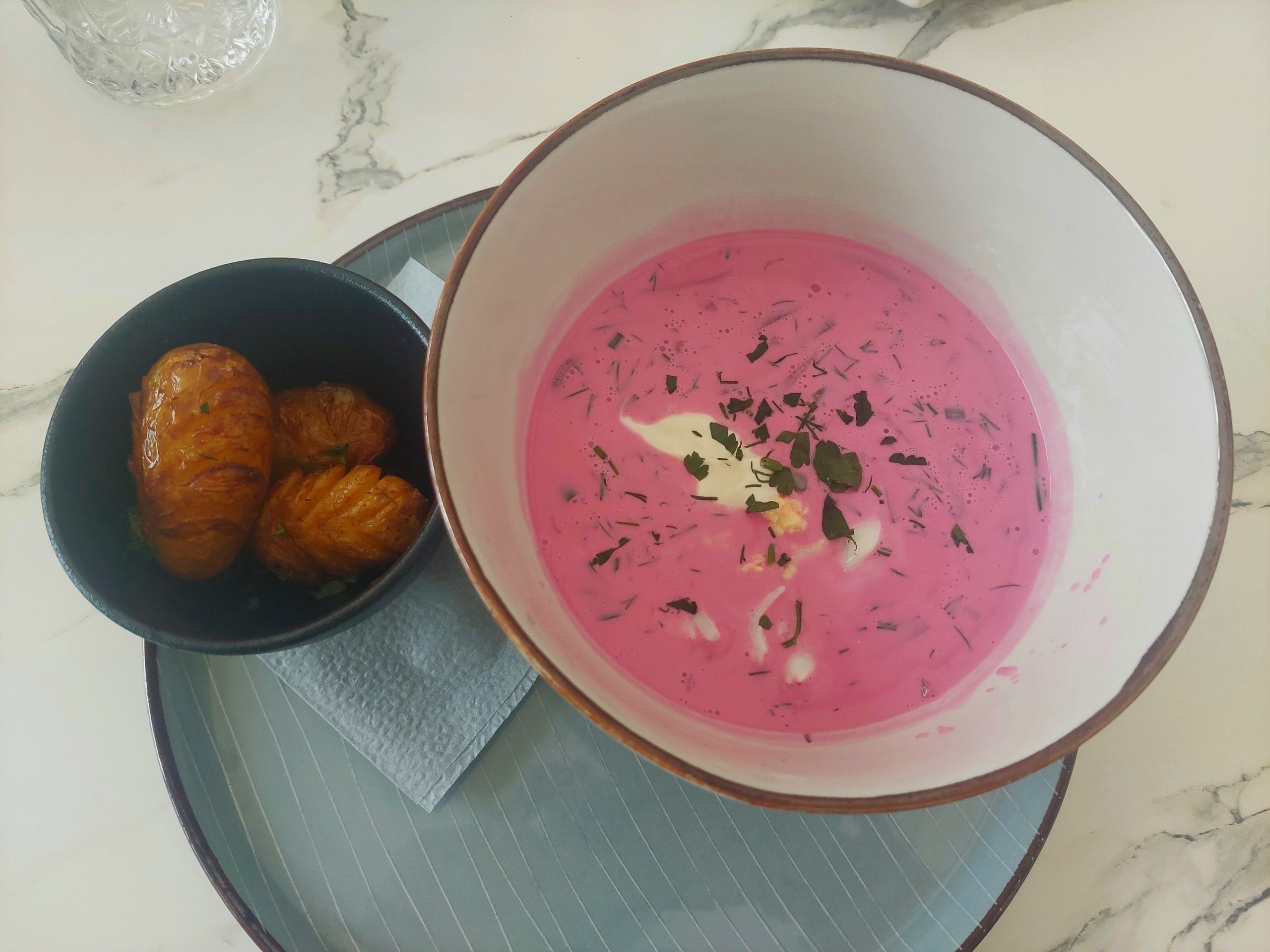
And the Pink Soup itself will not disappoint you; not only is it beautiful to look at, but it tastes really good. It is our iconic summer dish, cold beetroot and yoghurt soup, as we call it in Delhi – chukandar ka raita, lekin bina tadke. It is garnished with dill and spring onion and is eaten with hot potatoes – boiled, fried, roasted in a hundred different ways – we love potatoes and eat so many potato dishes. Just don’t forget to pack a pink saree or kurta!
Diana Mickevičienė is the Ambassador of Lithuania to India. She tweets @DMickeviciene. Views are personal.
This article is part of Diplomatic Cable, a special series in which ambassadors and high commissioners in New Delhi share their experiences of India and introduce readers to the people, culture and traditions of their home countries. Read all the articles here.
(Edited by Prashant Dixit)