






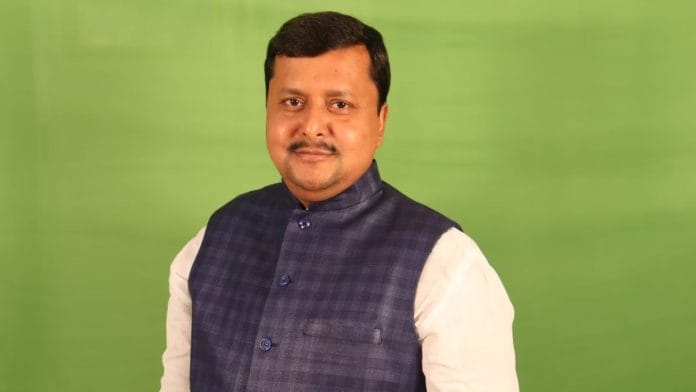



The Bharatiya Janata Party is preparing for a major generational transition, and it has already begun at the top. With the appointment of 45-year-old Nitin Nabin as the new party president, the BJP is sending a clear message that it is thinking not just about the next election, but about the next two decades.
Nabin will lead the world’s largest political party, which has over 14 crore members. The BJP has been in power at the Centre since 2014 and has won three consecutive Lok Sabha elections. It also rules several states. With upcoming elections in Uttar Pradesh and Gujarat in 2027, Karnataka in 2028, and the 2029 Lok Sabha polls, the timing of this selection says a great deal about where the BJP is headed.
The party’s organisational exercise is already underway at the BJP headquarters. A young team of office bearers is being readied to assist Nabin. The BJP is planning to train leaders between the ages of 35 and 50 for national roles.
The BJP is the richest political party in the country, with a reported bank balance of over Rs 7,000 crore. This allows the party to make long-term plans and function in a permanent election mode.
Setting the tone
In the first week of January, Prime Minister Narendra Modi, Home Minister Amit Shah, outgoing party president Jagat Prakash Nadda and Nitin Nabin are expected to sit together to finalise dates and venue for the National General Council and National Executive meetings. Patna and Thiruvananthapuram are among the venues under consideration. These meetings will formally set the tone for the new leadership.
Nadda and his close confidants are already helping Nabin understand the national office-bearer structure. In a one-hour meeting with Modi, a framework was drawn on how the new team should be shaped. The aim is to balance youth with experience.
By April 2024, a new team is expected to be chosen from a list of 65-70 senior functionaries and state leaders. Assigning roles across states and regions is a herculean task, quite like forming a Union Cabinet..
The proposed structure is going to be vast and expansive, and is likely to include 11 vice presidents, eight general secretaries, 11 national secretaries, seven Morcha presidents, one treasurer, an organising secretary and a joint organising secretary, a chief spokesperson, 22 spokespersons, a new IT cell chief, 28 state prabharis, and 18 departments. All major Morchas of the BJP, including Kisan, Mahila, SC, ST, OBC, Minority and Yuva, will play a key role in shaping outreach.
New faces from the RSS will succeed the current organising secretary.
In a short span, Nabin has shown his organisational acumen. He spent a day in his home state Bihar and had two rounds of meetings with general secretaries and heads of frontal organisations. His priority now is to visit Tamil Nadu, Puducherry, and Assam — all poll-bound states. Nabin met all the 150 employees at the BJP national headquarters in New Delhi, where he received briefings from each section head. He will hold regular meetings with them in the weeks to come.
By mid-February, Nabin’s security status will be beefed up and he will be provided with Z-level security cover by the CRPF. A Type 6 government bungalow will be allotted to him.
Also read: Behind PM Modi’s choice of Nitin Nabin as Nadda’s successor—many explanations, only one reason
Planning is key
The BJP has always believed in planned transitions. The new list of office bearers will be announced after the formal appointment of Nabin as the party president, which is expected after 15 January. While younger leaders will dominate, senior and experienced leaders will remain part of the structure.
Nabin is not the only leader being trained. He is part of a larger plan to prepare a new generation that can carry the party forward for the next decade and beyond. The BJP is going beyond preparing just for the upcoming elections and 2029 polls; it is planning succession.
“Going by the (high command’s) decision to groom new leaders for the next decade and beyond, the national office bearers are also likely to be younger in age. There will, of course, be representation of the experienced leaders as well… in addition to caste and gender,” said a party leader, who is aware of the developments.
Importantly, this exercise is not limited to organisational posts. By mid-2026, Nabin will also have to reconstitute the Central Parliamentary Board, the BJP’s highest decision-making body. This is the same board that appointed him as working president in December. Any changes there will provide the clearest signal of how the BJP plans to navigate leadership beyond the Modi-Shah era, even while both remain firmly in command.
The author tweets @RAJAGOPALAN1951. Views are personal.
(Edited by Prashant)