




New Delhi: A special NIA court in Chennai has taken note of revenge threats faced by witnesses in a case of terrorism and ordered extensive measures to protect their identity from the accused during the trial proceedings.
Among the six measures ordered by the court is the use of a voice modulator for the witnesses as well as ensuring that they don’t come face to face with the accused. For the witnesses who had already deposed and whose protection was deemed essential, the court last week ordered supplying copies of statements without their names and addresses.
This was after the National Investigation Agency (NIA) moved an application to protect 14 witnesses in a case of murder involving the members of the banned Popular Front of India (PFI).
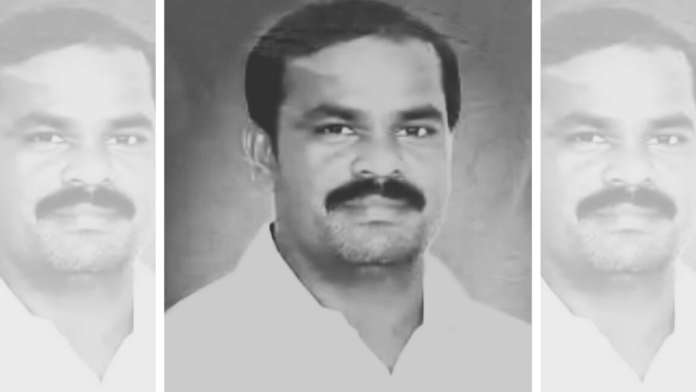
The PFI workers conspired to kill Ramalingam, a former district secretary of Pattali Makkal Katchi (PMK), on the night of 5 February 2019, after he questioned their attempt to compel the poor youth of the area to convert to Islam on the same day, the NIA has alleged. The victim was from Tamil Nadu’s Thanjavur.
It has so far arrested 15, including two prime accused, Abdul Majeed and Shahul Hameed, and filed a chargesheet against them. Three are still absconding.
‘Threat to life’
During the trial proceedings, the counter terrorism agency moved the plea to protect the identity of 14 witnesses, under Section 17 of the NIA Act, read with Section 44 of the Unlawful Activities (Prevention) Act, which empowers special courts to order the protection of witnesses.
At least two eyewitnesses of the offence were reluctant to be a prosecution witness, citing threats to life, the NIA said.
“The fear of LW20 is that if his identity is exposed to the accused, there is grave danger to his life, appears to be genuine and hence his name and identity need to be protected,” the special judge noted.
Another set of witnesses who knew of conspiracy meetings and identified the accused, too, expressed reluctance to become witnesses.
“The fear of life anticipated by the witness is a genuine one and there is danger to the life of the witness if the identity of the witness is exposed and hence this court inclines to protect the identity of the witness forever,” the judge said.
On the other hand, counsel for the accused contended that the denial of original testimonies and the blanket protection of so many witnesses hampers their case and denies them the opportunity to have fair trial proceedings.
“The right of the accused for an open trial is not an absolute right, and this court needs to ensure that the witnesses depose without fear or danger to their lives or those of their close relatives. This court has a responsibility to ensure that the witnesses feel safe and able to give evidence,” the judge observed.
Subsequently, the judge ordered measures such as holding court proceedings at a protected place and not having names or any identity-revealing details on any court documents accessible to the public, among others.
(Edited by Tony Rai)
Also Read: ED attaches Rs 29,176 from bank account used to receive ISIS funds for 2022 Mangaluru IED blast