





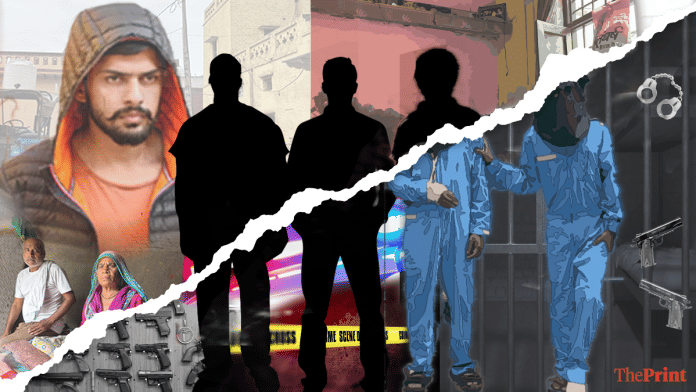


Sonepat: Riwara village in the Gohana tehsil of Haryana’s Sonepat district is like any bucolic rural community north of the Capital. It’s an old village in a tehsil where Prithviraj Chauhan once built a fort that was destroyed by Mohammad Ghori in 1192.
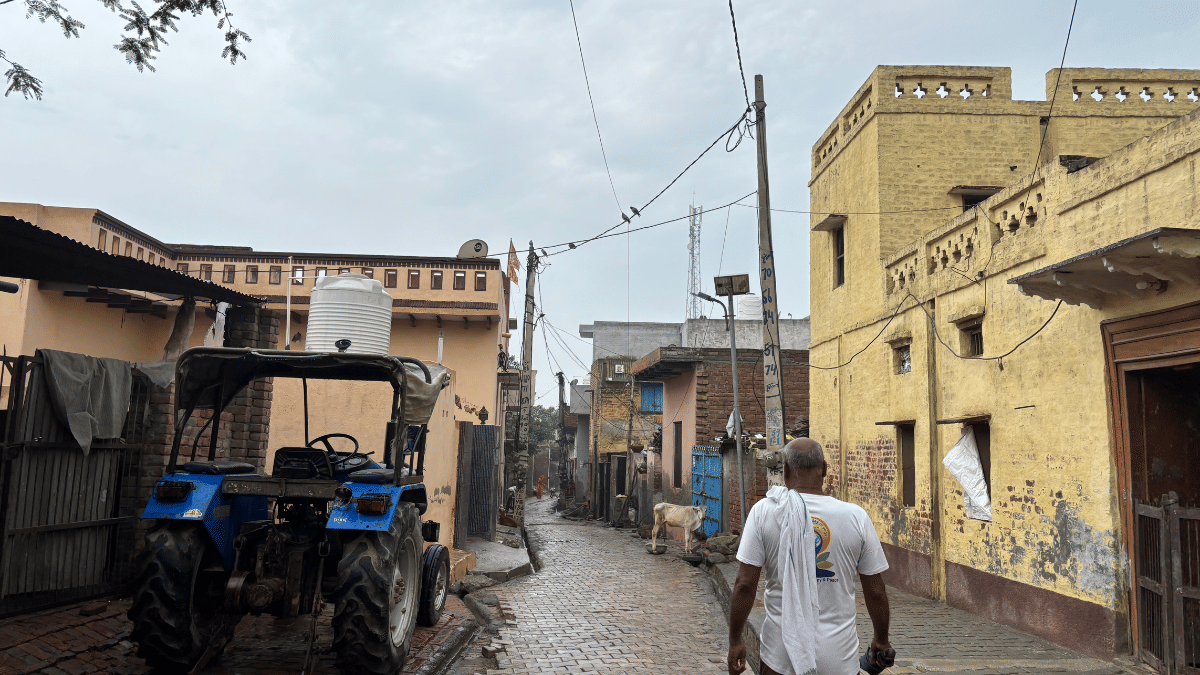
There’s a sameness through the alleys and byways of Riwara. Elders cluster around gurgling hukkahs outside their homes; several gates boast of sons in the Delhi or Haryana Police. There’s peace, and unhurriedness.
But there’s also fear, fine and pervasive like sand left by a storm. It centres on the ‘baalak’, or children, and the threat that the lure of organised crime, as represented by gangster Lawrence Bishnoi, poses to the parents. The jailed gangster’s network is constantly on the lookout for ‘use-and-throw’ footsoldiers, casual criminals of the disposable kind.
Apparently, Riwara is a happy hunting ground for Lawrence Bishnoi’s global enterprise. It was only recently that the Delhi Police Crime Branch and Special Cell arrested four young men—Hakikat alias Sahil, Sagar, Arman and Tushar—from this very village for firing at singer Guru Randhawa’s gym in New Delhi’s Paschim Vihar at the behest of Lawrence Bishnoi and the Anil Pandit organised crime network (OCN).
The same day, the same network was also responsible for the murder of a gym owner in Hansi district of Haryana.
The police said that the boys, hired for anything between Rs 10,000 and 15,000, thought their acts were just ‘hawabazi’ (bravado).
Their families don’t think so. Back in the village, their parents cower in shame, ducking questions about their criminal progeny. One family can’t even afford a lawyer, let alone get bail. Another family is dumbstruck by the court order that says ‘bail rejected’.
This incident—and other similar ones that are reported almost every week—have turned the spotlight on how ordinary friendships in villages are turning dangerous, and why parents are keeping a check on who their children follow on Instagram, the social media platform that has become a recruitment centre for single-use shooters.
Angry village
In Riwara, the old men sit at the sarpanch baithak to discuss everyday affairs. Bishnoi is a name that comes up with an unmissable frequency. Sandeep, a 63-year-old farmer, says that it was during the Covid epidemic that everything changed. Pointing towards his phone, he says gravely, “This is the reason our youth is getting destroyed.”
He says the boys would sweat it out in the fields in earlier days, but now nobody wants to do these jobs, or real work. “Everybody wants a shortcut. Everybody wants a TV, an AC, a new car.”
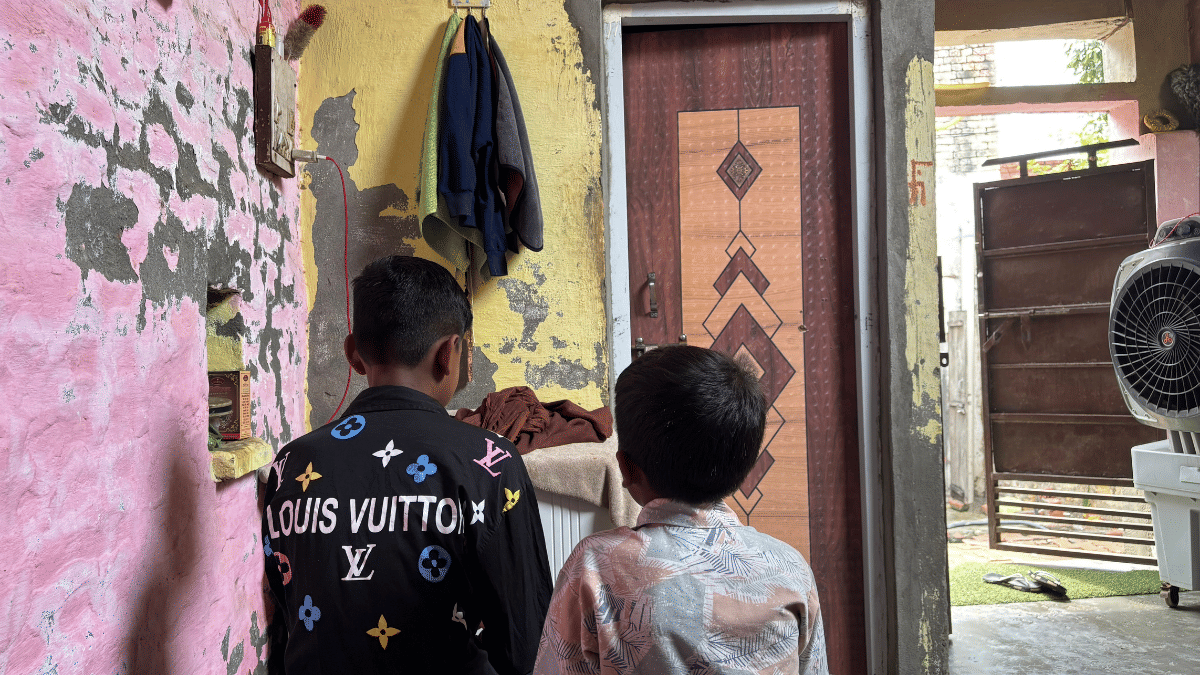
Riwara has certainly changed. From providing recruits to the army and police, it is now a place for show-offs and face-offs. This ‘new’ culture is not short on visibility. Young men wear Louis Vuitton jackets, Porsche caps, Aston Martin T-shirts. New York City seems to be favourite legend for apparel. Most are fake, but that doesn’t seem to matter.
Big SUVs like the Thar are their daily rides, mostly rented, much like their owners hope to be. “These young boys play loud music on speakers. Most of them are of Siddhu Moosewala, Amit Saini or Masoom Sharma. These songs glorify gun culture; pistols and revolvers have been mentioned in the lyrics,” Sandeep says, visibly angry. “They all think this film life is reality.”
A young 24-year-old feels the heat of Sandeep’s anger. He says, “It is daaru, murga, and dabdaba (alcohol, chicken and domination) that drives the young boys.” That’s a step up—or sideways—from the Maturam’s jalebi that Gohana is famous for.
Inside a foot soldier’s home
Who is a foot soldier? The police say that gangsters based abroad task their handlers with certain targets, and these foot soldiers are hired for a few thousand rupees, with lucrative offers on the side like joining the gang, getting to meet the gangster, alcohol and food bills paid for, and if lucky, a new life abroad. They are tasked with contract killings, shootouts, extortion, protection money rackets, gun-running, highway and bank robberies, and land-grabbing.
The flip side is that these foot soldiers are ones to face the heat and get arrested when things go south.
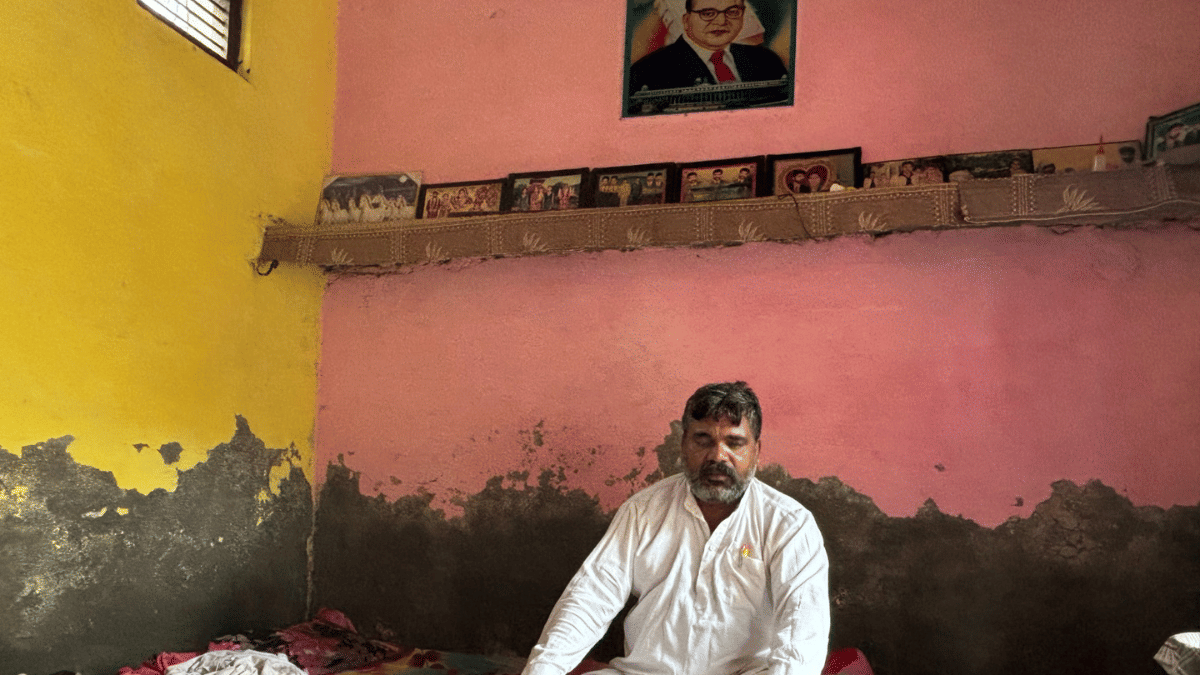
In Hakikat’s house, sorrow hangs in the air like the light pink and yellow paint peeling off the damp walls. A framed portrait of Ambedkar rules one wall; Hakikat’s mother Sudesh kneads atta (flour) with the desperation of routine. Her husband Satyawan sits close by, watching Facebook videos on full volume. The first question about Hakikat, and tears begin to roll.
Hakikat, 22, and his cousin, Sagar, 23, began as young boys who found a job at a factory in Gohana town, and had been working for over a year. Both had studied till Class XII.
“I had a dream,” a teary Satyawan says, “that they grow up, and earn money, that we don’t have to ask other people for it. They started work, and managed to earn around Rs 13,000 per month each. We were getting along; we even managed to marry off our daughter with that hard-earned money.”
Some three months ago, however, their local contractor stopped their payments. The duo wanted to fight the contractors, but Satyawan told them not to. Satyawan is diabetic and can’t work. He used to work as a driver. “I thought they are young now. They will earn and feed us,” he says.
Two months ago, Hakikat disappeared. No calls, no messages, says Satyawan. “I called him many times, but he never picked up.”
It was toward the end of June that Satyawan received a call from the Delhi Police. “They said my son has been involved in firing,” the middle-aged man says, recalling how he told the officers he doesn’t even have the money for bus fare from Sonepat to Delhi. “I was ashamed. I told the police, ‘beat them up for what they did’.”
As the incident was reported in local media, the pictures taken by the Delhi Police were splashed all over. What seemed like entire village gathered at Satyawan’s home. The couple couldn’t stand the embarrassment. “What have you done?” “What has your son done?” “Was there nothing better for him to do”—Satyawan remembers questions that came for him like angry bees.
When Satyawan finally reached the station, the police played him a call recording. He recalls the voice that said, “I am Anil Pandit from the Bishnoi gang. We made him fire. If the work isn’t done in two months, we will finish him.”
The household has gone numb now. Satyawan’s wife doesn’t speak, doesn’t make eye contact. The two bicker constantly, blaming each other for not paying attention to Hakikat.
Empty pockets, no bail
Common to all four arrested men is that they represent the loss of an earning family member.
Sagar’s house is adjacent to Hakikat’s. His mother, Teejo, a widow, doesn’t come out of the house. She survives on a monthly government pension of Rs 3,000. Like his cousin, Sagar too quit studies after Class XII, and started looking for a steady factory job.
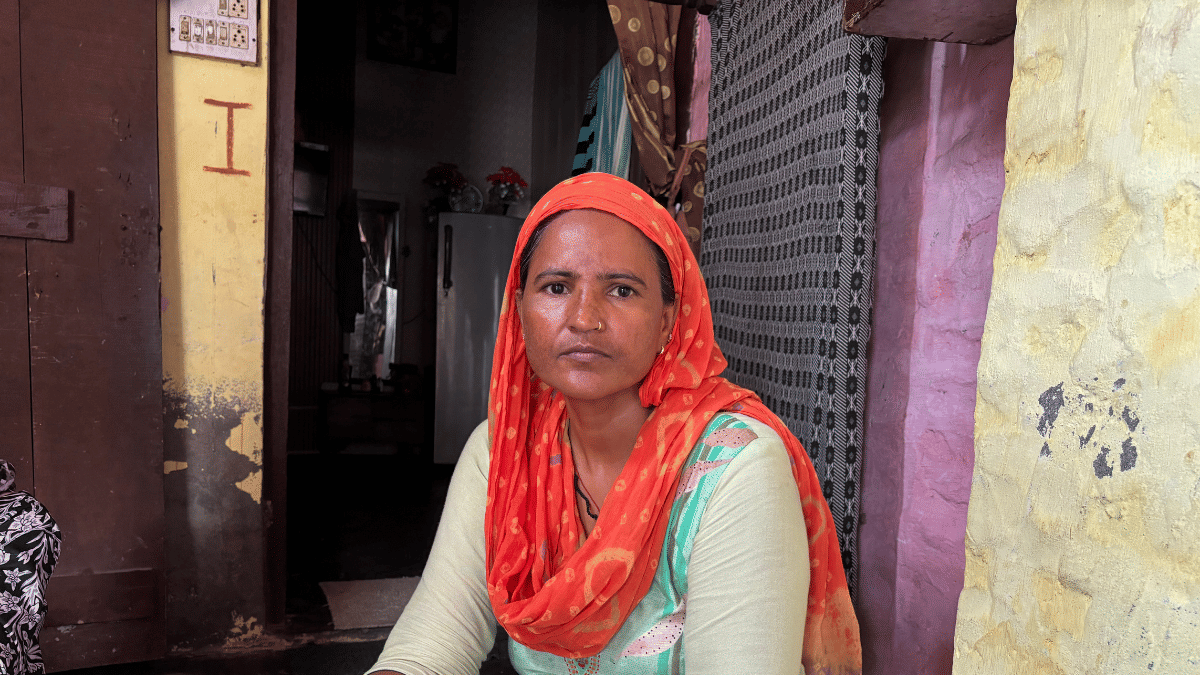
Teejo doesn’t remember her son having any expensive hobbies. “Before he went into hiding, he had gone to Amritsar. He took a flight. I was worried how he would manage to pay for the ticket. But he said that his friends had taken care of it.”
The last time Teejo saw her son was on a video call made from a Valmiki temple in Amritsar.
Teejo hasn’t heard of jailed gangster Lawrence Bishnoi. Nor that the US Federal Bureau of Investigation (FBI) launched a crackdown on the Bishnoi syndicate. She doesn’t know about the killings of Punjabi singer Siddhu Moosewala or Nationalist Congress Party leader Baba Siddiqui.
“I only found out through the police. They asked me if I have a lawyer, I told them I don’t even have the money to afford bail,” she says, voice rising. Teejo blames friendships for her son ending up in judicial custody.
On Tuesday, Teejo managed to speak to her son on a phone call, barely for 10 minutes. All she remembers is her son saying, “I made a huge mistake.”
“There was a temporary medical dressing, over a bullet wound that he received during the police encounter. When I wanted to ask him why he did what he did, the time ran out,” she says.
Instagram bravado
The Delhi Police investigation has revealed that the journey from these poor homes to gym shootouts and, finally, jail began entirely on mobile phones. Both Hakikat and Sagar come from families with no farmland, and they had growing insecurities about money.
“Sagar also had a drug problem. It requires quick money. The two began scrolling Instagram last year, and their timeline was just about Bishnoi. They enjoyed it. Both were desperate for hawabazi, and for quick money. This was an easy way out,” says an officer from the Crime Branch.
The two got in touch with one Randeep Malik, an associate of gangsters Anil Pandit and Lawrence Bishnoi. “For a gang looking for disposable shooters, they were the best targets. They told them, ‘Bhai ke sath judna chahte ho? Toh kaam toh karna padega (Do you want to join up? You’ll have do a job first)’.”
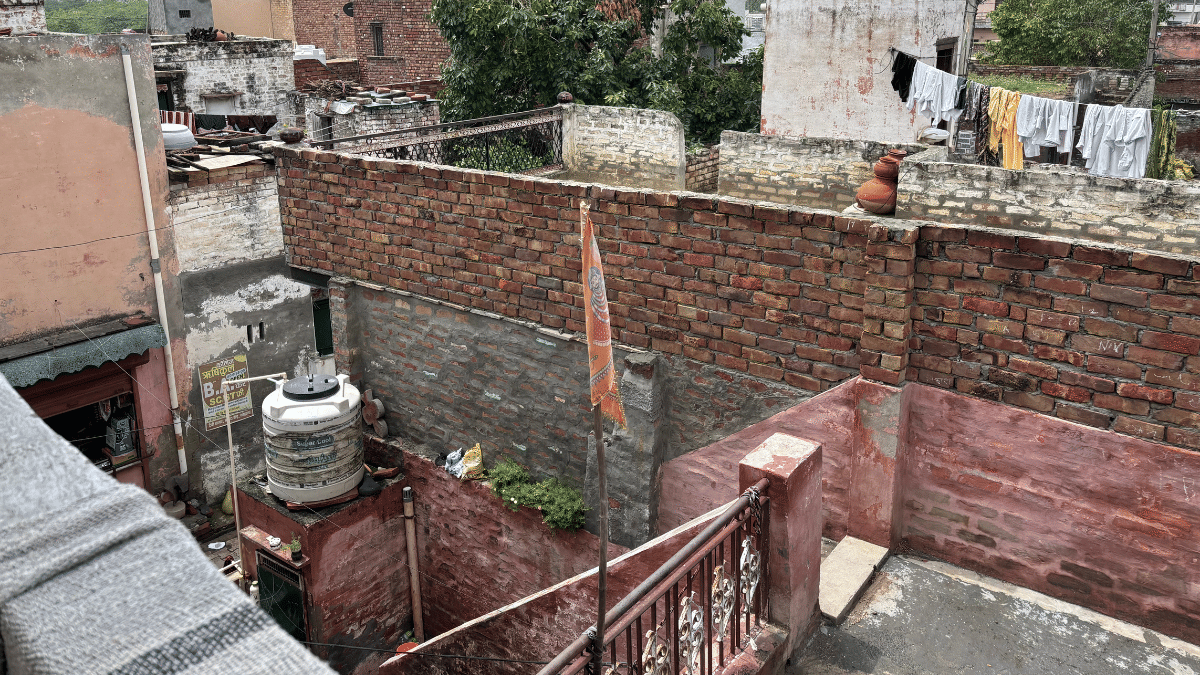
They desperation of the boys was fertile for such poisonous seeds. Not only were they told that their lifestyle will improve, they were also told this could get them out of India. Sagar even got a passport made a few months ago. They got Rs 10,000-15,000 for expenses. “The handlers said, ‘Famous ho jaoge, bhai accept karenge (you’ll be famous, accepted by the leader).’ To seal the deal, they were also sent on a fully funded trip to Amritsar,” says the officer.
Once the two cousins were trapped, they became recruiters themselves. They were told they don’t have to kill anybody, just fire some rounds at given targets. The duo then told Arman and Tushar, their childhood friends, to join up as well.
Arman had been working as a delivery boy in Delhi, and had recently bought a bike. His father was a municipal worker, a sweeper. When he died, the job went to Arman’s mother.
Tushar, on the other hand, was living a different life. He lost both his parents very early, and it was his grandmother who scrimped and saved to send her grandson to Russia for further studies two years ago. He had started working at a fast food outlet to help pay the bill.
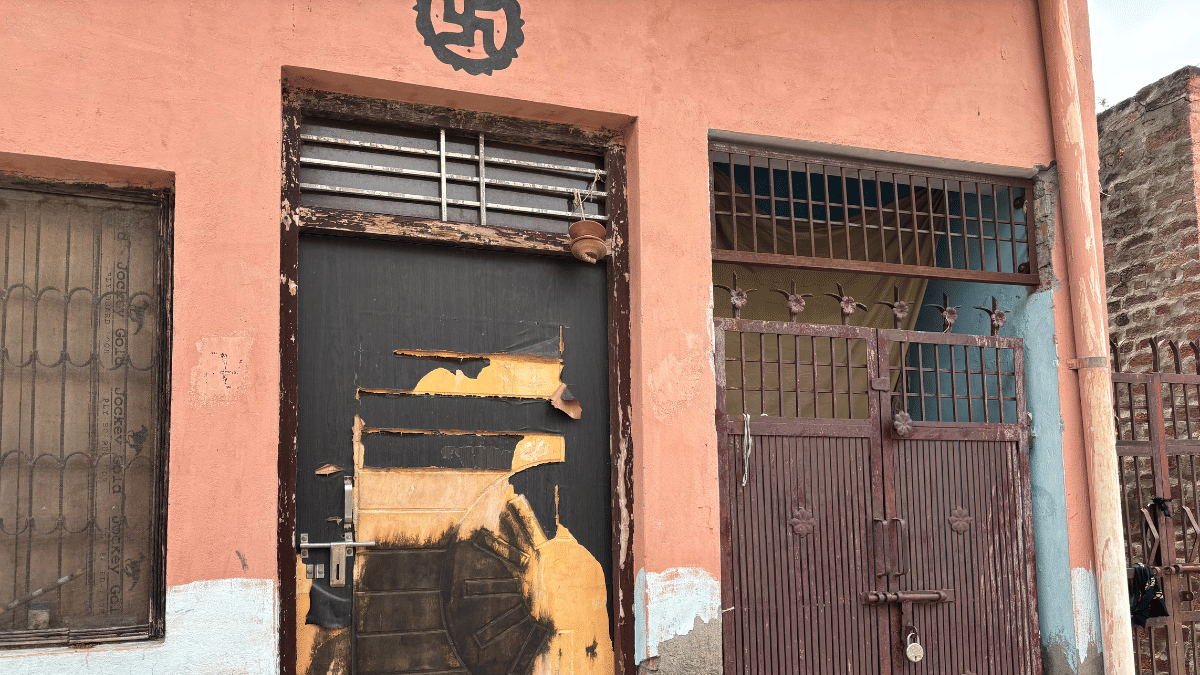
“Tushar returned to India in June, and needed money for a visa. His plan was to move to Belarus. So he, too, joined in. Arman and Tushar didn’t join officially. They were asked by Hakikat and Sagar, and they did it for friendship,” the officer says.
Also Read: Minor recruits, web of lieutenants & ‘patriot’ image—US indictment lays bare Bishnoi syndicate
Lawrence Bishnoi associates
The US Department of Justice on Tuesday unsealed three indictments naming 37 defendants across the US, Canada and Europe. According to the indictment, despite being in prison, Lawrence Bishnoi allegedly ran a syndicate through a network of “trusted lieutenants” and regional leaders.
The indictment also alleges that Lawrence Bishnoi cultivated the public image of a “patriot”, “nationalist” and deeply “religious” individual to attract recruits and expand the syndicate’s influence. It said that the Bishnoi gang recruited new members primarily from “vulnerable, disadvantaged populations in India,” primarily Punjab, through promotional videos and messages posted on social media sites.
“The Bishnoi OCG (Organised Crime Group) targeted minors for recruitment to minimize the sentencing exposure that would otherwise attach to violent criminal activity committed by members and associates of the enterprise,” the indictment says.
Recruitment coordinators for the Bishnoi OCG enticed impoverished minors in India to join the enterprise by promising, among other things, money, notoriety, and protection, it says.
“The Bishnoi OCG sent loyal members to countries outside India, including the US and Canada, on student visas and foreign worker visas—often containing fraudulent information—to assist the enterprise’s criminal operations in those countries,” the indictment says.
It is interesting that the National Investigation Agency, in one of its chargesheets against Bishnoi, draws parallels between the Bishnoi gang and Dawood Ibrahim, the kingpin of the infamous D-Company and a wanted terrorist involved in organised crime.
Dawood, too, started with petty crimes like fraud and robbery in the 1980s and became notorious for terrorism, extortion, targeted killings, and trafficking. And, by the 1990s, he had 5,000 henchmen generating crores. Within 10-15 years, he gained infamy, with the US designating him a global terrorist in 2003 over the 1993 Bombay serial blasts.
Bishnoi, too, has managed to build a syndicate across north India, creating a network of 700 associates and members in more than 10 years. Police sources speak of a legion of Bishnoi followers who share “pictures from court visits to social media posts. They chant slogans like as ‘Jai Balkari Ji’.” Followers engage with this content. “The more visibility a post gets, the more henchmen you meet,” one source says.
There are only a few pictures of Bishnoi on the Internet; all are from police custody. They are still popular on the Internet, especially in Instagram reels. One can find more than 100 such Instagram accounts featuring Bishnoi’s name.
Shooting and interrogation
Once armed, the four young men on 11 June fired seven rounds outside the 24HS Fitness Gym in Paschim Vihar owned by singer Guru Randhawa. Soon after, a viral Instagram post by Anil Pandit, an operative of the Lawrence Bishnoi syndicate, claimed responsibility, stating that the attack was a warning to Randhawa for his close ties to the Bollywood actor Salman Khan.
On 15 June, the Crime Branch arrested Arman and Tushar from Bahadurgarh. On 26 June, the Special Cell arrested Hakikat and Sagar, near the Sahibi river.
A senior Special Cell officer says that the interrogation of Hakikat and Sagar revealed how the syndicate was also present and involved in the murder of Kapil, a gym owner in Hansi, the very same day.
“The continued interrogation of Sahil and Sagar gave developable clues about the gruesome murder committed by a separate, yet interconnected module of the same Hariram (Harry) Boxer-Anil Pandit organised crime network on 11 June, where a gym owner was shot dead in Hansi, Haryana,” says an officer.
‘Don’t know where to go’
Arman’s uncle Rajesh and grandmother Chando have managed to save some money to find a lawyer and apply for bail. Chando is upset. She doesn’t believe that Arman would willingly join a gang. “He was a hard worker, unlike other boys, who would not enjoy free food.”
She says it was Sagar and Hakikat who misguided him. “When Arman spoke to me, he told me that he was framed. He did not know what he was getting into. This is wrong…”
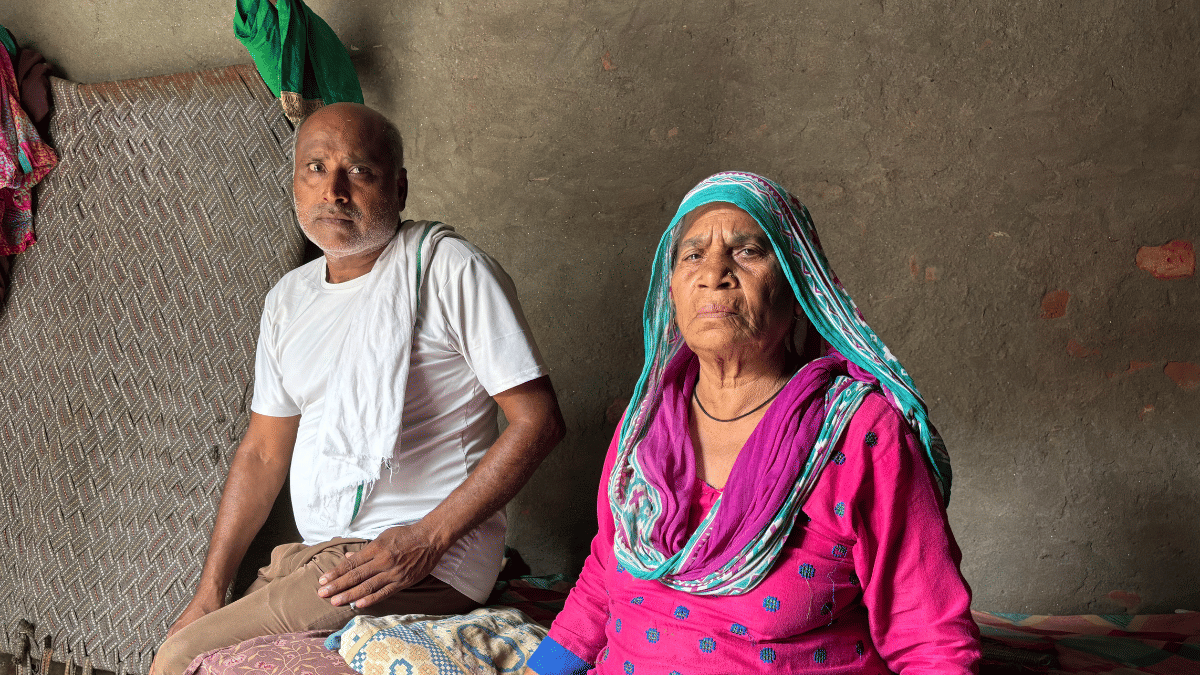
Arman’s family features a Border Security Force jawan, a lawyer, and a teacher. This is the first time the family has had to go to a court.
Judge Vishal Pahuja of the Tis Hazari Court on 7 July noted that the investigating agency has gathered sufficient material which reflects the presence of the accused along with co- accused persons at the place of incident; the motorcycle used in this case is found to be that of accused.
The judge further said that there is no doubt no injury has been caused to anyone in this case but the “allegations made against the accused/applicant and his associates are serious in nature and they are alleged to be part of Lawrence Bishnoi Gang which indicates towards an organized criminal syndicate”.
“The co accused persons are yet to be arrested and the apprehension of the prosecution that applicant/accused may hamper the investigation cannot be ignored in view of the nature of the offence committed by him. The investigation in the present matter is at the initial stage and chargesheet is yet to be filed.”
The court did not consider the bail application, and dismissed it.
Drugs, migration & gang war
JNU professor and sociologist Surinder Jodhka has seen both Haryana and Punjab dealing with drug abuse, illegal immigration, and now recruitment by gangs.
Jodhka calls this the “globalisation of imagination”. He says this is why the criminal industry has been recruiting people. “In India, people from small towns are restricted to gig-worker jobs in Tier I and II cities. This is why the aspirational space is flattening. The friendships are class-based, rather than caste-based.” He also blames neoliberal capitalism for encouraging people to be available wherever there is labour needed.
Another officer from the Punjab Police, who has investigated several such cases, puts it more bluntly. “This is a tempting avenue. It is the unemployment crisis that drives people to commit these crimes. There is no social security, and no accountability. It is all for money—and everybody makes a part for their role—from a foot soldier, to a logistics supplier, to a handler, to whoever has called for the task.”
(Edited by Nardeep Singh Dahiya)