







Tamilaga Vettri Kazhagam’s rise is not just the story of a new party in Tamil Nadu but part of a much longer tale of how regional parties are born, split and endure in Indian politics. In this episode of Cut The Clutter, ThePrint Editor-in-Chief Shekhar Gupta traces that churn through parties such as the DMK, TMC, Shiv Sena, TDP, BJD and AAP, and explains why ideology, a loyal vote base and deep state roots often matter more than a fresh face.
Here’s the full transcript, edited for clarity:
These state elections have made a very interesting addition to our political vocabulary. If you look at Indian politics, I am tempted to call it an alphabet soup, but that would be a tired cliché. It is more like a salad bowl, or perhaps a buffet, or, if you want to be more exotic, a smorgasbord of many acronyms. And by acronyms, I mean different parties.
Our politics is fertile and vibrant, with new ideas, new political forces, new ideologies, ethnicities, languages and castes all contributing to the creation of new political parties. In that buffet, or that smorgasbord if you prefer, we now see another one called TVK. This is actor Joseph Vijay’s party, Tamilaga Vettri Kazhagam, which loosely translates as Tamil Nadu Victory Party.
He got a striking symbol too: a whistle. Anyone who follows CSK or the IPL knows the importance of the whistle. It is also CSK’s anthem in a way—“Whistle Podu”—which literally means “blow the whistle” or “cheer for the team”. So the party has a good symbol.
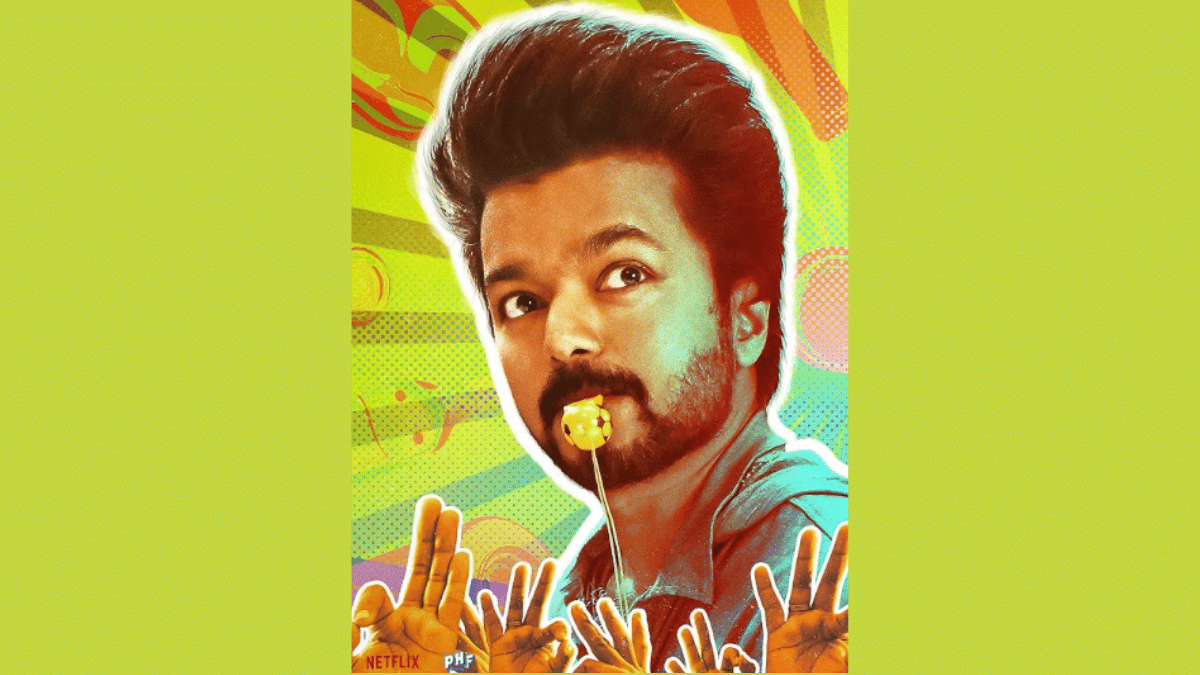
The party also has some interesting ideas. But the most interesting thing is that it has nothing radically new. These are essentially Dravidian ideas. I should pronounce it better than we often do in the north. It is not “Dravid”; it is “Dravida”. I hope I have got that almost right, or at least improved.
He has called the BJP his ideological foe and the DMK his political foe. But his politics is not very different. It has the same egalitarianism that Dravidian parties have followed. More importantly, he wants to abolish NEET, which the DMK also wanted. He wants education on the state list, which both Dravidian parties also wanted. He supports the two-language policy—Tamil and English—so he is anti-Hindi as well. All of that is there.
One of the main reasons he has won power this time is that he is a fresh face. He comes in without a track record that carries any negatives. He also showed great organisational ability, because he set up a fan club that became a welfare association in 2011 and worked on the ground. In 2024, he formed the party, and within two years he is in power.
It is also paradoxical that a new regional party has risen in our country on a day when a powerful regional party has suffered a major setback. That is the TMC. TMC has been defeated badly, and it will take some doing for it to recover, because the BJP is now in the state and the BJP is also at the Centre.
Imagine TMC having to survive a CPI(M) government in West Bengal. That would have been tough enough. But CPI(M) would not have had the central government as well. In this case, the BJP government in the state also has the BJP in the Centre. So it is going to be that much tougher for TMC to come back from this situation.
TMC was formed on 1 January 1998. In fact, it was around that time—between 1997 and 2000—that many new parties came into being. Many of the acronyms we became familiar with came up in that period.
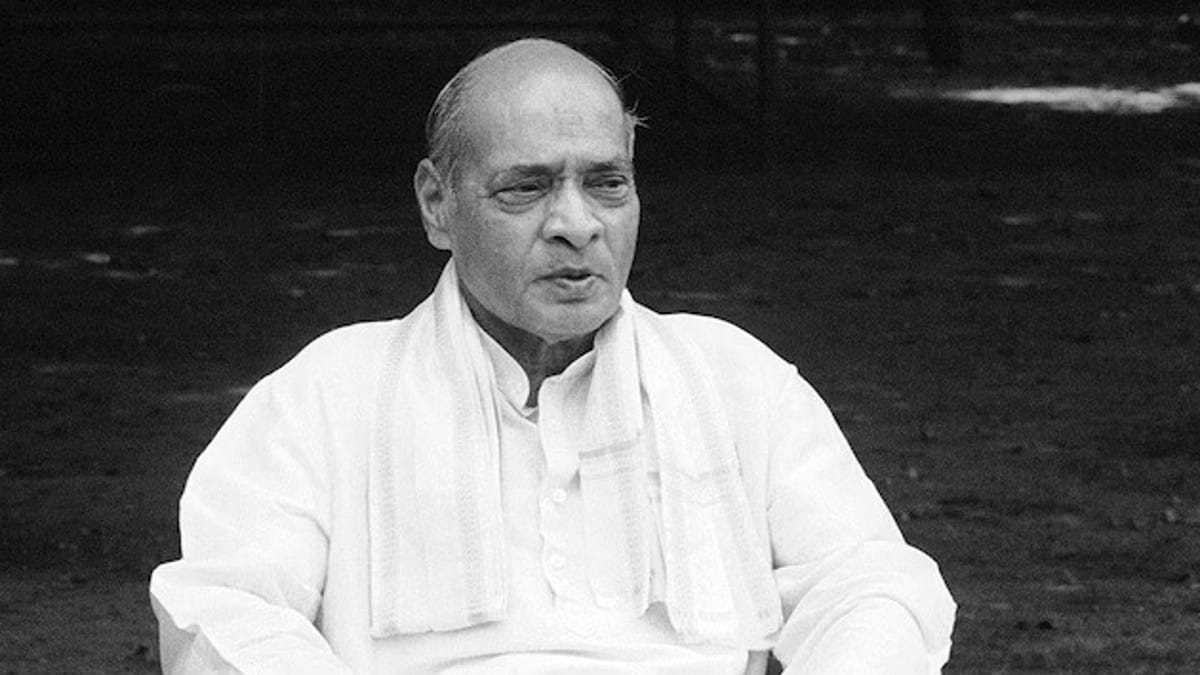
Why did this happen? One reason was that the Congress party had a leadership crisis. Not everybody agreed with Narasimha Rao, so some people left the party in his time. After him came Sitaram Kesri, and then more people left. It was in that period that many Congress leaders went out and formed new parties. It was also the period when many old socialists split away and new parties emerged.
Then there was the Lok Dal, formed by Chaudhary Charan Singh in the 1960s, which was one of the key members of the Janata Party that came into being in 1977. The Janata Party of 1977 had the Bharatiya Jana Sangh, which later became the BJP; the Congress for Democracy, created after Indira Gandhi split the Congress in 1969; the Socialist Party; and the Lok Dal. Those were the constituents of the Janata Party in 1977.
By 1980, the Janata Party was breaking up. It became a story of a heart broken into a thousand pieces, some pieces falling here, some there. That is a literal translation, and it sounds bad, but that is what it is.
Even before Chaudhary Charan Singh’s party became the Bharatiya Lok Dal in 1974, it had had another avatar. It was the Bharatiya Kranti Dal in the late 1960s. He had split away from the Congress because he disagreed with Nehru on agrarian policy. He found Nehru too socialist.
These are intricacies of Indian politics that are not adequately appreciated. Today, most people would not believe that Chaudhary Charan Singh broke away from the Congress because he wanted the party to free up Indian agriculture, while Nehru wanted to go the harder socialist way.
Many of those splinters later became successful regional or caste-based parties. The RJD, the Yadav family party; the Samajwadi Party; the JD(U); the JD(S), the Gowda family party; the LJP, founded by Ram Vilas Paswan; and others all come from the same pedigree.
Then, in the middle, we also had the Samata Party, which ultimately morphed into JD(U). It was called that when George Fernandes was also there.
Some of these survive. Some have declined. Some survive as adversaries of the BJP, especially the SP and RJD. Some have survived by hanging on to the BJP’s coat-tails, including JD(S), JD(U) and LJP.
Then another stream of parties came up as the Congress kept breaking up. To give you an idea of how cluttered this is: when the Congress split in 1969, when Mrs Gandhi broke away, it did not immediately become Congress(I). The original organisation became Congress(O), or Congress Organisation, as it was called. Her party was first called Congress(R), with the R named after the party president, Jagjivan Ram. So R stood for Ram. Later this became Congress(I). Some might quibble and say the R stood for requisitionists, but in popular lore it was understood to be for Ram, as in Jagjivan Ram.
If you think that has already cluttered things fully, let me also add that Mrs Gandhi’s Congress had a change of symbol. When she broke away from the original party, her first symbol was the cow and the calf. There is a little story about that.
After she lost power in 1977, in the crisis that ensued in the Congress, the party split again. By 1978, she had got another symbol: the hand, which still persists today.
The story about the cow and the calf is that, in Sri Lanka, in an election campaign, J.R. Jayewardene, who was contesting, and his rivals, Sirimavo Bandaranaike and her son Anura, were in the fray. He began saying that in India people had already thrown out the cow and the calf, his reference being to Indira Gandhi and Sanjay Gandhi, and it was time for Sri Lankans to do the same. That really annoyed Mrs Gandhi, and many people around her believed that was one reason she became so enthusiastic about supporting Tamil separatist insurgent groups, which ultimately became terrorists in Sri Lanka.
Then Jagjivan Ram split away from the Congress and set up his Congress for Democracy.
Afterwards, under Rajiv Gandhi, although he had won such a massive mandate in the Lok Sabha, some leaders in his party broke away—B.P. Singh, Arun Nehru, Arif Mohammad Khan, for example, among others—and they set up a group called Jan Morcha. By the time the 1989 general election arrived, Jan Morcha aligned with the Lok Dal elements and effectively acquired a lot of strength in the Hindi heartland, where it got a bulk of its seats. As a result, B.P. Singh became prime minister of India, albeit for less than a year.
The splits then continued on both sides. On one side, the Janata Party and Janata Dal were splitting. On the other, the Congress was splitting. That is how, after the V.P. Singh-led coalition lasted for a few months, a government came into being under Chandra Shekhar.
What was Chandra Shekhar’s party called? It was also called JD, Janata Dal or Janata Dal Samajwadi. Charan Singh’s party, in fact, was so central to the formation of the Janata Party that its symbol in the 1977 election was the Lok Dal symbol: a farmer with a plough and wheel.
Many of these parties have died. Many have disappeared. It is difficult even to find archival material on them. Sometimes Google also loses its way. But many others have prospered.
What are the common trends there? Parties that have survived have done one of two things. Either they joined hands with the leading national party of the day, which in this case is the BJP. That is why JD(U) is there and JD(S) is there.
Or they retained their own vote base, so they could remain challengers to the BJP and attract parties that could not go with the BJP, such as the SP and RJD in Uttar Pradesh and Bihar respectively. The Congress, in the context of these states, is also part of that space.
Then there are some older regional parties, such as DMK and Shiv Sena. Shiv Sena was founded in 1966 with the help of some Congress leaders, including Vasantrao Naik and Vasantrao Chavan, because they were worried about militant trade unionism of the Left and the socialists in Mumbai. They were laying Mumbai’s industry low, so they thought of creating another party to challenge those trade unions.
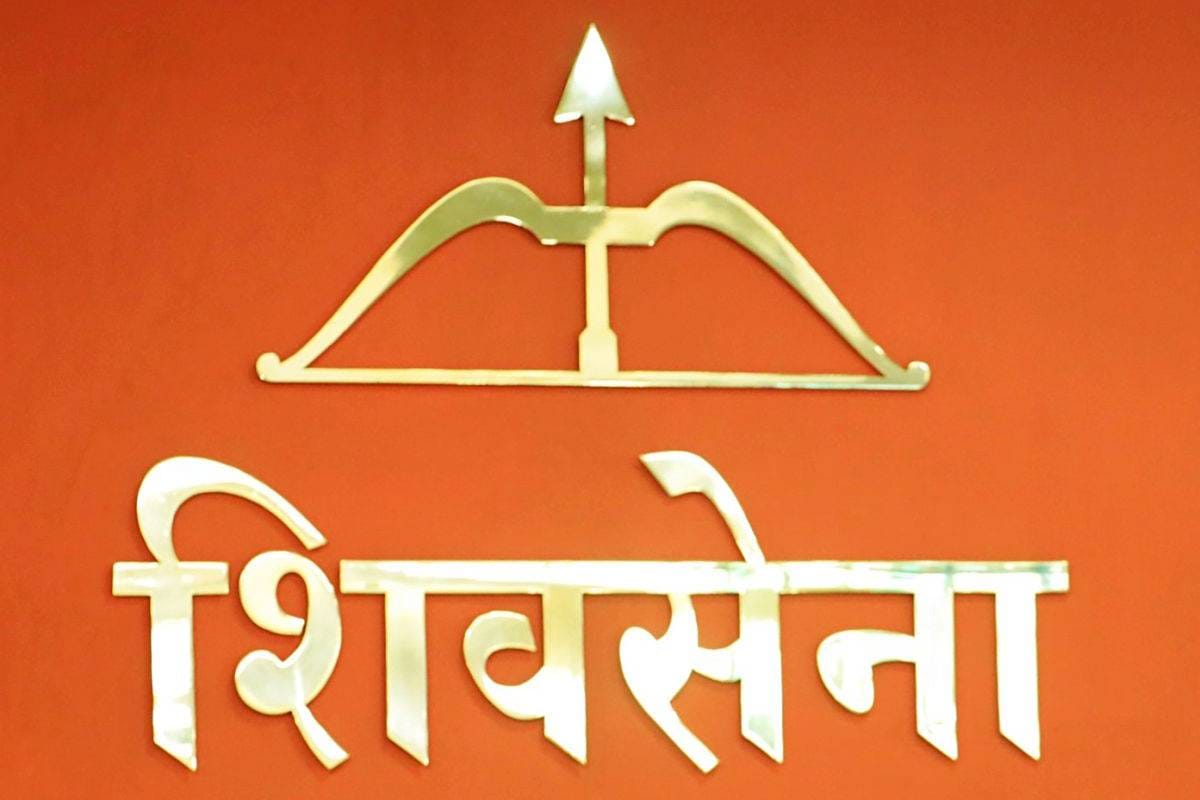
Over time, Shiv Sena did grow strong enough to put those trade unions in the shade, and it became a leading trade union and a very transactional political force. Ultimately it became a political party. We now know it is in trouble. It reached its peak and has had chief ministers more than once—Uddhav Thackeray once, and then Chandrakant?
However, the party is now split. It does not have the same power and clout it once had. Today the BJP has grown in the state, and the fact is that if the BJP wished, it could do without Shiv Sena. That is one party which has declined over time, partly because its ideology was too close to the BJP’s. Uddhav Thackeray would sometimes say privately that his father made a mistake by shifting from Maharashtra to Hindutva, because on Maharashtra nobody could challenge him. On Hindutva, Modi could easily enter his territory and take it.
DMK actually has a more complex history. It began as a separatist force. It contested elections in 1957, but had not yet accepted the Indian Constitution. In 1963, it formally accepted the Constitution. I had a Walk The Talk with Karunanidhi, a two-part conversation, where I asked him cautiously, “Sir, you were called a separatist in the 1960s.” He replied that he was not called a separatist—he was a separatist.
So I asked him what changed things for him. How did he become a nationalist? He said it was because of the war against China. That made them realise that in the neighbourhood where they lived, they could not have sovereignty merely as Tamil Nadu. They had to share a much larger and stronger sovereignty—India’s. That was when they accepted the Indian Constitution and chose to be part of India.
In 1967, they contested elections wholeheartedly and won power. They have not lost power since then, until now. In their 50th year, Dravidian power has lost electoral power in the state.
However, you could argue that even Vijay’s party represents the same Dravidian power, given his own policies. If you look at the numbers in this election, they are very interesting. Vijay’s party has won 108 seats. His philosophy and policy are very similar to the Dravidian parties. The two Dravidian parties, DMK and AIADMK, have won 59 and 47 seats respectively. So 106, plus 108, means 214 seats out of 234 have still gone to parties that follow Dravidian ideology.
So it is not as if Dravidian ideology has gone. It is just that there are now more claimants to the same ideology.
Look at what Vijay did after he got elected. He garlanded the statues of Periyar, the most important founder of the Dravidian movement; Anna, after whom AIADMK is named; MGR, also a leader of AIADMK; Ambedkar; and, lo and behold, Kamaraj, a leader of the Congress party.
What is Vijay indicating? First, his commitment to the larger Dravidian ideology. Second, his commitment to welfare, which Kamaraj represents. And also equality and constitutionalism, which come from Ambedkar. So he is a very clever politician.
At the same time, as I said, 214 seats out of 234 have gone to Dravidian parties. If you take the vote share, about 81 percent of the entire vote has gone to these parties. That tells us what is new about the rise of TVK: this party has risen from within the same ideology. It has not invented a new ideology.
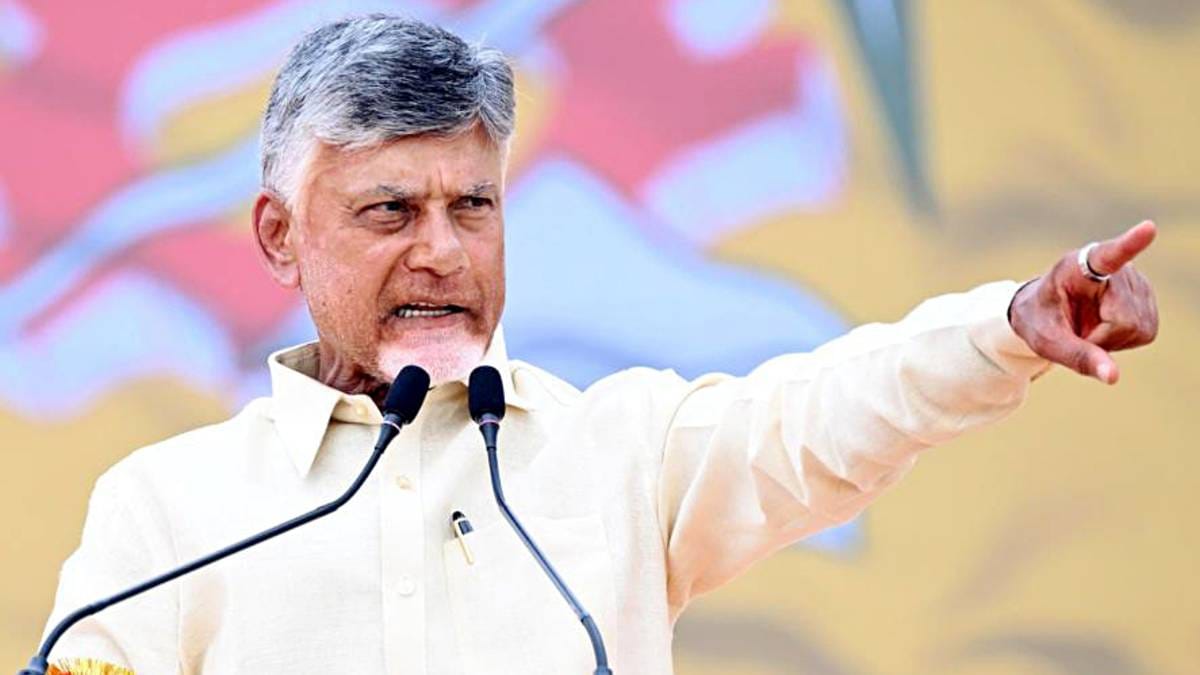
Take the TDP. The Telugu Desam Party did not come up with an ideology. It still does not have a clear one. It came into being to fight for Telugu self-respect, after Rajiv Gandhi had treated N.T. Rama Rao, the chief minister, rather rudely in public. NTR, who was a big film star, took advantage of that in 1982 and formed his party.
He became chief minister three times: two short terms, one full term. Then his son-in-law, Chandrababu Naidu, is now serving his fourth term as chief minister.
That party remains intact. It lost power, but it still remained intact because the party has always accepted the idea of aligning with a leading party at the Centre. For most of the time, that was the BJP or the parties opposing the Congress. That is where NTR started. Chandrababu Naidu has mostly been with the BJP. Briefly, he had a flirtation with the Congress when they came together to contest the Telangana election, which did not quite work out. But his is a party that figured out its basics: keep its base in the Telugu state, while at the same time finding a strong ally at the Centre.
The same is true of the Biju Janata Dal, which also came out of the breakdown of the larger Janata Dal universe. It spent time combining with the BJP in Delhi and being anti-Congress. In 2009 it decided to go away. It remained successful until 2014. Naveen Patnaik was among our longest-serving chief ministers, and then he lost power in 2024. Once again, that party is now looking at a deep crisis because Naveen Patnaik does not have an obvious successor.
There are so many others that this can go on for two hours, so I will have to leave out many apologies to them. But let us look at at least those which have had chief ministers in the state.
YSRCP broke away from the Congress party and vacuumed up the Congress vote. It enjoyed one term in power with a very large majority. Right now, it is out of power and facing much pressure. It is not friendly with the BJP, so it is figuring out its survival until the next election, hoping that Andhra Pradesh will also follow a ping-pong trend.
Asom Gana Parishad rose from a very popular movement. The leaders of the movement were either students from the All Assam Students’ Union or members of a civil society group called the All Assam Gana Sangram Parishad. After signing the Assam Accord with Rajiv Gandhi, they formed the Asom Gana Parishad on 14 October 1985. After that, they came to power and swept the election.
In that election, the slogan used to be: “Rajiv Gandhi zindabad, Congress party murdabad,” because Rajiv Gandhi had given them the accord. Prafulla Mahanta served two terms as chief minister, and it is an irony that another leader from the same party, Sarbananda Sonowal, also had a full term as chief minister, but for the BJP he is now a cabinet minister.
The party itself is not even a pale shadow of what it used to be. It is now a hanger-on with the BJP, gets some seats allocated to it to contest, not the easiest seats to contest, and has now won 10 seats in alliance with the BJP in a house of 126.
Finally, the Aam Aadmi Party, which also came out of a popular movement — a very popular anti-corruption movement. It had no ideology, but it got power in Delhi: two full terms, one truncated term, and then another full term in Punjab as well. In Delhi, it has lost power and has been defeated rather badly in the Delhi state elections.
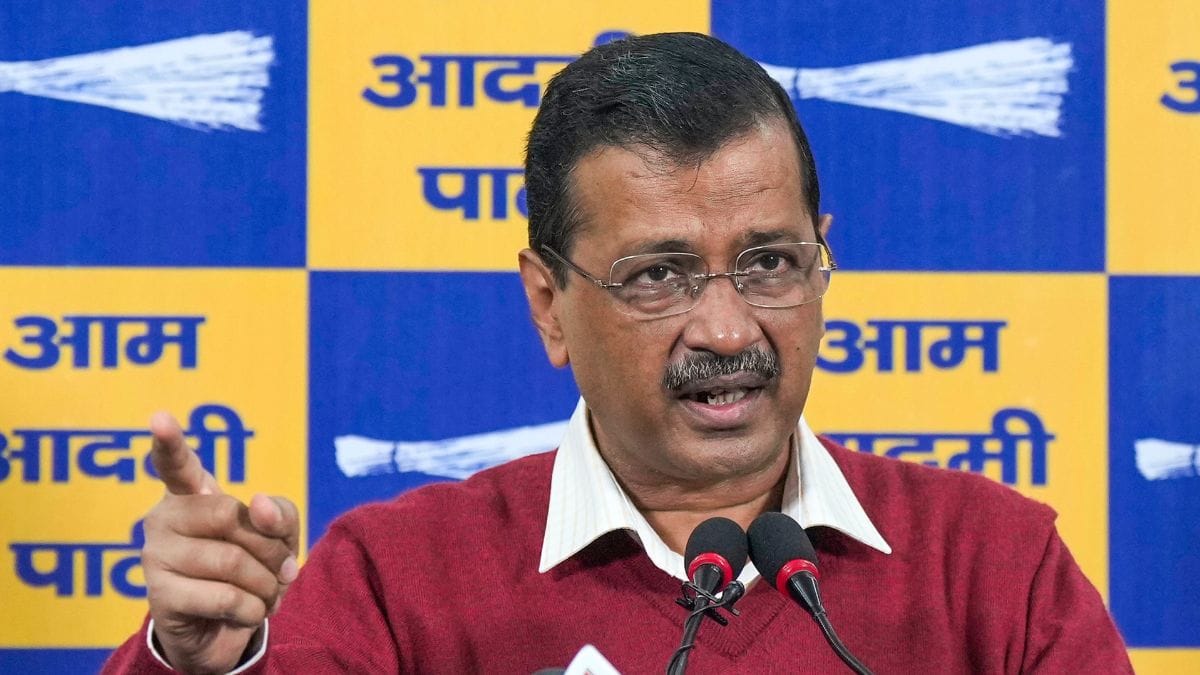
In Punjab, it is heading into elections right now, and you can imagine that the BJP now has its eyes on Punjab as well. The Congress is strong in Punjab, and the BJP also has its eyes on Punjab. The Aam Aadmi Party will face anti-incumbency, and we will see whether the party is able to ride this out despite having no ideology.
The price of not having an ideology was visible very recently when seven of its Rajya Sabha MPs broke away and joined the BJP, because they had no emotional, ideological, philosophical or moral connect with the Aam Aadmi Party.
If you look at all of this, it is a lot of detail. Some of you might think it was TMI, or too much information. If so, please forgive me. I am tempted to give as much detail as possible. But even while doing that, I still have to leave many things out.
I left out the NCP, for example—Sharad Pawar’s party—simply because it has remained aligned with one party, although it split recently and is again looking at a very difficult future.
But within all of this, some trends emerge. First, parties with ideology tend to survive longer than others. Second, parties with a committed vote base—it can be caste, it can be religion, ideally a mix of caste and religion, as with the SP and RJD—also tend to be durable. Third, parties that are deeply rooted in their states, where state politics is essentially regional and their rivals are also regional, survive and prosper.
Tamil Nadu is a good example. Andhra Pradesh is another good example.
Those parties can rise and fall, but they remain. It is the parties that become adversaries of the leading party in Delhi—earlier the Congress, now the BJP—that are in trouble. Those parties find it difficult to survive, or at least to keep winning repeatedly, particularly because the Centre is now so strong and Centre-state relations are not ideal. Any strong central government will use some version of Operation Kamal or Operation Lotus.
Also Read: UAE-Saudi Arabia rivalry & what Emiratis’ OPEC exit amid war in Iran means for Gulf’s oil cartel