







Mumbai: The iconic red bus, Mumbai’s second lifeline after the suburban railway, has dominated the city’s roads for the past about 100 years. Whether in popular culture such as films or in history books and paintings, it has long been synonymous with the city’s identity, often serving as its visual “establishing shot”.
However, over the past decade, BEST buses—run by the Brihanmumbai Electric Supply and Transport (BEST) Undertaking—have seen their presence dwindle. Chronic funding crunch, mounting losses, and shrinking fleet have all contributed to the decline of this once-proud symbol of the city.
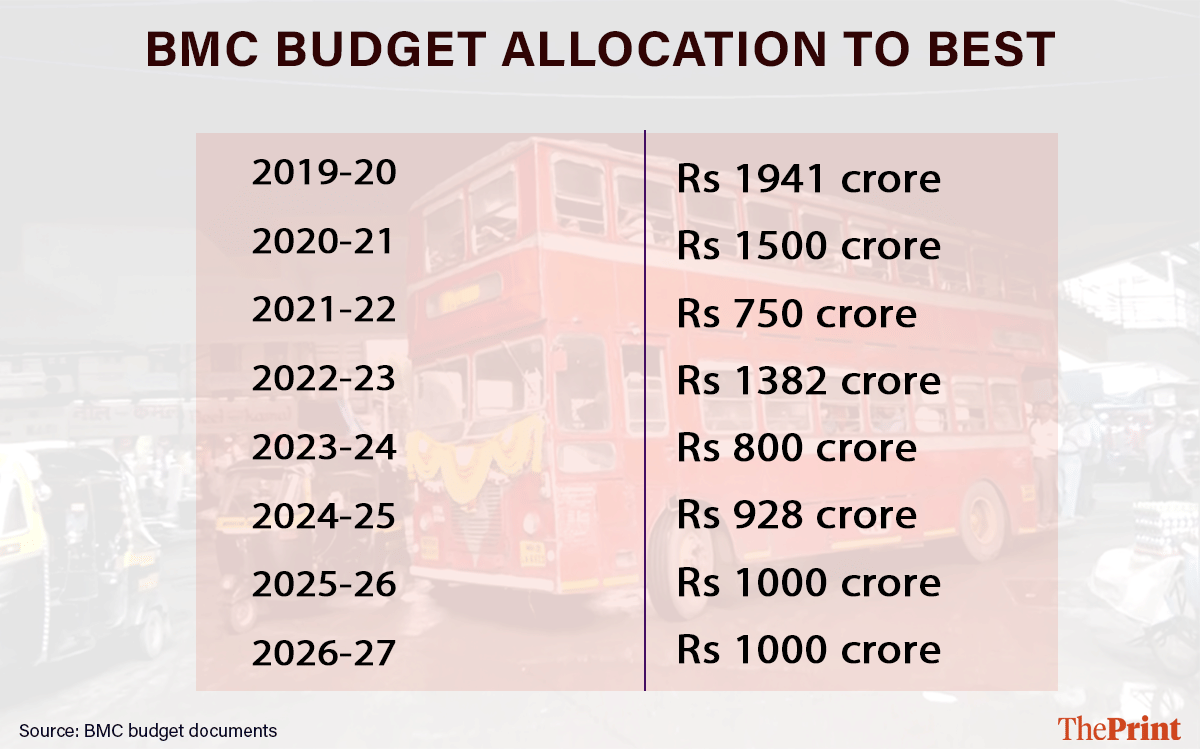
“The budget sanctioned by the BMC (Brihanmumbai Municipal Corporation) is only about Rs 1,000 crore, which is very low. I don’t understand why the BMC cannot give more funds? BEST is a part of the BMC itself. I am taking this up to the CM and DCM,” said Trushna Vishwasrao, chairman of the BEST committee, a 17-member body that handles the working and functioning of the undertaking, told ThePrint.
Since 2013, the BMC has been providing budgetary support to the BEST. But in 2019, the BEST budget was merged with the BMC’s to help bail out the cash-strapped undertaking.
However, the budget allocation to the BEST has not been encouraging so far.
Since the merger of the budgets, BEST has received only 2–5 percent of the allocations earmarked for major road infrastructure projects over the past decade, many of which have largely focused on easing travel for private vehicles.
The city currently has 2,792 BEST buses. Based on the city’s population, Mumbai should have nearly 12,000 buses. But according to estimates by several officials, BEST requires 7,000–8,000 to operate efficiently.
“To make sure our operations are smooth, we need at least 7,000 buses in our fleet,” Vishwasrao told ThePrint.
The BEST committee says it is working to breathe new life into the bus service.
BEST expects to add around 2,512 electric buses in its fleet by the end of this year, and 1,500 more by 2027, a senior BEST official told ThePrint. The BEST needs at least Rs 4,000 crore for these procurement.
“Traffic has increased on the road and hence our buses get stuck in traffic, which increases the wait time. Besides, we are low on the number of buses too. The only solution to our problems is increasing the number of buses,” the official said.
ThePrint attempted to reach BEST General Manager Sonia Sethi through texts and calls, but there was no response. The copy will be updated if and when she responds.
Also Read: No longer the ‘BEST’, Mumbai’s iconic bus service plagued by leadership void, financial troubles
Depleting fleet
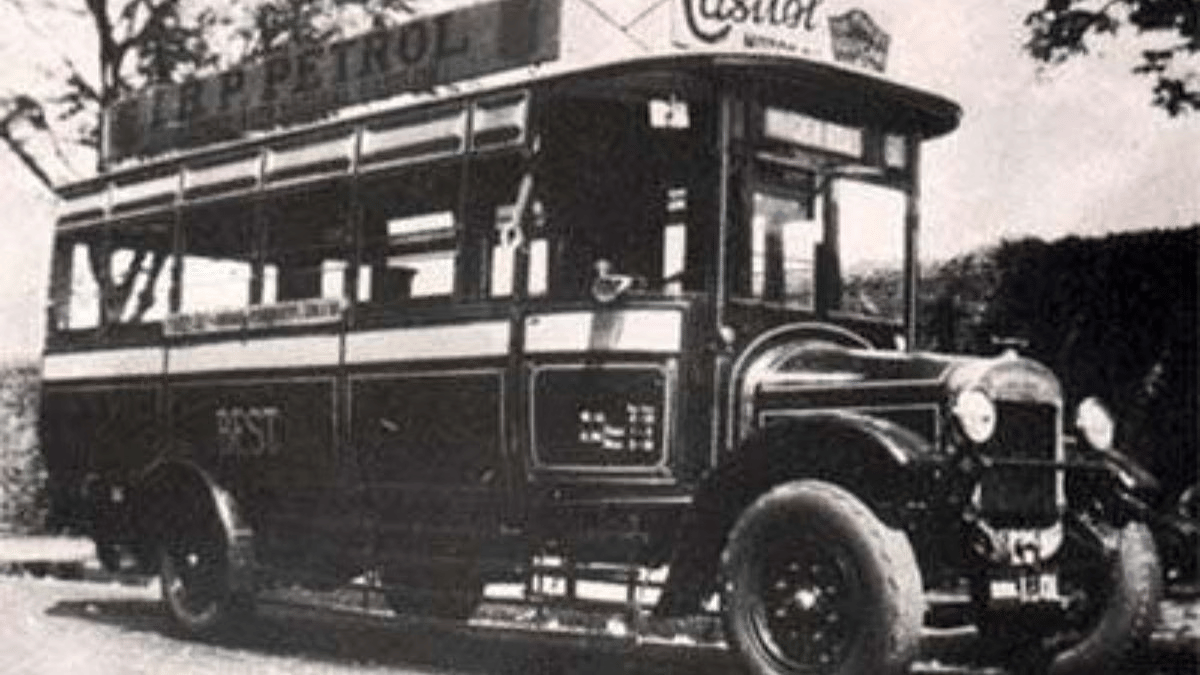
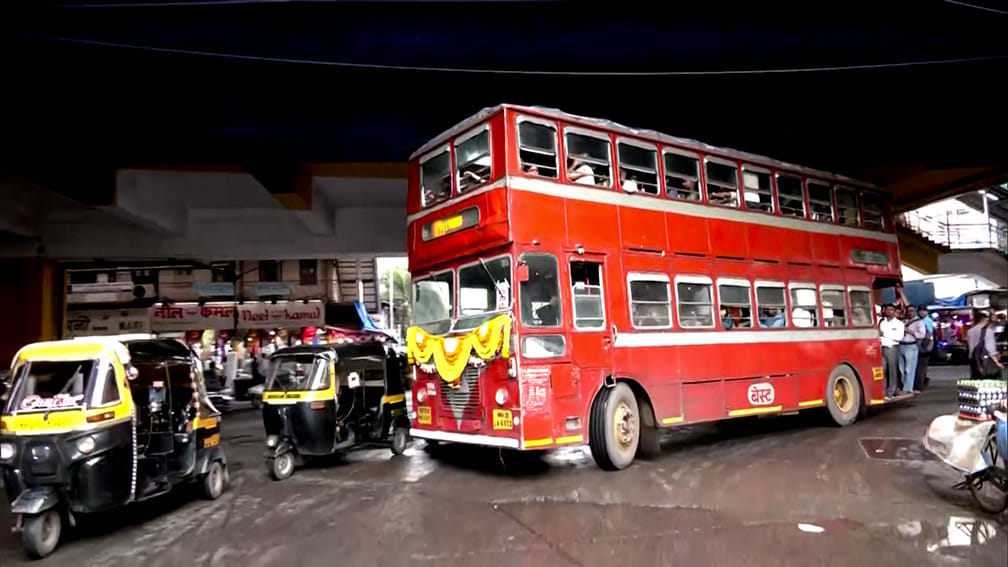
Double-decker BEST buses were very popular from their introduction in 1937 until the 1990s. However, as the city expanded over time, the ageing fleet of double-decker buses became impractical, leading to their decommissioning. And the BEST moved to single-decker and midi and mini buses.
Out of the current fleet of 2,792 buses, 249 are owned by BEST whereas the rest are on wet lease. Under the wet-lease model, BEST doesn’t own the buses. Instead, private operators provide buses along with drivers and conductors.
The BEST fleet has also been continuously depleting. In 2022, it had a fleet of 3,400 buses, with an additional 3,000 e-buses planned to be added by the end of 2023. The organisation had planned to convert all its fleet to electric by 2027, and take the number to 10,000.
However, by 2025, the total fleet was at 2,855 with 920 buses owned by BEST. It had plans to acquire a full fleet of electric buses by 2027.
The BEST has given orders to four contractors for 4,750 single-decker AC electric buses and 200 double-decker electric buses. In 2021-22, double-deckers were reintroduced on some routes in South Mumbai based on feasibility.
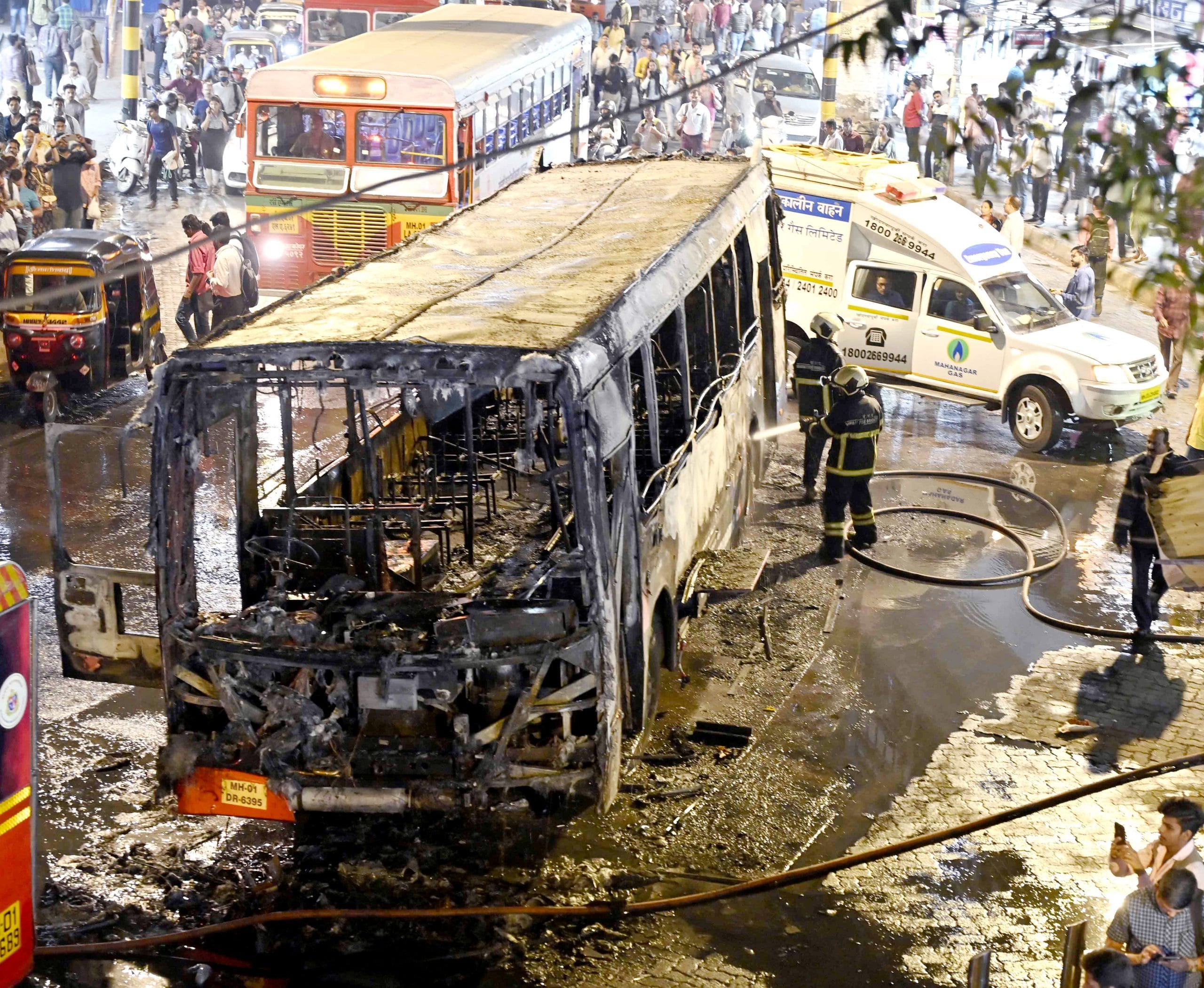
So far, 938 buses (154 double-decker ones) have been received and the delivery is staggered across 2026-2027. Currently, it has only 1,324 electric buses, out of which 50 are double-decker. One double-decker bus got destroyed in a fire earlier this month, reducing the number to 49.
Officials said fines have been imposed on contractors for delay, but they have been constrained by supply side issues.
For commuters though, the depleting fleet means longer wait time at bus stands, which, on average, is about 30 minutes now. “This is down from 40 minutes last year, but 30 mins is still a lot. Traffic has increased significantly in the last few years and so our buses are taking time and people resort to private vehicles,” said one of the officials quoted above.
As a result, the number of commuters has been declining, the fall aided also by the ever-growing number of cars and app-based taxis, shared taxis and autorickshaws.
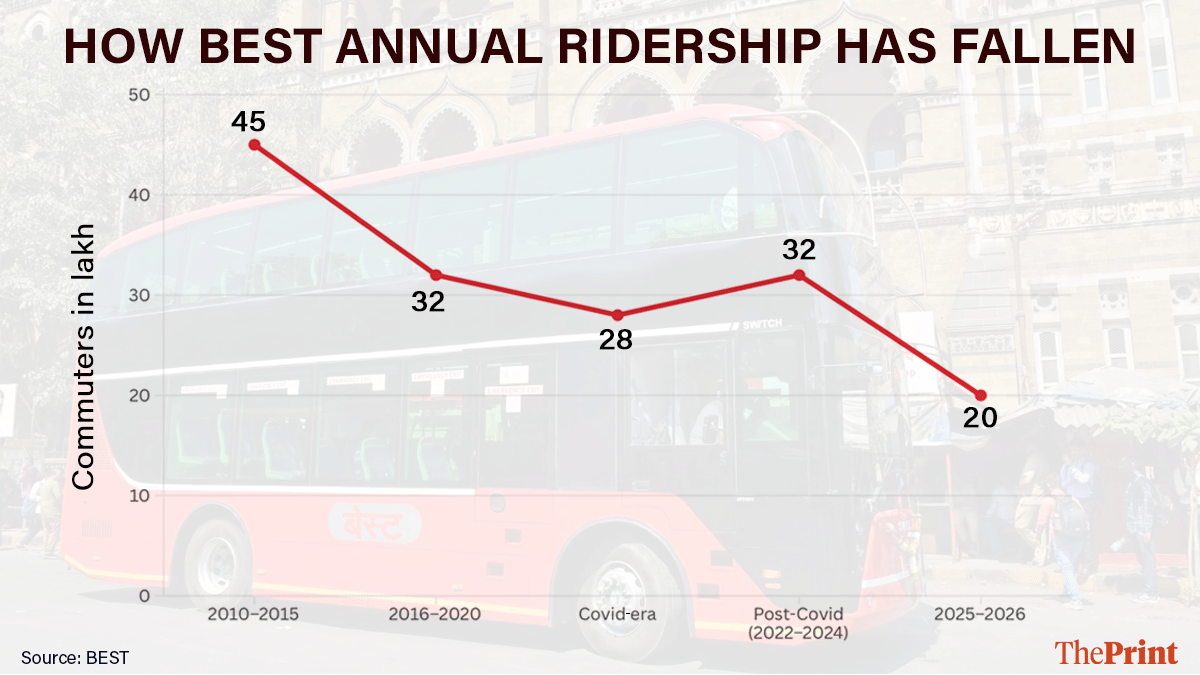
Up until a decade ago, BEST buses used to carry nearly 45 lakh commuters every day. By the pre-Covid period, the number of passengers had dropped to 32 lakhs. During covid, the number dropped further to 28 lakhs. And currently, according to BEST officials, the number is down to 20 lakhs, the lowest in BEST history.
A former BEST general manager, who did not wish to be named, told ThePrint the biggest challenge is the inadequate fleet size. “During my time, the focus was on having maximum short distance travel or medium distance travel buses.”
He said a person would not want to travel north to south from Borivali to Nariman Point every day which could take 2 hours at least, in a bus.
“For such long distances, suburban trains are the option. Also, we had thought of having feeder services for metro rail, which could provide that last mile connectivity,” the officer said.
One of the senior BEST officials quoted above agrees. BEST bus acts like a feeder and last mile connectivity option. But passengers suffer because many routes have either been shut down, diverted or not thought of.
“We are not in profit-making business but in service. And to make this undertaking the best once again, the government should give us priority. They are making projects worth thousands of crores in Mumbai, which mainly cater to the car population. If some of that money is diverted here, it can once again give life to this lifeline,” the second official mentioned above told ThePrint.
Budget crunch
In the past few years, the Mahayuti government, through the BMC, has earmarked major budgetary allocations for projects such as the Goregaon-Mulund Link Road, the Coastal Road, and the elevated link road in Dahisar.
They together account for a significant share of the civic body’s capital expenditure — nearly Rs 48,000 crore of the Rs 80,800 crore budget for this financial year.
According to the BMC budget, since 2012-13, the BMC has supported BEST Undertaking through financial assistance amounting to Rs 12,028.81 crore till January 2026.
Currently, BEST is under a staggering loss of nearly Rs 10,000 crore. Last year, the BEST doubled its fare for both AC and non AC buses, with minimum fare for non-AC buses increased to Rs 10 from Rs 5, and from Rs 6 to Rs 12 for AC.
“This fare increase has also led to a drop in our passengers,” an official told ThePrint. “Earlier, the fare was Rs 10 for non-AC (but it was later reduced to Rs 5 before being raised to Rs 10 last year), but the BMC had advised sometime in 2019 and they were going to compensate us for the loss of revenue but that didn’t happen and we continued to suffer,” the official added.
‘Unable to pay gratuities to employees’
The ill-health of BEST has been affecting its employees too.
Vishwasrao told ThePrint that she has demanded at least Rs 4,000 crore budgetary allocation to run the BEST. “We are not able to give gratuities to our employees. They are suffering because we don’t have money to give them their dues.”
“The BMC should really do something about this and I am going to personally talk to CM and DCM (Eknath Shinde) regarding this,” she added.
Pravina Morajkar, Shiv Sena UBT corporator and a panel member of the BEST, told ThePrint that BEST must be revived for common citizens.
“I had demanded that BEST should be completely merged with the BMC in order to save the undertaking. There should not be any privatisation. We all in the committee are trying to save our BEST,” said Morajkar.
“Employees are not getting their dues, their PFs, their families are also not getting any assistance if the employee dies while on duty. It is a sad state of affairs. Our BMC is the richest in Asia and so if BMC merges us, it will help the BEST,” she added.
(Edited by Ajeet Tiwari)
Also Read: What India can learn from Dunkirk free bus experiment–Plan, design, invest