


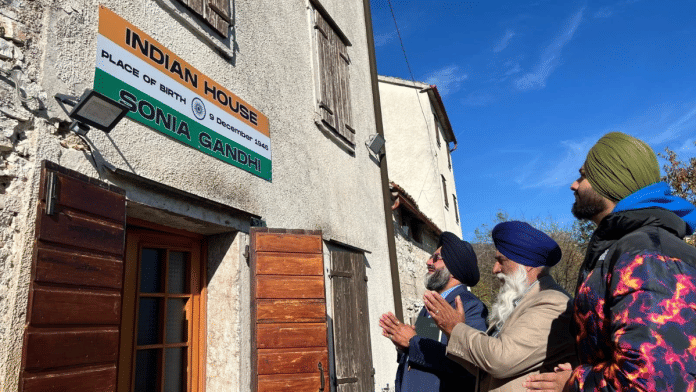
Amritsar: A chance decision to take an alternative route on an otherwise ordinary day in 2020 changed the life of Italy-based businessman Sukhdev Singh Kang. It led him to Congress Parliamentary Party chairperson Sonia Gandhi’s ancestral home in Lusiana, Italy, which he eventually acquired, giving him another connection to his homeland.
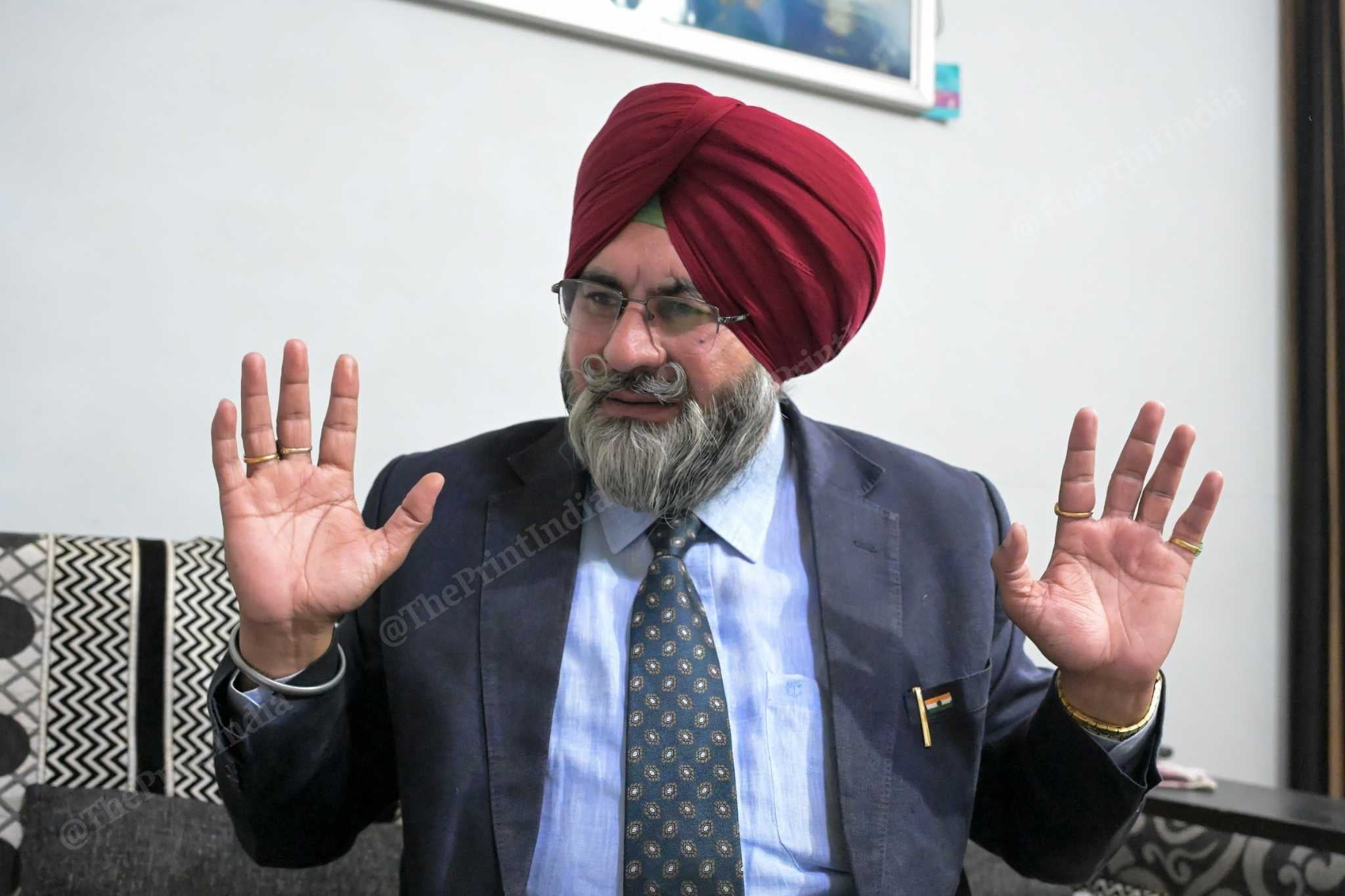
Kang left his hometown of Hoshiarpur more than three decades ago and built a life for himself in Italy. Now back in Amritsar to attend a wedding, a city he visits frequently, he is no longer just another NRI Sikh there. His name has become viral on social media after reports emerged that he had acquired the house where Gandhi was born in 1946.
But Kang has ambitions beyond simply owning the house. He wants to preserve its legacy and hopes to turn it into a museum.
“Through your medium, we are reaching out to the Gandhi family. If they can guide us on how to convert the house into a museum, it would be wonderful. They could also provide photographs to be displayed at the property,” Kang told ThePrint, sipping tea at a relative’s home in Amritsar.
The property, he said, belongs to Sonia Gandhi and her children. He added that residents of Lusiana continue to celebrate her personal milestones and hope that she will visit the village someday.
Also Read: Sonia Gandhi did not just find a home in India—she became part of its story
An unexpected detour
Kang remembered clearly how his association with the house began. It was during a visit to Amritsar in August 2020, following his father’s death, that two friends first drew his attention to it.
“My friends, Harjinder Singh Jauria, another NRI, and Jaspal Singh Nagi, a local businessman in Amritsar, casually asked me if I had settled in Italy or Canada. I told them I had been living in Italy. They then asked whether I had seen Sonia Gandhi’s house,” he recalled.
Kang had not. Despite living in Italy for more than three decades, he had paid little attention to the property.
“I told them I hadn’t seen it. They pulled my leg, asking what I had been doing in Italy all these years if I hadn’t even seen the house. They asked me to send them pictures of the house and the village’s location,” he said.
The conversation piqued his curiosity, but he did not immediately act on it after returning to Italy. The eventual discovery happened by chance.
“One of my Italian friends, who was the head of the Agricultural Committee, invited me and other members of the Indian Sikh community for lunch. After lunch, we were heading back when we found that our pre-decided route was blocked because of an accident. Our host suggested taking another road,” Kang said.
During the drive along the alternative route, his Italian friend casually asked whether he would like to see Sonia Gandhi’s house, which was on the same stretch.
“It immediately reminded me of what my friends in Amritsar had said and I said I would like to see it,” Kang recalled.
What he saw left a deep impression.
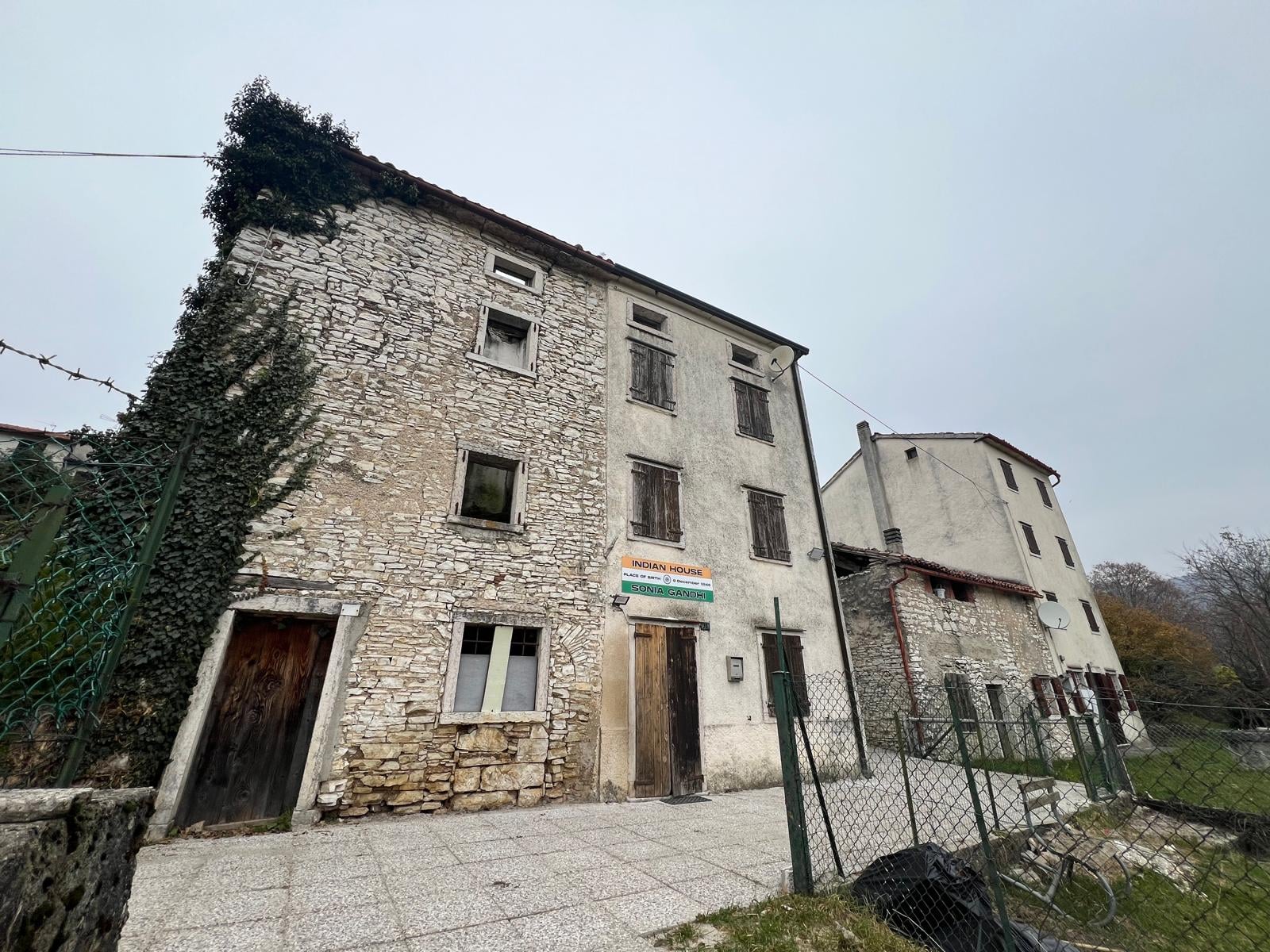
“When I first saw the house, I felt as though it was a temple,” he said, his voice tinged with emotion as he recalled the moment. A board outside clearly identified it as the “place of birth of Sonia Gandhi”.
The house, however, was locked from the outside. It was then in the possession of a local villager, who introduced Kang to some of Sonia Gandhi’s childhood friends. During their conversation, they offered him coffee and indicated that the person in possession of the property was looking to transfer its ownership to an Indian national.
That conversation set the acquisition process in motion. Kang eventually acquired the property in 2020, during the Covid-19 pandemic.
‘It’s madam’s house, I’m just a sevadar’
Kang was reluctant to discuss the financial details of the acquisition. Instead, he described himself as a “sevadar”, drawing a parallel with volunteers who serve devotees at gurdwaras.
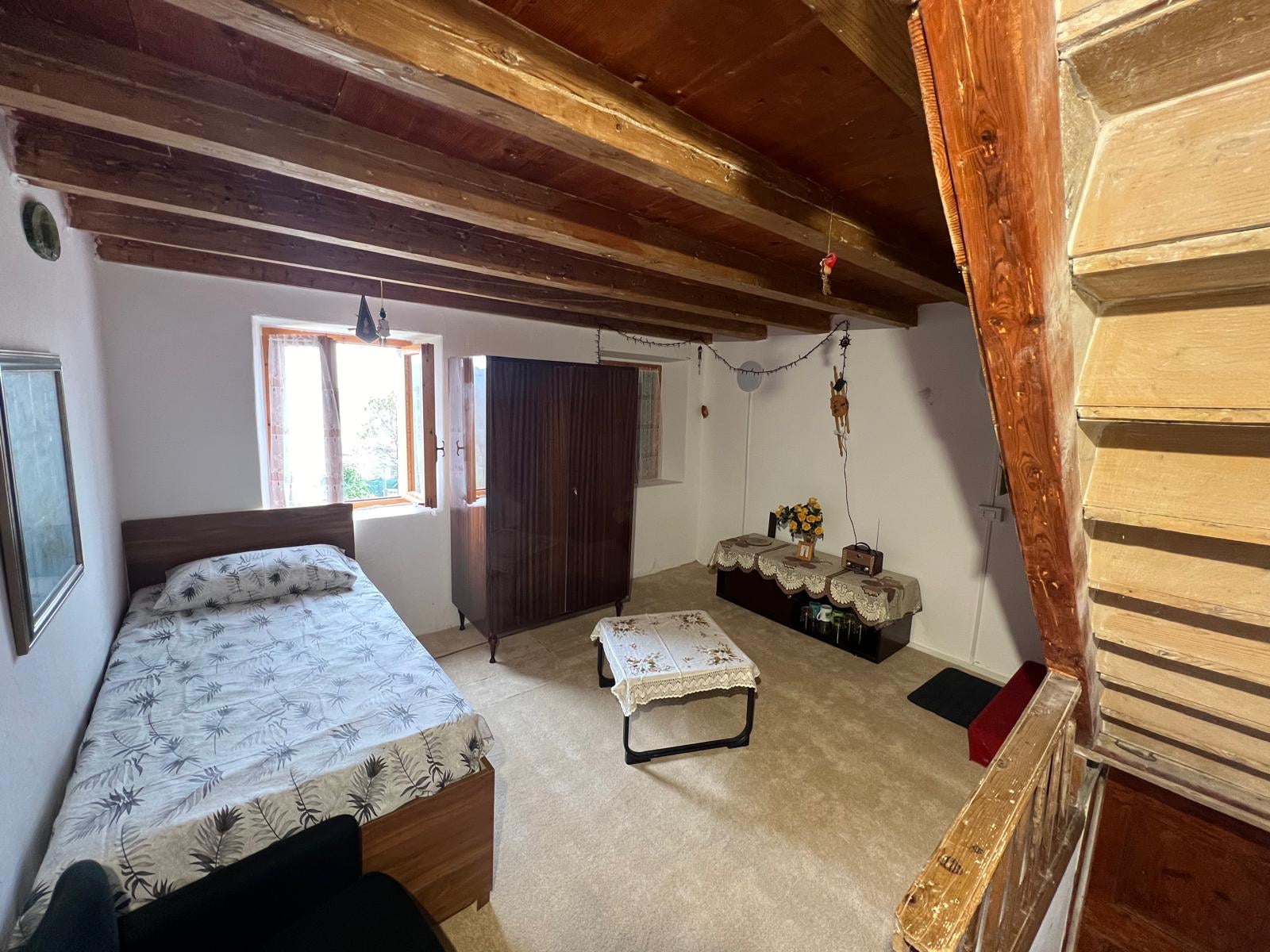
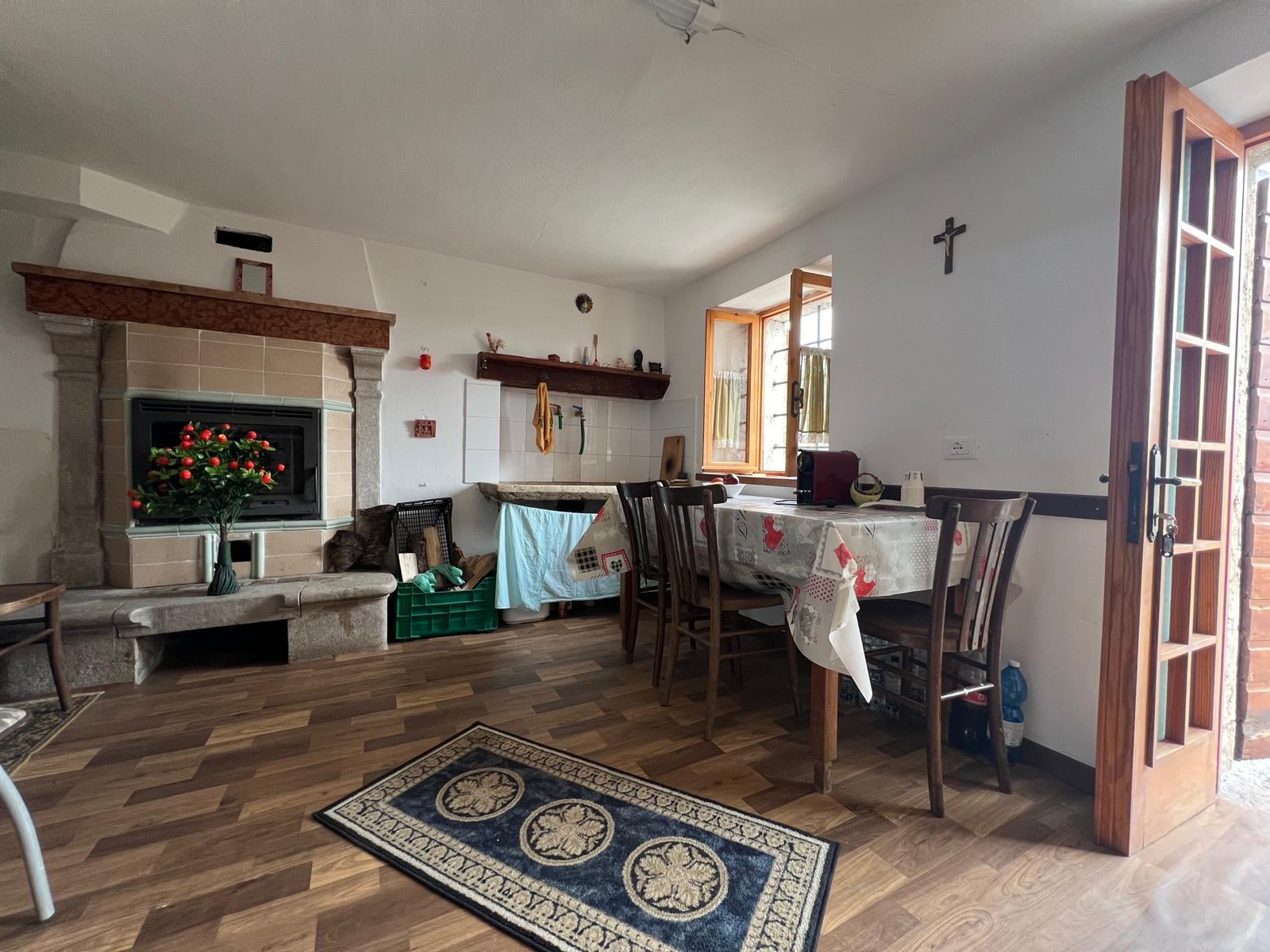
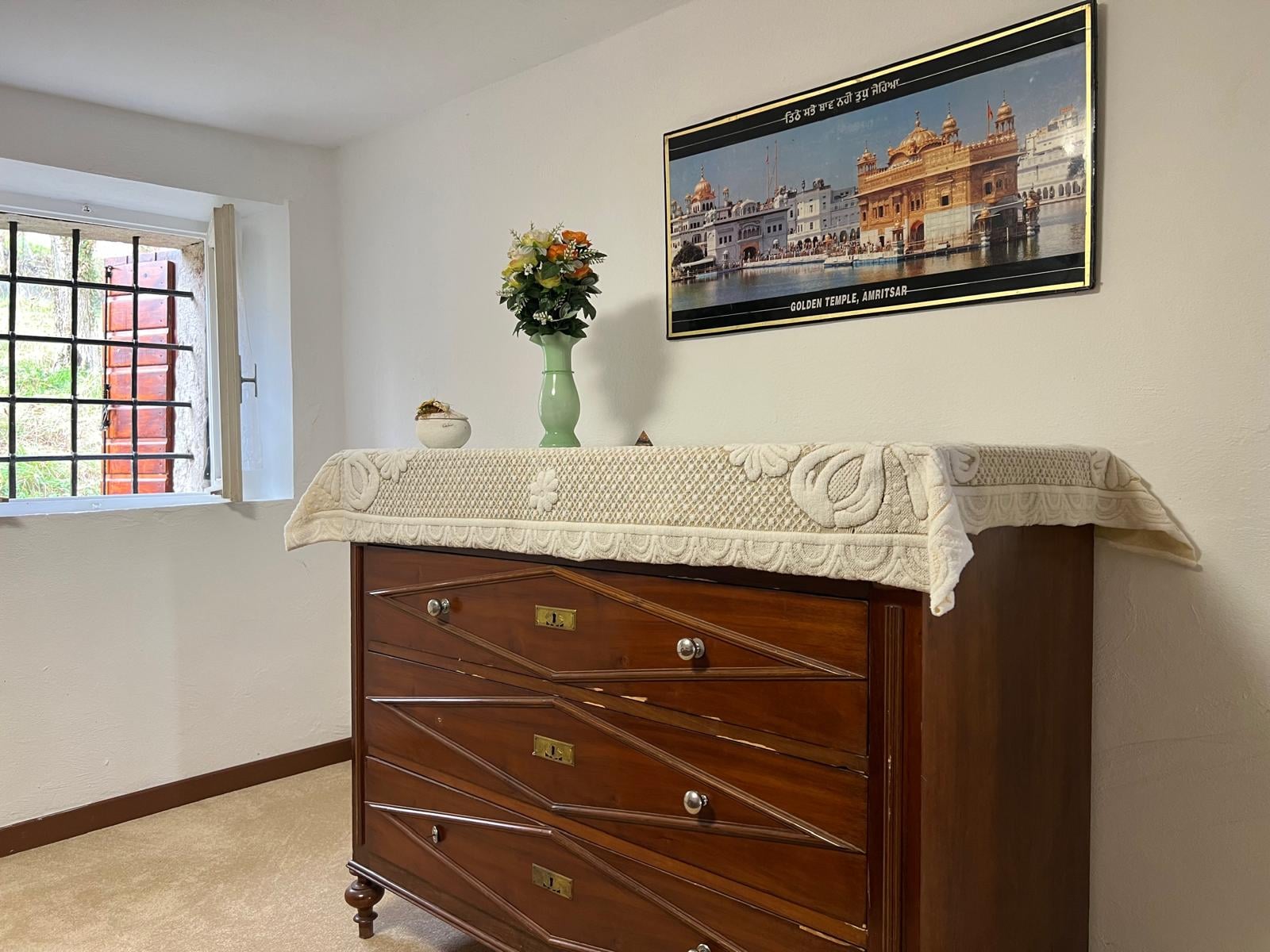
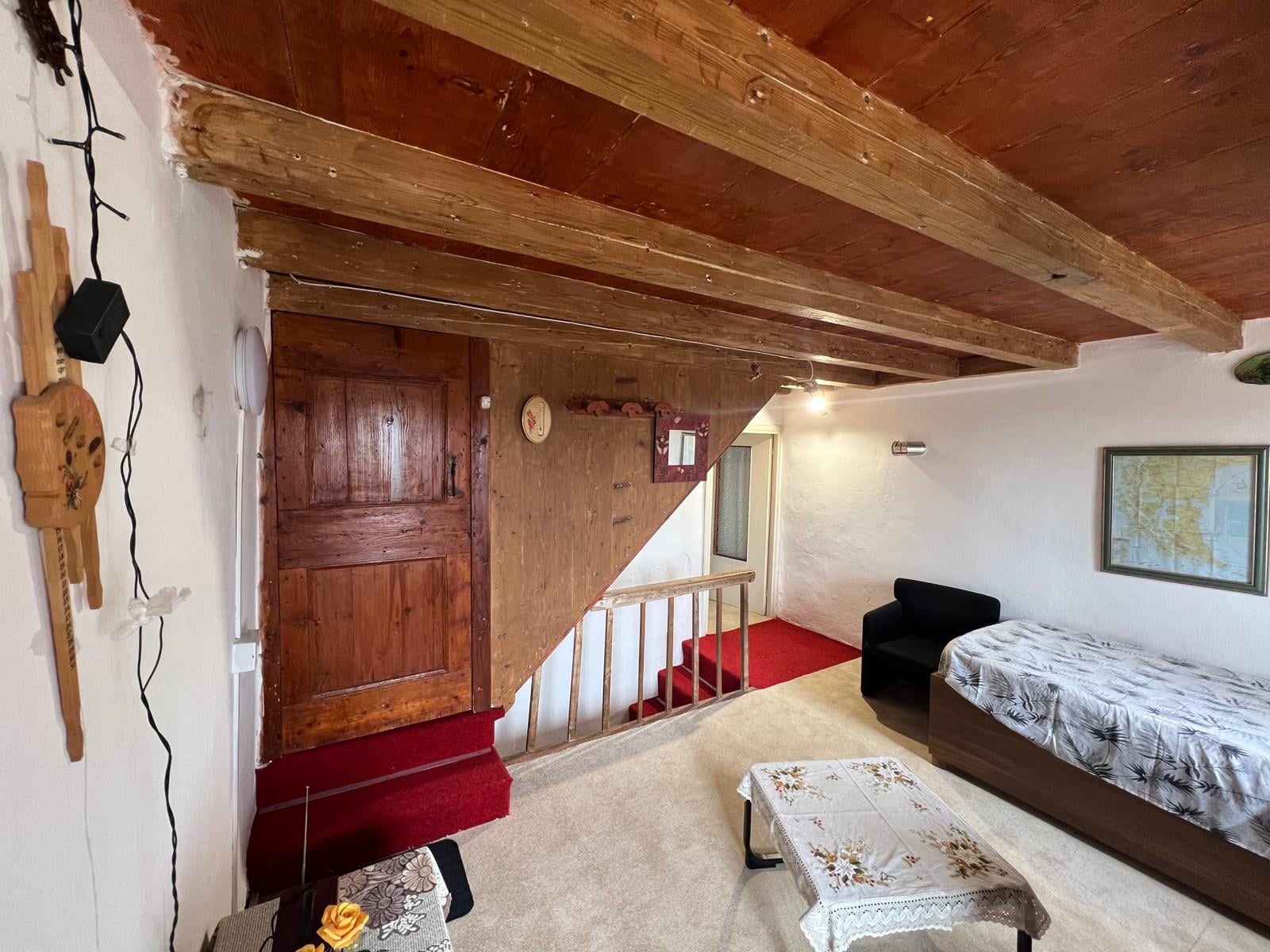
The house, he said, resembles a five-star hotel from the inside. It has three rooms and a large lawn at the front. But he has deliberately avoided making any changes to the property, except for placing a portrait of Darbar Sahib, popularly known as the Golden Temple, in the living room.
“We have kept the house as it was 50 years ago. I cannot change its architecture. It still has its old furniture and small portraits of family members. The house has a very good feel about it,” he said.
Kang insisted that he did not acquire the property for commercial purposes. His priority, he said, has been to maintain it, pay the house taxes which is around 1,000 euros yearly and ensure that it remains in good condition. He also organised a paath (religious prayer ceremony) on Sonia Gandhi’s birthday, praying for her long life.
“I am a sevadar. I have not bought the house for business purposes. Sikhs buy things and then forget about them. I want to tell everyone. We just have the keys to the house. We keep it clean and pay the taxes. This is madam Sonia Gandhi and Rahul ji’s house. They can come here anytime. We have not rented out the property,” he said. He added that a caretaker has been employed to keep the house clean.
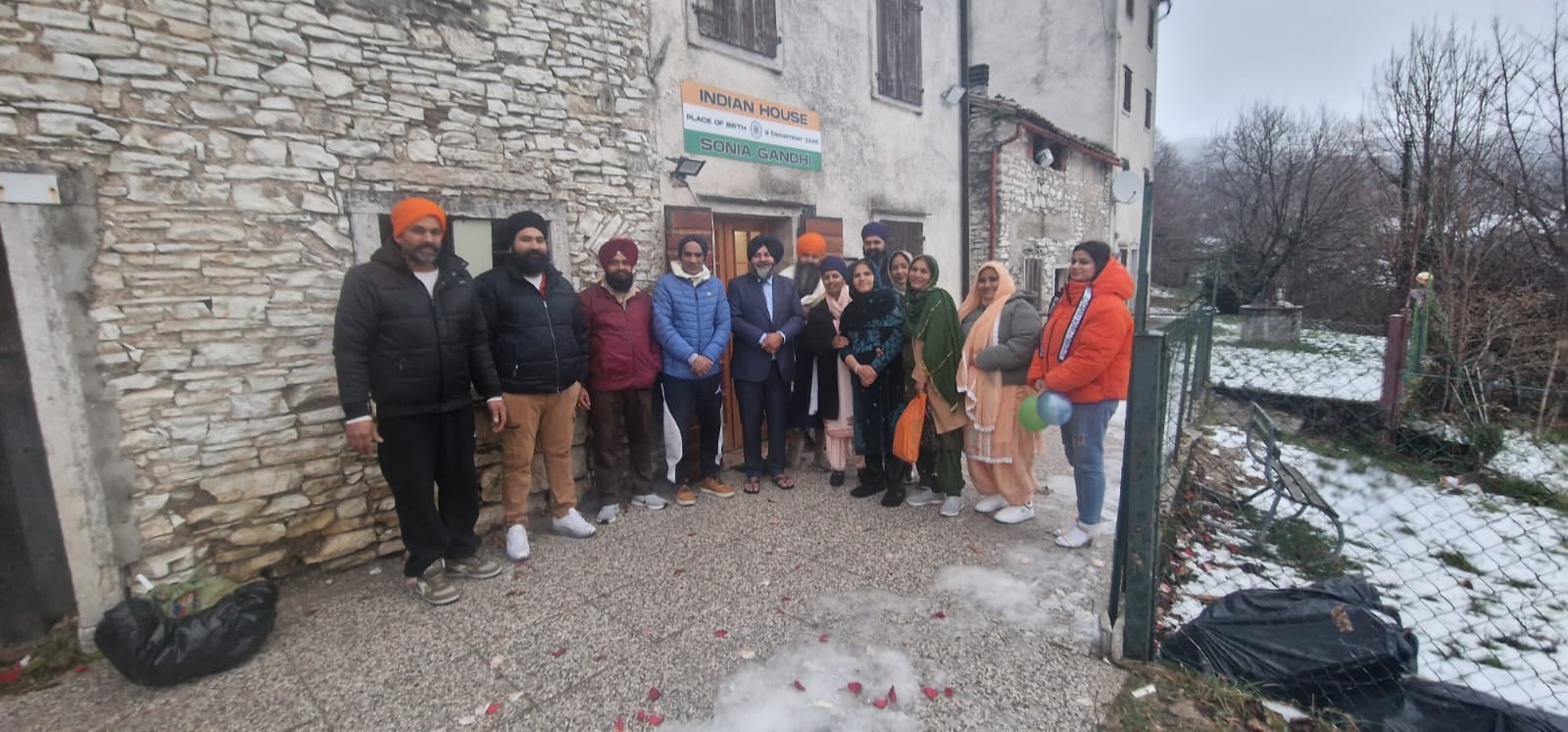
Kang said Sonia Gandhi continues to enjoy considerable affection among the residents of Lusiana, who celebrate her birthday every year. His association with the property, he believes, has also strengthened the local community’s regard for Sikhs. “It is their love for her that makes the local government and residents hold us Sikhs in high regard, more so since I started taking care of the house,” he said.
(Edited by Chingkheinganbi Mayengbam)
Also Read: The great Indian lap debate. Rahul Gandhi, PDA and television’s moral police