





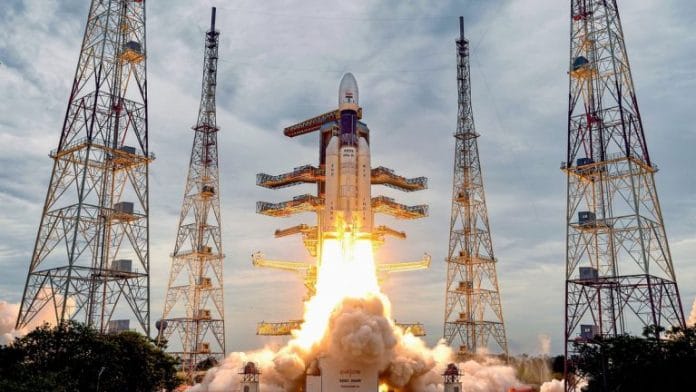


Scientists at the Indian Space Research Organisation found signs of possible subsurface water-ice beneath four permanently shadowed craters near the Moon’s south pole using radar data from the Chandrayaan-2 lunar orbiter.
A 1.1-kilometre (0.7-mile) region, shielded from sunlight and radiation, inside the Faustini crater showed especially strong evidence, with radar signatures and surface features suggesting buried ice.
“These findings provide important new insights into the distribution of lunar polar volatiles and have significant implications for future lunar exploration missions, including identification of potential ice-bearing regions for future landing and in-situ resource utilization activities,” the country’s space agency said in a statement.
This report is auto-generated from Bloomberg news service. The Print holds no responsibility for its content.