




New Delhi: Many people living with diabetes are often reluctant to start insulin therapy despite doctors’ recommendation. Fear of daily injections, concerns about pain and treatment complexity, and the perception that insulin is the “last resort” have long been among the top reasons patients postpone treatment—sometimes for years.
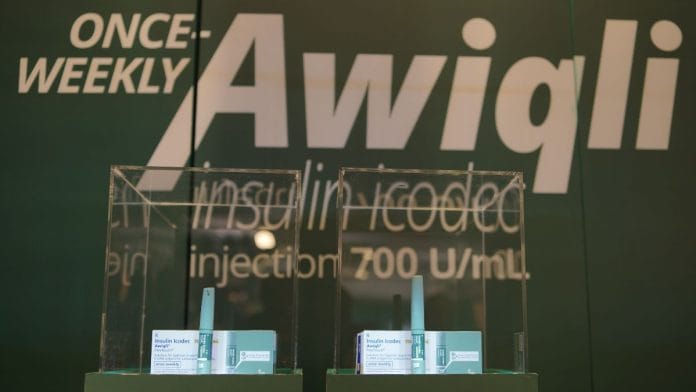
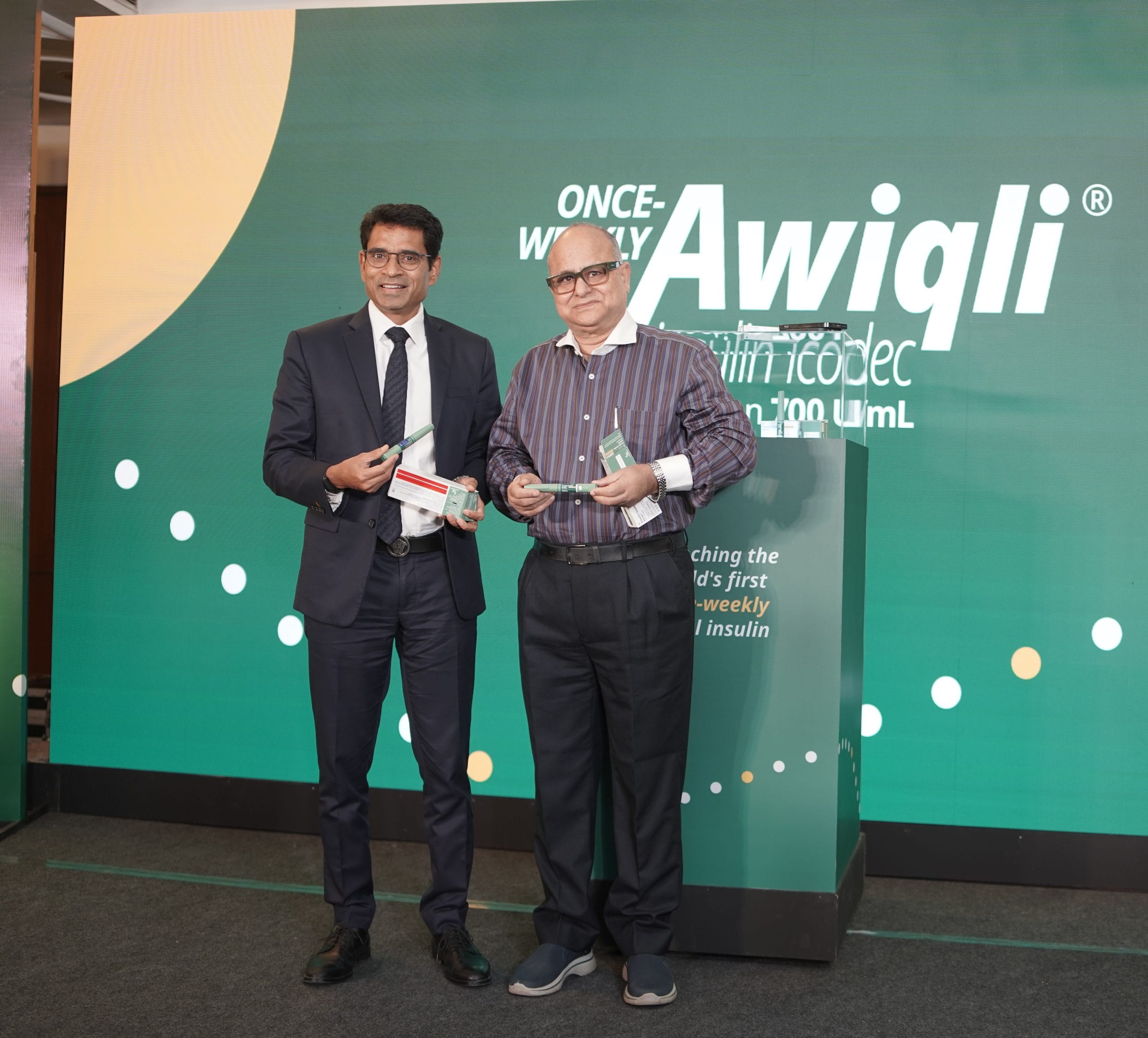
On Thursday, Novo Nordisk India launched what it says is the world’s first once-weekly basal insulin, a treatment that reduces the number of injections from 365 a year to only 52.
Awiqli (insulin icodec) has been approved in India for adults with Type 1 and Type 2 diabetes who require basal insulin. It is designed to replace a daily injection with a single weekly injection, to be taken on the same day every week.
India is the seventh country to launch the product after approvals in the United States, the European Union and several other markets.
The launch comes as India remains among the countries that bear most of the global diabetes burden. More than 100 million people in the country are living with diabetes, while another 136 million have prediabetes. Data from the National Family Health Survey or NFHS-6 (2023-24) also shows that the proportion of adults with high blood sugar or those who take diabetes medication has increased since NFHS-5 (2019-21).
“Insulin has been available for more than 100 years, but the majority of patients who need it still don’t take it,” Vikrant Shrotriya, Managing Director of Novo Nordisk India, said at the launch. “Worldwide, around 25 to 30 percent of people with Type 2 diabetes eventually require insulin. In India, only about 6 to 7 percent are on insulin. Insulin therapy has always been seen as an inconvenience. Hopefully, when it becomes once a week instead of every day, it breaks a significant barrier.”
According to Novo Nordisk, insulin initiation in India is delayed by an average of seven to nine years because of the fear of injections, anticipated pain, treatment complexity and concerns about adherence.
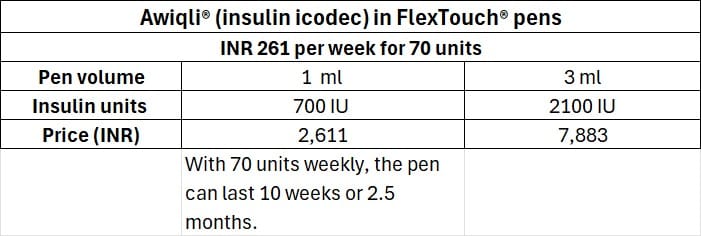
Novo Nordisk, which also made the anti-diabetes and anti-obesity drug Semaglutide, said Awiqli will be available in two FlexTouch pen variants, and has been priced close to existing daily basal insulin therapies.
A 700-unit (1 ml) pen will cost Rs 2,611, which comes down to Rs 3.73 per unit, making it roughly 30 to 40 percent less expensive than current daily insulin options. Patients just beginning insulin therapy typically require around 10 units per day. With once-weekly insulin, they would receive the same total dose over the week—about 70 units—but as a single weekly injection rather than seven separate daily injections. At this dosage, the weekly insulin cost works out to approximately Rs 261. The 2,100-unit (3 ml) pen will cost Rs 7,833.
Also Read: No medicine for dengue yet, Serum Institute’s new treatment is headed for global trials
Why weekly dose matters
Diabetes is a condition in which the body either does not produce enough insulin or cannot use it effectively, causing blood sugar levels to rise. Over time, uncontrolled diabetes can damage the eyes, kidneys, nerves, heart and blood vessels.
Many people with Type 2 diabetes can initially manage it with lifestyle changes and oral medicines. But as it progresses, many require insulin because the pancreas can no longer produce enough.
Basal insulin is long-acting, providing a steady background level of insulin throughout the day and night to control blood sugar between meals and during sleep. Until now, basal insulin has generally required one injection every day.
Awiqli contains insulin icodec, an ultra-long-acting insulin designed to remain active for an entire week, allowing patients to replace seven daily injections with one weekly dose.
‘Many say they would rather die than start insulin’
According to Dr S.K. Wangnoo, Senior Consultant Endocrinologist and Diabetologist at Indraprastha Apollo Hospital in New Delhi, misconceptions about insulin remain widespread.
“Whenever I tell patients they need insulin, many tell me, ‘Doctor, don’t give me insulin.’ They believe insulin is the last stage of diabetes, that it is painful and has to be taken every day,” he said.
He added that many patients continue taking several oral medicines despite poor blood sugar control because they are reluctant. “My rule is that if two or three medicines are not able to control blood sugar, it is time to start insulin. But many patients delay it for eight to ten years.”
Doctors also sometimes hesitate to prescribe insulin because they fear patients may stop consulting them, he explained. “This clinical inertia exists both among patients and doctors. Some physicians keep adding oral medicines because they worry patients will go elsewhere if insulin is advised. But delaying insulin can mean patients lose kidney function, develop blindness or other complications that could have been prevented.”
According to Dr Wangnoo, reducing injections from daily to weekly could help overcome one of the biggest barriers to insulin therapy. “Convenience, efficacy and safety are the three pillars. This insulin offers the convenience of once-weekly dosing while maintaining good blood sugar control with a low risk of hypoglycaemia,” he told ThePrint.
He said that the new insulin can be prescribed to adults who are taking basal insulin for the first time as well as those who are already using a daily dose and wish to switch.
What evidence supports Awiqli
Novo Nordisk has said that the approval of Awiqli is based on the global ONWARDS clinical programme, which enrolled more than 4,000 adults with Type 1 and Type 2 diabetes, including participants from India. All six Phase III trials met their primary endpoints.
In the ONWARDS-1 trial, Awiqli achieved greater reductions in HbA1c or glycated haemoglobin—a measure of average blood sugar over the previous two to three months—than once-daily insulin glargine U100. The drugmaker also said that patients’ blood sugar spent more time within the recommended range without compromise on safety.
Dr Wangnoo said that another important outcome of the trials was improvement in “time in range”.
“Time in range is becoming as important as HbA1c in diabetes care. The trials showed that patients spent more time within the target glucose range (through the day) while experiencing fewer episodes of low blood sugar.”
According to Novo Nordisk, more patients receiving Awiqli achieved an HbA1c below 7 percent without hypoglycaemia, compared to those taking daily basal insulin.
The firm said in a statement that it hopes the once-weekly insulin will encourage earlier insulin initiation among people who need it, helping improve long-term diabetes control, while reducing one of the biggest practical barriers to treatment.
(Edited by Mannat Chugh)
Also Read: India gets first approved precision treatment for advanced prostate cancer. How Pluvicto works