





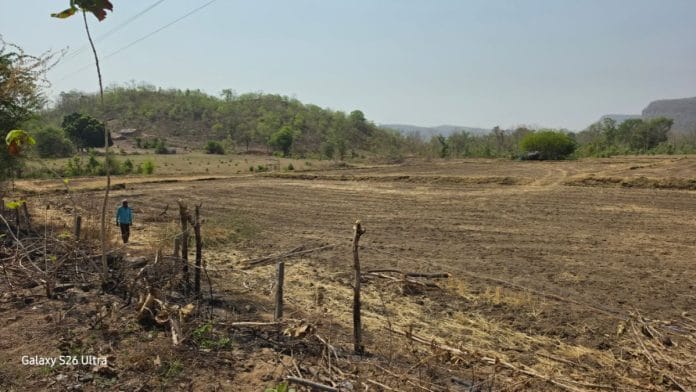


Indore/Bhopal: It is the first soybean season since the terms of the interim US-India trade agreement came out, in which India agreed to grant increased market access to American farm products, including soybean. The air at Madhya Pradesh’s Chhawani Anaj Mandi, just about three kilometres away from Indore city, is thick with chaos and confusion.
Prices have already fallen, even as the terms of the deal are still unclear; the mandi has already reduced the buying price from Indian soybean farmers.
“Till last season we used to get anywhere between Rs 6,500 and Rs 7,000 for a quintal, but even before the sowing has begun, the mandi rates have fallen to about Rs 4,500,” said a worried Ram Kishan Maurya, a 70-year-old farmer from Dansari village in the Indore district.
The ground was set for the US entry into the Indian market for a while. There was demand, there was quality assurance, and the Indian players were unable to match the production scale.
And that is why the ancillary industries, including poultry and dairy feed manufacturers, are looking forward to cheaper and better quality soybean products from the US market.
Madhya Pradesh’s falling rank
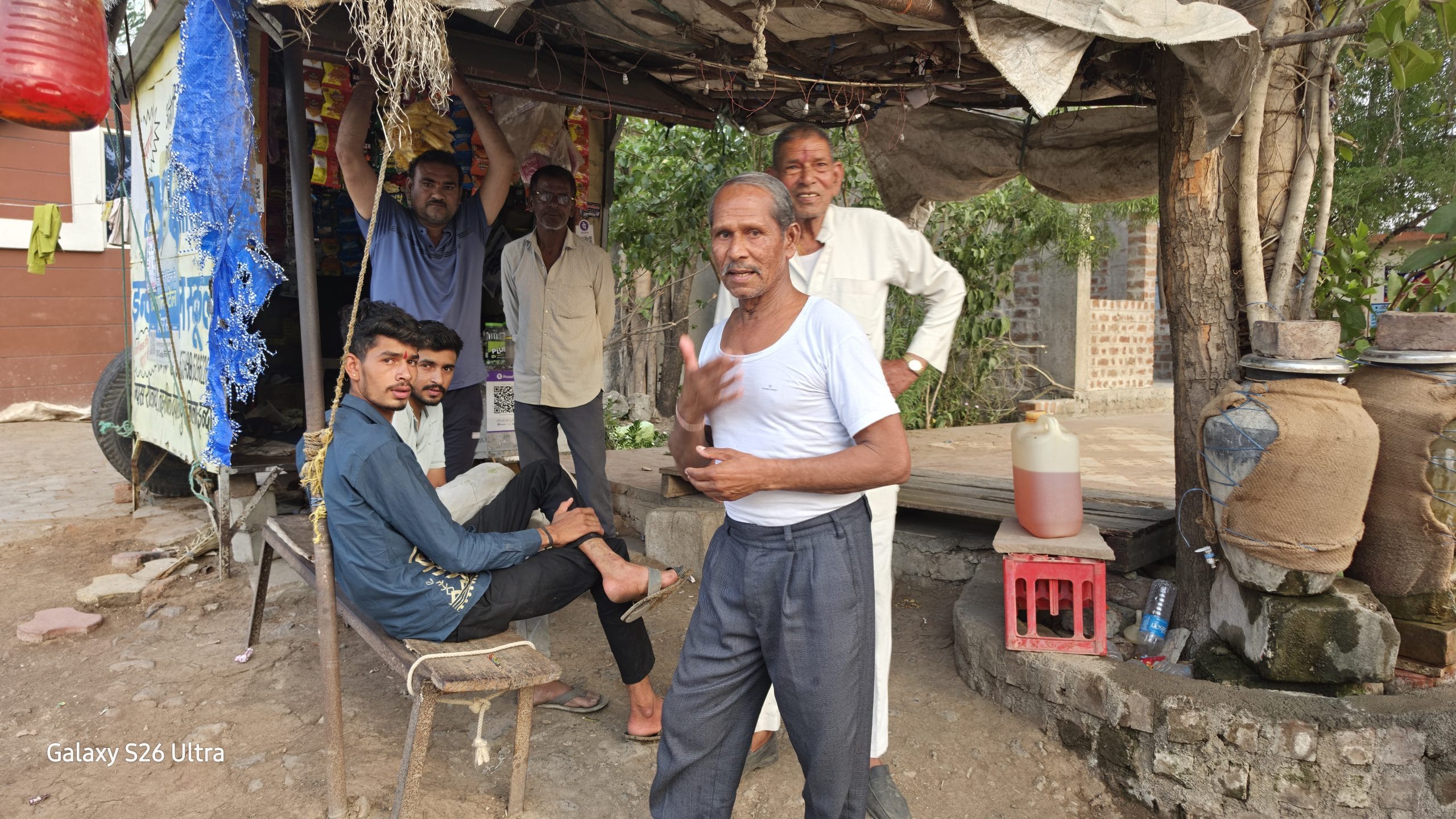
In Hatod village, one of the highest soybean-producing villages in Madhya Pradesh, farmers remember sitting glued to the television screens, eager to know the outcome of the India-US trade agreement. It was not just the farmers who were waiting for the announcement with bated breath. Soybean processors, poultry and dairy farmers, and soymeal industrialists were all depending on what was to come next.
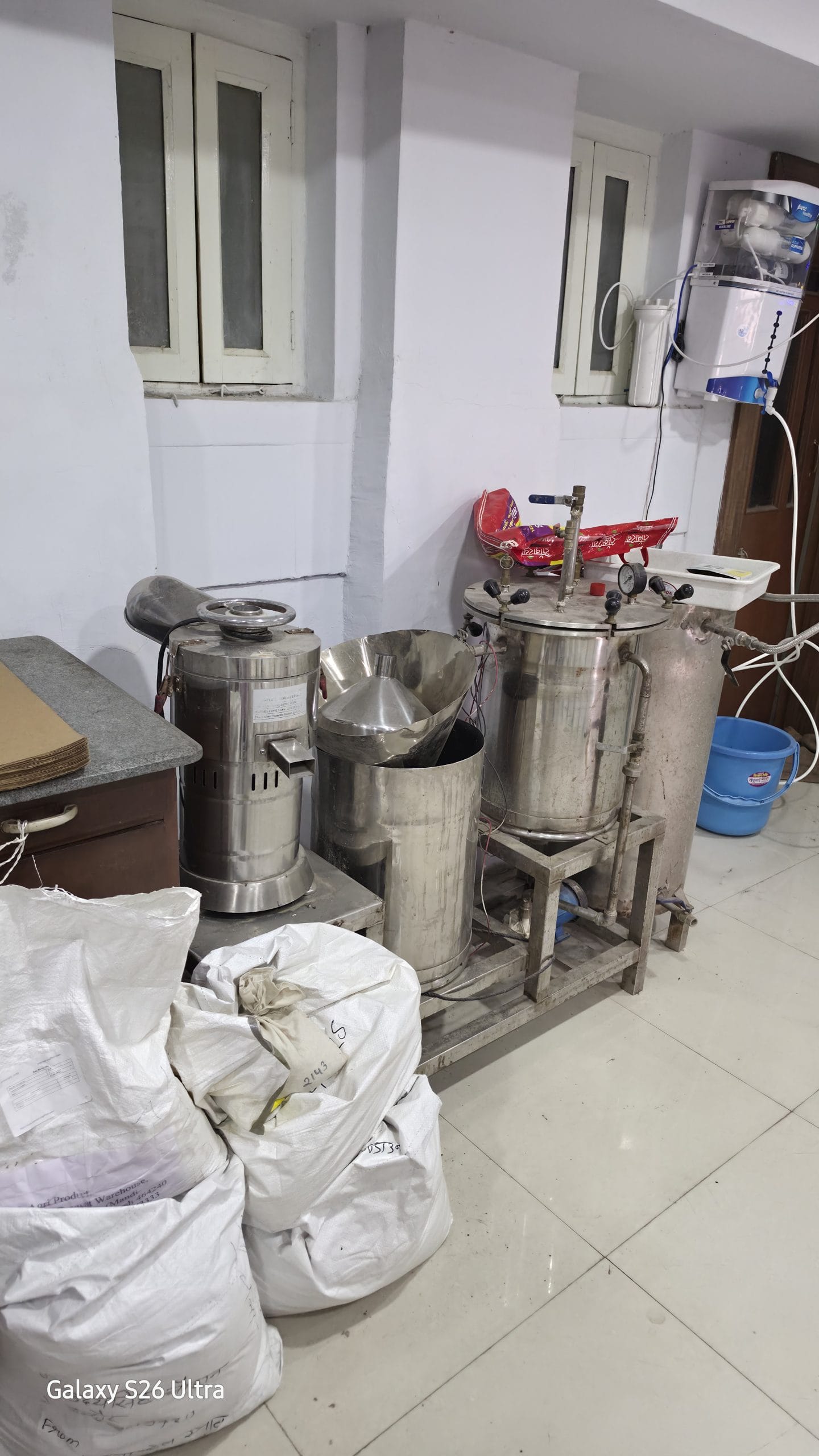
In MP, there is a web of industries that depend on the legume plant.
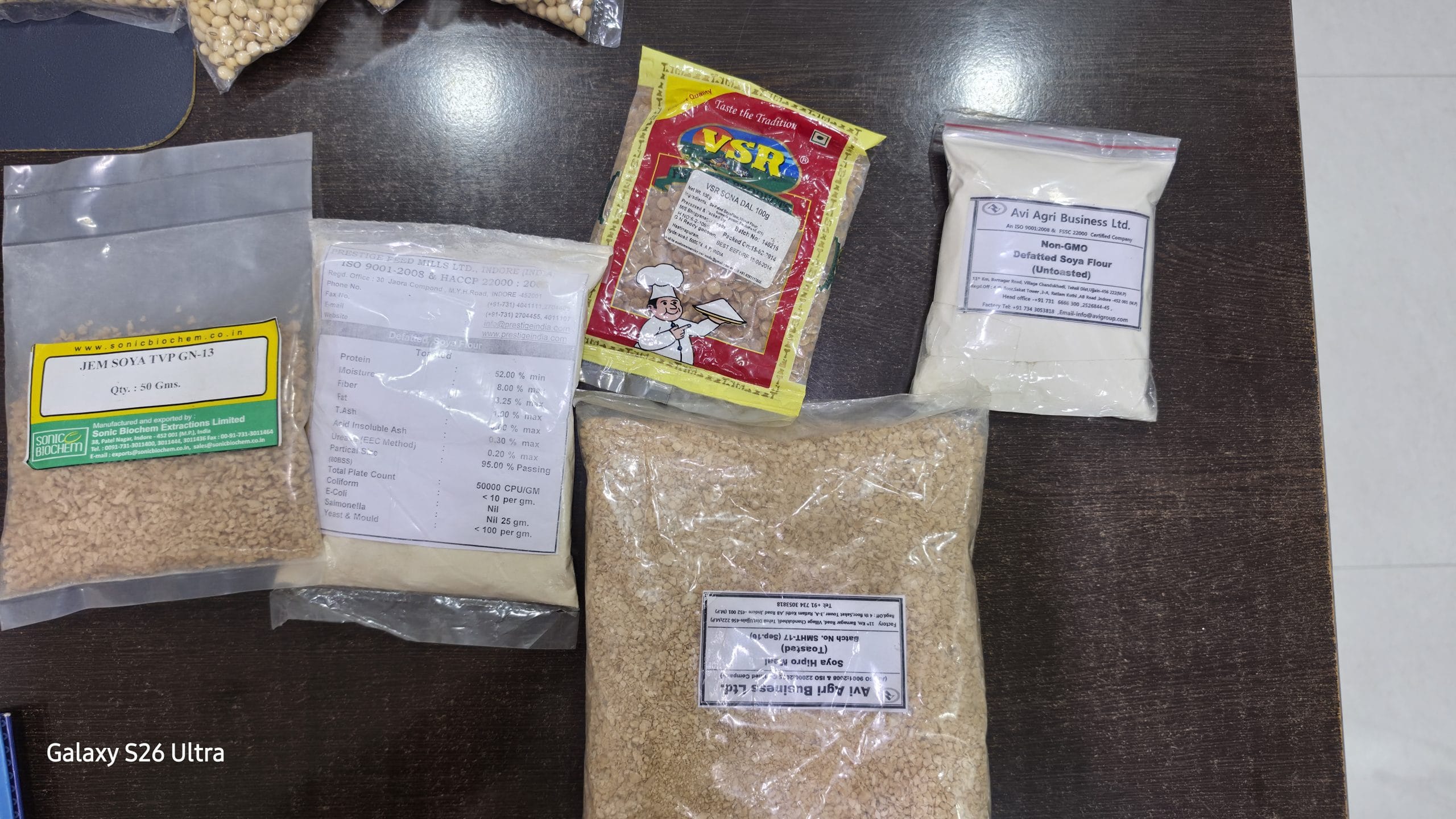
In February, through the interim US-India trade deal, India offered to reduce tariffs on soybean-related products, including soybean oil, Distiller’s Dried Grains and Solubles (DDGS), red sorghum for animal feed and “additional” American farm products.
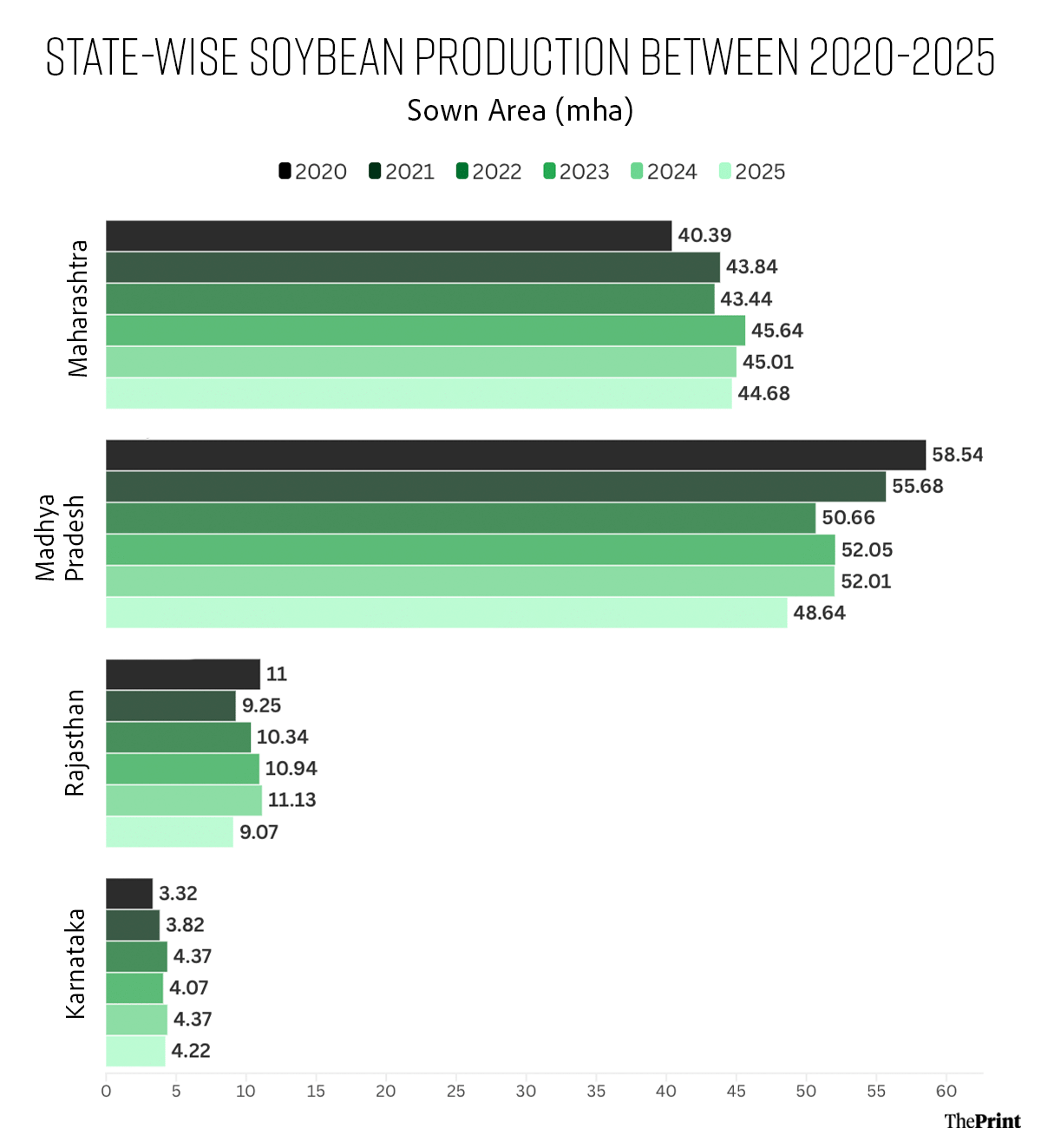
Data from the Union Ministry of Agriculture and Farmers Welfare shows a troubling trend of reduced soybean production across India. In 2025, India had a sown area of 112.114 million hectares of soybean, down from 118.319 million hectares in 2024. The estimated yield in 2025 was 983kg/ha, and the production was nearly 110.267 million tonnes. This was also lower than the estimated yield of 1089kg/ha and production of 128.821 million tonnes in 2024.
The situation of Madhya Pradesh has been particularly bad.
From ruling the ranks as the ‘soyabean bowl of the country’ since the 1970s, when the soybean boom happened in India, the state slipped to the second rank after Maharashtra in total yield and production, despite continuing to maintain the highest sowing area.
Farmers have been fighting erratic weather and reduced support from the government.
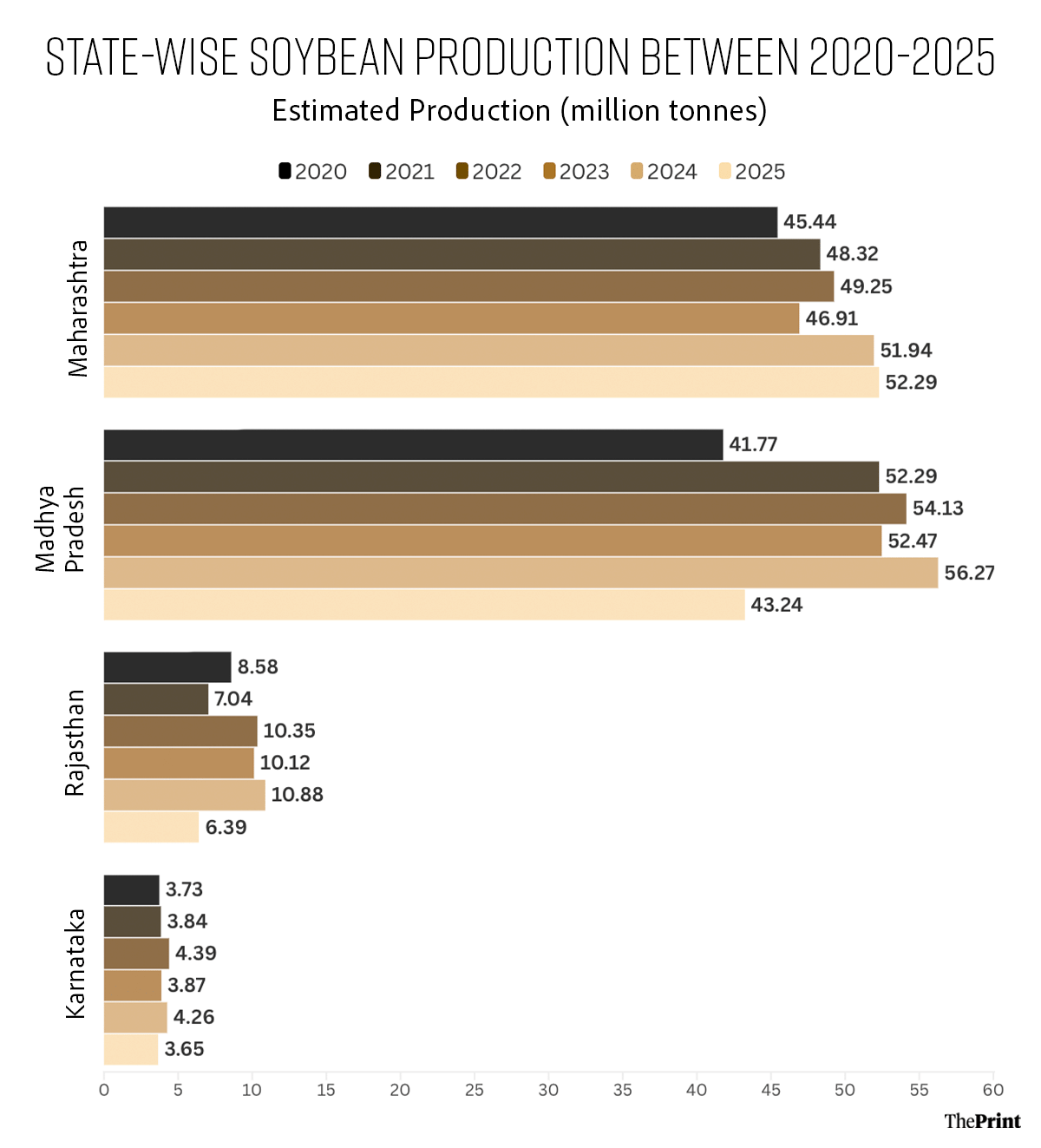
With a sown area of 48.6 million hectares, MP was able to produce only 43.24 million tonnes of soybean. Maharashtra was the largest soybean-producing state in India in 2025, with a total production of 52.29 million tonnes of soybean with just 44.68 million hectares of sown area.
“We do not know the impact of the deal yet. Soybean came in as a promising intermediary crop in the 1960s and the 70s and quickly became a very productive industry. But we were not able to cash in on that boom very well. In the last few years, the domestic production has been falling consistently, and there hasn’t been a focused action plan to revive it,” said DN Pathak, executive director of the Soybean Processors Association of India (SOPA).
Worrying trends of low yield
In the early 1970s, soybean made its debut in the fields of Madhya Pradesh. And very soon, it became the “Shah Rukh Khan of the Indian agriculture scene.”
By 1980, India’s total area under soybean had reached 0.5 million hectares, which increased to 2.25 million hectares by 1990. Within just two decades of its entry into the state, MP accounted for over 70 per cent of the country’s total soybean production.
“There isn’t a crop that is as versatile,” Tarun Rajpal, a 32-year-old farmer from Sagar said.
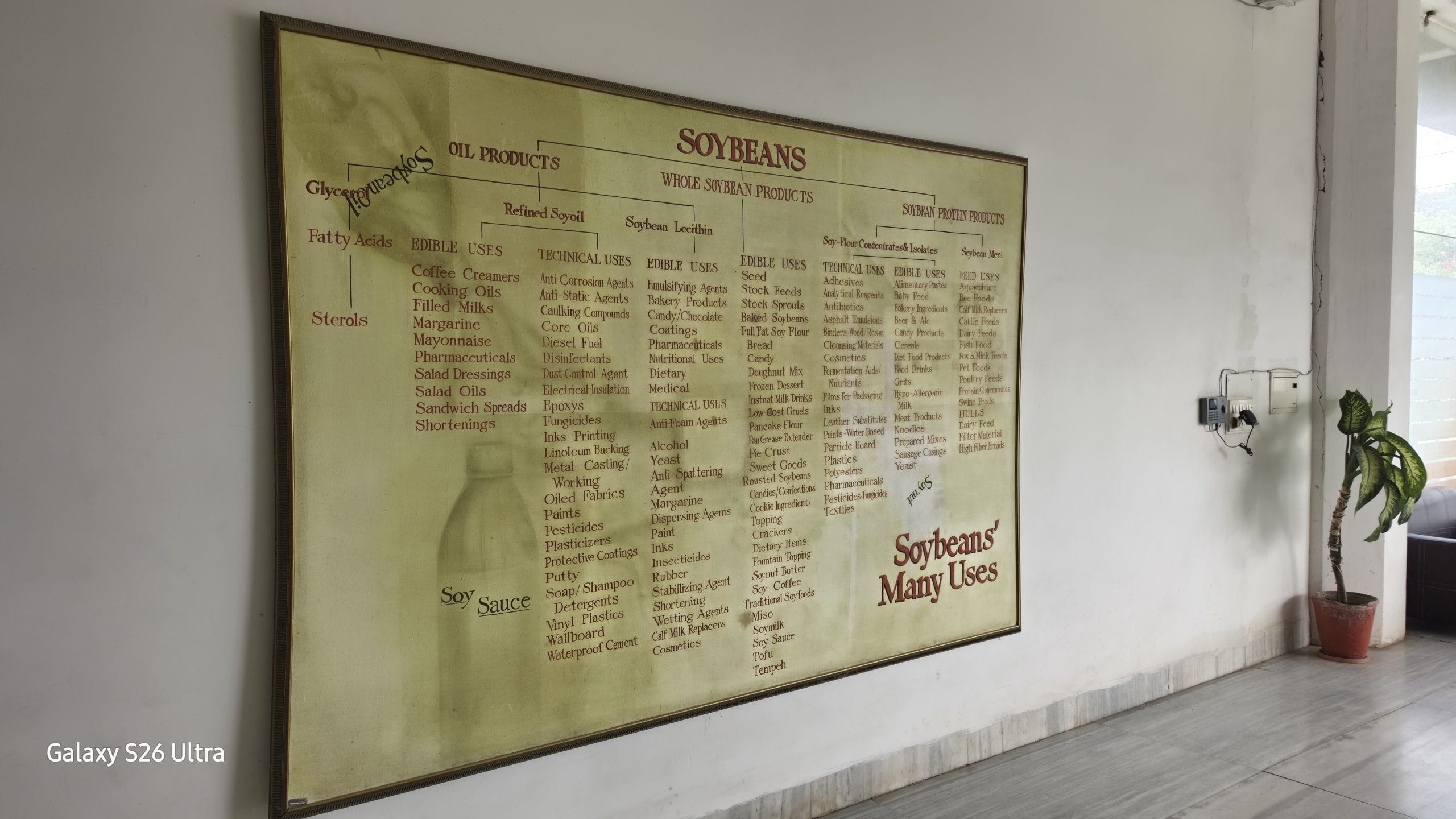
Rajpal said the reason behind its rise was that just like the Bollywood superstar who can do multiple roles, the soybean in the state doubles up as a high-protein food, seed oil, poultry, dairy and aquaculture feed, dairy alternatives such as soymilk and even biofuels.
SOPA’s Pathak said that the introduction of soybean in MP came as a boon for farmers.
“In MP, farmers did not have a dependable Kharif crop to grow in the intermediary months. The rural economy changed because of soybean cultivation,” Pathak said. “There is a village in the Indore district, Hathod, which is the hub of soybean cultivation in MP. When the soybean boom began, the farmers there started off on cycles and now they have become multiple car owners.”
When soybeans made an entry in India, the US soybean market was the model. Government agencies were in a rush to provide farmers with strong seed distribution and extension support, assured procurement and price support, and pushed for public investment in the overall oilseed industry. However, after the first few years of euphoria, the government looked away. The best example of apathy was the failure of the 2017 Bhavantar Bhugtan Yojana, a central scheme launched to compensate farmers between the MSP and the lowest market price.
The scheme failed to take off because traders manipulated market prices, payments to farmers were often delayed, and restrictive procurement windows triggered a glut of produce in mandis. The government relaunched the scheme last year, but by then it was too late. Farmers say that soybean never received consistent procurement, irrigation and policy backing.
The recent years have been particularly bad for the crop. In 2025, the outbreak of the Yellow Mosaic Virus (YMV)—a viral infection affecting legume crops—hit MP, destroying around 20-60 per cent of the yield. In the Mandsaur district, which was the worst infected by the virus, some fields completely dried up.
Another cause for concern, farmers say, is the erratic weather over the last five years. In the last few seasons, delayed monsoon and excess rainfall during the harvest period have caused crop damage.
In September last year, a report released by SOPA highlighted that 6 per cent of the soybean crop in all of MP was damaged due to excess rainfall last year. The report also said that crop growth was reported to be poor in around 15 per cent of areas. In 2024 too, excess rainfall in the second half of the monsoon season proved catastrophic for the yield. While the unpredictable rains, which coincided with soybean harvest, also damaged other crops in the state, soybean was particularly impacted because of its sensitive seeds.
But data shows that MP has been plagued by low production, despite a sizable acreage, for several years now. In 2020, for instance, MP produced 41.77 million tonnes of soybean under a sown area of 58.54 million hectares. In comparison, Maharashtra, a close second in sown area, produced 45.44 million tonnes in only about 40.39 million hectares.
After MP and Maharashtra, other contenders are barely in the race.
In 2020, Rajasthan produced 8.58 million tonnes of soybean and Karnataka only 3.73 million tonnes. In five years, the production in these states has only declined.
Last year, Rajasthan produced 6.39 million tonnes, and Karnataka ended up producing 3.65 million tonnes of soybean.
A senior official from the Ministry of Agriculture and Farmers Welfare explained that multiple factors have contributed to the low production. The government, he said, has fixed a floor price of Rs 4,892 per 100 kg of soybean.
“It is not just excess or deficient rainfall; even uneven distribution can impact the crop cycle. Apart from this, many farmers are also now shifting to growing other alternatives like corn and sugarcane,” the official said.
Not all bad news
Poultry and dairy feed manufacturers, however, are thrilled by the possibility of relaxed imports under the US-India trade deal.
Currently, the Indian feed makers rely on locally made residual de-oiled cake (DOC), which is made after soybean oil has been extracted from the seed. These variants barely match American DDGS in cost or quality.
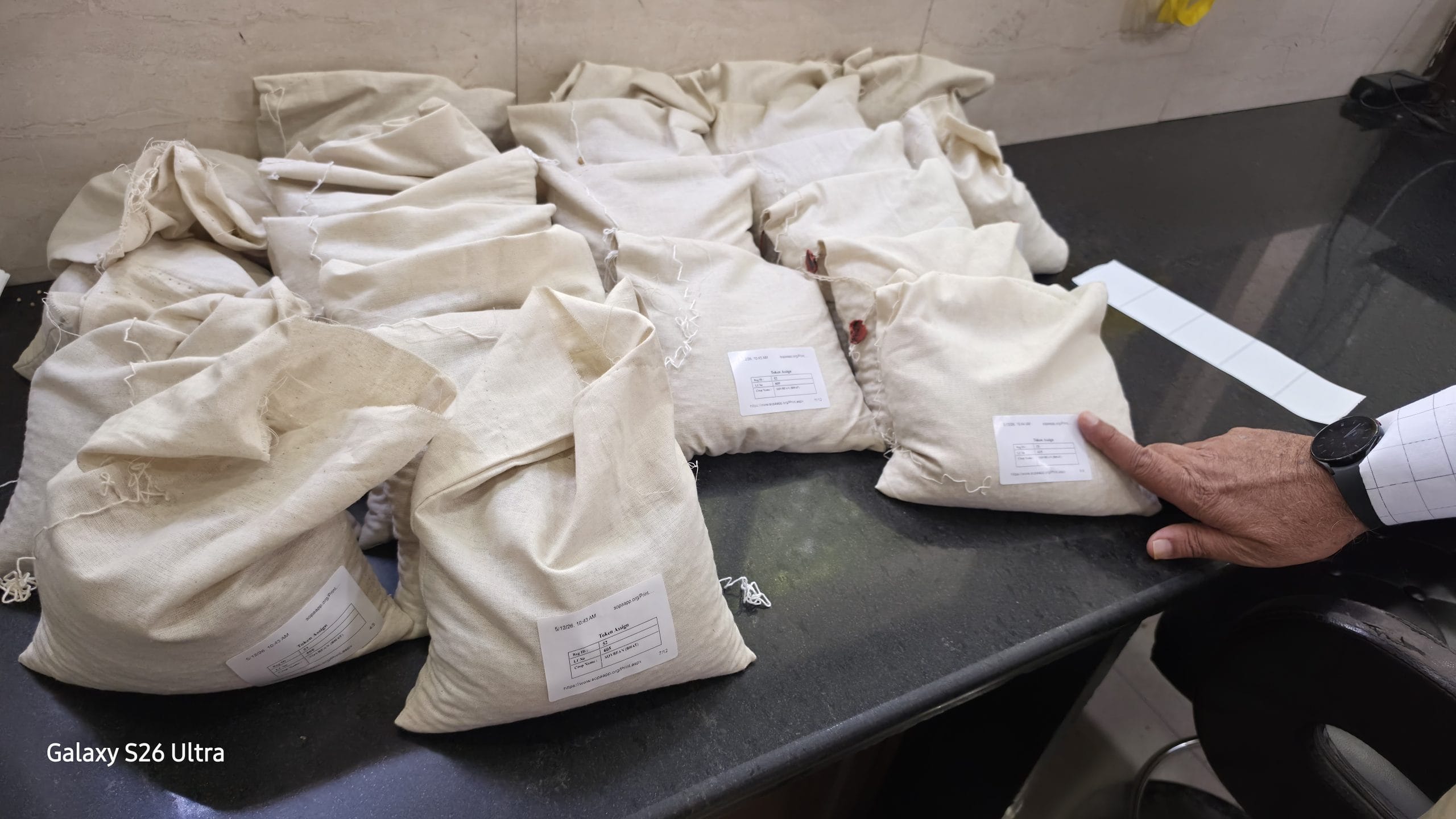
In the large poultry farms in Dansari, the pro-deal sentiment is palpable. Amid the clucking and the cackle of the hens in the background, Ghansyam Das, a poultry farmer in the village, pledges his “100% support” to imported DDGS. He has always provided the best quality feed to his hens and is looking forward to doing so at a lower cost now.
“The Indian made DOC is at least 30 per cent more expensive than its American alternative. It is high-protein but the US varieties are surely of a better quality. Then why should the Indian poultry farmers not turn to the imported variants?” Das said.
Till last year, soybean DOC was priced at Rs 43-45 per kg. The price of rice DDGS, in comparison, is Rs 30 per kg. The price of the corn variant goes down further to about Rs 24 a kg. This is low on protein but still a preferred option for large-scale feeds.
The American DDGS is a byproduct of alcohol production from maize, rice and sorghum. It uses enzymes to convert starch into alcohol. The only sticking point in the imported DDGS is the use of genetically modified (GM) corn, which is not a preferred option among a small section of GM crop opposers.
A 2025 report released by the US Department of Agriculture, titled ‘The Growing Demand for Animal Products and Feed in India’, projected India’s soybean meal consumption to increase from 6.3 million tonnes in 2022-23 to 17.7 million tonnes by 2040, and then rise further to about 28.3 million tonnes by 2050.
Also read: Why labour laws fail India’s Dalit ASHA workers
Maruti vs Ferrari
The US-India trade deal has become the topic of discussion in the evening card games in Dansari village. Farmers discuss their fears and share tidbits from conversations in mandis, putting their heads together to decide on their collective future course. What was once an annual fallback income for most in the village is now turning into a topic of distress.
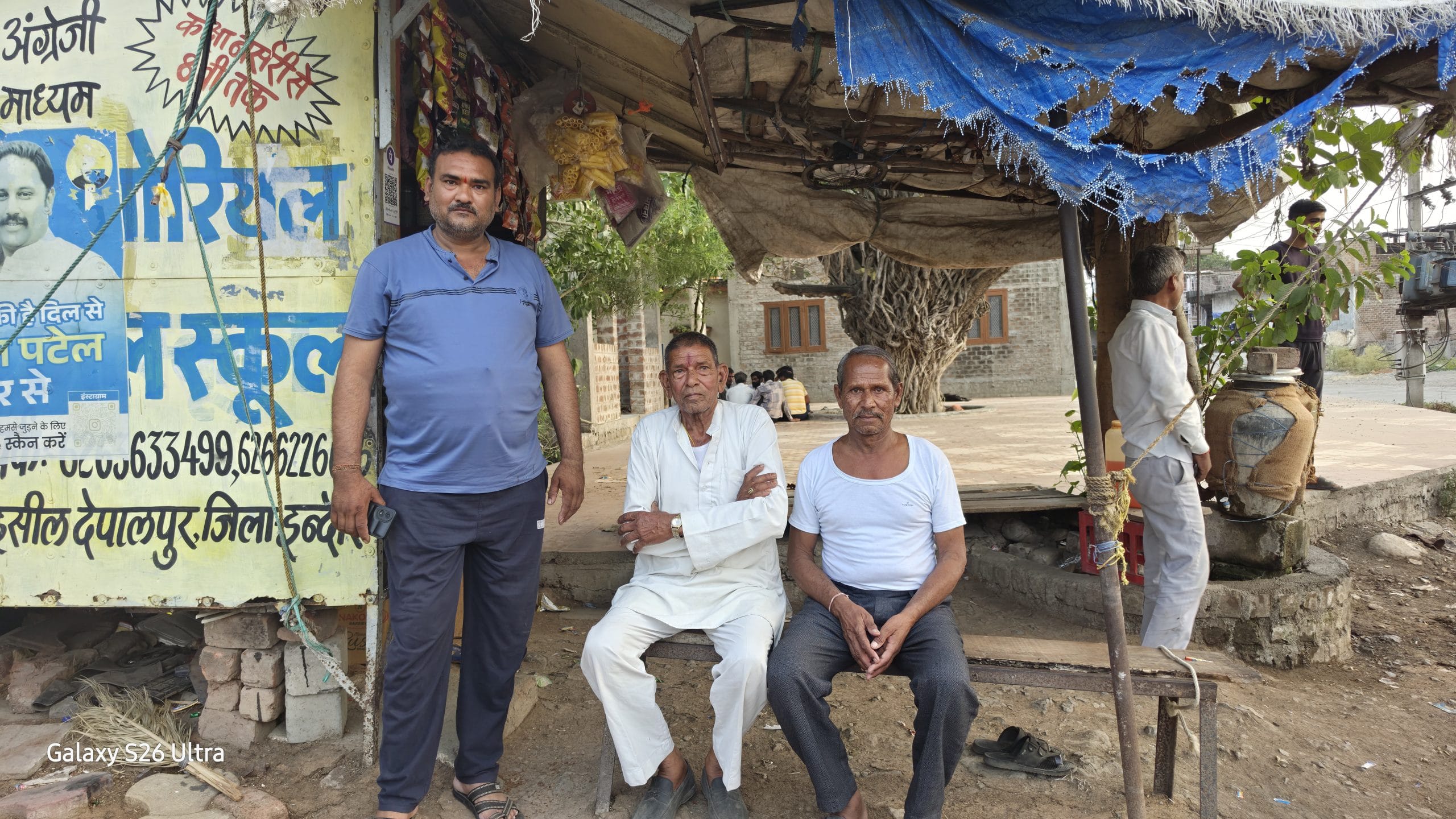
The sowing of soybeans will begin from the end of June. Most varieties follow a 60-90 day crop cycle.
Owing to uncertainties around the US-India trade talks, many farmers are opting out of soybean cultivation this season. This means that the production is likely to fall further.
Many farmers are already moving to other intermediary crops like maize and red gram.
Seventy-year-old Ram Kishan Maurya agrees that India’s soybean farms are no match to the large landholdings in the US. But he added that government apathy has a big role to play in it. Indian subsidies, landholdings and market support are no match to what is provided in the US.
Maurya and his farmer friends demand that if the government is hell-bent on inking a deal with the US, they should at least stick to the imports of high-quality soybean seeds. This, they say, will support the Indian farmers and help improve productivity.
“You (the government) have provided us with no support over the last few decades and are now blaming low production on us. And now, you are pushing us to compete with the world leaders,” Maurya said.
“It will be like the Maruti 800 competing with Ferrari,” he laughed, in an attempt to mask his fears.
(Edited by Ratan Priya)