








Indore: Sweat soaked through the turbans and wedding kurtas of the 42 grooms. They stood in the scorching 42°C heat at a temple altar, waiting for their brides. The grooms arrived in cars, on motorcycles and in rented SUVs, they had been promised a new chapter with a fair, beautiful bride from their community. But as the hours passed, reality set in—the women they had come to marry did not exist.
“We trusted people from our community, and now our dignity is shattered, so are our families,” said Abhishek Bairagi, a factory worker, who had travelled more than 100 kilometres from Sehore to get married at the mass wedding.
Mass weddings in India are not the stuff of culture or tradition. It is placed in the universe of social service and charity. For men and women from financially weaker families, it is an opportunity to marry without incurring crippling debt. Wedding expenses can often impoverish a parent. Many state governments have tried to cap the spending on the big fat weddings, but have failed.
While there are no national statistics on mass weddings, thousands of such marriages take place every year under government schemes and through community organisations.
From 2017 to 2025, Uttar Pradesh government alone facilitated the weddings of 4.8 lakh people. And the Madhya Pradesh government has wedded thousands of couples since 2006.
But in recent years, mass weddings have emerged as an unlikely arena for fraud. The promise of cash assistance, gifts and other benefits have created incentives for exploitation, even when the monetary gains are modest. What occurred in Dewas was a result of this vulnerability.
“Mass weddings in India have financial and social aspects. The Dewas case was not just a financial scam. It exposed a mindset where the focus is no longer on finding the right partner but simply on acquiring the tag of marriage. People are willing to pay intermediaries to get them married because they believe marriage is essential to being considered settled in life,” said Urvi Mohan, advocate Delhi High Court, specialising in marriage disputes.
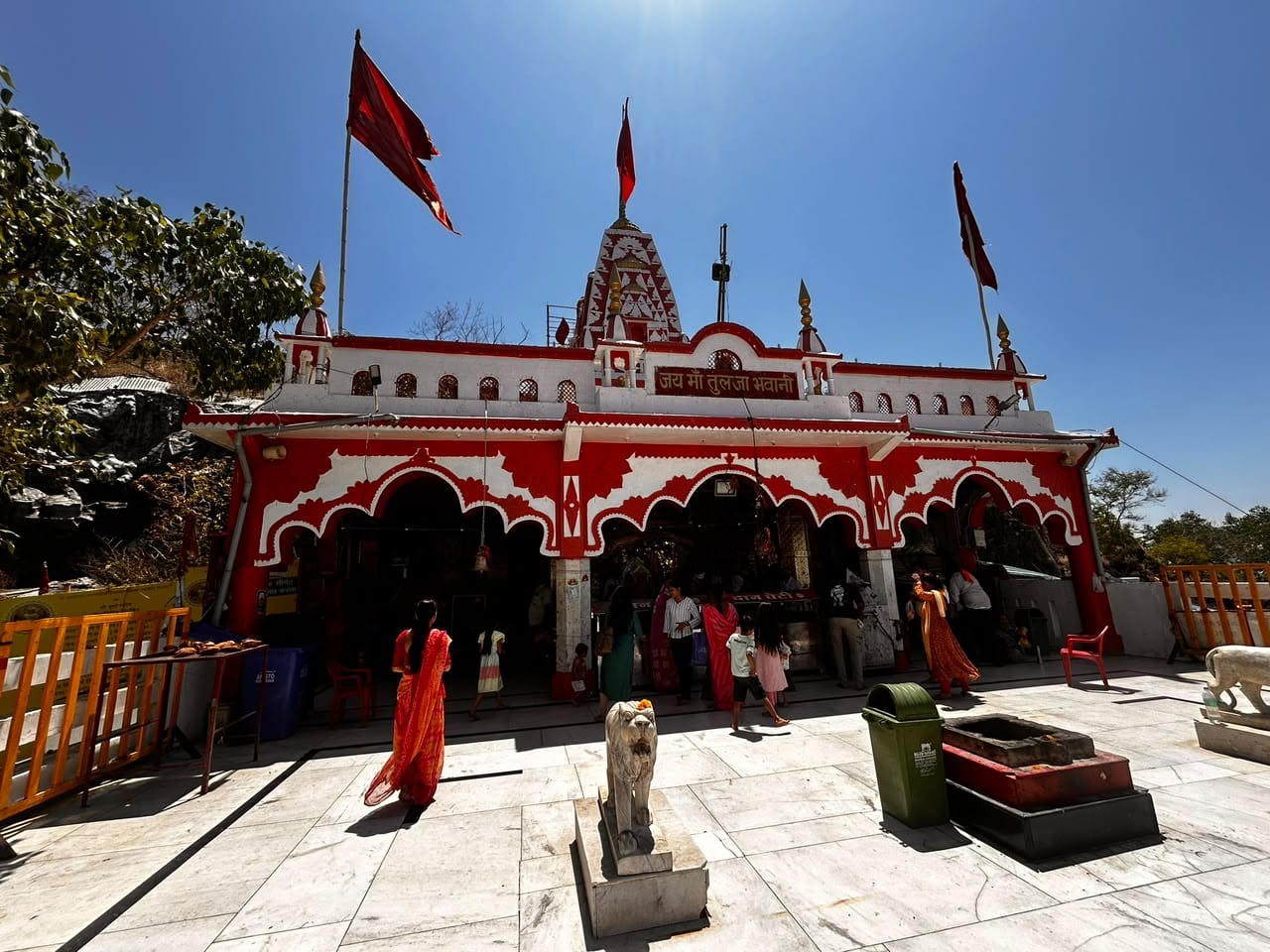
Dewas and the wedding fraud
In India, weddings take an emotional and financial toll.
India is one of the biggest marriage markets. The Confederation of All India Traders estimated that from 1 November to 14 December 2025, Rs 6.50 lakh crore will be spent on weddings.
Starting from wedding planners to a mehendi artist, hundreds of people are involved in two people getting married. With the breadth and depth of the market constantly growing, the chances of fraud have also increased.
What unfolded in Dewas was a glimpse into the growing desperation among families struggling to find brides for their sons. It’s fuelled by a shortage of women in the community.
Keshav, a class 12 graduate, who works as a security guard at a posh society in Indore, was one of the grooms who left empty handed from Dewas.
At Keshav’s village, Kala Pipal, the chaos has subsided but an air of unease persists. Ten days after the incident on 25 May, his family has come to terms with the loss of money and the lack of a bride. Keshav went back to work in Indore immediately after the incident.
“Our dignity was thrashed in our village,” said Bhagwan Das Bairagi, Keshav’s father.
Even the women of the family, who heard the story of fraud from the men who travelled with Keshav, are no longer waiting for “support” from Dewas.
“When someone shows you a photograph and says they can arrange a marriage, you want to believe them,” said Bairagi. “Many families are struggling to find brides for their sons. People take chances because they fear the opportunity may never come again.”
The four accused, all part of the Bairagi clan, allegedly told the victims that the prospective brides were from Matra Chhaya Ashram, an orphanage in Indore run by Seva Bharati, an organisation affiliated with the RSS.
Keshav’s uncle Om Prakash Bairagi found the claim fishy and took it upon himself to investigate.
“One of the victim’s family members came to us because he was about to pay Rs 25,000 [to the scammers] and wanted to verify whether such marriages were actually being conducted through our institution. We told him very clearly that no such programme existed here,” said social worker Sarita Kunhare, who works at the orphanage.
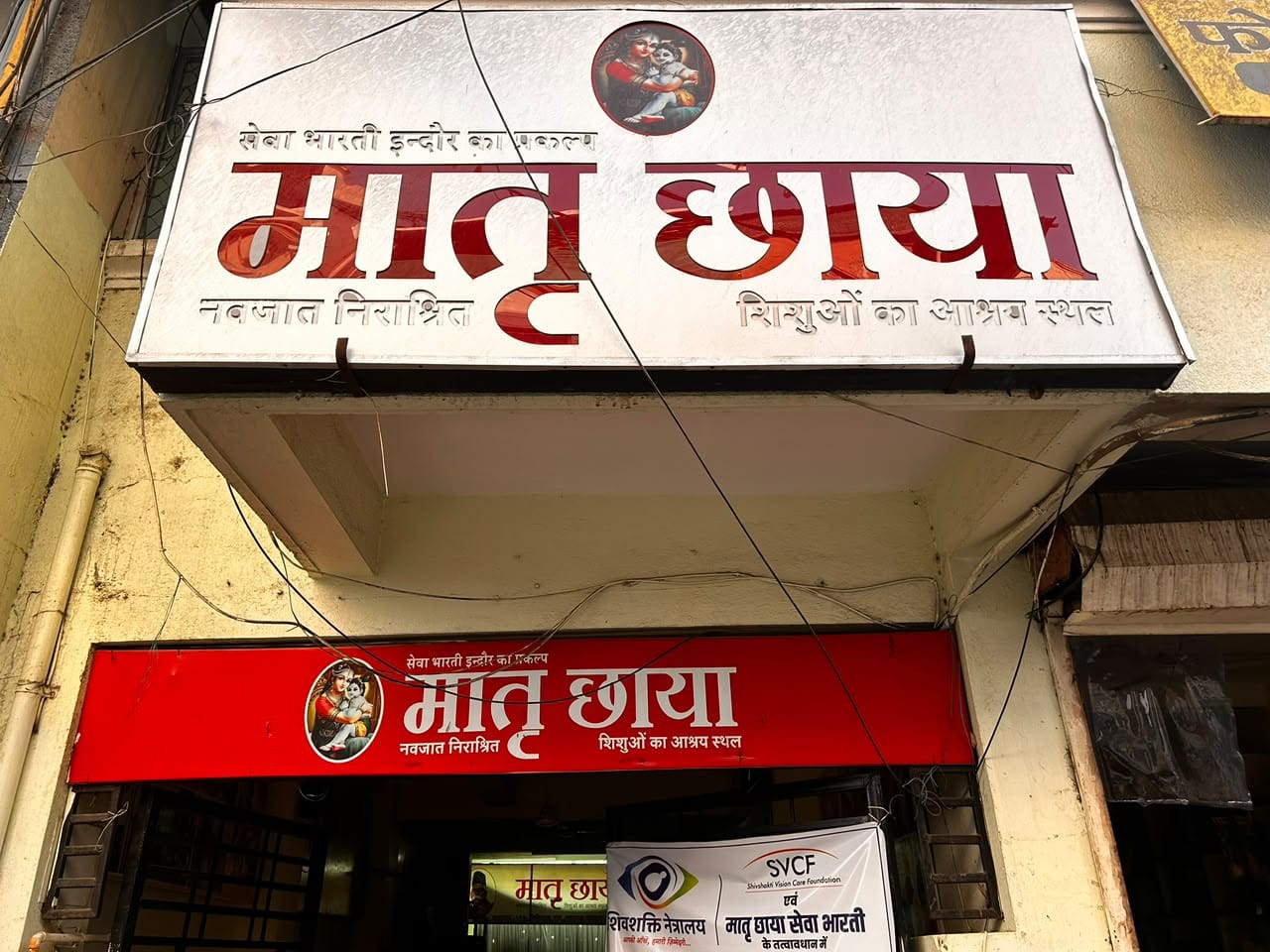
Om Prakash warned the family, but they still proceeded. The 24-year-old’s ailing grandmother wanted to see her grandson wedded to a woman from the community.
Mass weddings scams thrive offline, but most fraud around matrimony is steadily going online—scamsters are lurking on matrimonial websites, dating apps and social media. A December 2025 research paper by V Chithra, professor, Dr Ambedkar Government Law College, Chennai, stated that scammers exploited the trust associated with arranged marriages and matrimonial platforms. The fraudulent use fake identities and emotional manipulation of the target. It pointed out a 9000 per cent surge over four years of such reports. The financial impact in 2024 was as large as Rs 22,000 crore.
“The genesis of all this lies in the enormous emphasis Indian society places on marriage. We are raised with the belief that life is incomplete until you are married. ‘Settling down’ rarely means getting a good job or buying a house—it almost always means getting married and having children. That social pressure creates a market that fraudsters can exploit,” said Mohan.
Also read: Hindu boy, Muslim girl got married in Budaun. Celebration in one area, mourning in another
A Bairagi bride
Wedding-related fraud has become increasingly organised, with scammers following a playbook. What happened in Dewas was not an isolated incident. Mass weddings with “missing brides” have surfaced repeatedly across different parts of the country.
Mass weddings mostly take place in rural or semi-urban areas, where there are fewer outlets to verify information about prospective partners. In many cases, the age gap between the bride and groom is significant, and the men participating are often those who struggle to find partners through conventional marriage networks. There is an agent involved—this is the money-making middleman. Victim families in Dewas reportedly paid between Rs 15,000 and Rs 25,000 each to a middleman. It demonstrates how desperation can be converted into a profitable business model.
Keshav’s family met Sunita Das Bairagi at the wedding function of a relative in April. She was a talkative woman who moved easily among the guests showing off a photo of a beautiful girl on her phone. It’s no unusual sight in India. Weddings are hunting grounds for suitable brides and grooms.
Although Keshav was in Indore, his father and uncles were impressed by the looks of the girl in the photo and decided to move ahead with the proposal.
“We were told the wedding is next month, and the family has to give Rs 15,000 for the preparation, and it will be a community wedding of Bairagis,” said Om Prakash, who works as a cab driver in Indore.
Bairagis in Madhya Pradesh are traditionally Hindu priests, temple caretakers and spiritual leaders. They belong to the Vaishnavite tradition.
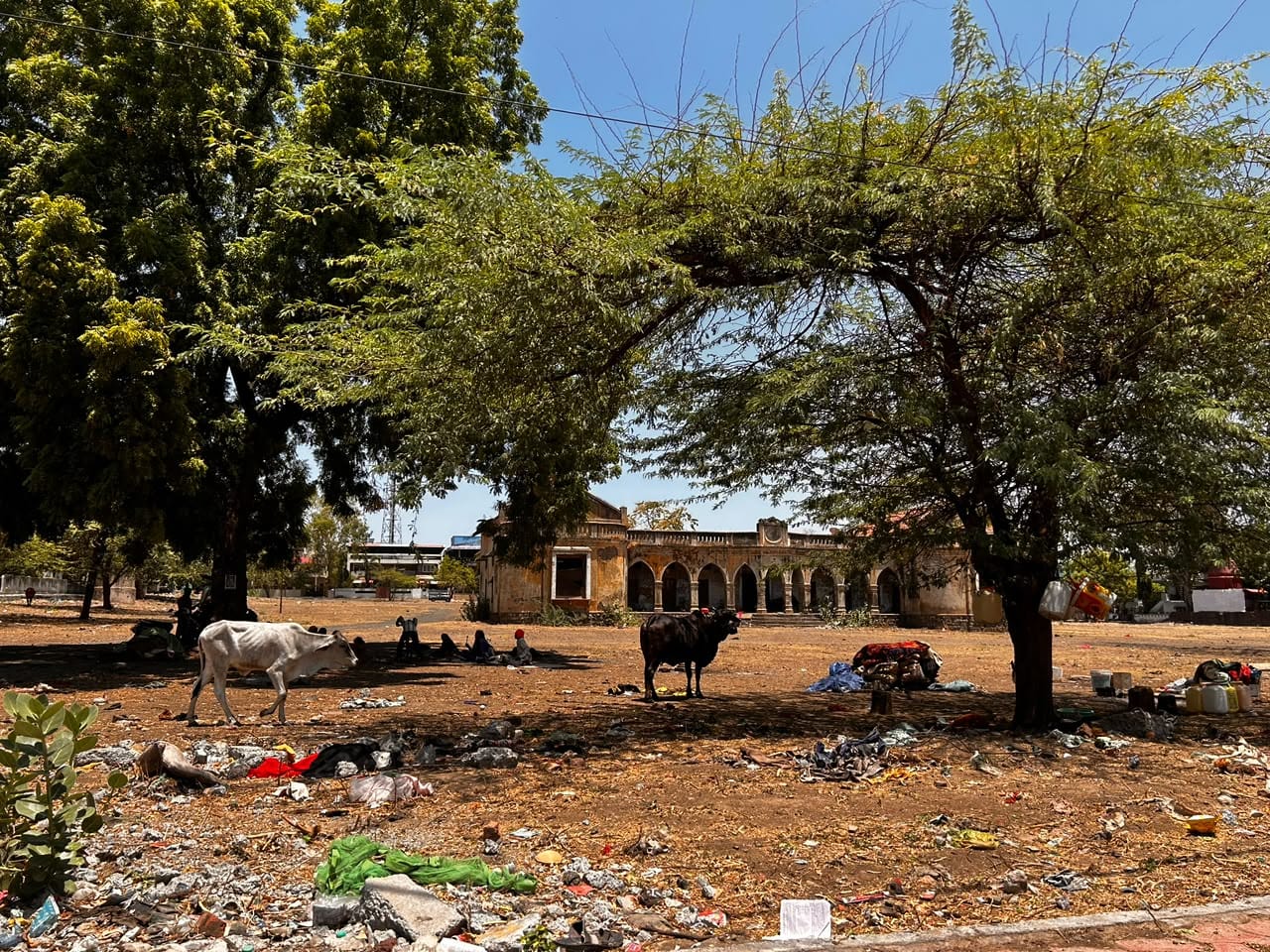
Reluctance to complain
Investment scams, gift and customs clearance frauds, fake NRI groom/ bride schemes, sextortion and loot-and-scoot brides (looteri dulhans) are infamous in Madhya Pradesh.
The “loot-and-scoot bride” is a woman who uses marriage as a way of embedding herself in a family and then disappearing with their money and valuables after gaining their trust. Most of these brides are bought from other states.
“The accused were inspired from Looteri Dulhan,” said Dewas Superintendent of Police (CSP) Sumit Agrawal. All the accused—Mukesh, his wife, Sunita, his father, Narsingh and his brother Dinesh—have been arrested.
All the men worked as menial labourers and were looking for a better life. Wedding fraud was an easy idea.
But of the 42 scammed, the police have only received and registered 13 complaints, including Keshav’s. “In our society these words travel fast, and it was about our dignity, hence a lot of them did not file a complaint,” said Om Prakash.
“Nearly Rs 1.25 lakh has been taken from the victims,” said Agrawal.
This pattern, of reluctance to complaint, was witnessed at a similar mass wedding scam in Ahmedabad.
In 2024, a pamphlet promoting a mass marriage ceremony was circulated under the aegis of the Hindu Jan Vikas Seva Sangh Trust. Families interested in participating were asked to pay Rs 22,000 toward wedding expenses. One hundred and thirteen couples signed up.
However, when they turned up at the venue, there were no wedding preparations. The organisers had absconded.
News reports claimed around Rs 24 lakh was taken from the families. A social worker convinced one of the 113 couples to file a complaint, which led to the opening of a case.
Unlike the Ahmedabad event, the Dewas wedding was brought to the attention of the grooms through community networks.
“We trusted it because the information came through relatives,” said Om Prakash. “One person trusted another, and then others followed. When relatives say a marriage has been arranged, you don’t immediately think it could be a fraud.”
The family had pinned all their hopes on the wedding. “Like any parent, we were waiting for a daughter-in-law to come home,” said Keshav’s mother, who did not want to be named.
“When your son reaches marriageable age, that is what every family dreams of.”
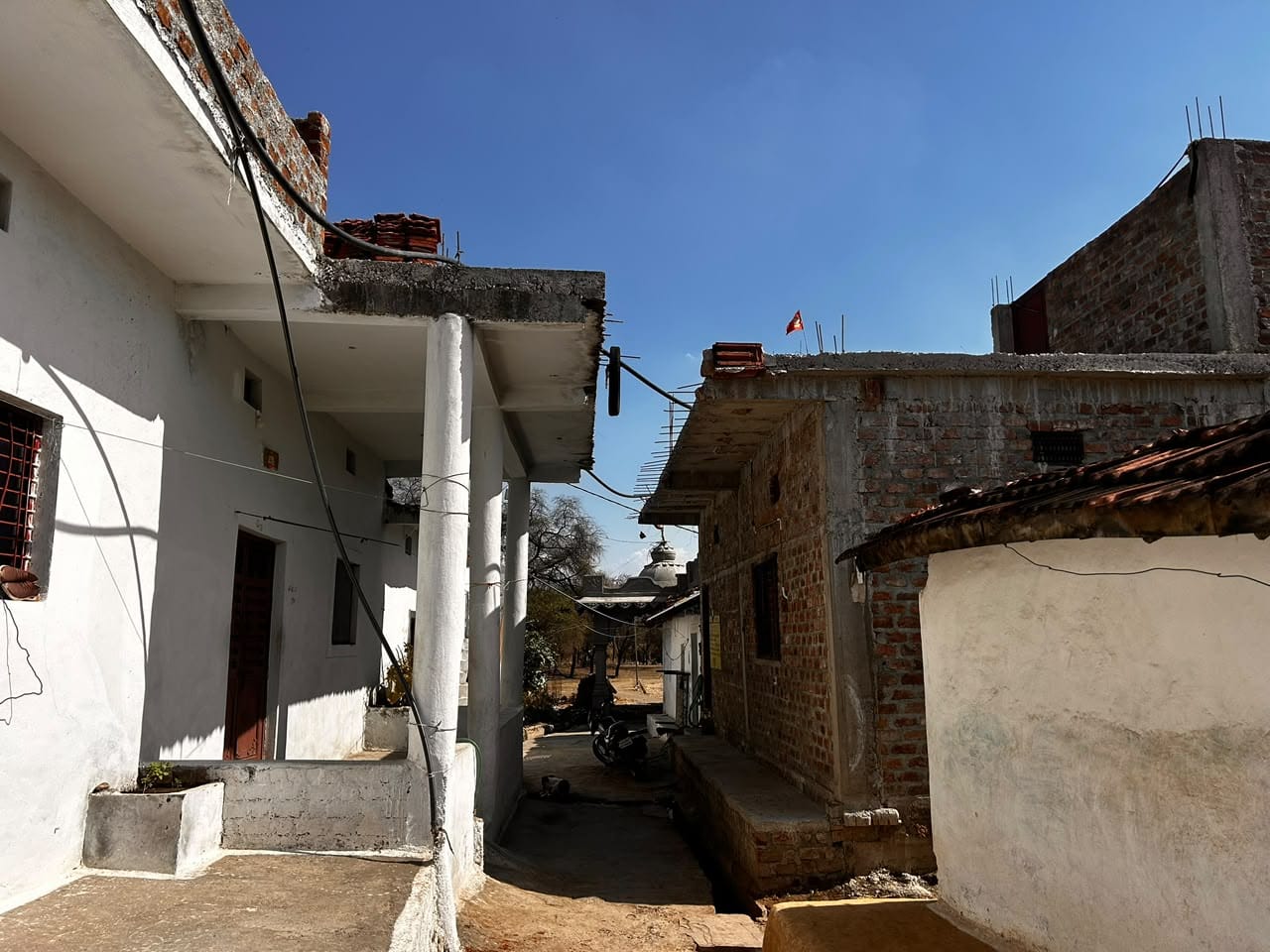
Government schemes, NGO initiatives
Different states across India have witnessed variations of the mass wedding fraud.
In Uttar Pradesh’s Ballia, arrests were made after a mass wedding ceremony when authorities discovered that several grooms had allegedly been paid by marriage brokers to pose as husbands in order to fraudulently claim government benefits.
Mass weddings in India are carried out through government schemes, community temples and NGOs.
Madhya Pradesh has Mukhyamantri Kanya Vivah/Nikah Yojana, Uttar Pradesh has Mukhyamantri Samuhik Vivah Yojana, Rajasthan has Mukhyamantri Kanyadan Yojana, Chhattisgarh has Mukhyamantri Kanyadan Yojana, Bihar has Mukhyamantri Kanya Vivah Yojana.
Under all the government schemes, money is given to the bride and her family to take care of wedding expenses. In Uttar Pradesh, around Rs one lakh is given to the bride’s family—Rs 60,000 into the account of the bride, Rs 25,000 for the purchase of wedding goods, and Rs 15,000 for arrangements.
“The fact that these scams keep occurring tells us there is demand for them [mass weddings]. Fraudsters are not creating a market out of thin air—they are exploiting an existing social pressure. If there were no demand, these marriage fixers and agents would not be able to operate so successfully,” said Mohan.
Also read: The Aggarwal crisis in India. They have everything but no one good to marry
Cultural homogeneity
Keshav was not the only one from his village who got decked up and traveled to Dewas for the community wedding. Sunita Das’s scheme had spread like wildfire in the nearby villages, especially among the Bairagi community.
Among those who turned up at the wedding venue was Bhim Singh, a 40-year-old farmer who lives alone with his 100-year-old father. Although he denied to ThePrint that he had attended as a groom, his neighbours said he had been looking for a bride.
All of them left their homes smiling, anticipating a wife, who would take care of their families.
Mass weddings are often the last resort for men who have trouble finding wives. They may be past society’s prescribed marriageable age, like Singh, divorced or even drug addicts.
It’s this desperation that agents or marriage bureau take advantage of.
“The agents, who are known as bicholia (middle men), promise these families that they will get them married, and ask them for money,” said Devendra Kumar, founder of Ladli Foundation, a Delhi-based organisation working toward the upliftment of vulnerable women in rural and urban areas.
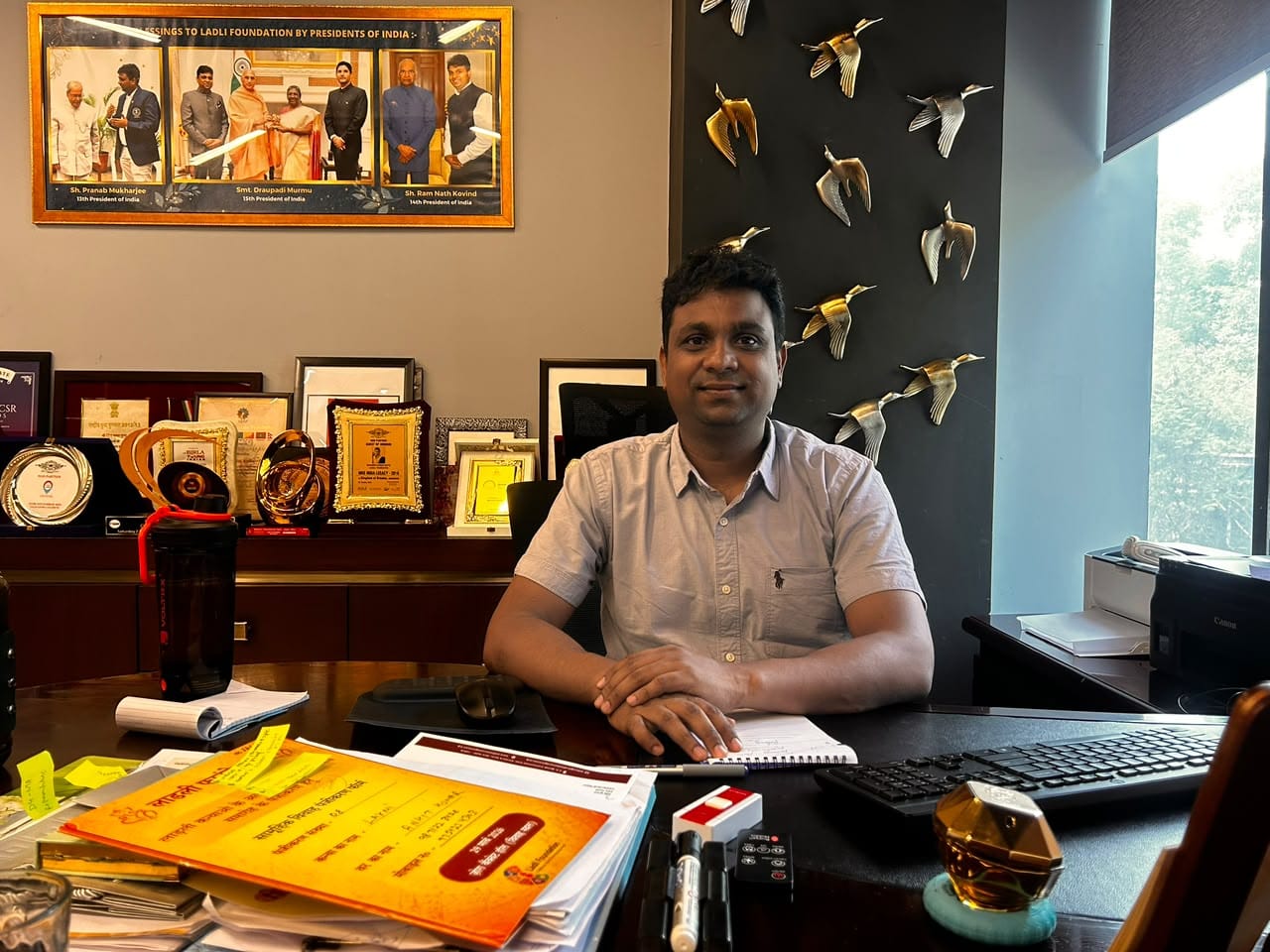
Kumar added that such frauds are more prevalent in states like Haryana, Rajasthan and MP, where the sex ratio was skewed 20 years ago.
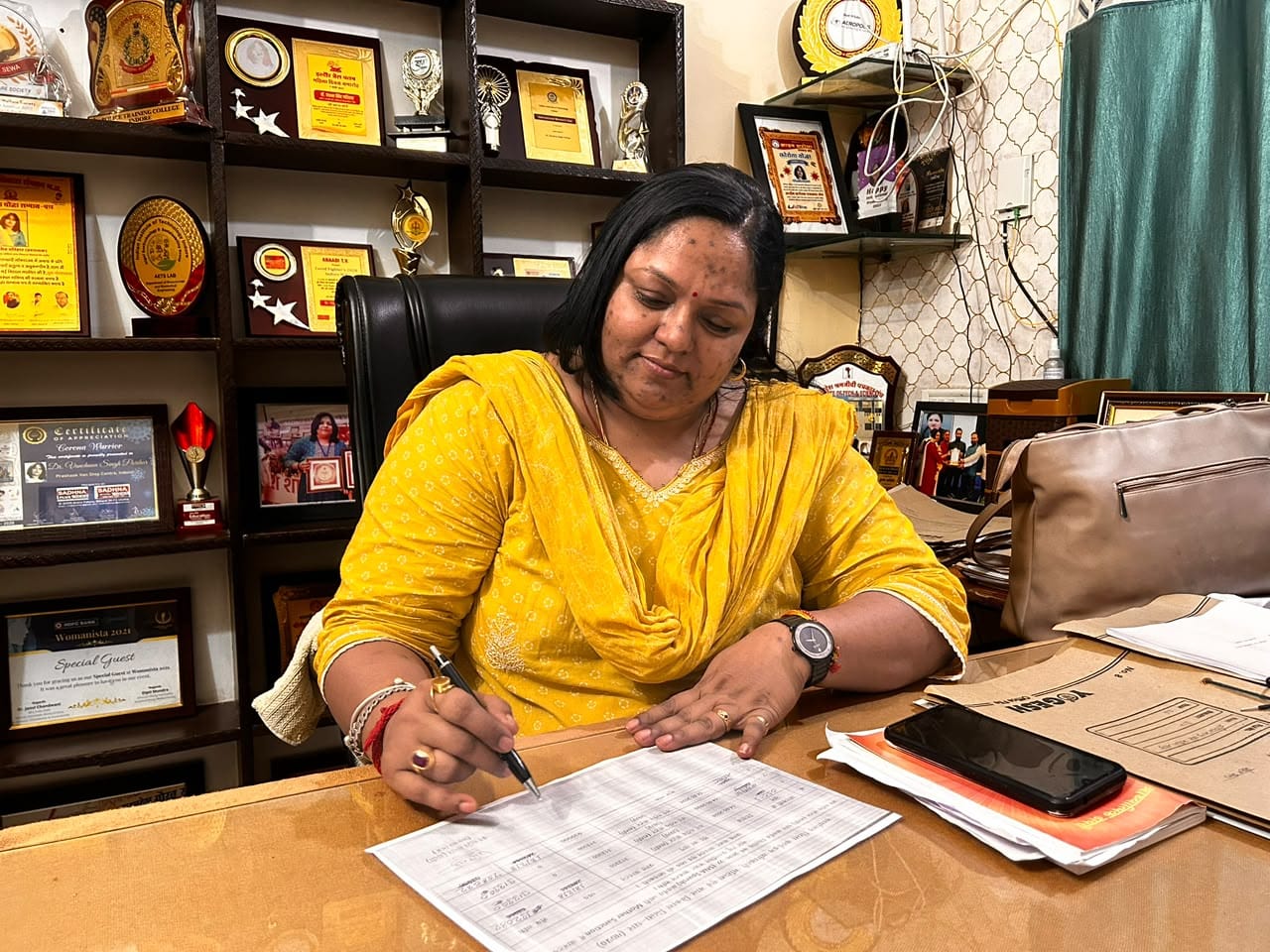
“People opt for mass weddings thinking it can save them from online fraud,” Vanchna Singh Parihar, women empowerment officer at Ministry of Women & Child Development, Indore told ThePrint.
She added that people prefer mass weddings because these take place within the community.
“It helps to keep cultural homogeneity,” she said.
It’s why for families like the Bairagis, community marriage is still not off the table.
“Keshav has to get married, but from now on we will be more careful,” said his mother.
The family is still looking for a “suitable bride”—someone beautiful from their community.
“What else can we do? Every parent wants to see their child settled,” said Keshav’s aunt.
Not all frauds
Ladli Foundation has been facilitating mass weddings since 2012. Kumar told ThePrint that the foundation insists on age verification, supporting documents and multiple checks. Apart from preventing frauds, it keeps a check on underage marriages.
Rukmini Kumari, a 19-year-old from New Delhi’s Tughlaqabad, married her 21-year-old lover in a mass wedding supported by Ladli Foundation and endorsed by Delhi government in March.
She did not want to waste money on a wedding, so when her mother told her about a mass wedding happening in Delhi she jumped at the opportunity. She registered for marriage along with her husband by paying Rs 3,100.
All she just had to walk in, everything else was arranged even the make up.

A zone for brides to get ready at the Shagun Vivah Utsav organised by Ladli Foundation Trust. | Photo by Romit PR
“I wanted to get married to him, I knew my father would not be able to organise a grand wedding, hence I went for the mass wedding,” she said.
“Samuhik vivah kare ya Niji Vivah… shaadi toh shaadi hoti hai (Mass wedding or personal wedding… a wedding is a wedding )”.
After the wedding, the couple received a suitcase full of sarees and utensils. The couple claimed that they were also promised Rs one lakh three years after the wedding day by Ladli.
Rukmini is pursuing her BA from Ramanujan College in New Delhi, and her husband who works as an operator in a textile company, takes care of the household.
“My husband wanted to celebrate our marriage, he did not want a mass wedding, but in the end we thought it was better,” said Rukmini.
Although their wedding was free of cost, they spent Rs 2 lakh on haldi, mehendi, clothes and travel.
Raj Kumar Goyal, president of the Akhil Bhartiya Aggarwal Samaj, Haryana, told ThePrint that it takes months to organise mass weddings.
“Most couples know each other, and mass weddings are an easy way for them to get married,” he said.
At Jabalpur’s Gayatri Mandir, the head priest had just finished some paper work related to weddings. Although the temple does not hold mass weddings, it’s well-known in the neighbourhood for conducting Hindu weddings without grandeur.
The head priest is a believer of simple weddings. His only son, who works at Air Bus, was married along with five more couples at a mass wedding he organised.
“My son earned a lot, he did not want to go for a mass wedding, but such weddings are simple and save so much unnecessary spending,” said the priest.
Also read: Rationalists look for love in new India. Kerala’s Secular Matrimony swipes left on religion
A busted fraud case
The Ladli Foundation has organised 2,200 mass weddings in the last decade. Kumar said that fraud is very common. In many cases, people use fake documents to impersonate someone.
They conduct three rounds of verification after registration. The team checks the background of the groom, does an internal verification and a personal interview.
“Each couple is interviewed in the office,” said Kumar. The office is located in the Qutub Institutional area.
“We are able to eliminate 90 per cent of fraud couples. however sometimes two or three are still left,” he said. These couples are in it for the benefits provided by both Ladli and the government after a completed wedding.
Despite these checks, he said that at the mass wedding in March there were three frauds.
Kumar also emphasised that these frauds could take place because of lapses in government verification.
The state governments are also tightening the rules around mass weddings.
When a mass wedding was organised in Uttar Pradesh early this year under the Mukhyamantri Samuhik Vivah Yojna, the government had a strict biometric system. It was the final checkpoint in the process that began a year prior to the wedding.
Little more than a year ago, the state government started online registrations.
The portal remains open for 365 days, and applications are accepted till one week before the wedding date.
After they register online, the block department checks the background of the couple—Aadhaar authentication of bride and grooms, mandatory online check of income certificates and double verification of beneficiaries data. At this stage, anyone who has used a fake identity is eliminated. The final list is sent to the social welfare department.
The rigorous checks occur because the couple get an assistance of Rs 1 lakh after the wedding. In FY 2025-26, the Social Welfare Department got more than 42,000 fraudulent applicants. In the same period, the state facilitated marriages of 76,522 couples.
In one case this year, a registered groom did not show up after he found out about the biometric verification. He was reportedly a married father of two.
When contacted by the department, he said he never registered and his Aadhaar was probably used by someone else.
“We averted a possible fraud case,” said Ved Prakash Mishra, social welfare district officer, Kannauj.
The bride was stranded at the altar. Mishra said that because the man did not show up, the money was not transferred to her account.
“There was a high possibility she was also involved in the fraud, it was just the man who ran away,” said Mishra.
(Edited by Theres Sudeep)
Mass wedding or non-mass wedding, everybody is just losing money. Wedding s are expensive but without any guarantee for long lasting and peaceful life after wedding. Like a lottery. Even rich people are being scammed as the news every other day confirm it. The boys are not getting girl for marriage, and the girls are also not getting boys for marriage. Co-living is the solution.