



Kolkata: The Bengali bhadralok has long maintained a steadfast devotion to hard liquor on the rocks and chilled beer. But now Kolkata’s cocktail scene is insisting on a little adventure. Truffle, fish sauce, sandalwood, bell peppers, chicken broth and black garlic are finding their way into glasses.
Cocktail culture in Delhi, Mumbai and Bengaluru often means taking a global classic and adding chilli, spice or fruit. Kolkata has taken a different route: cross-pollination between the kitchen and the bar. But the city isn’t dumping classic watering holes such as Trincas and Olypub for fish-sauce cocktails in eight-seater bars. Drinkers are only two-timing them, with a firm cap on what they are willing to pay.
At the wood-panelled Yokocho on Park Street, where fine dining meets cocktails with Bengali flavours, 39-year-old customer Ritwik Ghosh sipped a gin-based cocktail called ‘Bond Walked into Yokocho’. It’s made with olive oil, sake, gondhoraj—the local fragrant lime—and dry vermouth.
“Bangali-ra modyopan korte bhaalobashe (Bengalis love to drink). But our way of drinking has also evolved. Our infrastructure is stuck in time, but not us,” he said, taking a puff of his cigarette in the smoking room. “Trincas or The Broadway is an emotion for us, but we also have the appetite and pocket for the bouge bars.”
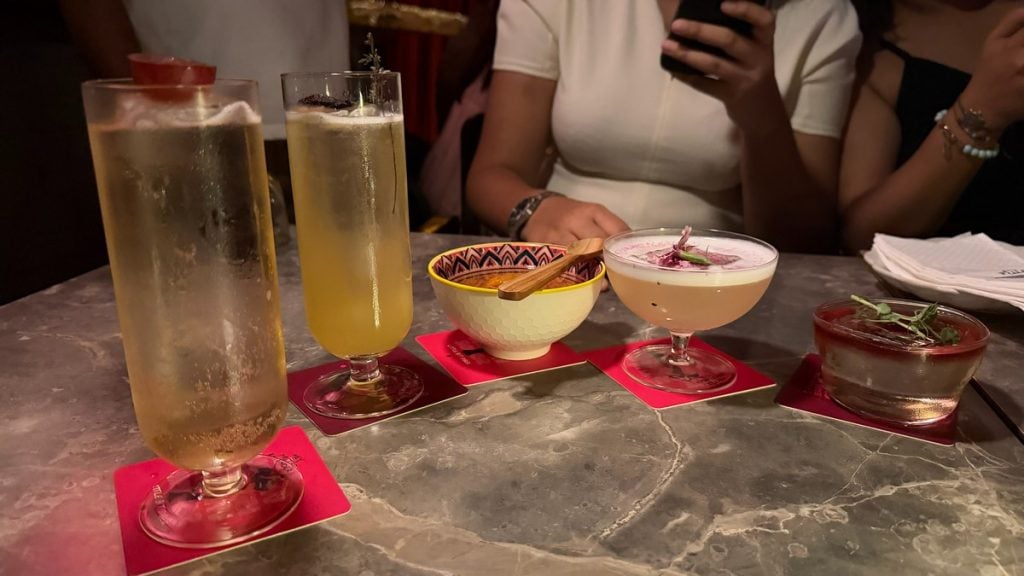
Alcohol has always been plentiful and inexpensive in Kolkata, with a drinking culture anchored for decades by dive bars, clubs, and hotel bars. By 2016, cocktails had begun to enter the scene. But for the average drinker, the choices remained predictable: a mug of beer, whisky on the rocks, tequila and tonic water, or maybe a Long Island Iced Tea. Cocktails were expensive and never the primary reason to go to a bar.
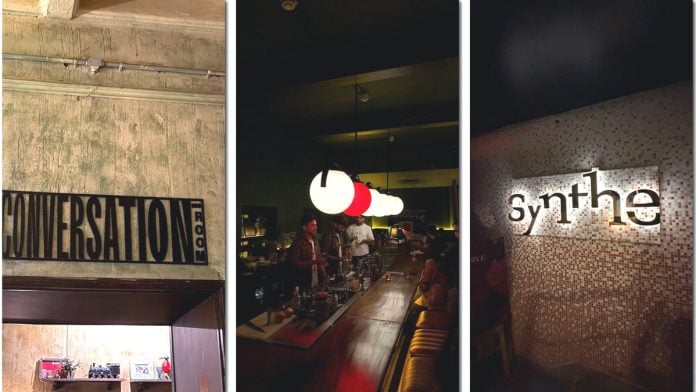
Now, Gen Z and millennials, fed on a steady stream of online trends, are more thirsty for something to brag about. They want colourful Instagrammable sorbets, strange ingredients and some theatre in their tumblers. Over the past three years, about a dozen new upscale cocktail bars have opened across the city, including Little Bit Sober, AMPM, Nutcase Etc., Conversation Room, Yokocho, Synthe and Rannaghor.
The drinking culture in Kolkata has matured. Earlier, we just had a strong dive-bar and nightlife culture. This new bar scene has added to the existing ecosystem of the city. We aren’t replacing, we are co-existing
– Rituparna Banerjee, co-founder of Nutcase
Kolkata’s bars are giving a very homegrown twist to cocktails. They are embracing bolder, spirit-forward drinks and experimenting with the ingredients of Bengali home pantries — gobindobhog rice, curry leaves, khejur gur.
This desi-fication of Kolkata’s cocktail scene is “not nostalgia for nostalgia’s sake,” said Pankaj Balachandran, founding partner of Countertop India, Boilermaker, and Quinta Cantina. “It is also a way for Kolkata to develop a drinking identity that does not simply imitate Delhi, Mumbai or Bengaluru.”
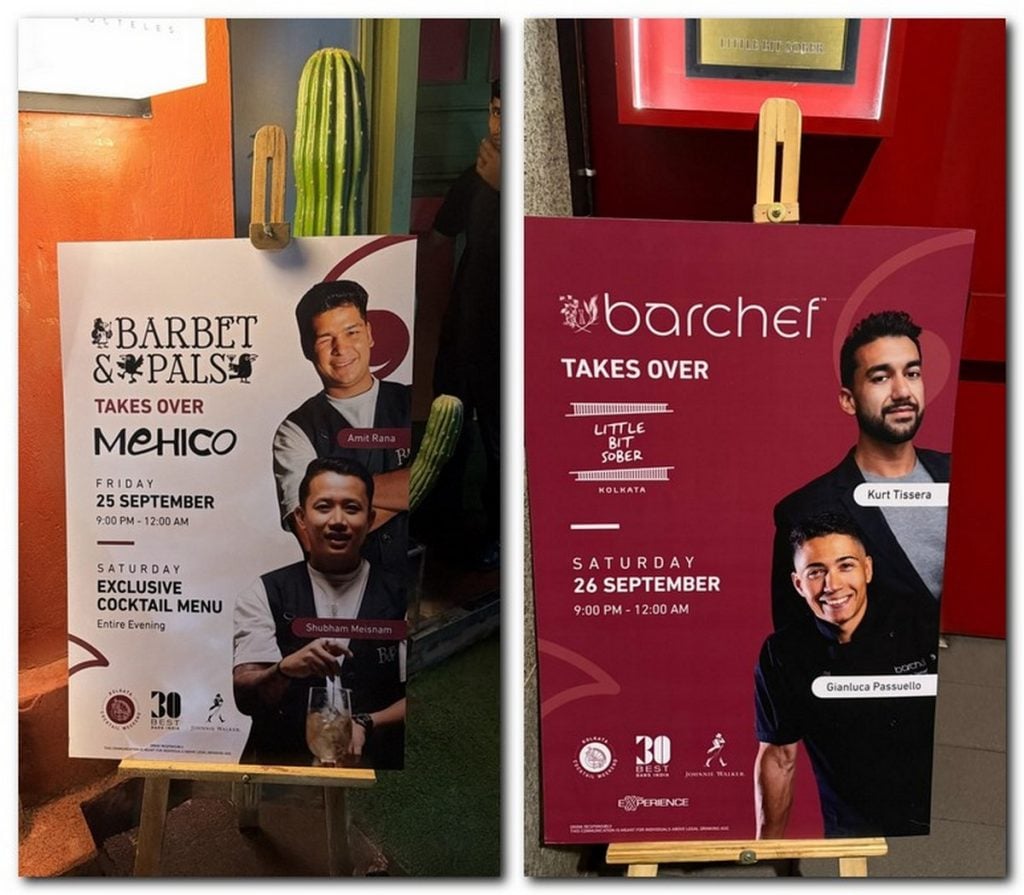
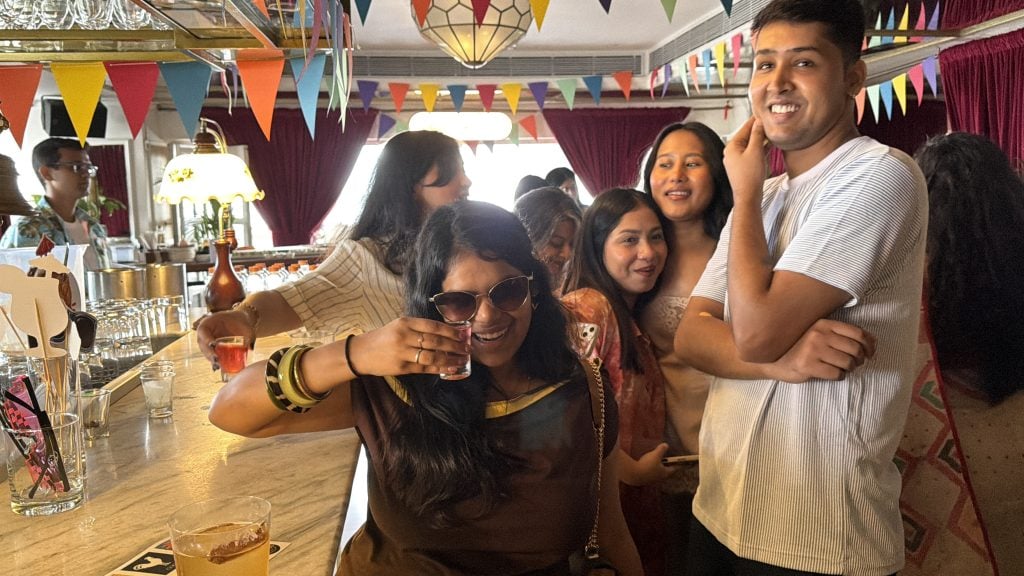
The buzz is attracting visitors from outside Kolkata, a city better known for heritage and street food than nightlife and bars. The three-day Kolkata Cocktail Week, hosted by the bar-ranking platform 30 Best Bars from 25 to 27 September, brought bartenders, consumers and social media influencers from across the country and even Malaysia.
“India has always thrived on taking leaps and jumps. We have never been much on taking small steps. The cocktail boom in Kolkata right now mirrors that approach,” Vikram Achanta, founder of Tulleeho and 30 Best Bars, told ThePrint.
Also Read: India’s sticky problem with molasses. Old Monk that’s ‘not rum’, whisky that’s rum
Dinner in drinks?
It is getting tough to tell the drinks apart from the dinner at some Kolkata bars.
There are now cocktails inspired by dishes such as Tangra chilli chicken, prawn cocktail and Bengali chutneys. Mustard, smoked chillies and fermented ingredients are making their way onto drinks menus.
“Bartenders are not holding back. They can notice customers’ inclination towards savoury cocktails. Some are even bringing flavours of the biryani into a cocktail,” Achanta said.
The overall approach is both Bengali and ‘fusion’.
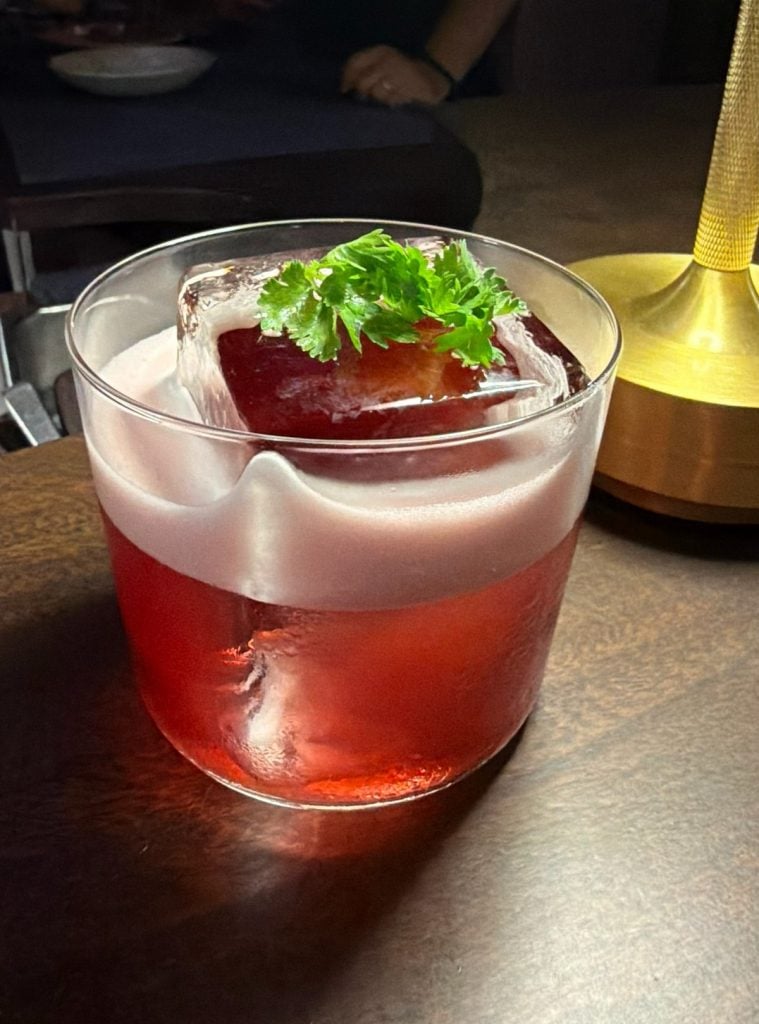
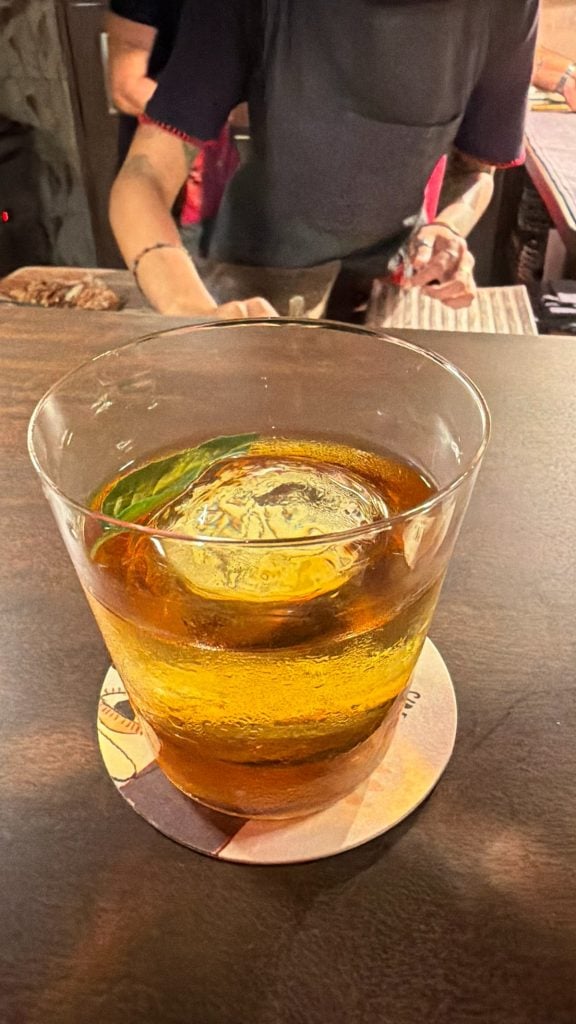
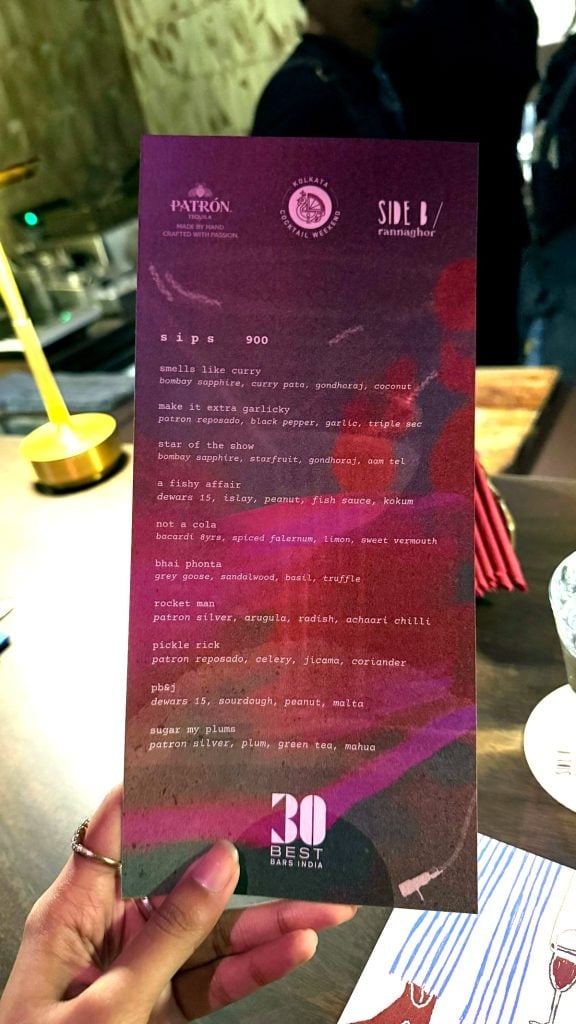
At Rannaghor, ‘A Fishy Affair’ brings together Dewar’s 15, Islay whisky, peanuts, fish sauce and kokum, while ‘Bhai Phonta’ combines Grey Goose, truffle, sandalwood and basil in a glass.
Little Bit Sober’s ‘Middle of Nowhere’ pairs Patrón Reposado with roasted bell pepper sorbet, five-spice and cherry tomato ferment. At Nutcase, the ‘Hot and Cold’ is part cocktail, part sorbet. It combines Johnnie Walker Black with chocolate, chilli and orange, and is meant to be eaten with a spoon.
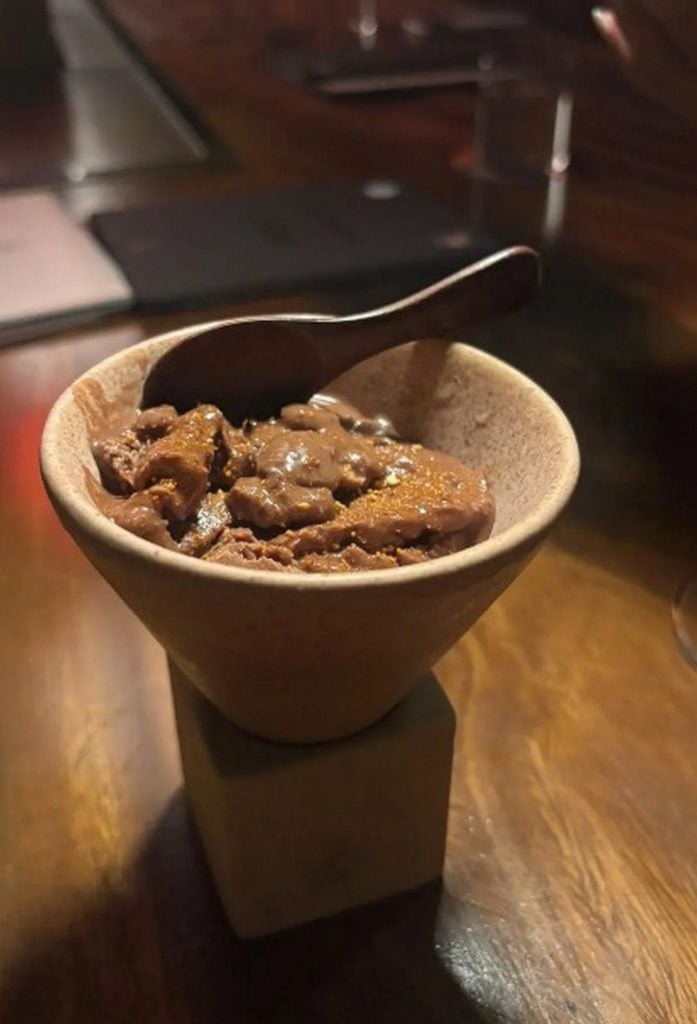
The old cocktail formula was either sweet, sour or some combination thereof. Now, salty, smoky, spicy and umami flavours have joined the mix. Drinks involving miso, sesame, kasundi and clarified tomato no longer seem strange to a Kolkata drinker.
Bartenders are also using increasingly elaborate techniques for their concoctions.
At Nutcase, for example, a cocktail made with smoked-chipotle salsa is clarified to make it transparent without losing its savoury flavour. Then there’s fat-washing, where alcohol is infused with fat (which is removed later) for a richer mouthfeel and taste.
“The city is becoming comfortable with techniques that are largely confined to high-end cocktail bars of other cities, like clarification, milk washing, fat washing, carbonation and house-made cordials,” said Rituparna Banerjee, who co-founded Nutcase with Avinandan Banerjee and Munir Mohanty.
The old bar says: ‘Come, sit, have a drink, let’s talk.’ The new bar says: ‘Come, experience something, and let’s talk about that’
– Ayandrali Dutta, food writer and culinary commentator
Local ingredients also give bartenders more stories to tell, according to restaurateur Tabrez Nadeem, co-founder of the swanky Synthe, which opened about four months ago on Lee Road.
“Incorporating local ingredients makes it easier for bartenders to connect with the local guests or people who are coming from different cities,” he said.
But Synthe’s cocktail menu is not particularly Bengali. The 11 cocktails are arranged along an imagined timeline from 2030 to 2130, with each drink representing a different idea, mood or imagined future. What it does share with other newcomers is a penchant for the piquant.
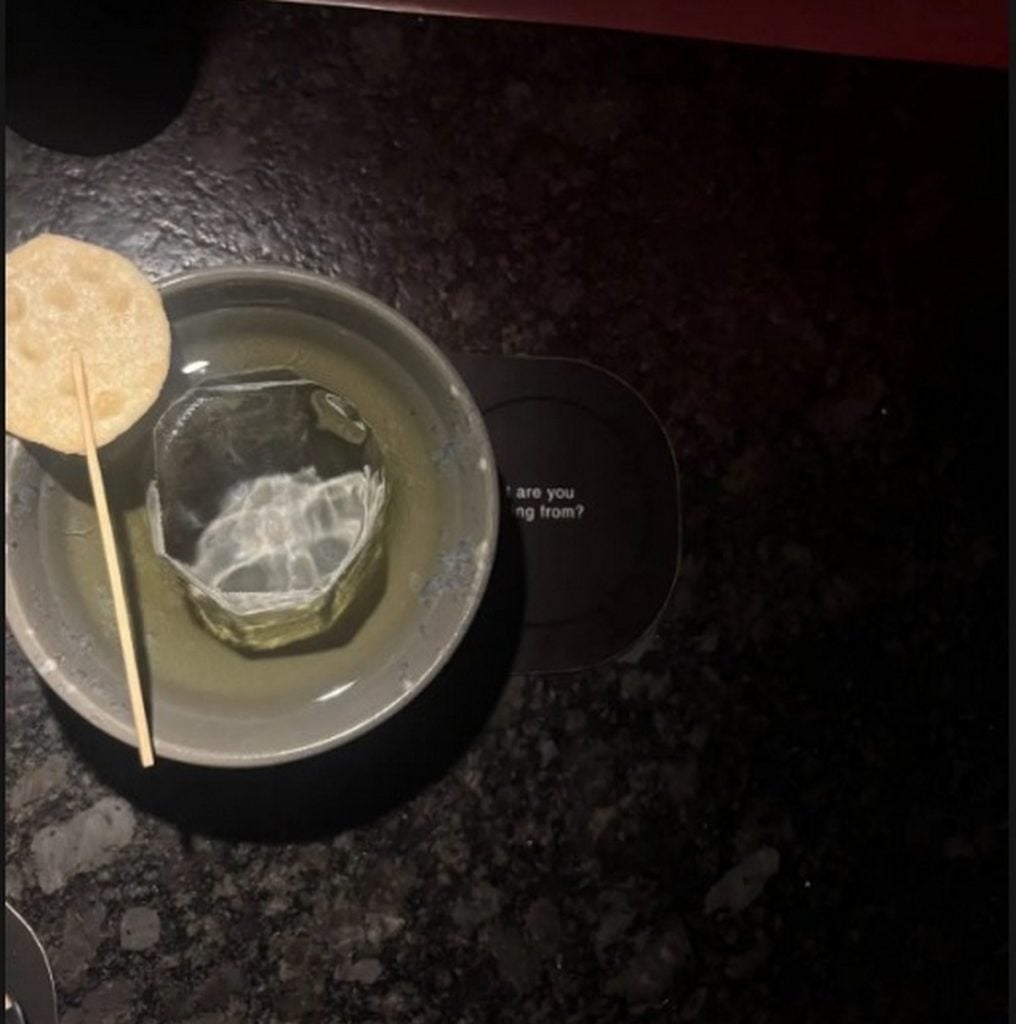
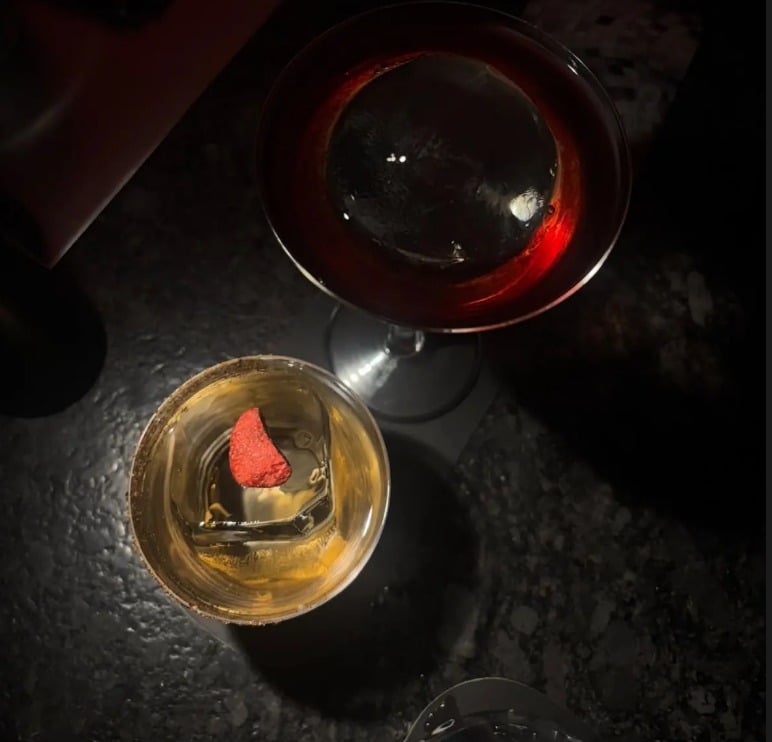
Greens and herbs make one drink almost salad-like, oxidised wine adds savouriness to a tropical tequila cocktail, chamomile softens an Old Fashioned, while wasabi, yuzu and mezcal create a smoky, spicy, citrusy drink.
“We saw a lot of bars doing a lot of local flavours. We at Synthe are not playing with a lot of local but more international flavours. We want to give Kolkata an elevated experience, bolder and more global flavours,” Nadeem added.
Old infrastructure, new language
When Rituparna Banerjee returned to Kolkata in 2023 after nearly two decades in Mumbai, Bengaluru and London, she found herself struggling to find places to socialise and “just chill”. And so she opened a bar, Nutcase, in 2025. It didn’t hurt that she’d been a chef for 14 years.
By then, Kolkata’s new cocktail culture was already taking off. One of the first entrants was Little Bit Sober (LBS), which opened on Chowringhee Road in 2023, when there was hardly any template to follow.
“We were always interested in visiting quiet places with stellar cocktails and food wherever we travelled. So when we started researching the market in Kolkata, we discovered there was a niche market for people with a similar liking, who had no options in Kolkata,” said LBS co-founder Moumita Mukherjee, who had almost lost her voice after screaming over crowds during the packed long weekend.
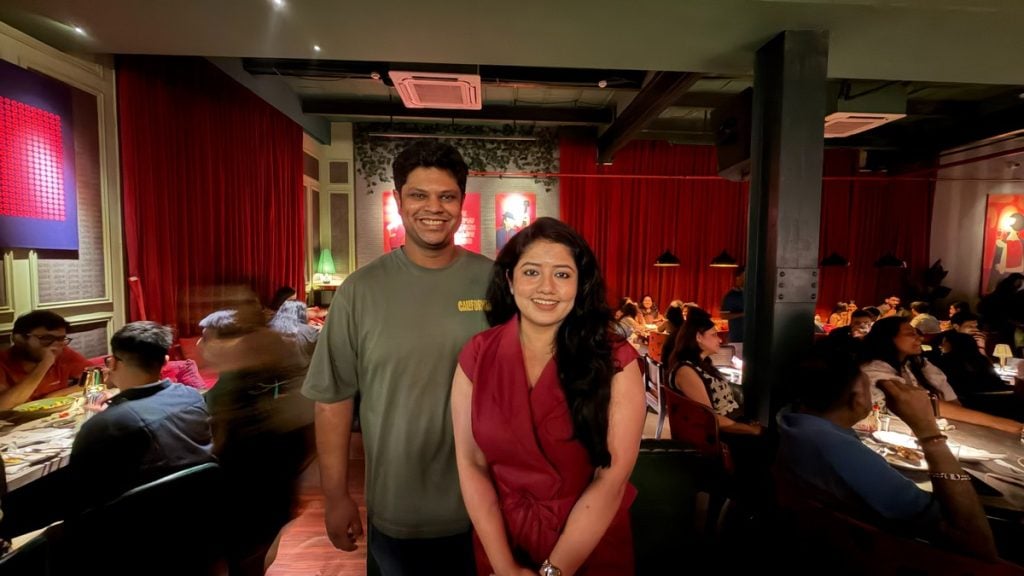
Little Bit Sober’s arrival was a turning point in Kolkata’s cocktail scene, according to Achanta.
“Ten years ago, when The Grid opened in Kolkata it was the first serious place from a cocktail perspective. Then it took a long time for the next jump to happen… until Little Bit Sober opened in 2023. I think the entrepreneurs were also waiting for the ‘right time’, when the customer is ready to accept them,” he said.
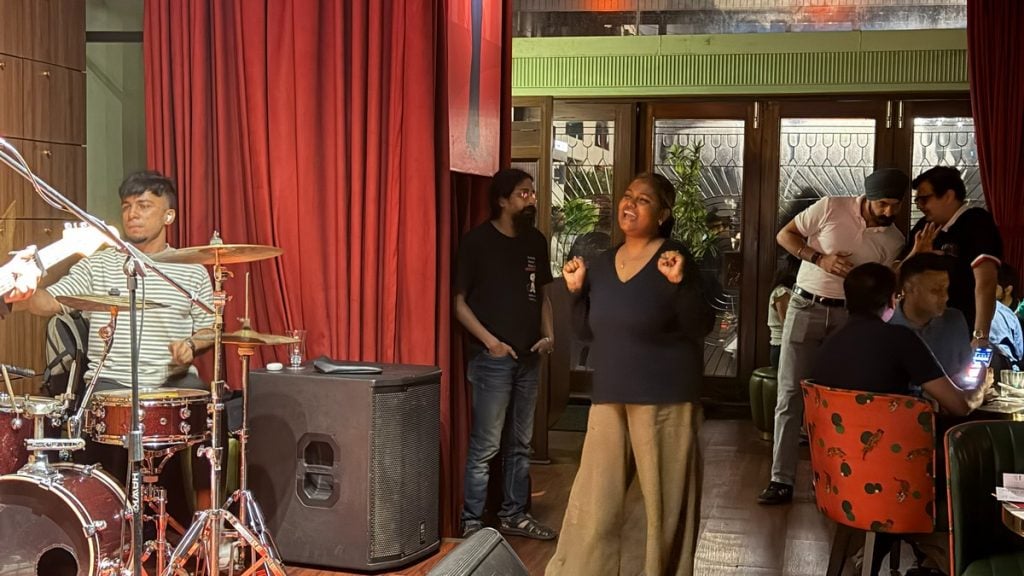
Today, the old watering holes and newcomers in Kolkata’s drinking scene are less rivals than two different corners of the market, depending on taste and budget for the day.
“The drinking culture in Kolkata has matured. Earlier, we just had a strong dive-bar and nightlife culture. This new bar scene has added to the existing ecosystem of the city. We aren’t replacing, we are co-existing,” said Banerjee, tucking her grey bob behind her ears.
Many of these new bars have not responded to Kolkata’s past by rejecting it. Instead, they have borrowed from it. In some cases, by moving into old buildings and allowing the architecture to become part of the experience. The cutting-edge cocktail menu of Nutcase on Manoharpukur Road is set against old-world khorkhori windows and Art Deco details. On Chowringhee Road, Conversation Room also occupies a colonial building with high ceilings and a weathered aesthetic.
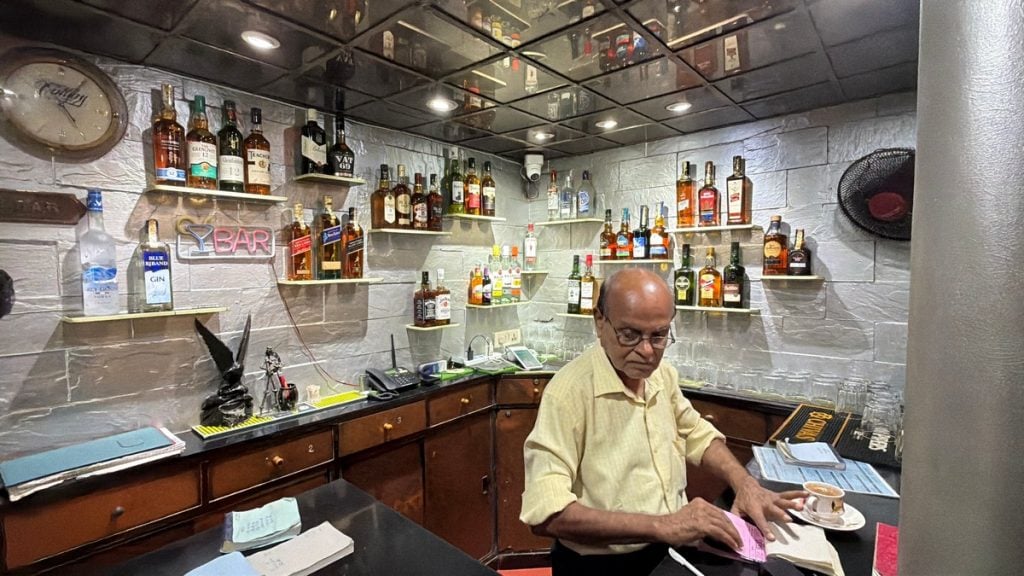
The old and new bars also offer quite different vibes. Some of it comes down to size. Olypub and Trincas can each accommodate around 200 people, while newcomers such as Synthe have just 32 seats. Rannaghor has only eight seats. But not all are going small. Little Bit Sober has 56 covers, with an electric-blue bar framed by burgundy velvet curtains, while AMPM can seat 158.
For food writer and culinary commentator Ayandrali Dutta, the difference is in what people now expect from a night out. A drink and loud music are no longer enough for everyone. The newer bars are selling an experience, with design, food and storytelling all part of the package.
“The old bar says: ‘Come, sit, have a drink, let’s talk.’ The new bar says: ‘Come, experience something, and let’s talk about that’,” she said.
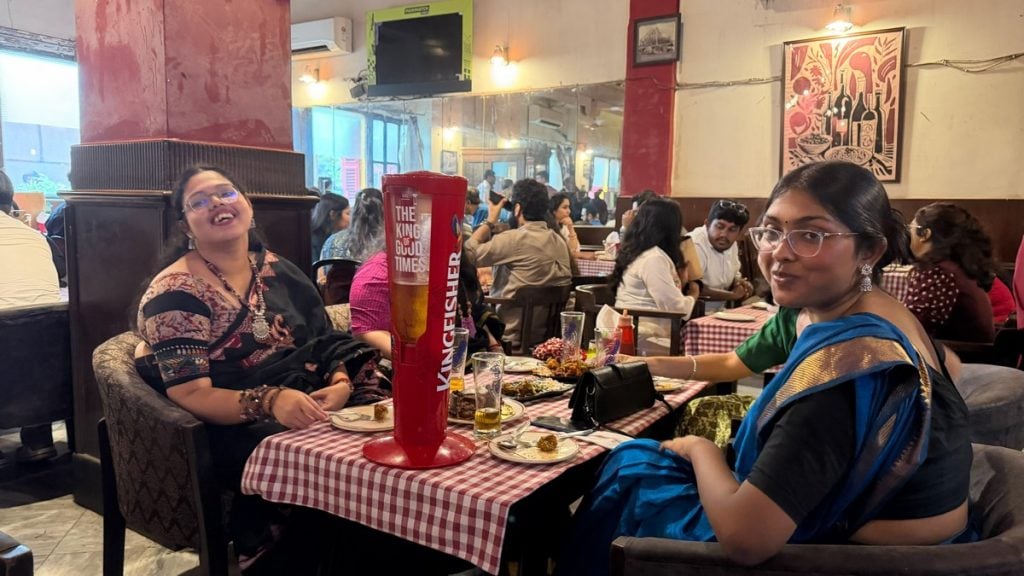
The old guard is getting in on the new cocktail culture, too. During the three-day Kolkata Cocktail Week, at least five or six bar takeovers took place simultaneously. On 27 September, the 89-year-old Broadway Hotel hosted its first-ever takeover, featuring MOFO, a speakeasy tavern from South Goa.
“We haven’t done this takeover to compete with the new bars. We just felt the customers were ready to experience something different at Broadway. Also, there is no competition. Together, we can push Kolkata’s F&B to the next level,” said Raghav Sehgal, the third-generation owner.
Since late 2022, the city has increasingly hosted visiting bartenders and mixologists, with bar takeovers becoming a trend especially in the last two years.
“It is good exposure for the bartenders here but it also educates the consumer. Their palate also keeps evolving and is more receptive to change,” Achanta said.
Kolkata’s cocktail-savvy crowd impressed Malaysian bartender Kelvin Wong of Penang’s Good Friends Club when he hosted a bar takeover at JW Marriott’s 2:Fifty9 The Bar. His banana crème brûlée cocktail was a big hit.
“We brought a slice of Malaysia to Kolkata… and I must say, people here drink. They wanted to know which base spirit had been used. The Malaysian ingredients we have used. Any special process like fatwashing. It was a curious bunch,” he said.
Also Read: Delhi’s new speakeasy culture. Hidden bars, secret doors, passcodes & artsy cocktails
An expensive affair
A crafted cocktail at many of Kolkata’s newer bars typically costs Rs 600-Rs 1,000, with premium spirits and elaborate preparations pushing prices higher. But there appears to be a ceiling to what the city is willing to spend.
“Kolkata’s F&B is cool. You will get food here for Rs 50 and for Rs 5,000. And contrary to popular belief, most Bengalis are eating and drinking out. But the city is very price-sensitive. You cannot compare it with Delhi, where APC (average per cover) is high,” said Nadeem.
At Yokocho, the average bill for two, including drinks, is Rs 3,000-Rs 3,500. But chef-partner Auroni Mookerjee says people in Kolkata are more circumspect about spending.
“Delhi has showsha baazi. They are head to toe drenched in labels, and they spend a lot. In Kolkata, people spend but are very wise about it,” he added.
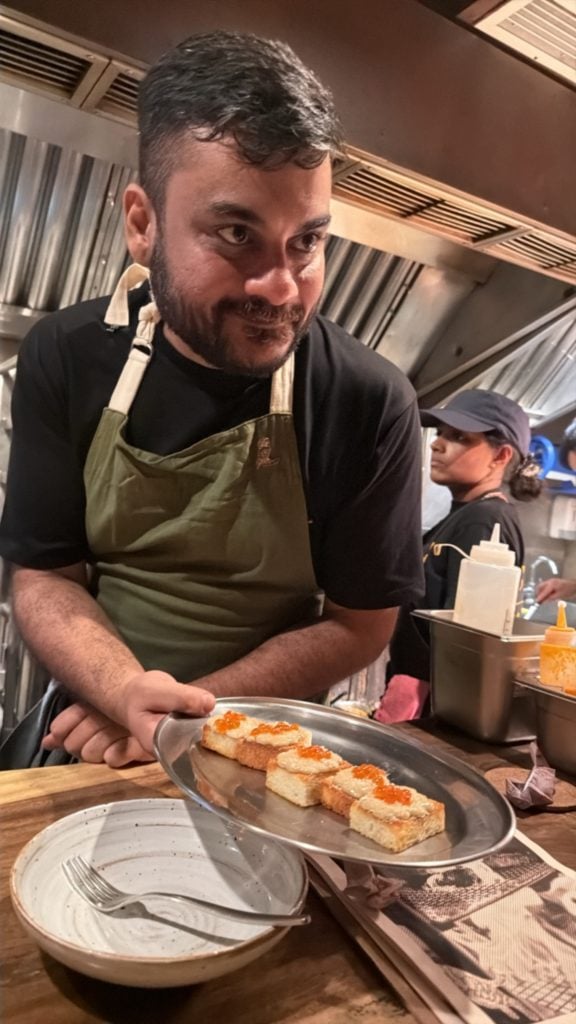
If there’s enough value for money, Kolkata drinkers will loosen their purse strings. Banerjee says they can be persuaded to pay as much as “Rs 1,800” for a cocktail.
This new Kolkata cocktail connoisseur is particular about what goes into the glass.
At Banerjee’s bar, the spirits are deliberately premium. Customers ordering gin- or vodka-based cocktails want to choose the brand themselves. They have opinions on vermouth, amaro and bitters.
For millennial drinker Aritra Sen, Olypub on Park Street and Plush (now Phoenix) at the Astor Hotel are still the first picks for a night out with friends. But he also enjoys the fancier bars on occasion.
“I am an epicurean and I like drinking, experimenting and I like well-curated journeys—think Japanese trail at Whisky Samba,” said Sen.
With new bars popping up, Kolkata’s nightlife is no longer limited to Park Street, where almost the entire city would converge for a night out. Brishti, a 32-year-old dentist, said going out on dates 10 years ago was a little terrifying.
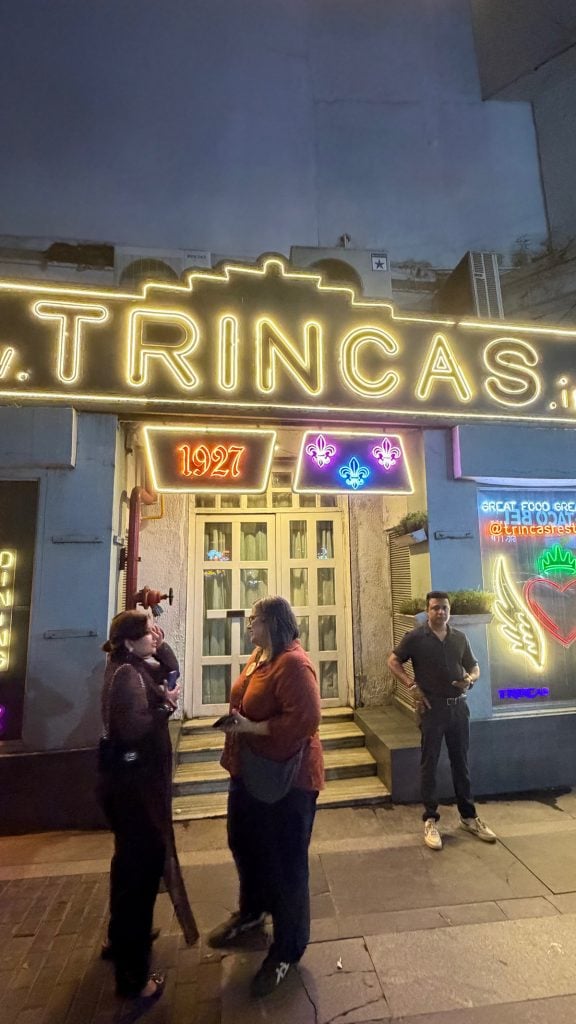
“You were likely to run into family, friends, or even an ex. Because, going out to drink or a fancy meal meant going to Park Street at places like Trincas, Someplace Else and Mocambo,” she said.
Residential lanes and old neighbourhoods are the new spots to go out on dates now.
“These smaller spaces are giving Kolkata a more intimate way to drink and well an easier way to date without running into people,” added Brishti.
Yet Park Street’s old establishments have a pull that the newcomers cannot easily replicate. According to Dutta, Kolkata’s relationship with bars has traditionally been less about “nightlife” in the Mumbai or Delhi sense and more about adda, familiarity, music and belonging. Her first drink in Kolkata was at Trincas, sometime around 2000.
“I still remember how unpretentious the place felt, the simple interiors, the familiar hum of conversations, the music, and that unmistakable Park Street charm. There was nothing flashy about it, and perhaps that was precisely its magic. It felt easy, welcoming and wonderfully Kolkata,” she said.
Ghosh, nursing his ‘Bond Walked into Yokocho’, rejected the idea that the new bars were edging out the old.
“Kolkata would never divorce a Trincas or The Broadway,” he said. “We are not moving from one lover to another. It’s called double-dating.”
(Edited by Asavari Singh)