






Panaji: India’s liquor industry has always had a sticky underbelly. Cheap sugarcane molasses distilled into a flavourless liquid and then spiked with artificial flavourings and colour to pass for fine whisky and aged rum. Foreign markets cottoned on long ago, and Indian brands took a beating. Now, a reckoning has arrived in India too.
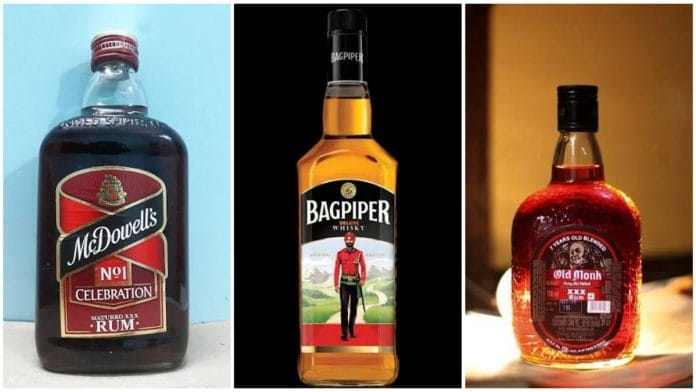
Earlier this month, the Food Safety and Standards Authority of India (FSSAI) banned a whole bar-full of popular rum and whisky labels after lab tests found they were using neutral alcohol and added flavour to mimic the real deal. On the list were three variants of Old Monk — The Legend, Gold Reserve and XXX Matured Rum — along with McDowell’s No 1 Rum, Bagpiper Deluxe Whisky, Old Cask Deluxe Rum and Royal Challenge Whisky.
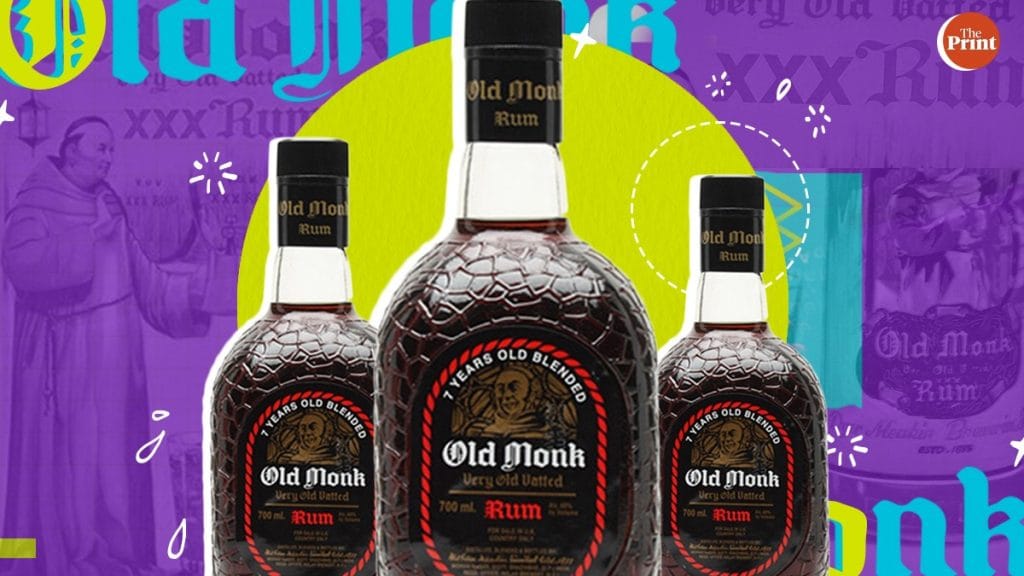
The ban has opened up a much bigger question for India’s spirits industry: what goes into the bottle? Peel back the label on the majority of what India drinks, and the starting point hiding underneath most is sugarcane molasses, fermented and distilled into a nearly flavourless, colourless, high-proof liquid called Extra Neutral Alcohol, or ENA. Experts say anything with this base cannot be called a whisky. In the case of rum, molasses is a legitimate base, but the promises of ageing on the label don’t always reflect reality; often, it is ENA with added flavour and only a small amount of barrel-aged rum. Old Monk’s “7 years old blended” rum, for instance, contained less than 5 per cent matured rum spirit, according to the FSSAI’s statement.
People don’t trust Indian brands, and you cannot blame them. If molasses is used in a blended whisky, it is rum. You cannot call it whisky. Molasses have no role in a bottle of whisky
– Rakshay Dhariwal, founder of agave spirit brand Pistola
While some consumers are circulating conspiracy theories about sugar-lobby politics, including reels about how Union Minister Nitin Gadkari’s family runs Manas Agro, the company behind the emerging Kaptaan Rum, others label the FSSAI’s actions as “long overdue” in increasing transparency and quality control in Indian-made foreign liquor (IMFL).
“People don’t trust Indian brands, and you cannot blame them. If molasses is used in a blended whisky, it is rum. You cannot call it whisky. Molasses have no role in a bottle of whisky,” said Rakshay Dhariwal, founder of Pistola, an agave spirit brand. According to trade estimates, more than 90 per cent of what is sold as whisky in India would not legally qualify as whisky in the US or Europe—not because it’s fake, exactly, but because it skips what the rest of the world considers non-negotiable: actual grain, actually aged.
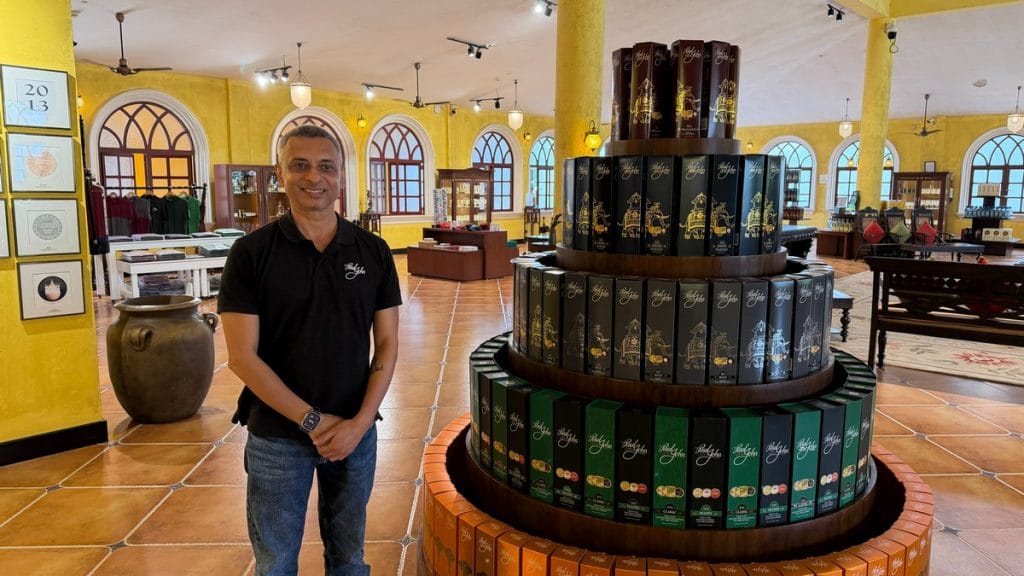
Now, however, a growing crop of homegrown brands is crafting spirits to international standards and even winning global awards. At John Distilleries in Goa, 100 per cent Indian malted barley goes into its whisky, while newer rums such as Camikara are distilled from fresh sugarcane juice. The Indian market is slowly seeing premiumisation too. While rum and coke is as ubiquitous as it was two decades ago, with most drinkers not too bothered about what’s in the glass, premium spirits were up about 9 per cent by volume and 12 per cent by value in 2025 over the year before, according to IWSR data.
“The evolution has happened on both sides of the bar: producers are making more characterful, ingredient-led spirits, and consumers are learning to appreciate what is inside the bottle, not just the name printed on it. But this isn’t the majority of consumers, just a small section,” said Anirudh Singhal, founder of bar design company SpeedX.
Also Read: Indian whisky takes over the domestic market. It’s giving global names stiff competition
Ups and downs of molasses
On the crushing floor of the Seksaria Sugar Factory in Biswan, Uttar Pradesh, are the beginnings of what could become a bottle of rum, or even Indian whisky.
As sugarcane juice is boiled down and sugar crystals form, it leaves behind an almost black, viscous liquid that clings to almost everything it touches. It smells intensely sweet, slightly burnt and earthy. This is molasses.
“From a quintal of sugarcane, we roughly get 4-5 kg of molasses,” said factory representative Somenath Mukerjee. “This by-product is equally precious if not more than the crystallised sugar.”
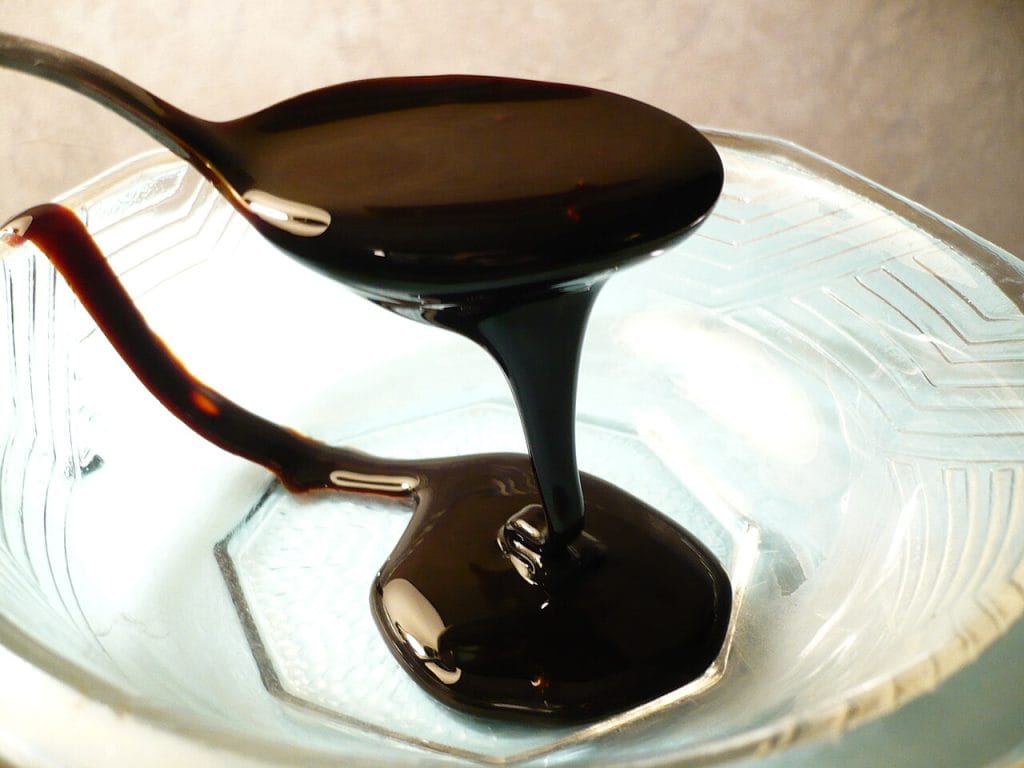
This ‘waste’ still contains roughly 40-50 per cent fermentable sugar — and India’s liquor industry has ample use for it as a raw material. This is why sugar mills and distilleries have long operated side by side in the country’s sugar-growing regions, or, in many cases, as two parts of the same business. By the mid-2000s, India had around 300 distilleries, many clustered in sugarcane country and cheek-by-jowl with sugar mills.
Molasses found their way into virtually every dark spirit.
“Technology wasn’t great back in time so there were limitations to process certain ingredients. Grain distillation was rarely heard of. There were no grain distilleries. Molasses was the best option,” said Michael D’Souza, master distiller at Paul John, an award-winning Indian single-malt whisky brand based in Goa that uses only grain.
From a quintal of sugarcane, we roughly get 4-5 kg of molasses. This by-product is equally precious if not more than the crystallised sugar
– Somenath Mukerjee, representative of Seksaria Sugar Factory
The process is fairly uncomplicated, according to him. Molasses is first diluted and fermented with yeast, which converts its sugars into alcohol. The fermented wash is then distilled into rectified spirit. This can be further purified through redistillation to make Extra Neutral Alcohol (ENA).
This versatile spirit formed the cheap base of India’s mass-market liquor business for decades. In the 2000s, some of the country’s biggest whisky brands, including McDowell’s No.1, Royal Challenge, Officer’s Choice and Bagpiper, were associated with the mass-market blended-whisky segment.
But over the years, this cosy sugarcane-liquor equation has become ever more tangled in regulation. Uttar Pradesh amended its molasses-control rules again in 2026, while Maharashtra issued fresh molasses rules and a new dual-feed policy for ethanol in 2025.
“We cannot use, sell or even throw molasses without the permission of the UP Excise department. We have a 10-page Molasses policy to abide by,” Mukerjee said.
The Uttar Pradesh Excise Policy 2026-27 regulates how molasses is allocated to licensed distilleries, stored and processed. It also stipulates that molasses-based alcohol can only be used for country liquor and rum, while grain-based alcohol must be used for all other Indian-made foreign liquor.
“That distinction is important because, for much of the history of India’s mass-market spirits industry, molasses was central to the production of neutral spirit used in IMFL,” said Rakshay Dhariwal, founder of Pistola, an agave spirit brand.
The formula was economical and easy to scale, but it left Indian brands with a credibility problem when they tried to move upmarket.
‘Where whisky can be rum’
Indian whisky never quite found the same respect abroad as Scotch, American or Irish whisky. In many foreign markets, whisky made from it was considered ‘rum’ in a poor disguise.
In 2002, the European Union told India it could sell its molasses-based whisky in Europe — but as rum, not whisky. A year later, the EU rejected India’s demand for greater market access for its whisky, saying molasses-derived alcohol did not qualify. The Wall Street Journal captured this in a telling 2006 headline: “Where ‘Whisky’ Can Be Rum.”
“Royal Challenge, like most Indian “whisky,” is actually a rum flavored to pass as whisky,” it said. Old Monk, launched in the 1960s and seen as a nostalgic classic, has had a better run of it and is sold in several countries abroad.
However, back home, IMFL has its own image problem, looked down upon as cheap, mass-market liquor to be knocked back and desirable mostly for its affordability. The cheapest Indian whiskies, blended with neutral grain spirits or a molasses base, like Bagpiper, McDowell’s No.1 and Royal Stag typically cost between Rs 210 and Rs 600 for smaller or standard sizes depending on local state excise duties.
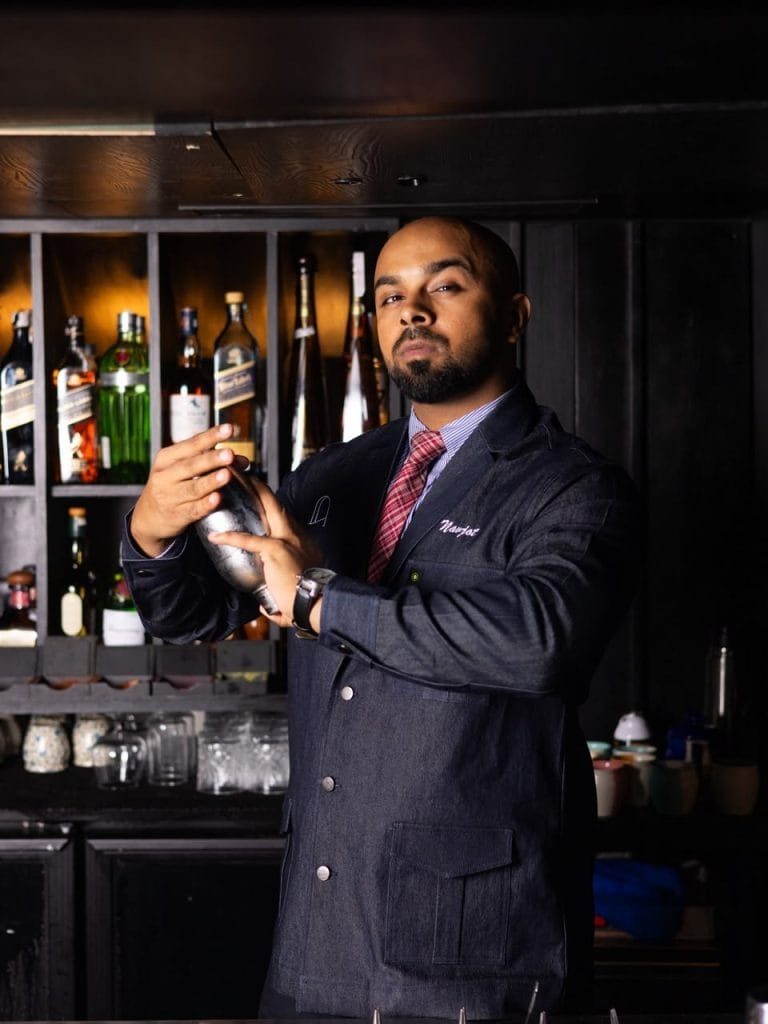
“Anything derived from molasses cannot be called whisky in the first place,” said Navjot Singh, head mixologist at Delhi-based Lair. He pointed out, however, that lighter spirits such as gin and vodka often use grain-based neutral spirit rather than a sugarcane byproduct base.
At the lowest end of the market, there is even less clarity about what the ingredients are.
“Alcohol like Santara don’t have clarity in its origin. We don’t know whether it’s derived from grain or molasses. The cheaper the alcohol, the less clear its origin. There is no transparency in the lower category,” said Singh.
But in recent years, a new breed of Indian whisky makers has emerged. They are experimenting with grain, malted barley, copper pot stills and longer ageing— all the trappings of quality. Brands such as Paul John, Amrut, Rampur and Indri have demonstrated that India can produce grain-based, internationally competitive whiskies.
Going with the grain in Goa
Inside John Distilleries in Cuncolim, Goa, the single-malt whisky starts with six-row Indian barley, water and yeast — no molasses in sight.
“The production follows the traditional single-malt process: the malted barley is milled, mashed with water and fermented before being double-distilled in copper pot stills,” said Jagannath Poke, assistant manager at the visitor centre of John Distilleries.
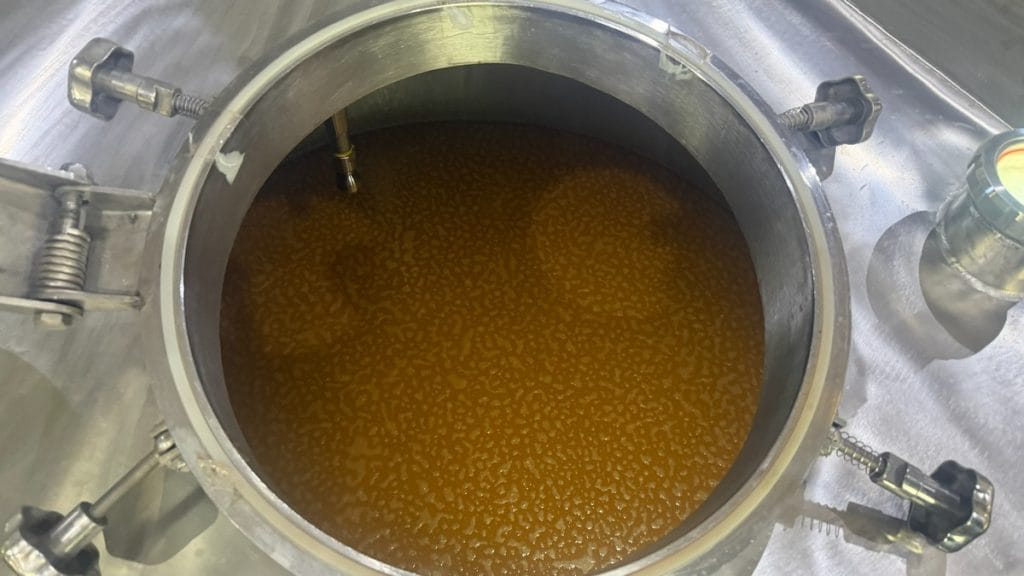
At the stainless-steel fermentation tanks, the air smells of baking bread, sour porridge and something fruity. Leaning over the tank brings a sharp hit of carbon dioxide.
“The fermentation is deliberately allowed to run for an extended period. While it can be completed in around 42 hours, it is typically allowed to continue for 72-90 hours to allow the yeast to contribute additional flavour,” Poke said.
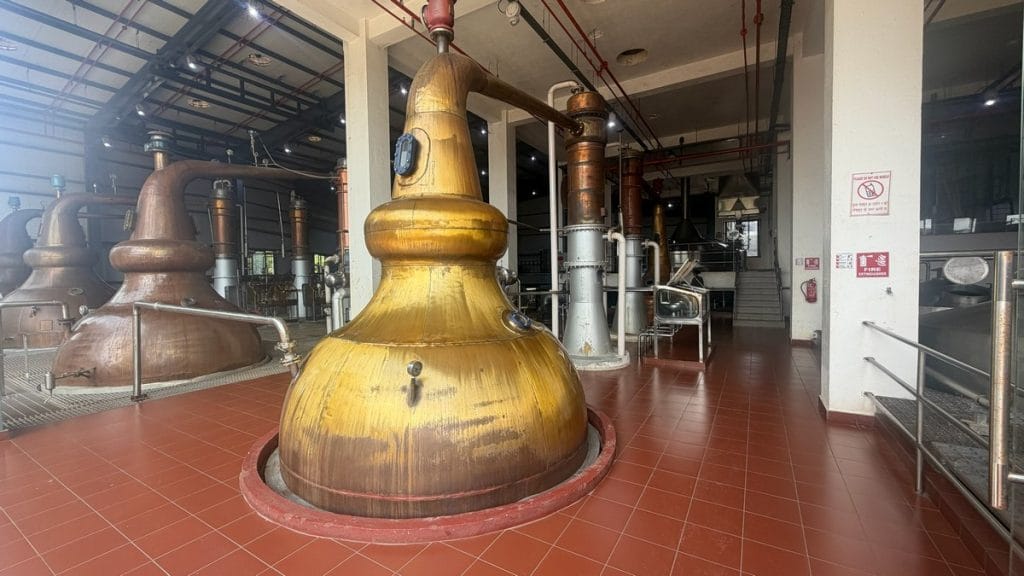
Further along, four towering copper pot stills dominate the room, their long necks rising above a network of pipes and steel platforms. The copper catches the light against the otherwise utilitarian surroundings. This is where the wash is transformed, through double distillation, into the clear, high-strength spirit that will eventually go into oak.
The new-make spirit is then filled into charred American oak and selected sherry casks for maturation. This is where Goa becomes particularly important to the character of the whisky. Unlike Scotland’s relatively cool climate, Goa is hot and humid throughout much of the year, creating much greater interaction between the spirit, wood and atmosphere.
Paul John has been one of the Indian single malts helping change perceptions of Indian whisky abroad. Its Peated Select Cask was named International Whisky of the Year at the 2018 Meininger’s International Spirits Awards in Germany, where it also won Grand Gold.
The same year, Paul John’s Kanya was named Asian Whisky of the Year by Jim Murray’s Whisky Bible.
Most recently, Paul John Port Select Cask was named Best Indian Single Malt at the 2026 World Whiskies Awards, also picking up Gold and a Category Winner title.
In 2023, Whisky Advocate noted that of more than 60 Indian releases it had tasted, 10 scored 94 points and “the vast majority” scored 90 or above—a rating it categorises as ‘outstanding’.
“India has the quality to become a player in the single malt scene,” it said.
Also Read: Make beer cool again. How craft breweries are changing India’s drinking game
Is Old Monk even a rum?
If molasses was Indian whisky’s problem, rum should have been its redemption. That did not quite pan out either.
Rum and molasses is the oldest love story in the spirits world, one that predates the modern Indian liquor industry by centuries. During the colonial period, sugarcane processing expanded rapidly across eastern India, particularly in Bengal and Bihar, and the molasses left behind became the raw material for what came to be known as Bengal rum. Historical accounts describe Bengal rum making its way as far as Australia, where it became a much-savoured drink during the early colonial era.
But the marriage of sugarcane and spirit is not always the same. The beginning always entails molasses being fermented and distilled, but what happens next, including ageing and maturation in wooden casks, changes its character and quality. But the dark colour of a rum is not necessarily a yardstick of age or superior production.
“Molasses has no role to play in the colour of alcohol. During distillation, the colour is stripped away,” said Vikram Achanta, co-founder and CEO of Tulleeho, a drinks training and consulting firm. The deep brown hue of many dark rums can instead come from caramel colouring, particularly when the spirit has not spent enough time in oak to acquire much colour naturally.
They take a neutral spirit and add colour to it along with maybe a few drops of 12-year-old Old Monk, voila, there you have your 12-year-old Old Monk
– Navjot Singh, head mixologist at Delhi’s Lair
Under India’s food-safety regulations, adding spirit caramel for colour is permitted, and in fact, even Scotch whisky allows it, according to Achanta. The violation is when producers misrepresent the nature of the spirit. Meanwhile, India’s newer premium rum makers are turning to fresh sugarcane juice instead of molasses, such as Piccadily Distilleries’ Camikara range and Eekh by Madhushala Beverages.
For mixologist Singh, Old Monk doesn’t make his cut of Indian rums.
“It’s an emotion for many, I understand, but it’s not really rum. There is so much flavouring added. They take a neutral spirit and add colour to it along with maybe a few drops of 12-year-old Old Monk, voila, there you have your 12-year-old Old Monk,” he said.
(Edited by Asavari Singh)