





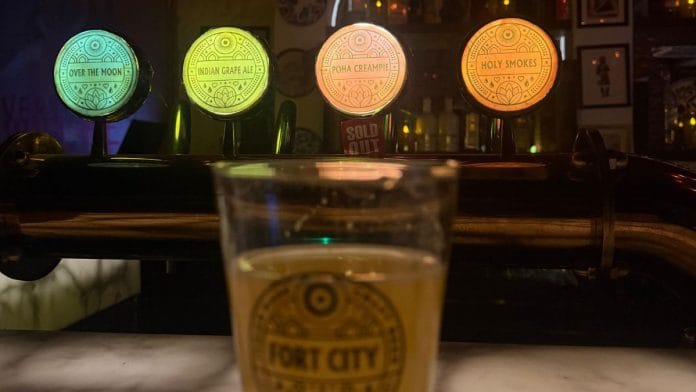

New Delhi: Nishtha never expected a ‘One Night Stand’ to change her relationship with beer. Yet on a recent evening at Fort City brewery in Delhi’s Hauz Khas Village, the HR professional found herself three pints down, happily nursing a dark, frothy brew called ‘One Night Stand’ — a craft beer that borrows the flavours of an espresso martini. She wasn’t much of a beer drinker until recently. Now she regularly drags her husband across the city to try whatever strange concoction a microbrewery has dreamed up next.
“You can’t drink cocktails every day, especially in this sweltering heat when all you really want is something chilled and refreshing,” Nishtha said.
For India’s craft beer pioneers, that is precisely the point. They are no longer just selling beer. They are selling beer to people who once swore they hated it. Coffee-infused stouts, orange popsicle ales, kokum sours, gondhoraj lime lagers, mahua beers, pickle juice brews — India’s beer (and non-beer) drinkers are giving everything a shot.
Beer culture began as a niche urban trend driven by novelty labels like Kingfisher and Budweiser. But over the last decade, a few hop-headed men, many of them former lawyers, marketers and finance professionals who abandoned high-paying careers to pursue brewing, transformed beer from a predictable choice between “strong” and “mild” into one of India’s most experimental drinks categories. Today, beer is no longer just the watered-down lager associated with college parties and cricket screenings.
Now, this growing tribe of shorts-wearing, independent brewers have attracted younger consumers, women and urban professionals who increasingly view commercial lagers as boring relics of an earlier drinking culture, dismissing mainstream beers as “bland piss”. Craft beer is cooler, more flavour-forward and far more approachable.
Yet even as craft beer pushes into new territory, brewers say high taxes, expensive licences and restrictive regulations continue to hold the industry back.
But for the drinkers, it is a far more economical option than cocktails and expensive spirits.
“If my husband and I go to a good cocktail bar and have just two drinks each, the bill can easily touch Rs 4,000 and you’re barely even buzzed,” she said with a laugh. “With beer, we can sit over a few pints, spend much less, and actually enjoy the experience without feeling like we overspent.”
While craft beer has existed in pockets of cities like Pune and Mumbai for years, the last seven years have seen an explosion of independent breweries and homegrown beer labels across metros. But northern India seems to be failing in catching up with the trend.
“There’s been some growth, some maturation, but it’s been very slow, and for the most part, in Delhi-NCR especially, things seem quite stagnant, with most breweries and most drinkers clinging to the same old pale lagers and wheat beers,” said Gareth D Mello, widely regarded as a “beer expert” by the industry.
Mello, a beer aficionado, describes north India as very bland in terms of beer.
“Gurgaon is still mostly a wasteland. So many breweries, but very few of them are worth visiting. And Delhi after all these years still has only 4 or 5 microbreweries,” he added.
Poha, neem bark, gondhoraj lime, kokum & more
If craft beer had a poster child in early-2010s India, it was mango beer. It balanced the bitterness of traditional beer with the familiar, sweet profile of India’s favourite fruit, making it a hit among those who might find standard lagers too harsh.
It was a raging success among women too and soon got the tag of the ‘cool girl’ beer. The appeal was immediate. For many young urban consumers, mango beer became an entry point into beer culture itself.
Soon, some of India’s earliest craft beer pioneers quickly recognised the appeal of local flavours.
Bengaluru’s iconic microbrewery, The Biere Club, which played a major role in kickstarting India’s craft beer culture in 2010, became one of the first to introduce a seasonal Alphonso mango beer. Around the same time, Toit’s wildly popular ‘Aam Aadmi Ale’ developed something of a cult following, with demand reportedly becoming so high that the brewery had to double production batches.
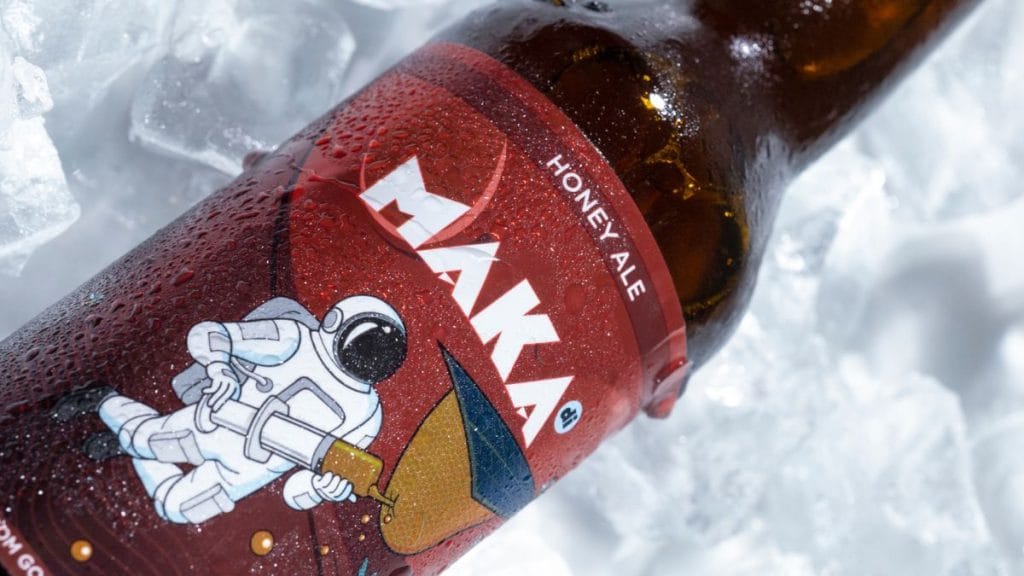
Even today, mango beer remains a staple in breweries across the country — from Delhi’s Ministry of Beers, Beeyoung Brewgarden and Brewtally Honest to Pune’s Great State Aleworks, Goa’s Maka di and Bengaluru’s Mannheim Craft Brewery.
But mango beer merely opened the door. Brewers have since kicked it wide open.
Seven years after opening its doors in Bengaluru, Biergarten has emerged as one of the country’s most experimental and adventurous microbreweries. From ragi, jowar, bajra and rice to lemongrass, neem bark and parijatha flower, the brewery has built a reputation for beers that feel both hyperlocal and unexpected.
Its latest success came with the launch of a mahua beer in April which sold nearly 500 litres within weeks. Another standout is its Johar Koji beer, crafted with nearly 70 per cent jowar and fermented using traditional koji techniques.
In Pune, Nakul Bhonsle’s Great State Aleworks has experimented with something as popular as kokum, coffee and mangoes to something as unique as gondhoraj lime and rhubarb from Ooty, ginger from the Northeast in their brews and even Kerala’s mangosteen.
The curiosity among customers is allowing the brewers to experiment.
Founded in 2021, Hauz Khas Village’s Fort City Brewery has steadily earned cult status among Delhi’s beer enthusiasts for its quirky beer drops, collaborations, cultural programming and quiz nights. But what truly draws customers to turn up braving Noida-Gurgaon traffic, is the brewery’s fearless approach to ingredients — from poha and kokum to even Parle-G biscuits. Its current bestseller is an orange popsicle beer that regularly sells out during evening rush hours.
A healthy disregard for convention and a willingness to flirt with failure are often the secret ingredients behind many of the brewery’s creations.
“This growing curiosity among youngsters about craft beer allows us to experiment with unique flavours, and well-travelled millennials are already aware of the craft beer concept,” said Ashish Ranjan, owner of Fort City Brewery.
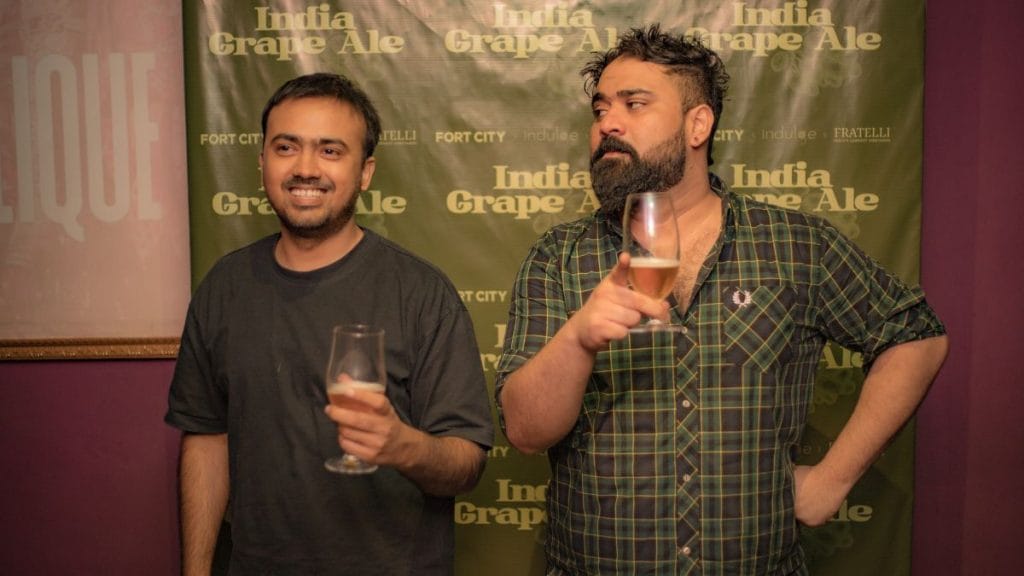
Ranjan co-founded the brewery with his friend and former lawyer Gautam Gandhi. The pair can be found at the brewery almost every day, usually in their signature shorts and with a beer in hand, united by a simple mission: “to serve good beer.”
At Fort City, most beers begin with a question: “What if?” What if a beer could taste like pani puri? What if a familiar style could be pushed just a little further?
Globally, many sour and wild ales are produced using Brettanomyces, mixed fermentation and/or long barrel-ageing programmes that can occupy brewery space for months. In a microbrewery setup, however, introducing Brettanomyces into the production environment can create cross-contamination concerns for other beer styles being brewed on the same system.
Instead, the brewery uses a technique called kettle souring, which allows it to carefully control acidity while keeping the rest of its beers safe from microbial chaos. The result is a line-up of sour beers that are bright, playful, and packed with personality. Its much-talked-about Pani Puri Sour, for instance, balances tartness with expressive fruit notes and layers of flavour that capture the spirit of sour ales without overwhelming drinkers.
On most evenings, the brewery fills up with young couples on dates, office-goers unwinding after work and groups celebrating birthdays or reunions.
“In 2016, I went to the UK and that’s when I tried craft beer for the first time,” recalled Naman Tripathi, a 39-year-old resident of south Delhi’s Greater Kailash 1. “It was a pickle juice beer, and I was pleasantly surprised by the flavours. India, for the longest time, struggled with beer culture, so craft beer was almost out of the question.”
Tripathi now makes it a point to visit Fort City Brewery whenever a new experimental brew is launched.
“There are multiple microbreweries in North India, but most stop at something like a mango beer,” he said. “To truly do craft beer, you have to take risks. Fort City is succeeding because there’s hardly any real competition in this space. The moment someone talks about craft beer or the best brewery, I automatically think of Fort City.”
H&M and Sabyasachi of beers
For generations of drinkers, beer in India came with just two options: ‘strong’ or ‘mild’.
Today, conversations around beer increasingly include terms such as ales, stouts, ciders, porters and Trappists. Yet many first-time drinkers remain confused by labels such as draft, craft and commercial beer.
To begin with, draft beer is merely a format of serving beer, not a category in itself.
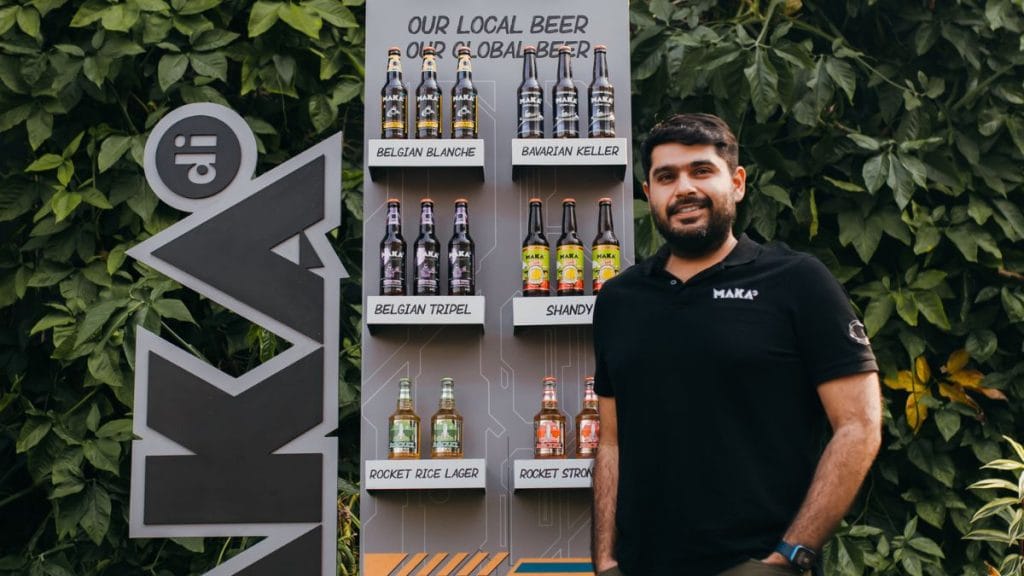
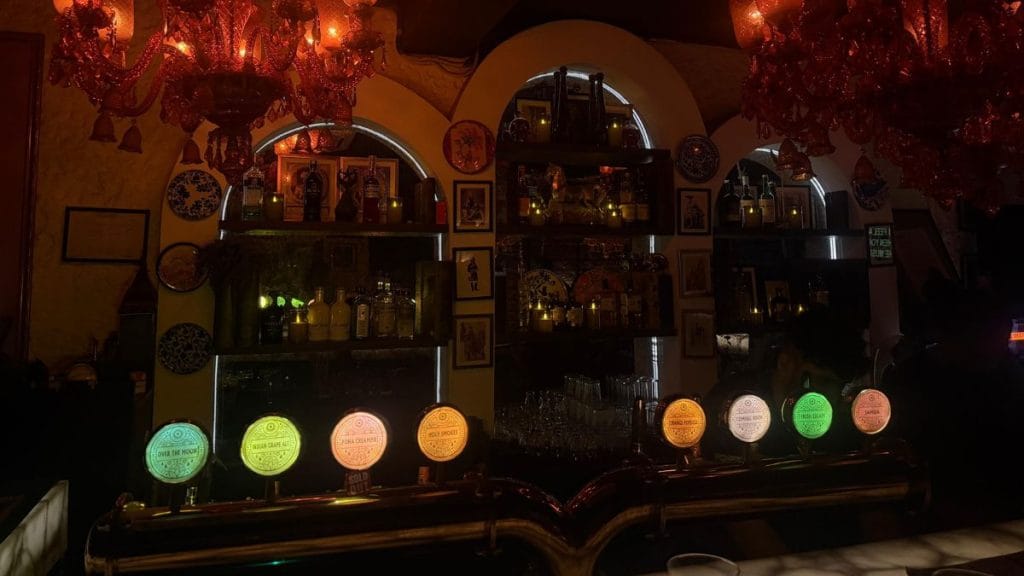
“Draft simply means beer poured fresh from a tap,” explained Aditya Ishan, who runs the beer brand Maka di, along with his brother, Anish Varshnei.
Because draft beer is often non-pasteurised, it tends to taste fresher than bottled versions. But freshness alone does not make it ‘craft.’ A mass-market lager like Kingfisher, for instance, can also be served on tap.
“It may taste better and fresher than the bottled version, but it’s still commercial beer,” he added.
Commercial beer operates much like fast fashion. They are a mass-produced product built around consistency, scale and predictability. Brands such as Kingfisher, Hunter, Kalyani, Haywards, Knock Out and Zingaro dominate this category.
“The idea is that consumers know exactly what they are getting every single time, at a fixed price point,” Ishan explained.
Craft beer follows an entirely different philosophy. Unlike mass-produced commercial lagers, craft beer is brewed in smaller batches using high-quality, often locally sourced ingredients, with an emphasis on experimentation and flavour.
So if commercial beer is H&M, craft beer is Sabyasachi.
“Craft beer is about the art behind making it. The brewery’s personality should come through in the product. Craft is not defined by a particular beer style or even the size of the brewery,” he said.
Even something as simple as a wheat beer can be either commercial or craft depending on how it is produced.
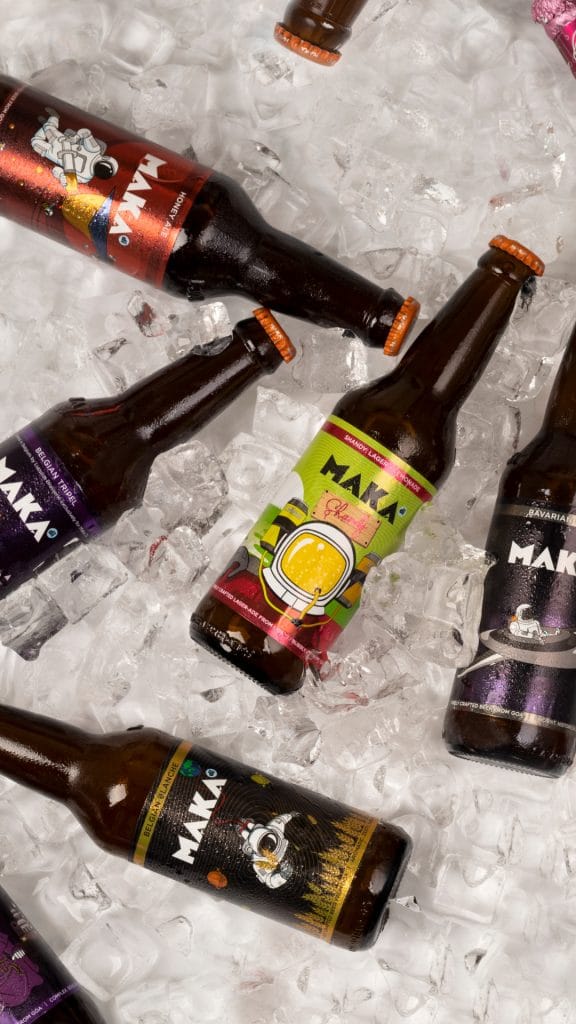
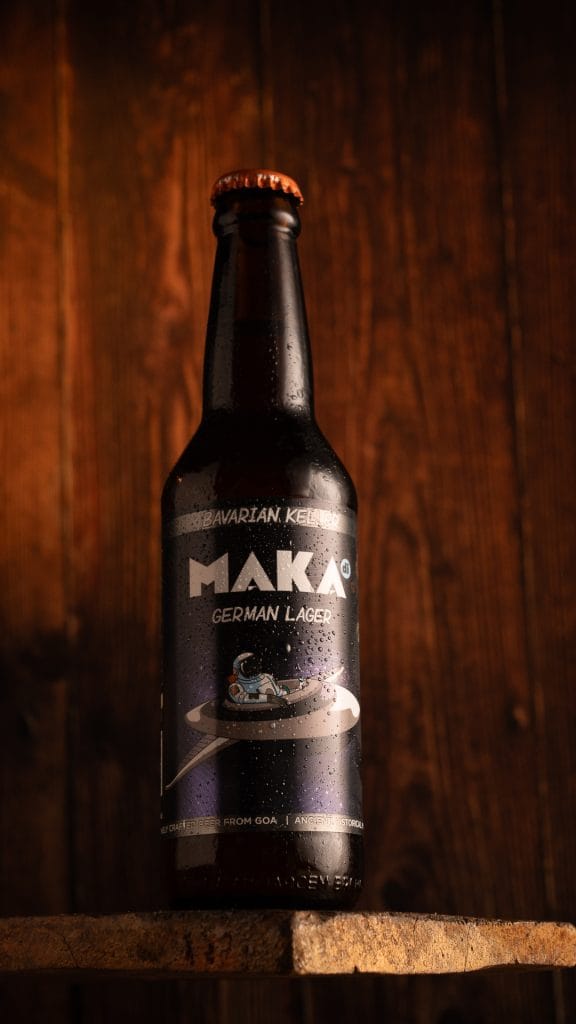
Bottled craft beer brands like Simba and Bira 91 haven’t survived the test of time. But Ishan’s Maka di has consistently grown. His portfolio ranges from boundary-pushing creations such as a Rosé Brut IPA and an Oolong Tea Blanche to more classic craft styles like Rice Lager and Bavarian-style Hefeweizen.
What began in 2020 with production of just 2,000 to 3,000 cases in its first year has grown into a business producing more than 20,000 cases every month, roughly 250,000 cases annually.
The brand is now available in multiple states, including Goa, Kerala, West Bengal, Rajasthan, Uttar Pradesh, Delhi, Uttarakhand and Gujarat, with Odisha expected to be added soon.
It has also built a substantial export business, shipping beer to the United States, Canada, the United Kingdom, Australia, New Zealand and Taiwan, with plans underway for a launch in Guam. Exports now account for roughly half of the company’s production.
“The Indian market offers gross margins of roughly 30 per cent to 40 per cent, while export markets can generate margins exceeding 50 per cent, so overseas expansion is not just aspirational but economically essential for scaling a craft beer business from India,” Ishan said.
Selling beer is tougher than liquor
For years, beer has marketed itself as the easy-going cousin in the alcohol family. You sip it at brunches, barbecues, and rooftop parties. But in India, the story is different.
Brewers say the reason has little to do with consumer preference and everything to do with how India taxes alcohol. According to them, India’s taxation system continues to place the beverage at a structural disadvantage compared to hard liquor.
The irony, industry players say, is that beer, often viewed globally as a lighter, social drink, ends up costing disproportionately more relative to its alcohol content.
The problem lies in how excise duties are calculated, brewers say. Unlike spirits, which are taxed more favourably relative to their alcohol strength, beer is largely taxed based on the total volume of liquid rather than its actual alcohol-by-volume (ABV) percentage. The result is a system where liquor offers consumers a far cheaper intoxication-per-rupee ratio.
“If you compare it purely on a rupee-to-ABV basis, hard liquor becomes significantly cheaper. For consumers whose only objective is intoxication, beer ends up being an expensive option,” Ishan explained.
Brewers argue that this pricing imbalance has constrained beer’s growth in a tropical country where cold, carbonated beverages should theoretically thrive.
Then there are licensing costs.
Also Read: No more hide & drink—Indian bars stirring things up, world takes note of spicy cocktail culture
India’s fragmented state-by-state alcohol regulations create significant barriers for smaller breweries attempting to launch new products. Registration costs alone can be staggering.
“In Delhi, registering a single beer variant reportedly costs around Rs 17 lakh annually,” Ishan said.
For independent breweries, such costs often make it difficult to justify experimental or seasonal releases unless they are confident of selling at scale.
The result is a paradox. The very experimentation that defines craft beer is often stifled by the economics of operating in India.
For many brewers, export markets such as the US, UK and Canada are often seen as easier to navigate than certain parts of India itself. The profits are higher too.
It is this stop-start cycle that worries Garreth.
“There are these short bursts of excitement, but then things stagnate, sometimes they even deteriorate,” he said. “We’ve seen moments where the industry looked ready to explode, but the growth afterwards remained painfully slow.”
(Edited by Stela Dey)
I had heard about desk anchors. I had heard about desk journalists writing byte sized articles. I’m now seeing desk journalists writing long form in the ‘ground’ section. The only groundwork this article has had is visiting Hauz Khas and a few areas limited to Delhi.
This article should have been about how craft beer is arriving in New Delhi where the journalist’s network is being introduced to it. Maybe the journalist has fallen into the common misconception that what is true of Delhi is also true of India. And that for one to experience India one just has to travel to Lucknow.
Beer culture in India is seeded, driven and spread primarily by Bangalore. 75% of the beer market is headquartered there. The beer on tap and craft beer market began in Bangalore. It is the microbrewery capital of India – 100+ microbreweries, including the largest microbrewery in the world.
To the extent possible, I have not identified the journalist as him/her anywhere. I apologise in case I have. However mediocre, one should not assume a journalist’s gender.