



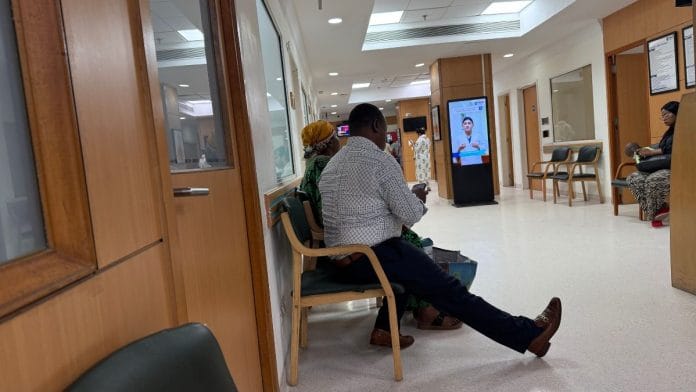

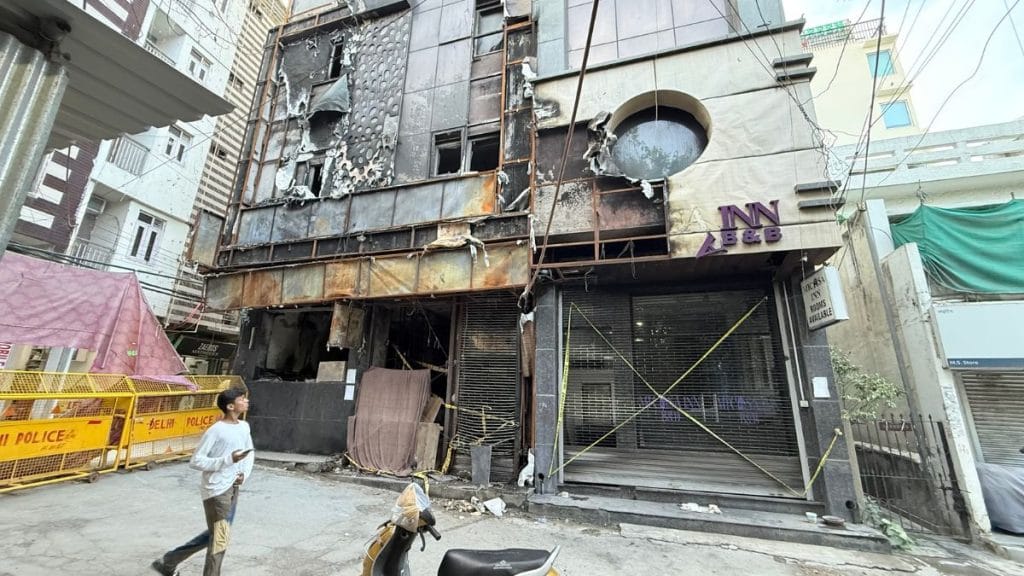
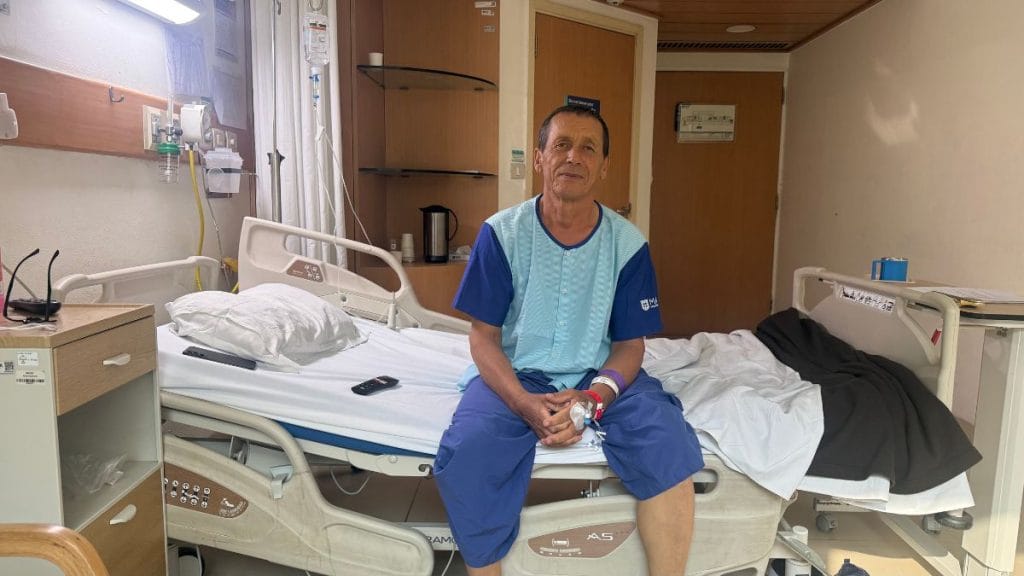
New Delhi: When a fire tore through Flourish B&B in Delhi’s Hauz Rani on 3 June, foreign patients staying a few buildings away after surgeries and transplants did not call their doctors in panic. They called their translators.
Ben, a French interpreter from the Democratic Republic of Congo, was at Max Hospital in Saket around 8.30 that morning when screams from across the road drew him outside. A fire engine had pulled into Hauz Rani. Then his phone rang.
It was Susan, a Congolese woman whose sister was recovering from a kidney transplant at Max. A guest house near theirs was on fire. Police had sealed the area, firefighters were battling the blaze that killed 22—mostly foreign nationals—and nobody around her could explain what was happening in a language she understood.
“I left the patient I was with in the hospital and rushed across the street to help my patients in Hauz Rani,” Ben, 46, said.
By the time he arrived, frightened patients and attendants stood outside with their belongings, unsure about their accommodation or how they would continue treatment.
Ben was their translator, guide and saviour.
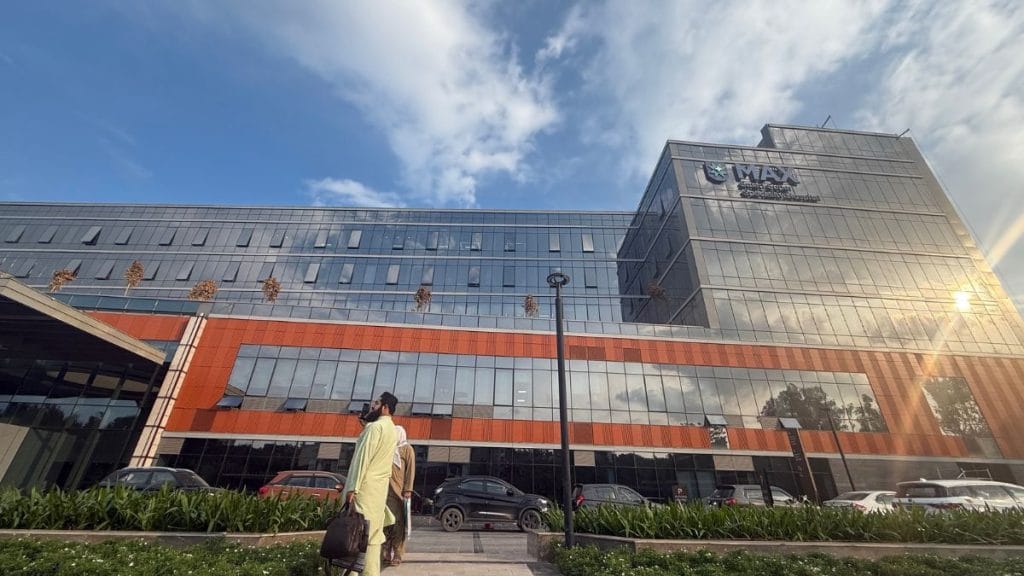
For patients who travel thousands of kilometres for treatment, translators do far more than interpret conversations between doctors and patients. They book appointments, explain diagnoses and prescriptions, arrange accommodation and transport, source familiar food, navigate pharmacies and government paperwork, and often become the first person patients call in moments of panic, grief or uncertainty.
When neighbouring guest houses were sealed after the fire, it was translators—not hospitals or medical-tourism companies—who spent the night finding shelter, rearranging hospital visits and rebuilding the routines around their patients’ care.
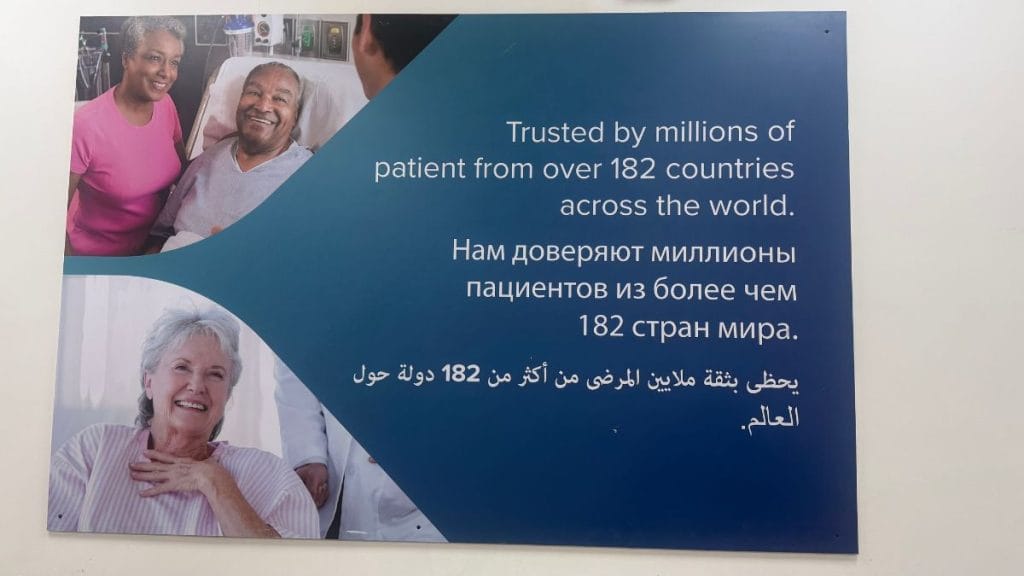
India wants to become a global medical-tourism hub and is the preferred destination for many from Africa and Central Asia. More than five lakh foreign nationals travelled to the country for treatment last year according to the government and the estimated medical-tourism market was at $8.7 billion in 2025. It is set to almost double to $16.2 billion by 2030.
But beneath the hospitals, visa desks and glossy international patient departments exists an informal workforce that keeps India’s medical-tourism industry running: refugee and migrant translators who function as interpreters, caregivers, travel coordinators, counsellors, landlords’ agents and sometimes next of kin.
Many come from the same countries as the patients they assist—from the Democratic Republic of Congo to Afghanistan, Turkmenistan and Uzbekistan—and speak the languages that turn strangers into trusted guides: French, Lingala, Swahili, Dari, Pashto, Russian and Uzbek.
But even as India counts the number of foreign patients, it does not count the translators who help many of them navigate the country.
Ben came to India from the Democratic Republic of Congo as a refugee in 2009. He has helped thousands of patients since. Yet his own position in the country remains insecure.
A translator’s job
By the next morning, Ben’s phone had not stopped ringing.
One patient needed blood tests. Another had an appointment that had suddenly been rescheduled. A third could not understand a prescription. The day’s plan rarely survives for long.
“Sometimes I attend to four patients in one hour,” Ben said.
Ben started working as a medical translator three years into his stay in India. He had encountered a Congolese family outside Apollo Hospital that had spent nearly four months in Delhi but had seen their doctor only twice because the intermediary handling their case kept delaying appointments. One family member needed heart treatment, another had kidney disease. Ben stepped in to speak to the hospital, helped them navigate the system and, in the process, found the work that would come to define his life in India.
Today, interpreting between doctors and patients is only a fraction of what he does.
Patients call before they leave their home country to understand treatment options and costs. Ben helps them communicate with hospitals, arrange the documents needed for medical visas and prepare for their journey.
Once they arrive in Delhi, he becomes the person who helps them make sense of everything beyond the consultation room—finding accommodation near the hospital, organising transport, explaining medical advice in familiar terms, collecting medicines, accompanying them to follow-up appointments and solving the countless practical problems that illness creates in an unfamiliar city.
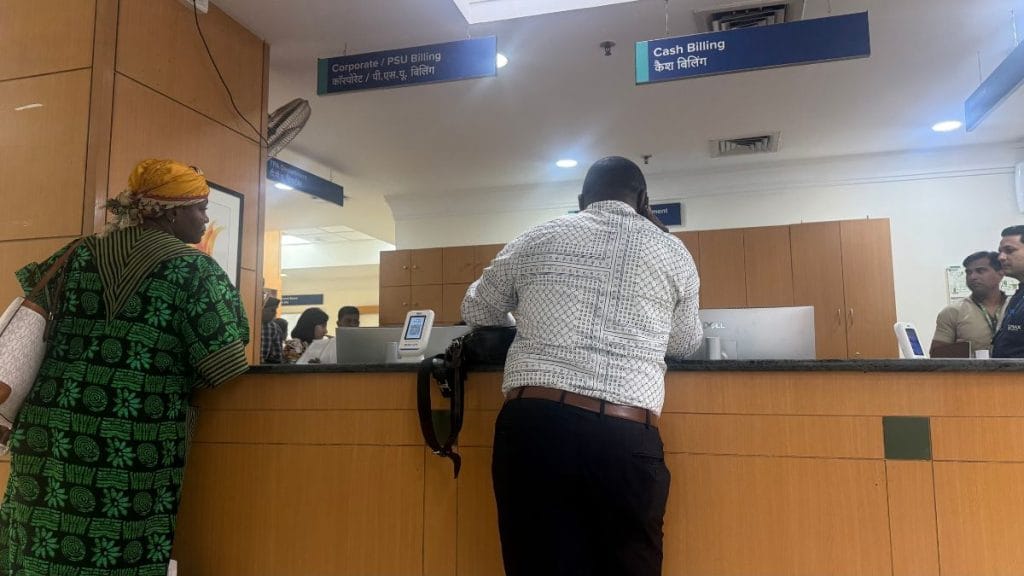
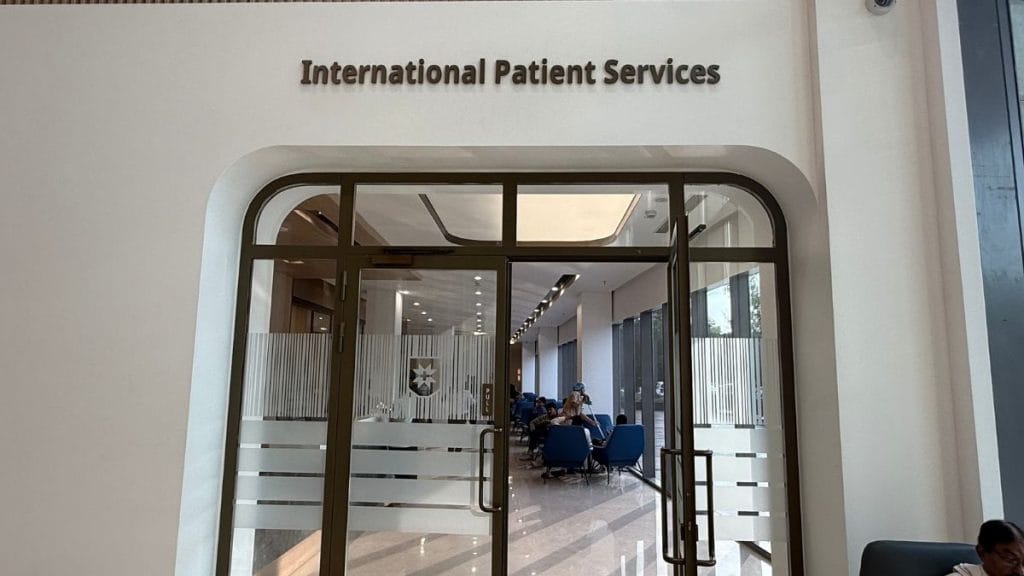
Many hospitals and medical-tourism companies offer similar services through their international patient departments. But a Congolese patient may feel more comfortable with someone who speaks French, Lingala or Swahili, understands where they come from, rather than an Indian employee who has learnt enough French to work with foreign patients.
Representatives employed by medical-tourism companies, Ben said, are often responsible for several patients at once.
“They may bring a patient to the hospital and then leave for another case,” he said. “If something changes, the patient is left waiting without understanding what is happening.”
For Ben, that gap is where his work begins.
‘How can I say no?’
Ben is not alone.
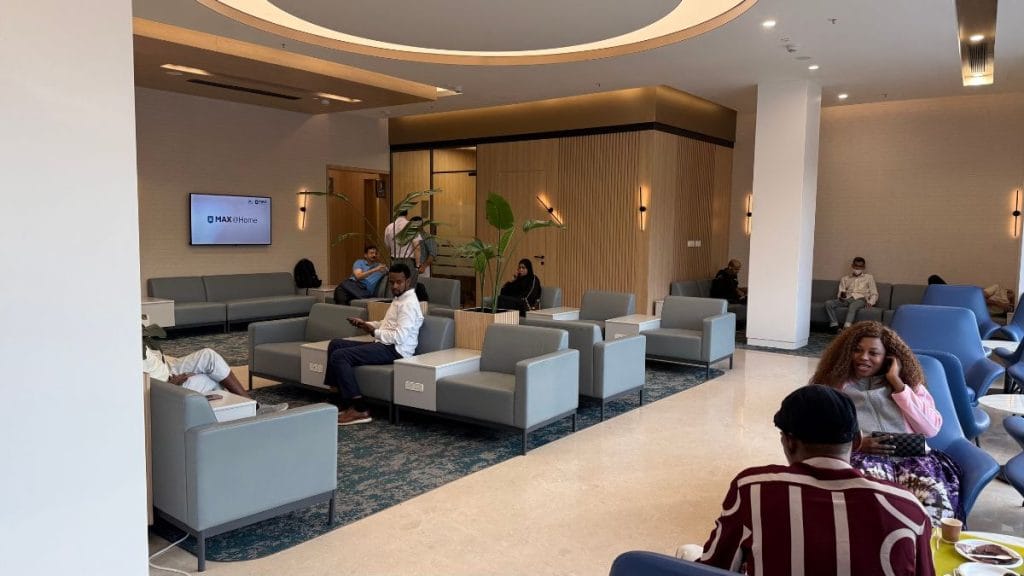
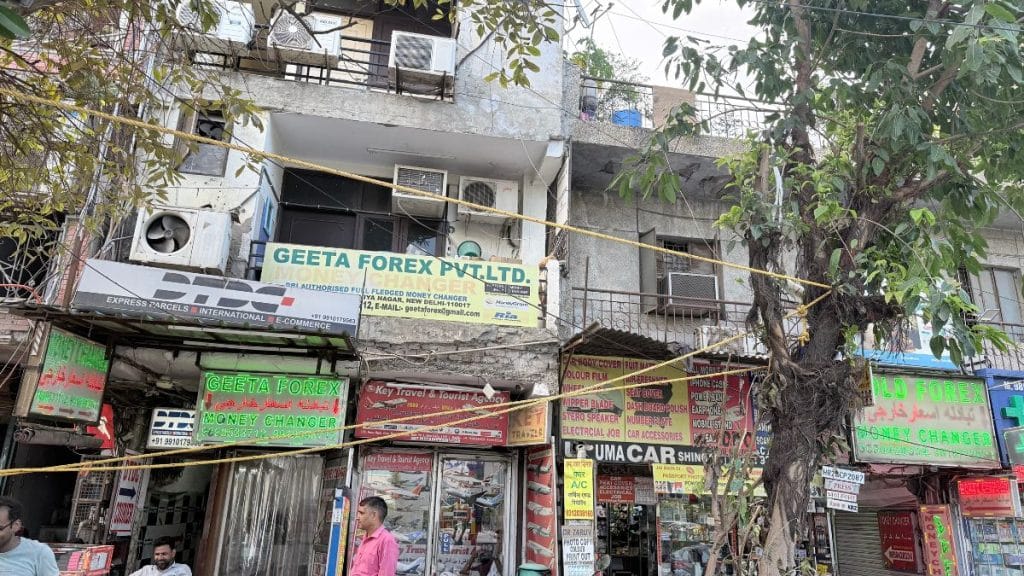
Across the neighbourhoods surrounding Delhi’s major private hospitals, translators have built parallel support systems for patients arriving from Central Asia, Africa and Afghanistan. Some are refugees. Others came to India for entirely different reasons before finding themselves drawn into the work.
Tom never imagined he would become one.
An architect from Turkmenistan, Tom earned his master’s degree in Chicago before returning home to start a business. Then his eldest son was diagnosed with cerebral palsy.
“I had three choices for his treatment: China, Turkey, and India. China was totally closed because of Covid. Turkey was expensive,” he said. India became their only realistic option.
Tom travelled to Delhi with his son while his wife and other children stayed behind. As months turned into years of hospital visits, his business in Turkmenistan collapsed.
By then, he knew the medical system almost as well as the doctors’ schedules. Fluent in six languages, he began helping other families from Turkmenistan navigate the same journey he had made.
Sometimes, he said, many of his conversations with his patients end with hope. Sometimes they do not.
“One of the hardest parts is telling a family that treatment will not work,” he said. “The doctor gives the diagnosis. But I have to explain it to people who trust me.”
The 38-year-old has had to be the bearer of bad news many a times.
“Once I had to tell five patients that they had just six months to live. They all died,” he said, and paused before adding, “Sometimes the work of a translator is bigger than the work of a doctor.”
Tom charges around $100 (nearly Rs 10,000) a week, but says nearly 70 per cent of his patients never pay him. The ones who do make it possible for him to continue helping the rest.
He has since rebuilt his career and now runs another business. Medical translation has become a side occupation, but not one he has been able to walk away from.
“One of my patients is my neighbour’s aunt. Another is my friend’s older brother,” he said with a shrug. “How can I say no?”
Beyond the hospital gates
For most foreign patients, treatment does not end when they leave the consultation room.
There are blood tests, follow-up appointments, medicines, and strict diets. Transplant recipients, in particular, remain vulnerable to infection long after they are discharged.
“Even the slightest viral infection can snowball into something very big,” said Dr Rishabh Bhowmick, formerly with Max Hospital, now at Safdarjung.
That dependence extends well beyond medical care.
When Maqsud, an Uzbek cancer patient in his 50s, decided to seek treatment in Delhi, his family did not begin by contacting a hospital. They called Diana, an Uzbek translator living in the city who had once been his sister’s neighbour back home and had earlier helped another member of the family receive treatment in India.
Like Ben and Tom, Diana’s work starts before a patient lands in Delhi and continues long after they leave the hospital.
“If one of my patients has a medical emergency, they call me first. Even if they’re staying right across the road from Max,” she said. “If they do go to the hospital, what will they do there? They won’t understand a word.”
The same dependence has created an economy around Delhi’s hospitals.
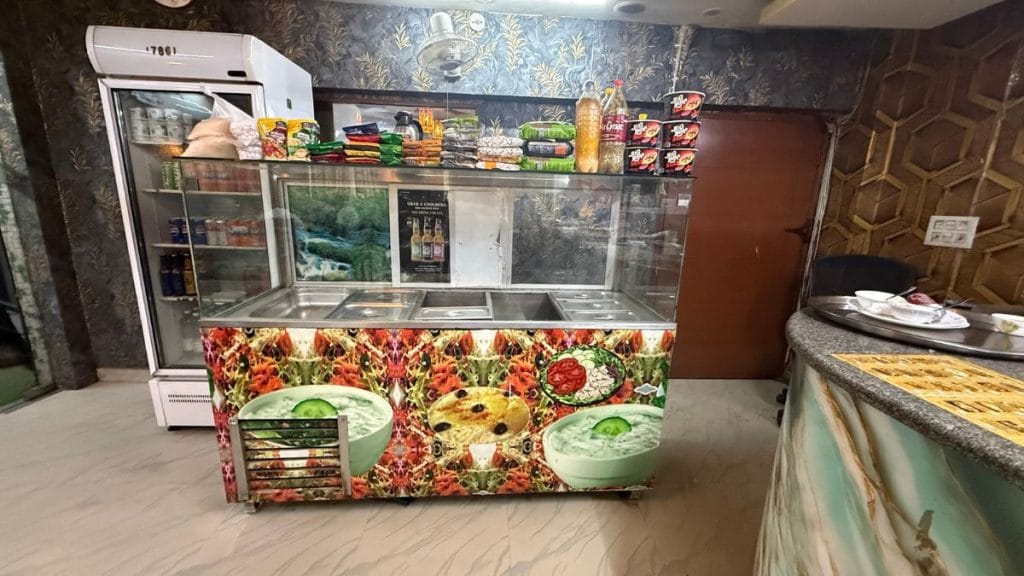
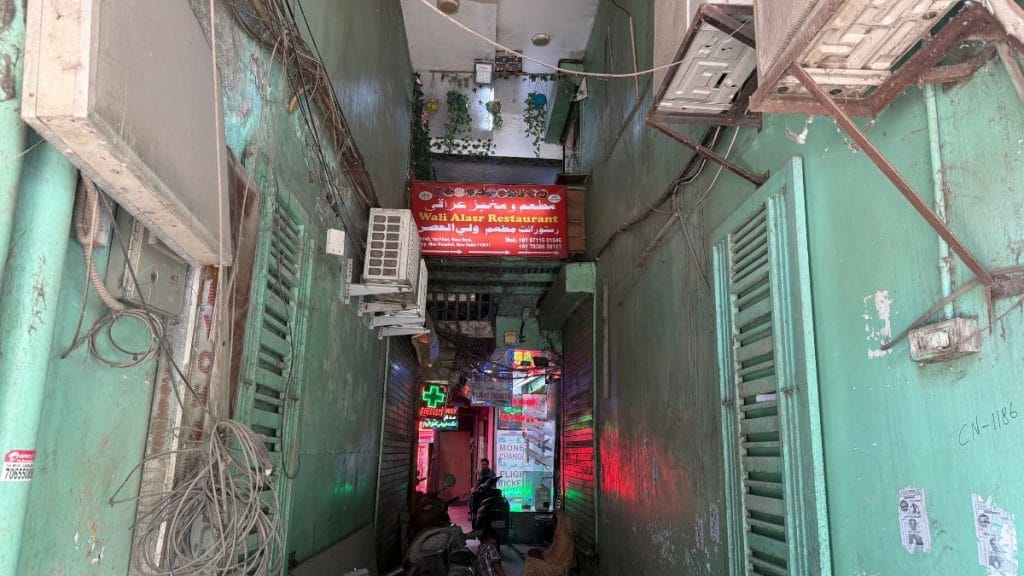
In 2017, Khalid, an Afghan refugee from Mazar-i-Sharif, opened Wali Al Asar, a restaurant in Hauz Rani after realising many foreign patients recovering near Max could not eat the spicy food served in most local eateries.
The 34-year-old hired cooks from Afghanistan, Iraq and Turkmenistan so patients from different countries could eat food they recognised. Meals are often delivered directly to guest houses because patients are too weak to step outside or attendants cannot leave them alone.
“This is mostly for patients,” Khalid said, describing the milder dishes simply as “patient food.”
For Khalid, translators are what make that system work.
“Without translators,” he said, “these patients are like people without eyes.”
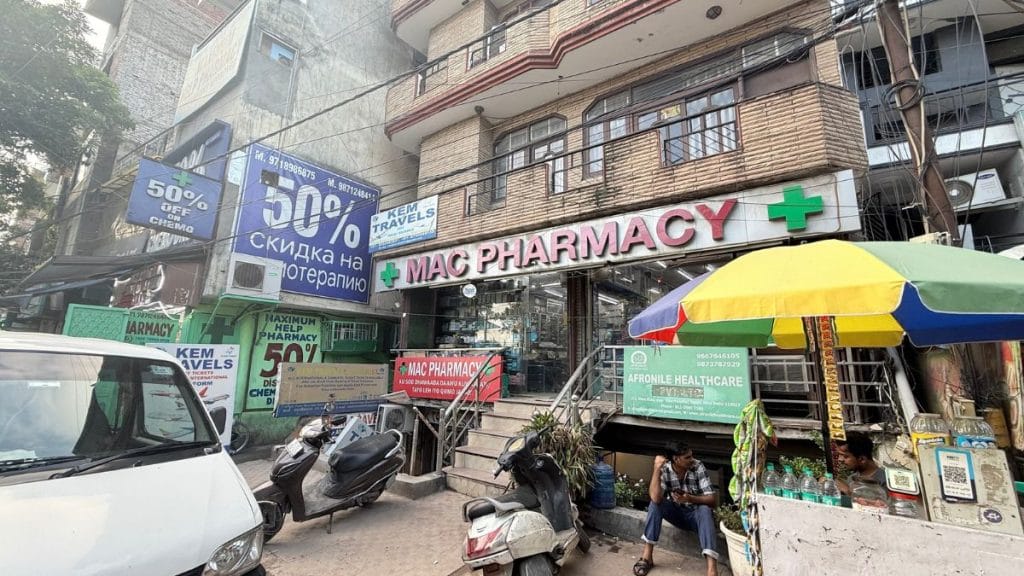
A chemist opposite Max echoed the same dependence. It is usually the translator who arrives with the prescription, collects medicines and ensures patients leave India with enough supplies to last until their next review.
Sometimes, the requests have nothing to do with illness.
Months into her stay in Delhi, Susan turned to Ben with an unusual problem. She wanted to get her hair braided.
For many Black women, finding someone who understands Afro-textured hair is a necessity. Susan did not know where to look.
But Ben knew whom to call.
When the fire broke the system
By the time Susan reached Ben on the morning of 3 June, the fire at Flourish B&B had already drawn firefighters, police and crowds into Hauz Rani.
Susan, her sister Owba and Owba’s son were staying at Flourish Inn, owned by the same people as Flourish B&B. They stepped outside after hearing shouting and soon realised the entire neighbourhood had descended into chaos.
Back in Congo, relatives who had seen the fire on television began calling.
“Are you safe? Are you safe?”
“That day they didn’t even eat,” Ben recalled.
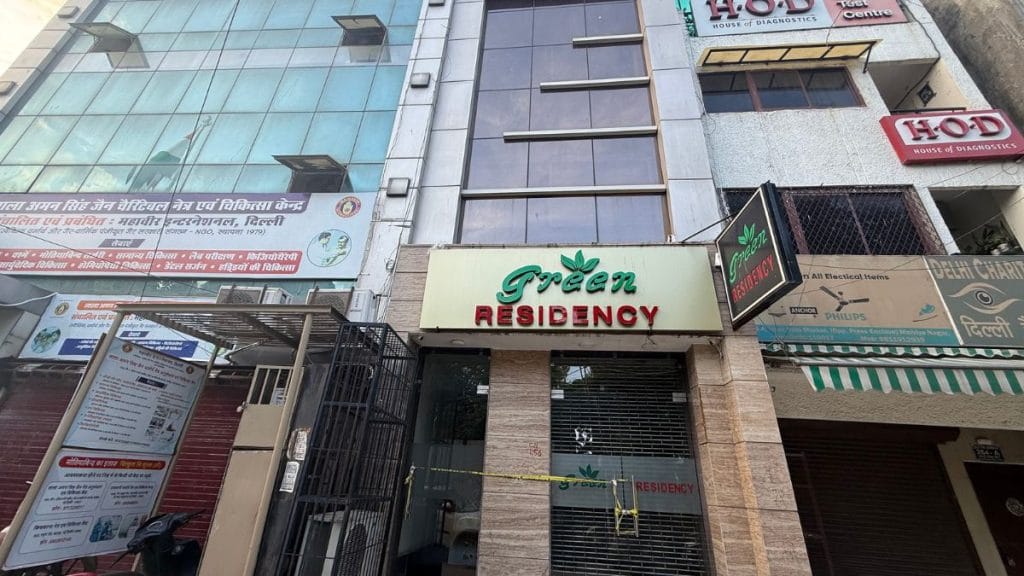
By evening, Flourish Inn and several neighbouring guest houses had been sealed, leaving foreign patients and their attendants with nowhere to stay.
“You don’t know what to do. Where to go?” Susan said through Ben.
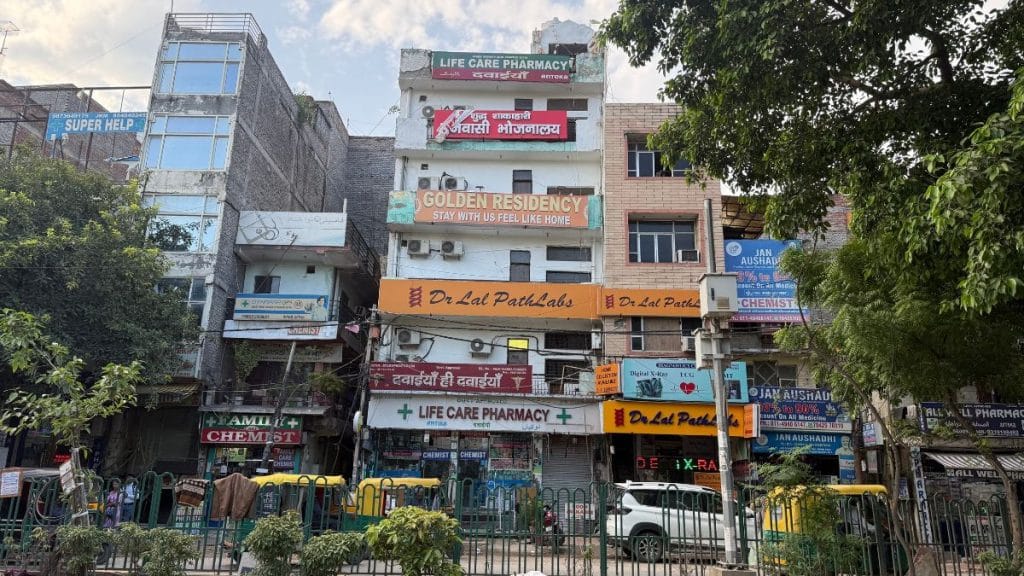
Some recovering patients and their attendants spent the night in the waiting lounge at Max Hospital. Others relied on translators to find temporary accommodation before darkness fell.
Ben stayed with Susan’s family through the night, calling landlords, arranging transport and searching for another place where they could continue living while Owba recovered from her transplant. The next morning, he took them from one property to another until they found a room.
For Susan, the experience made visible what had sustained her family’s months in Delhi.
“Without Ben, we can’t do anything,” she said.
Also Read: Lal Dora villages are a parallel city in Delhi. No one wants to fix this dirty secret
The invisible backbone
Sixteen years after arriving in India as a refugee, Ben knows Delhi’s medical ecosystem as intimately as the patients he guides through it. He knows which hospitals to call, which pharmacies stock hard-to-find medicines, which landlords will rent to foreign families.
His work is becoming increasingly central to an industry India wants to expand. The Centre has already announced plans to develop regional medical hubs offering medical tourism and an end-to-end Medical Value Travel facilitation system.
Yet translators like Ben remain outside that formal architecture. His passport expired years ago and he is in India on a UNHCR refugee card. But the Indian government does not recognise the card as a gateway for citizenship. Ben still can’t apply for other jobs, except for his UN-designated translator role for other refugees. He still relies on word-of-mouth publicity, like most translators.
Many are refugees or long-term migrants whose own futures in India remain uncertain. A 2025 NHRC-supported national survey of refugee communities found that the problems they face are often overlooked in official policy.
“African refugees face even more difficulties due to racial attitudes,” the report said.
Ben says those barriers often extend beyond paperwork.
“You can even see the way they are looking at you,” he said. “They see you, and then they cover their nose like you smell.”
Tarini Unnikrishnan is an alum of ThePrint School of Journalism, currently interning at ThePrint.
(Edited by Stela Dey)