



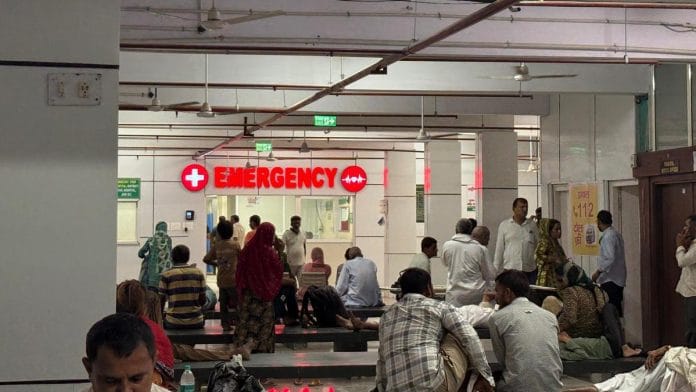
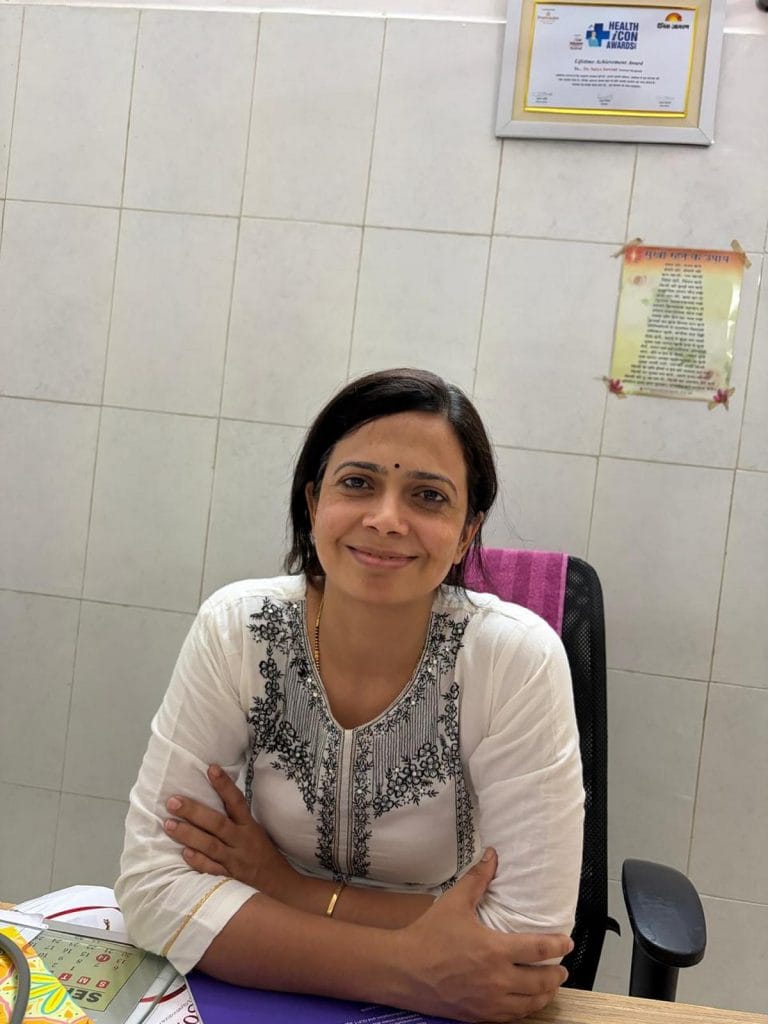
Hisar and Jind: After specialising in gynaecology, Dr Punam Poonia expected to spend her days treating patients. Instead, she found herself also swamped by medico-legal paperwork for sexual assault cases, court summons and field visits to MTP centres.
Working in a government hospital just didn’t cut it for her anymore. And it is a larger crisis brewing in the Haryana public healthcare system.
Poonia toughed it out for as long as she had to. Under Haryana’s rules, in-service doctors pursuing MD/MS must complete a mandatory five-year government service bond after postgraduation. But as soon as the bond period ended, she resigned and joined a private hospital in Hisar. One of her biggest pain points was spending endless hours in court because of delays, lawyers not turning up and evidence not being presented.
“A whole day that could have been spent seeing patients would be lost for nothing. And if an emergency ever came up, it would take me so much time just to get back,” she said.
Across Haryana’s government hospitals, doctors like Poonia are quitting in large numbers, crushed by staff shortages, heavy workloads, administrative work, poor facilities and limited career growth. Some move to private hospitals when their service bonds end, while others take voluntary retirement early. Those who remain are left carrying more of the load. Heavier workloads, in turn, make the system harder to work in. And the strain is ultimately felt by patients.
I stayed for years because I wanted to treat people who couldn’t afford private hospitals. But towards the end, the workload became so heavy that I had little time for clinical work. I realised I couldn’t continue like that
– Brijender Ghanghas, ENT specialist who took voluntary retirement
The problem is most glaring in Haryana’s teaching hospitals. As of June this year, 2,572 of 3,843 sanctioned doctor posts in the state’s eight government medical colleges were vacant—nearly 67 per cent. The newer colleges appear to be bearing the brunt. Jind Medical College had 555 of its 559 sanctioned posts vacant, Mahendragarh 492 of 559 and Bhiwani 477 of 552. Even PGIMS Rohtak, the state’s top medical institution, was operating with a vacancy rate of over 40 per cent, with 341 of its 852 sanctioned doctor posts vacant.
An increasing number of community health centres, primary health centres and civil hospitals have been reduced to little more than ‘referral centres’.
The shortage is visible at every level of Haryana’s public health system. In Sonepat district, only five of eight sanctioned Deputy Civil Surgeon posts are filled. Among Senior Medical Officers, just nine of 21 sanctioned posts are occupied. Data from the Haryana Civil Medical Services Association (HCMSA) shows that in Hisar and Hansi, 102 of 258 sanctioned Medical Officer posts are vacant. Even among the posts shown as ‘filled’ on paper, five doctors are deputed elsewhere, nine have resigned, 16 are pursuing postgraduate studies, five are on extraordinary leave, five are on leave under the couple-case provision, two are on child-care leave and six are absent from duty. In effect, over 58 per cent of sanctioned posts are vacant.
Specialist care is sparser still. Cardiologists, neurologists, nephrologists and oncologists are available in only a few districts. Several doctors told ThePrint that PGIMS Rohtak currently has just one super-specialist—a plastic surgeon.
For younger doctors, it has created a difficult conundrum. One option is to stay and treat patients who may have nowhere else to go, while enduring limited resources and opportunities for growth. The other is to leave for the private sector in pursuit of better career prospects, a chance to develop their skills and most of all for better working conditions.
The crisis at the top stems from a decay at the bottom, according to Pramod Gouri, president of the Haryana Gyan Vigyan Samiti, a civil society group focusing on education and health. The state’s population has grown from 2.53 crore in 2011 to a projected 3.14 crore in 2026, but its already short-staffed network of PHCs has not increased proportionately.
“As a result, the burden keeps shifting towards the tertiary level. Once that happens, the same pressure builds up there as well. The public health system, which was once much more government-supported, has gradually been weakened,” Gouri said.
Also Read: Haryana sanitation workers have been on strike for weeks over job security. Trash piles up
Set up to fail
During her stint at the government hospital, Poonia often had to justify to senior officials why she had referred patients elsewhere, even when the reasons were obvious: the hospital sometimes lacked essential medicines and routinely ran short of beds. Angry patients would accuse doctors of negligence and file complaints with the hospital grievance board.
Even when patients were admitted, the pressure did not ease. Those who underwent surgeries or deliveries needed regular monitoring and aftercare, but it was a near-impossible task while handling a heavy patient load.
“When essential medicines required for patient care are unavailable, we notify the concerned authorities. However, due to the necessary protocols and procedures involved, it may take some time before these medicines can be made available,” she said.
The medicine and equipment shortage has cost lives more often than it has made headlines.
In July 2026, a baby died after no ventilator could be found at three government hospitals. Born at Hisar Civil Hospital, the infant developed severe respiratory distress and was shifted first to Maharaja Agrasen Medical College, Agroha, and then to PGIMS Rohtak. The newborn was finally taken to a private hospital but could not be saved.
Incidents like these can leave doctors vulnerable to allegations of negligence for failures they have little control over.
The staff shortage added its own set of problems for Poonia.
I understand that every government hospital will have some shortcomings. But give us some appreciation, incentives or at least pay us for the extra hours we put in. There was nothing like that
-Dr Punam Poonia
For almost two years, she was doing what amounted to the work of five gynaecologists at Civil Hospital, Hisar. Her days began with OPD consultations and often stretched into evenings filled with administrative responsibilities — attending grievance board meetings, conducting maternal death audits, responding to RTIs and explaining referrals to higher authorities.
There was little respite even after work hours. Calls from the hospital disrupted her personal life, she struggled to give enough time to her child, and Sundays rarely felt like rest days.
“I understand that every government hospital will have some shortcomings. But give us some appreciation, incentives or at least pay us for the extra hours we put in. There was nothing like that,” she said.
A different life
Poonia had over a decade of government service under her belt. She joined in 2014 and completed her postgraduate degree in 2021, then served out the mandatory bond. In August 2026, she resigned and joined Savant Hospital, a 15-bed private hospital in Hisar specialising in obstetric and gynaecological care, as well as infertility treatment.
The difference couldn’t be starker.
She now has more time with each patient, which has helped her build trust with them. While she still handles her own clinical paperwork, she no longer has to shoulder the administrative work that came with her government posting. She said her salary is more closely linked to the quality and quantity of work she does.
Poonia said that she did not resent the administrative or field duties themselves. She considered them part and parcel of working in the government health system and said the experience has helped her in her current role.
“I learned to manage multiple patients at once and take responsibility for running an entire department. Those are things I learned out of necessity as a government doctor,” she said.
Shortage beyond numbers
Vacancies tell only part of the story. When senior posts remain unfilled, junior doctors are pushed into roles that take them away from clinical work.
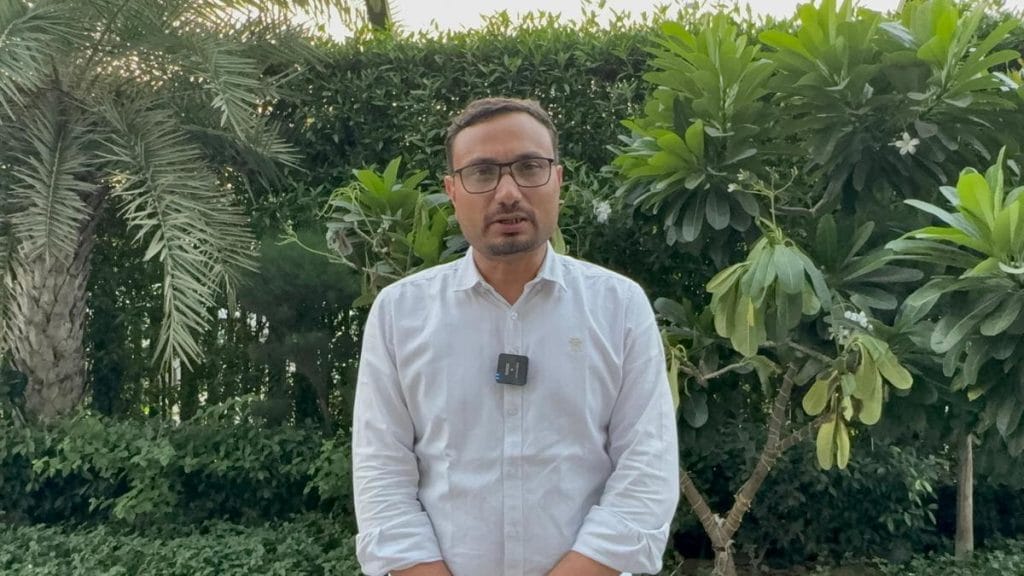
Medical officers are often given additional charge as nodal officers for government programmes, including non-communicable diseases (NCDs), tuberculosis, and other health initiatives, said a deputy civil surgeon who asked not to be named.
“Doctors sometimes find themselves penalised when administrative responsibilities begin to eat into their clinical work,” he added. “If their clinical workload falls because they have been assigned programme-related duties, their non-practising allowance (NPA) can be questioned or cut.”
They can also be held responsible for outcomes over which they have limited control. Sex-ratio targets are one example. Last year, a Medical Officer at Primary Health Centre Jottanwali in Sirsa and an SMO at Halalpur in Sonipat were suspended over alleged negligence in official duties linked to a decline in the respective districts’ sex-ratio figures.
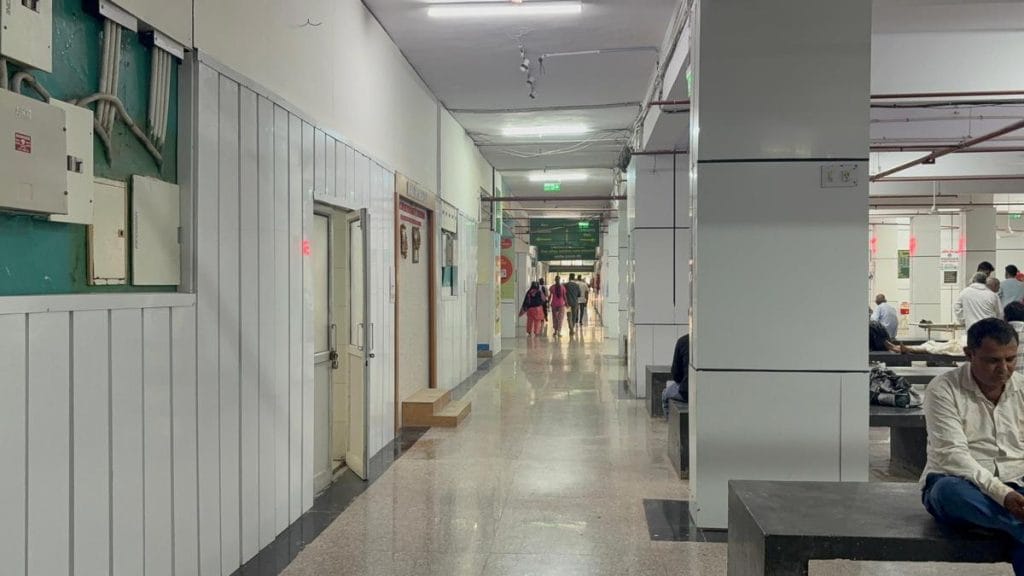
Leave alone keeping an eye on the sex ratio, doctors are struggling to keep up with the workload given the number of vacancies. Sirsa, for instance, has 30 sanctioned posts across the Deputy Civil Surgeon, Senior Medical Officer and Deputy Medical Superintendent cadres. Only 11 are filled, leaving 19 vacant. Two of those 11 doctors are posted elsewhere. Just nine doctors are covering 30 sanctioned positions.
Of 216 sanctioned Medical Officer posts, 142 are filled. But that does not mean all are available for clinical work. Seven doctors are absent from duty, 22 are pursuing postgraduate studies through the CMS quota, six are on deputation, and one is under suspension.
Other districts are facing similar gaps.
In Bhiwani, only seven of 22 sanctioned SMO posts are filled. Of 209 sanctioned MO posts, just 146 are filled. All nine sanctioned Deputy Civil Surgeon posts and both Deputy Medical Superintendent posts are vacant.
Doctors sometimes find themselves penalised when administrative responsibilities begin to eat into their clinical work. If their clinical workload falls because they have been assigned programme-related duties, their non-practising allowance (NPA) can be questioned or cut
– Haryana deputy civil surgeon who requested anonymity
In Fatehabad, 36 of 42 sanctioned MO posts at the government hospital are filled, leaving six vacant. Across the district, however, the gap is wider: only 95 of 173 sanctioned posts are filled.
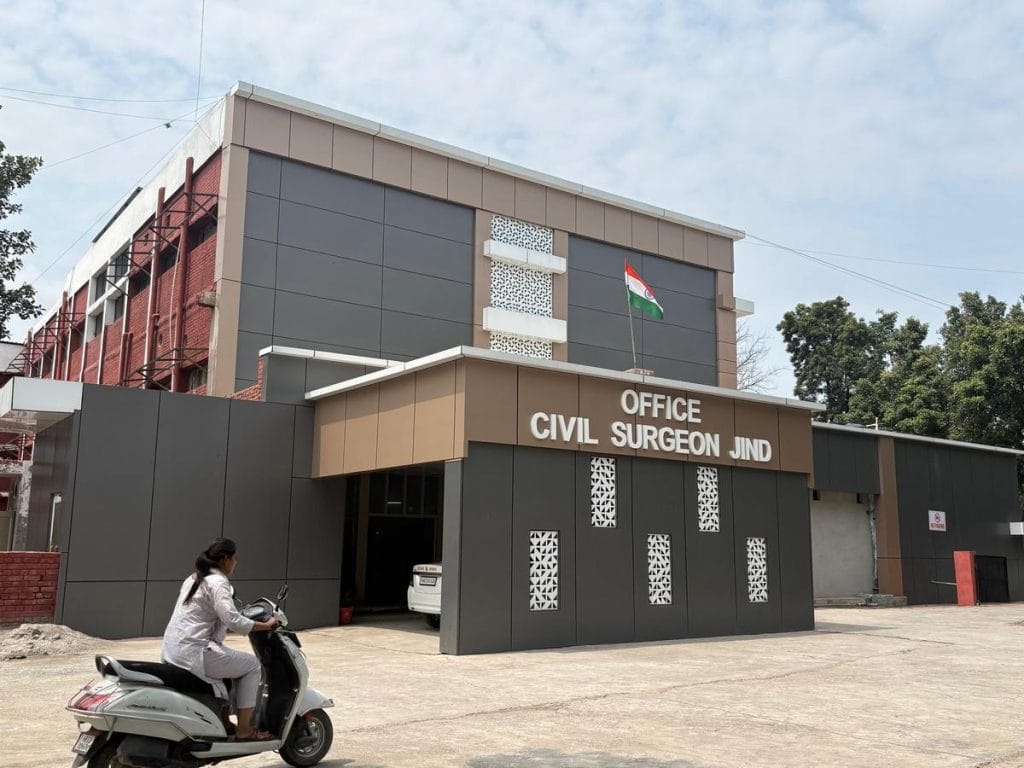
Jind faces a similar strain. Of its 226 sanctioned MO posts, 126 are shown as filled and 100 as vacant. More than 10 of the doctors counted among those 126 are deputed to the medical college. There are also 20 vacancies among the sanctioned Deputy Civil Surgeon and SMO posts.
The numbers on paper do not always reflect the ground reality. Vijendra Dhanda, Deputy CMO in Jind and general secretary of the Haryana Civil Medical Services Association, said only around 100 doctors are effectively available in the district.
The deputy civil surgeon also pointed to a mismatch between what hospitals actually need and what the government provides.
The government, he said, has spent crores of rupees on beautifying civil hospitals across Haryana, even as basic infrastructure problems persist: roofs still leak when it rains and water seeps into the walls. In Panchkula, the civil hospital’s infrastructure is falling apart even after multi-crore repair work. In Gurugram, officials acknowledge that nearly Rs 10 crore has been spent on upgrades, yet basements flood and roofs leak. Nuh, Palwal and Faridabad hospitals have also reported flooded basements, leaking roofs and sewage overflows through July and August this year, despite recent renovation claims.
And while hospitals are receiving expensive equipment through the Haryana Medical Services Corporation Limited (HMSCL), these aren’t always what doctors need or use.
“We are being asked to operate machines such as mammography machines and colposcopes that we do not necessarily need. What we need are basic facilities and supplies,” said the deputy civil surgeon, naming X-ray machines and laboratory equipment such as CBC analysers, hormonal analysers and urine analysers.
“And patients still face a shortage of essential medicines such as antibiotics, anti-thyroid and anti-diabetic drugs. What is the use of beautification if the patient does not have medicines?” he added.
When career stops moving
More than 95 per cent of Haryana’s government doctors get just one promotion in their entire career, according to the HCMSA. The association says this stagnation is linked to poor retention and voluntary retirements.
Ninety-two government medical officers resigned in Haryana in 2022, followed by another 22 up to May 2023. Thirteen more opted for voluntary retirement over the same period—eight in 2022 (including seven senior medical officers) and another five by May 2023.
In Jind alone, at least two doctors resigned in the first six months of this year.
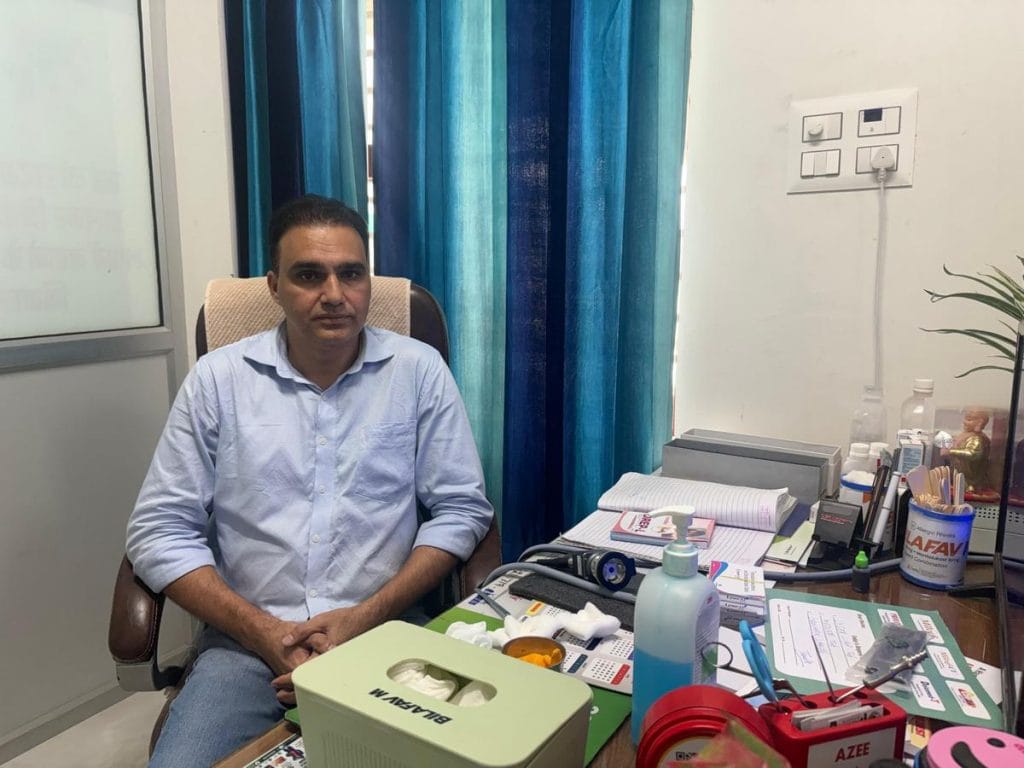
For Dr Brijender Ghanghas, an ENT specialist in Jind who spent more than two decades in government service, taking voluntary retirement in April last year was not about losing faith in public healthcare.
“I stayed for years because I wanted to treat people who couldn’t afford private hospitals. But towards the end, the workload became so heavy that I had little time for clinical work. I realised I couldn’t continue like that,” he said.
After his exit, Ghanghas opened Jaiveer Doorbeen Hospital in Jind. Patients come to him from villages as well as the city. He is now able to give them more time, remember their names and practise medicine on his own terms. He can even take his son to school, which his previous schedule made difficult.
Career progression is one of the central demands of the HCMSA. It has repeatedly called for an end to direct recruitment to SMO posts, arguing that it results in veteran government doctors being bypassed.
Under the current policy, 75 per cent of SMO posts are filled through promotions, while 25 per cent are reserved for direct recruitment. Directly recruited SMOs progress far ahead in their careers, often reaching the post of Director General, while in-service doctors stagnate
-Vijendra Dhanda, HCMSA general secretary and Jind Deputy CMO
“Under the current policy, 75 per cent of SMO posts are filled through promotions, while 25 per cent are reserved for direct recruitment. Directly recruited SMOs progress far ahead in their careers, often reaching the post of Director General, while in-service doctors stagnate,” said Dhanda.
In November 2025, HCMSA wrote to Chief Minister Nayab Singh Saini, held protests and observed a two-hour pen-down and OPD strike, demanding that direct recruitment to SMO posts be stopped.
The association also wants a modified Assured Career Progression (ACP) structure that would allow doctors financial and career progression even when a formal promotion is not available. Dhanda said Haryana could follow states such as Bihar, where doctors have access to a more progressive ACP structure.
In December 2025, then HCMSA president Dr Rajesh Khyalia said CM Saini and Health Minister Arti Singh Rao had backed the modified ACP structure, but that “strong political commitment” had run into “bureaucratic hurdles” and stalled the proposal.
The agitation over ACP and other service issues then led to a four-day strike. It ended after the government agreed to replace the modified ACP demand with a new Ayushman Bharat incentive scheme, to be drafted by a committee that would include a doctors’ representative.
Another bone of contention is the non-practising allowance (NPA), which is part of government doctors’ salary structure. It is paid in return for not engaging in private practice.
The association has proposed that doctors could either take the NPA and give up private practice, or decline the allowance and continue running a private clinic.
“An optional model could help retain doctors,” Dr Manish Poonia, an orthopaedic surgeon and the Hisar district president of the HCMSA, told ThePrint, pointing to Rajasthan and Gujarat as examples of states where such an arrangement exists.
Fractured trust
The strain on the state’s public health system is eroding trust between doctors and patients. In March, a dispute at a community health centre in Gharaunda, Karnal, even led to a doctor-police clash.
On Holi evening, the CHC was struggling to manage a crowd after a spate of medico-legal cases. The medical officer on duty, Dr Prashant Chauhan, repeatedly called the local police station for help. When the SHO and other personnel finally arrived, the situation got worse for the doctor. A widely circulated video of the incident shows the SHO exchanging words with him and then slapping him. Chauhan was reportedly detained at the police station for an hour and forced to apologise.
👋😡You often hear about doctors being assaulted by patients’ families.
But in this case, an SHO in Karnal assaulted a doctor at CHC Gharonda.
The very police who supposed to protect doctors.
How has this department become so rogue under BJP rule?pic.twitter.com/oA2ViqOYEv
— Manu🇮🇳🇮🇳 (@mshahi0024) March 6, 2026
The SHO was suspended the next day, but doctors in Karnal and elsewhere in Haryana went on strike in protest. The agitation lasted four days.
“Everyone is in a difficult situation. Doctors are being attacked, and it has become very difficult to practise medicine,” said the deputy civil surgeon quoted earlier.
Patient anger and allegations of negligence are not confined to government hospitals. Private hospitals too have faced protests and attacks when patients die, or complications arise. Last month, an orthopaedic consultant at a private hospital in Kalyan was allegedly attacked by a patient’s son during an argument over treatment. In November last year, police had to intervene after a family protested at a private hospital in Haryana’s Yamunanagar district over a newborn’s death.
Another fallout is in how people seek treatment. When government healthcare is difficult to access or fails to inspire confidence, Gouri said, some patients turn to quacks or religion.
“Then a kind of blind faith also increases. In our country, with jaundice, for example, people will bathe in a pond or go to Devi Mata and believe that they will be cured,” he said.
In rural areas, meanwhile, the supply of doctors is only thinning.
Young doctors increasingly have little appetite for rural postings and often prefer jobs and training opportunities in large hospitals. Rural health centres often lack the basics doctors consider when deciding where to build their lives and careers.
Gouri said a government posting is where their family will live, where their children will study and whether the doctor will have the facilities needed to practise medicine.
Without addressing those conditions, he said, the government cannot expect young doctors to choose rural service simply out of duty.
“People’s health is not actually on the government’s agenda,” he said.
Cities such as Rohtak, by contrast, have seen a boom in private healthcare.
Over the past five or six years, Gouri said, around 15 to 20 high-end hospitals have come up in Rohtak, many set up by groups of doctors pooling resources rather than individual practitioners. For many patients in villages, these tier-2 private hospitals are becoming the first port of call for serious illnesses, including cancer.
Also Read: Expats in Gurugram expected a global city. They are battling waste and waterlogging woes
A quick exit
Twenty-five-year-old Sahil Sheokand had heard plenty from seniors about the harrowing working conditions in Haryana’s government health service. But it was during his internship at PGIMS Rohtak that he saw them up close.
“There is a shortage of staff everywhere, including paramedical staff. If a cancer patient comes, we know he is seriously ill and needs good care, but we are helpless too,” said the 25-year-old doctor. “There are long waiting lists, and sometimes they come in OPDs—imagine how much time is lost. In larger government centres, the sheer volume of patients makes it difficult to distinguish between those who need urgent attention and those with routine complaints.”
A year of working in different departments was enough to convince him that he wanted something else for his career. Sheokand appeared for the UPSC Combined Medical Services examination in 2024 and was selected for the Indian Railway Health Services, where he is now an Assistant Divisional Medical Officer.
In the private sector, a doctor who has completed postgraduate training gets a better work culture. You feel that you are valued—that you have studied for three years for your PG, worked tirelessly, and now you are being treated like a doctor. You have a good cabin, good patients and some autonomy
– Sahil Sheokand, Indian Railway Health Services doctor
“A doctor studies for five to seven years, works so hard and then goes there expecting some respect and a good work culture. But that is not always what they get,” he said. “Suppose a patient dies in the trauma unit at night, even when there is no fault of the doctor. There is still a fear of being abused or assaulted. There is no proper protection for doctors.”
For Sheokand, these failures affect not just doctors but patients too. In government hospitals, he said, patients often arrive expecting medicines or referrals rather than sustained treatment. He contrasted that with private hospitals.
“In the private sector, a doctor who has completed postgraduate training gets a better work culture. You feel that you are valued—that you have studied for three years for your PG, worked tirelessly, and now you are being treated like a doctor. You have a good cabin, good patients and some autonomy.”
But Sheokand did not want the insecurity of a private-sector job either, and saw a central government posting as a happy medium. Compared to the Haryana government system, he said, it has better facilities, more access to specialists through contractual appointments, and a largely digital system for OPD, referrals, admissions and discharge.
Yet, he does not see long-term prospects for himself in medicine. He is now preparing for the civil services examination.
“I wanted to secure a permanent government job as a safety net. I plan to continue my Railway job while preparing for the civil services exam and pursue a career in the civil services if I succeed,” he said.
(Edited by Asavari Singh)
Reduce pensions of all govt employees, but raise the salaries instead.