





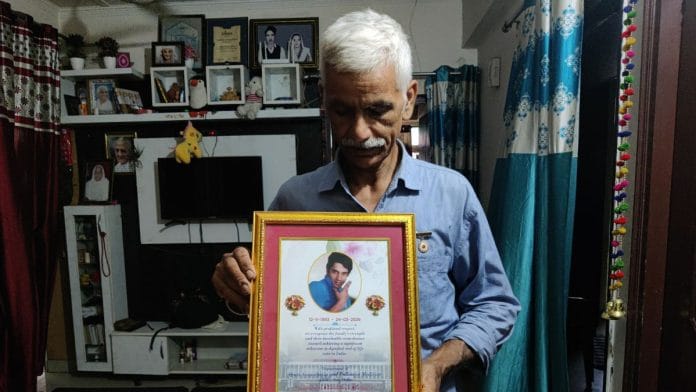

Ghaziabad: Thirteen years is not a short time. In 13 years, Nirmala Rana learned words she had never imagined she would need—“persistent vegetative state”, “life-sustaining treatment”, “euthanasia”. Words that once belonged to doctors and courtrooms and eventually became part of her everyday life. She learned about the different tubes that kept her son’s body alive, and how to insert them. She learned to read his body for signs of discomfort when he could no longer tell her what was wrong. In 13 years, she also learned that it was time to let her son go.
Five months ago, Nirmala and her husband Ashok Rana said goodbye to their son Harish, after the Supreme Court permitted them to stop his life-sustaining treatment, allowing passive euthanasia. It made noise globally. International media outlets and social media timelines were analysing the case. Today, the medical bed and wheelchair that once occupied a room in their Ghaziabad home are gone. The tubes and machines they had stocked up on are packed in cardboard boxes on the balcony. The work that once consumed almost every hour of their day has stopped.
What has replaced it is harder to define. Ashok Rana now spends his days at a food stall, while Nirmala looks after the house and their three-year-old granddaughter. But five months after Harish’s death, Nirmala is still getting used to days that no longer begin with checking on her son.
“My daily work ends quickly now. Without him, it feels like there is nothing to do,” Nirmala said.
An empty room, and what to do with it
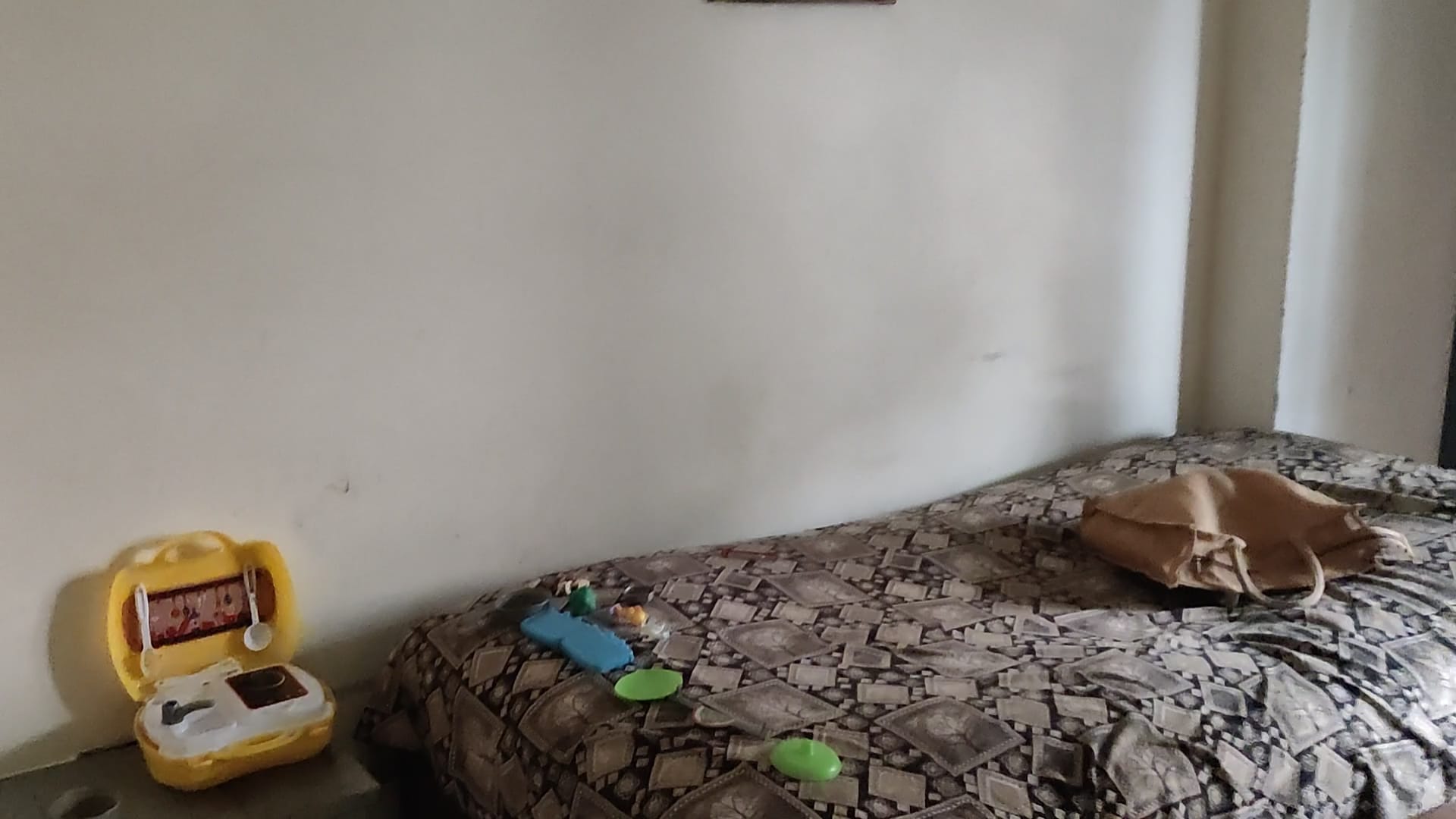
The room where Harish spent so many years is now almost bare. Without meaning to, Nirmala still looks for him where his bed used to be.
“My eyes still go there all the time,” Nirmala said, her eyes darting across the room.
The family is not only grieving Harish, they are also living without the work through which they had expressed their care for him every day. Now, there is no bed to check, no body to turn, no tubes to monitor, no urobag to glance at.
Nirmala used to change his tracheostomy tube. Ashok learned the names and sizes of catheters, urobags and medicines. Their younger son, Ashish, used to bathe Harish, give him physiotherapy and massage him.
For 13 years, those small acts had filled her family’s day.
Harish’s young niece has arranged her kitchen toys around the room now. A child’s play has entered a space that for years belonged almost entirely to illness.
Nirmala does not know what they will eventually do with the room.
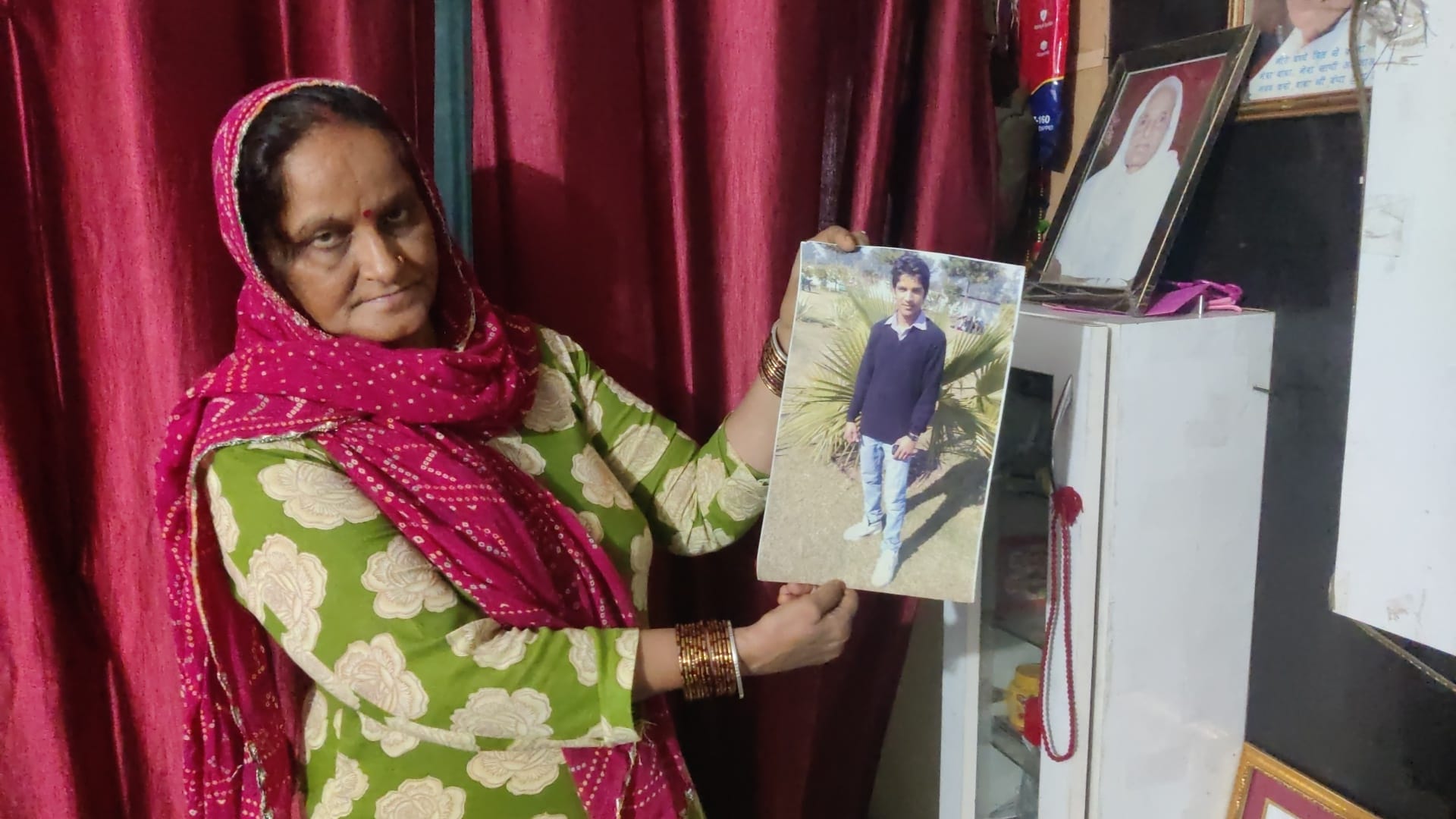
She is trying to find an NGO that can take the pipes, tubes, suction equipment and other medical supplies the family had stocked up on and give them to families who still need them.
“I’ve been trying to give them to an NGO so that people who need them can use them.”
Getting rid of the medical stuff is a way for the family to grieve. To learn what their world would look like without Harish.
But the adjustment to the new life is not confined to the home.
A day without Harish
For the first time in 13 years, Ashok had something resembling an ordinary working day.
His role as a father had always been taking care of things outside the home. Now, he has a small food stall called Poshak Aahar Corner in Rajnagar extension, where he sells sprouts, sandwiches and fruit.
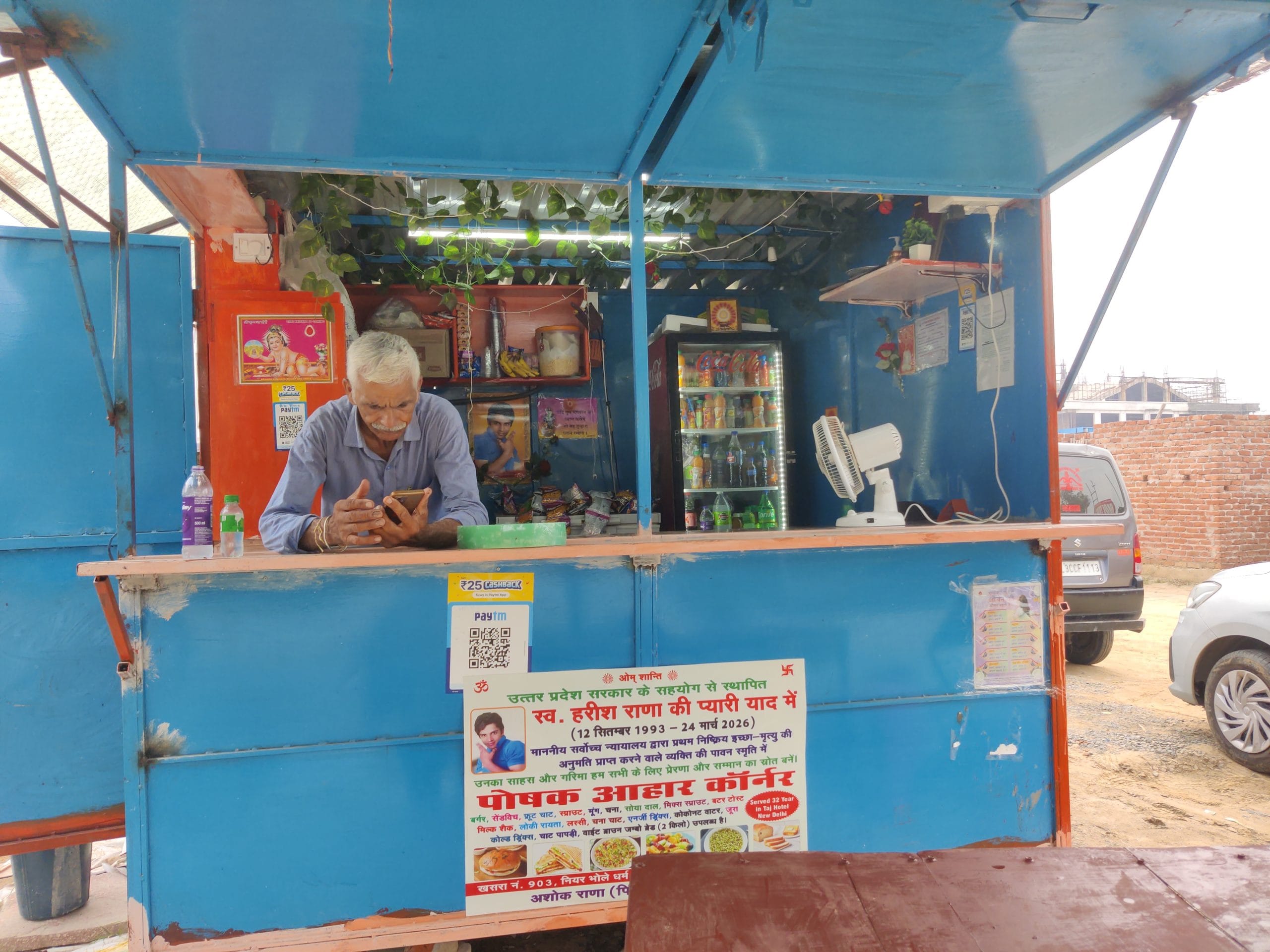
A photograph of Harish hangs inside.
The blue metal kiosk is decorated with fairy lights and plants hanging from the ceiling. Ashok has created the whole space on his own, using what he learned during his 35 years working at the Taj Sats Air Catering.
Outside, a sign says the cart was established with the help of the Uttar Pradesh government and is in loving memory of Harish Rana.
Ashok said he spent around Rs 70,000 on fibre sheets and other appliances for the stall. The kiosk was given to him only 15-20 days ago, after he repeatedly approached the district administration.
He had been promised a shop, he said. Instead, he was given a kiosk. He has visited the district magistrate’s office five times, waiting for hours. Other promises, including a pension, remain unresolved.
Still, the stall has given his day a structure. There are customers to serve, food to prepare and something to wake up for every morning.
For years, the family could not travel anywhere because someone had to stay home with Harish. Recently, Ashok went on the Amarnath Yatra with his younger son.
It was a small freedom, but one that had been difficult to imagine earlier.
Nirmala manages the house and brings their granddaughter home from school. There are household chores, small errands and ordinary parts of family life that had little space when Harish needed constant care.
But ordinary life has not made his absence ordinary.
“The more I think about him, the more I talk about him, the more my heart aches,” Nirmala says.
A life measured by Harish’s needs
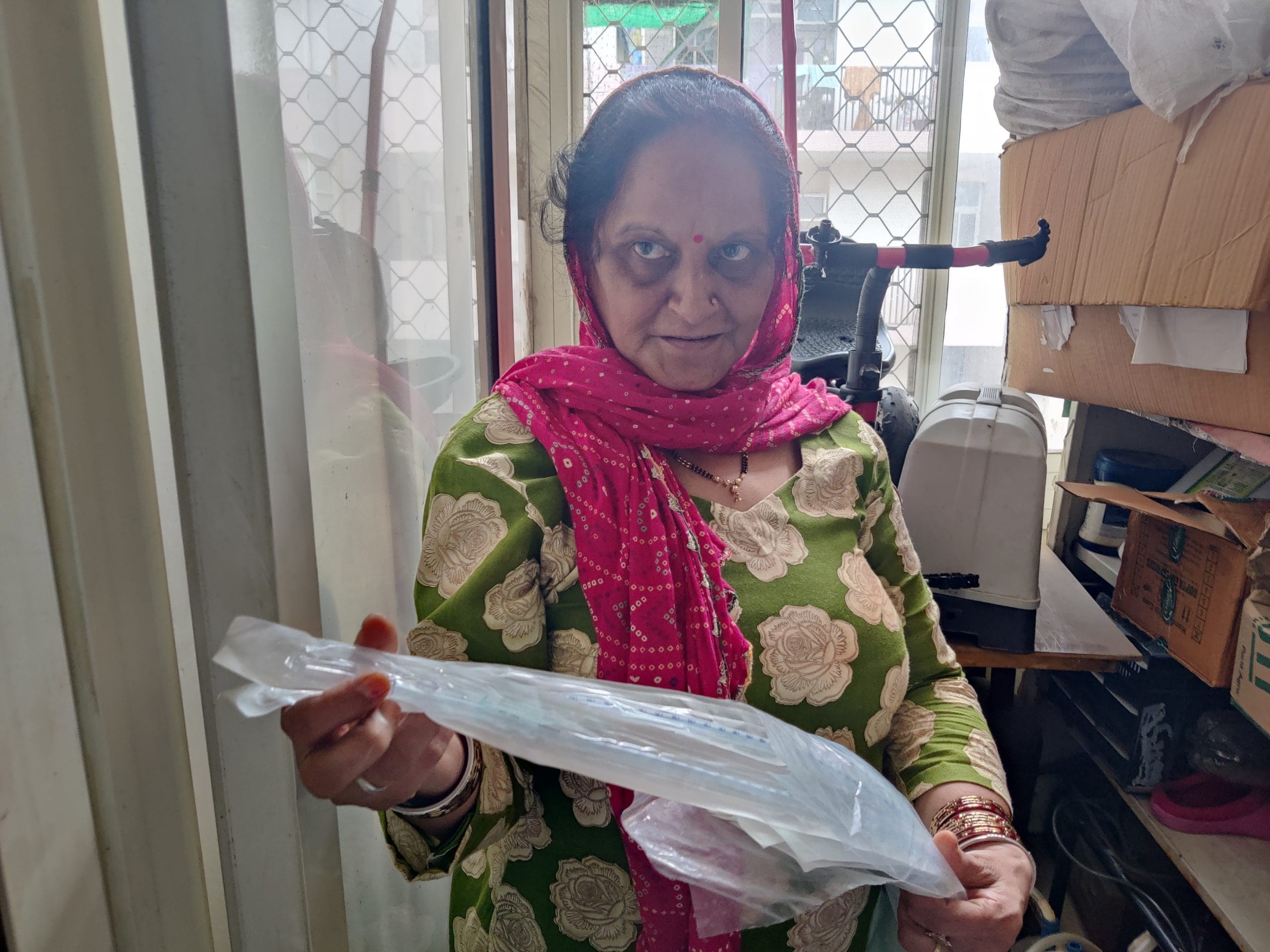
Harish had a PEG tube, which had to be changed through endoscopy, and a tracheostomy tube that needed regular replacement. Nirmala eventually figured out how to do it herself instead of depending on nurses and doctors.
“My wife has become a half doctor,” Ashok said. “The doctor takes money to replace the tracheostomy tube, but she can do it better than nurses now.”
Ashok learned too. He didn’t know what a male catheter was, what the different sizes were, what a urobag was, and so many medicines. But because he used to buy these things, he knows now.
Apart from the routine care, there were unpredictable developments. Over the last year and a half of Harish’s life, he developed severe phlegm and would cough frequently. Nirmala had to clean and suction the mucus herself.
“It used to be so much that sometimes I would pray to God and think, how much pain does he have to go through?” she said. “It used to be so difficult to even see him like that. He couldn’t even tell us when he was uncomfortable or in pain.”
She remembers inserting the suction pipe and wondering if it was causing him pain.
The parents had also started worrying about what would happen to Harish after them. Ashok, 63, and Nirmala, 59, weren’t getting any younger, their daughter was married and lived separately, and while Ashish could have cared for his brother, Nirmala said he too had a life ahead of him.
“Parents never even imagine something like this with their children. We would always worry, what would happen to him if something happened to us? We are also aging now,” she said.
The Ranas had moved from Dwarka to Ghaziabad in 2021, selling their house to make Harish’s medical care more affordable. Their younger son, Ashish, has since moved to Bengaluru for work, but for years he was one of the people who spent the most time caring for Harish. The family had divided the work between themselves. Ashok took care of things outside the house, while Nirmala and Ashish handled much of Harish’s daily care.
The family’s struggle had begun long before they approached the courts. After Harish’s accident, they spent nine days trying to find proper facilities in hospitals. He was put on a ventilator at PGI Chandigarh, but the family was eventually told to vacate the bed.
Harish’s friends and fellow students helped the family raise money for his treatment, eventually helping them get access to AIIMS. But even there they encountered another difficult reality: the country’s premier hospital could not keep a patient like Harish indefinitely.
They had little knowledge of how to care for someone in Harish’s condition at home.
“So we kept a nurse at Rs 28,000, and Rs 28,000 was my monthly salary too,” Ashok said.
For 13 years, the family’s days were organised around keeping Harish alive—feeding him, cleaning him up, giving medicines, changing tubes and monitoring his condition. As the years passed, they began to question whether continuing treatment was helping him.
Harish could not eat, drink or speak on his own. He could not move independently or tell his parents when he was in pain.
“His situation was really bad. There was nothing in his body. I used to feel, what is the point of living like this? When a person can’t eat, can’t speak, can’t drink, when he can’t do anything on his own, what is the point of such a life?” Nirmala said.
They eventually approached the courts seeking permission to withdraw his life-sustaining treatment.
When the Supreme Court allowed it in March, Ashok said the family could barely sleep for two days. He also had to explain to people what passive euthanasia meant. It was not, he said, about actively choosing death. In Harish’s case, food and water were gradually reduced under medical supervision over 11 days.
The Supreme Court, in its 11 March order, said the decision was not about choosing death but about not artificially prolonging life. The court told Harish’s parents: “You are not giving up on your son. You are allowing him to leave with dignity.”
For Nirmala, however, the legal language mattered less than what she had seen over 13 years.
“It is better that this chapter has ended and he is at peace now.”
When private grief became public
For several weeks, the Ranas’ lives were no longer entirely their own. Harish’s case was being discussed everywhere—in courtrooms, hospitals, television studios and homes. Reporters and media personnel camped outside their housing society, the family said, making it difficult for them to move around freely.
The final days were particularly difficult. Harish spent his last 11 days at AIIMS, but Ashok and Nirmala say they could not stay at the hospital because of the public attention around the case. Their younger son, Ashish, stayed with Harish.
For the Ranas, it was a deeply personal and emotional time playing out under national attention. They also became wary of speaking to reporters, saying their words were often misconstrued or presented alongside claims they believed were provocative or untrue.
Then, after nearly a month of being at the centre of public conversations, the attention moved on.
Now, the reporters are gone. The public discourse has gone quiet. But the Ranas remain, trying to adjust to a life without the son whose final days had briefly made their private grief a national story.
Also read: Rasagna Dharmana is making beer a woman’s world—Andhra’s first microbrewery to Goa factory
Still looking for Harish
There is, however, one way in which the family feels Harish’s presence. The Ranas had donated his organs and were recently informed that their son’s eyes are now with someone else. Nirmala longs to meet that person.
For Ashok too, that has become a source of comfort.
“He is still alive for us. We can’t see him, but his eyes are still seeing the world through someone. Someone has benefited, so he is alive for us,” he said.
Harish’s death has also given Ashok something he had not had for years: time to look beyond the next medical emergency.
Harish had been a bright civil engineering student in the last semester at Chandigarh University when he fell from the fourth floor in 2013. Ashok said he never got satisfactory answers about what happened, but those questions no longer occupy every hour of his day.
Instead, Ashok spends some of that time listening to WhatsApp voice notes from the lawyers and doctors who helped the family through the case. They continue to update him about similar cases emerging in different parts of the country and how courts are looking at Harish’s case.
His lawyer told him that Harish’s case is helping establish a precedent for others.
“This in itself is a very big win and it is only because of Harish and because of you all who have worked so hard for this,” she said.
Ashok listened quietly.
“Whatever happened, happened for good,” he said. “Now he has opened the door for other people in the future.”
The Rana family has watched the public conversation around Harish’s case continue online. Nirmala is particularly wary of people treating the Supreme Court judgment as a template that can simply be applied to every family caring for someone in a similar condition.
She recalled seeing a comment directed at a woman whose husband was in a similar predicament. Someone had asked why she did not seek the same legal path as Harish Rana’s family.
“But why should she do that?” Nirmala asked. “When she is young, and her husband has consciousness.”
For the Ranas, Harish’s case was shaped by his particular condition, 13 years of caregiving and their own fears about what would happen to him once they were gone.
Ashok hopes the legal precedent will make the path easier for families who find themselves in similarly impossible situations.
He believes Harish’s name has gone down in history, not simply as a man at the centre of a passive-euthanasia case, but as someone whose long illness forced the legal system to confront a question other families may one day face.
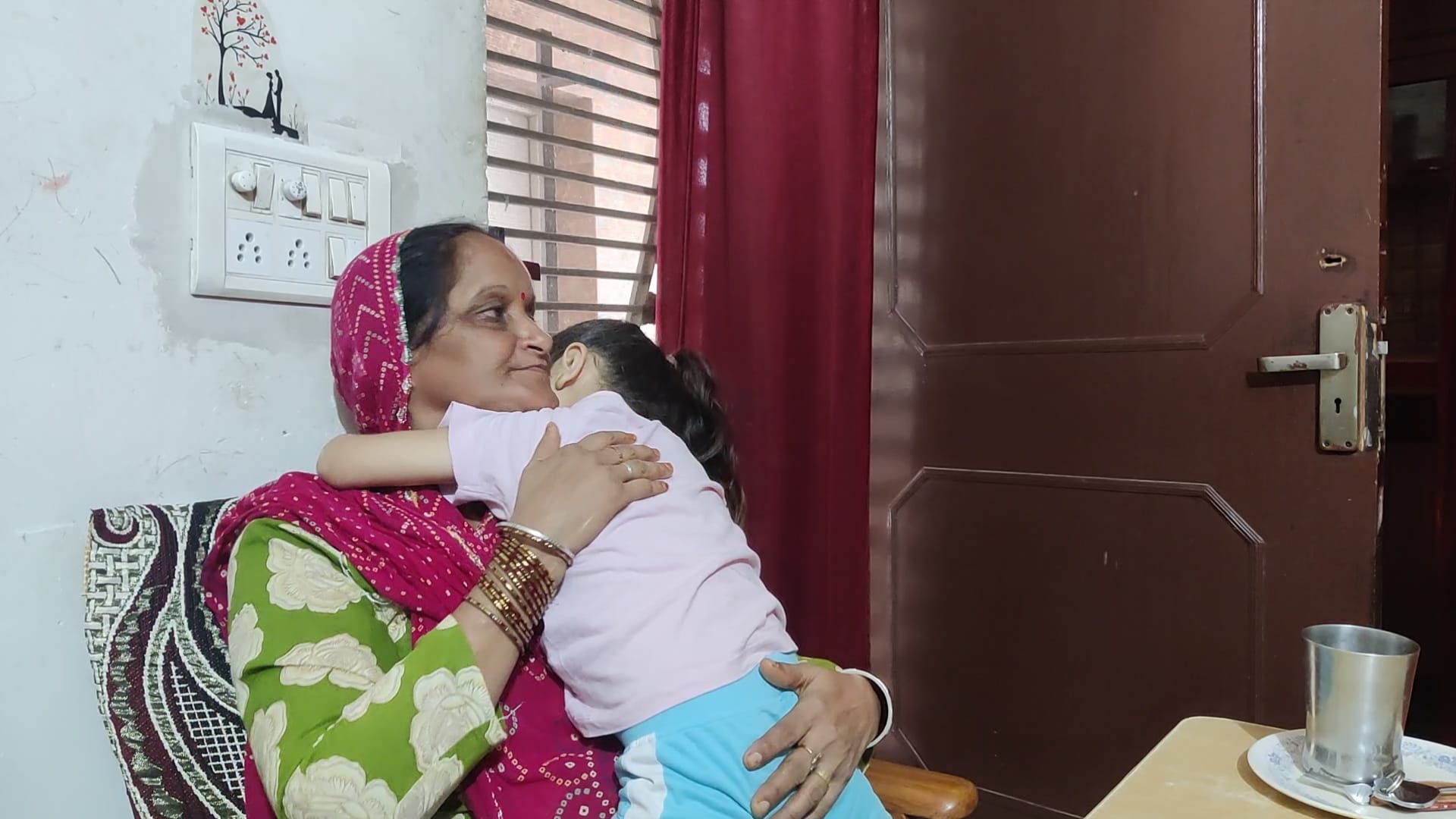
For 13 years, his parents’ lives were organised around keeping their son alive. Now, the fight is over. Ashok has a stall to run. Nirmala has a home to manage and a granddaughter to take care of.
They are learning, slowly, what to do with the hours that once belonged to Harish.
(Edited by Ratan Priya)