





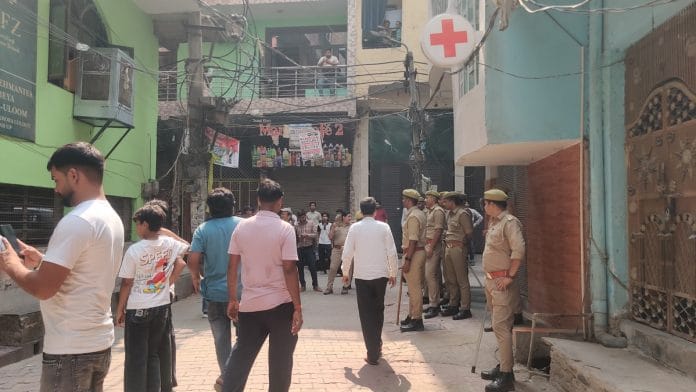


Ghaziabad: Five days after 17-year-old Surya Pratap Chauhan was allegedly stabbed to death by his neighbour Asad on BakrId, Khoda’s Navneet Vihar wore its anger in the open. Saffron flags fluttered above narrow lanes as chants of ‘Jai Shri Ram’ and demands for justice veered into anti-Muslim slogans. In adjoining alleys, Muslim families stayed out of sight behind shuttered gates. They condemned the murder and demanded justice for Chauhan too, but feared one man’s crime had been laid at the door of an entire community.
The main accused, Asad, was killed in a police encounter and three others have been arrested, but the case is no longer just about the stabbing. The administration has sealed Asad’s house ahead of a June 15 eviction deadline, declared three local madrasas unauthorised, and deployed drones to monitor a search drive for history-sheeters. Bulldozers razed encroachments in the market on Wednesday. On the streets, the Hindu Raksha Dal, Rashtriya Hanuman Dal, and Hindu Yuva Vahini are marching through the lanes and demanding the closure of every mosque and madrasa in the area.
“We are also shocked by the incident and we supported the encounter and the action taken by the police and government,” said a Muslim resident who runs a chemist shop near one of the madrasas. “But why are they punishing the entire community and treating everyone as guilty?”
In Khoda’s narrow lanes, Hindu and Muslim families live door-to-door, separated by little more than a wall or a staircase. Now, a communal gulf has opened. Biryani outlets and several Muslim-run shops have downed their shutters. Police personnel guard every corner, rifles slung across their shoulders and stopping people from gathering in large numbers.
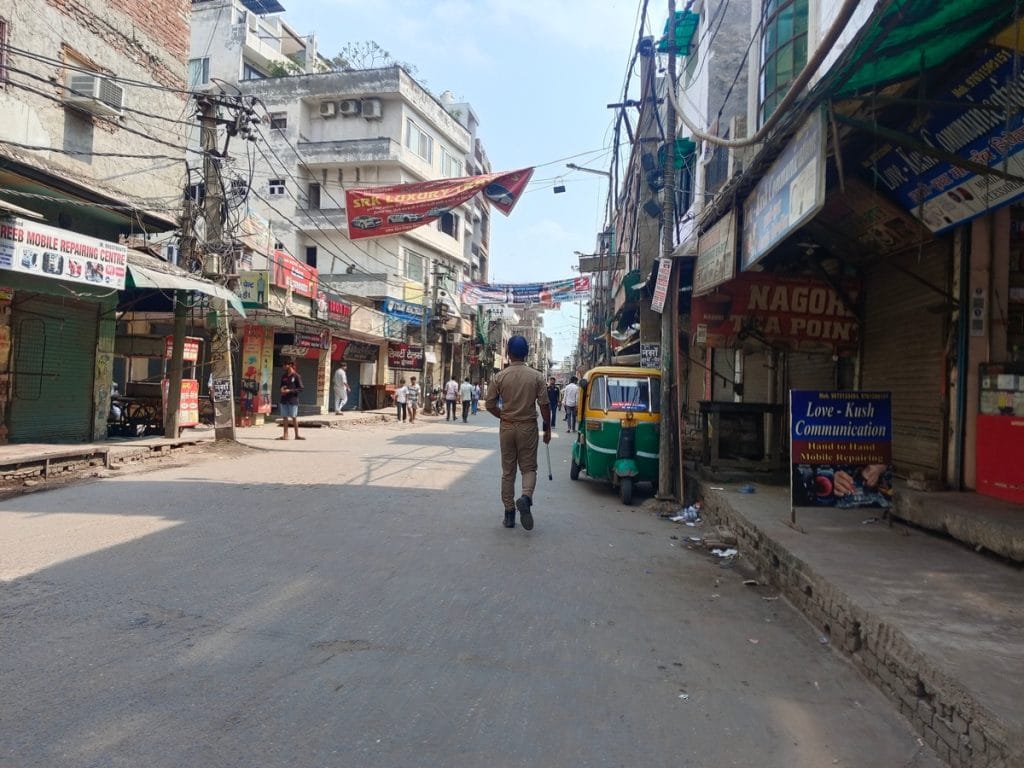
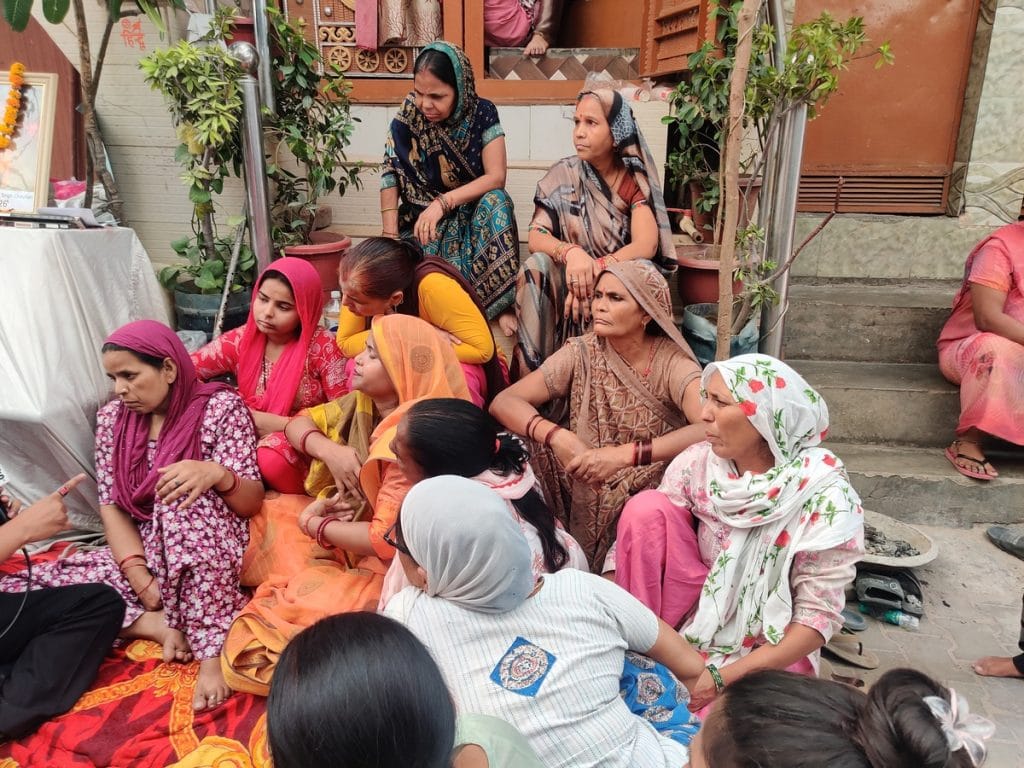
But the lane where Chauhan lived is the exception. It stays crowded with Hindu groups, political leaders, and people demanding justice for Chauhan, who was allegedly stabbed by Asad last Thursday and died at Fortis Hospital the following day. Asad was killed in a police encounter on Saturday and police have arrested three other accused —Asad’s associates Farhan and Atif, as well as his father Nawab — alleging they were part of a conspiracy to attack Chauhan after a dispute over a motorcycle. A fifth accused remains absconding.
Grief is no longer the only emotion in the air. A member of a Hindu group shouts for “desh ki safai” (cleaning the country) by driving out Muslims. A woman standing nearby chimes in, saying “only crime is taught at madrasas”. Others in the crowd call for mosques to be burned.
“It is not about one case anymore. Now we have to fight to save our future generations. Every masjid and madrasa here should be shut down. That is where they produce criminals,” said 32-year-old Govinda Gupta, a member of the Hindu Raksha Dal, a saffron scarf draped around his neck.
Family members and neighbours alleged that not a single Muslim resident had come to offer support after the killing and that’s what made them angrier.
This is what justice has become — blaming and abusing an entire community for one incident
-Ashraf Sheikh, Khoda resident
Beyond this lane, curtains stayed drawn. Muslim families largely avoided speaking publicly about the incident. Many had not reopened their businesses since Thursday. Residents said they couldn’t offer condolences even if they wanted.
“Even if we tried to step into that gali, they started shouting at us, pushing us and abusing us — ‘suar’, ‘kutte’, ‘yahan se niklo’,” said Amir, who runs a biryani shop in the area. “After that, we stopped going there.”
Also Read: In NCR high rises, EWS residents face daily discrimination—security, sanitation to park access
‘A lesson for Hindus to stay united’
The circumstances leading up to Chauhan’s death are still murky. Witnesses agree on one thing: he and Asad had been arguing on and off for several hours before the stabbing.
“They were fighting near the market area first, and some people asked them to leave from there,” said Arti, a resident who had seen the group several times that afternoon. “I saw them arguing again and again. Then they disappeared into another lane.”
Chauhan’s family denied that he had any close friendship or rivalry with Asad, but several residents said the two had often been seen together over the years.
“I have seen Surya near Asad’s house many times,” said Asma Ansari, sitting outside her home, located on the same lane as Asad’s. “It is normal here. Boys hang out together, they fight, they patch up. Nobody imagined it would end in a murder.”
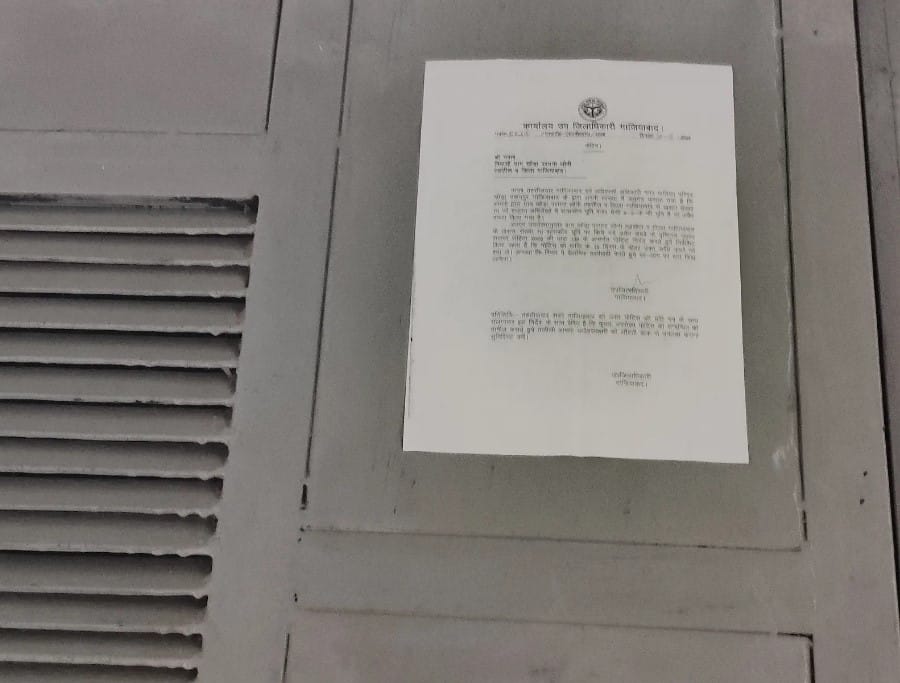
Nearby, a crowd photographed the eviction notice for 15 June pasted on the gate of the two-storey house where Asad lived with his parents and sister.
“Not only these houses, their ancestral homes in other districts of Uttar Pradesh should also be demolished,” said Chauhan’s mother Saroj.
After the killing, rumours spread about the reason for the dispute, including claims that Chauhan was involved with Asad’s sister. Saroj Chauhan, strongly rejected that theory.
“These stories are being made up now to target my son and distract from the justice he deserves,” she said. “Why would my son be involved with [Asad’s] sister? Don’t we have women in our community?”
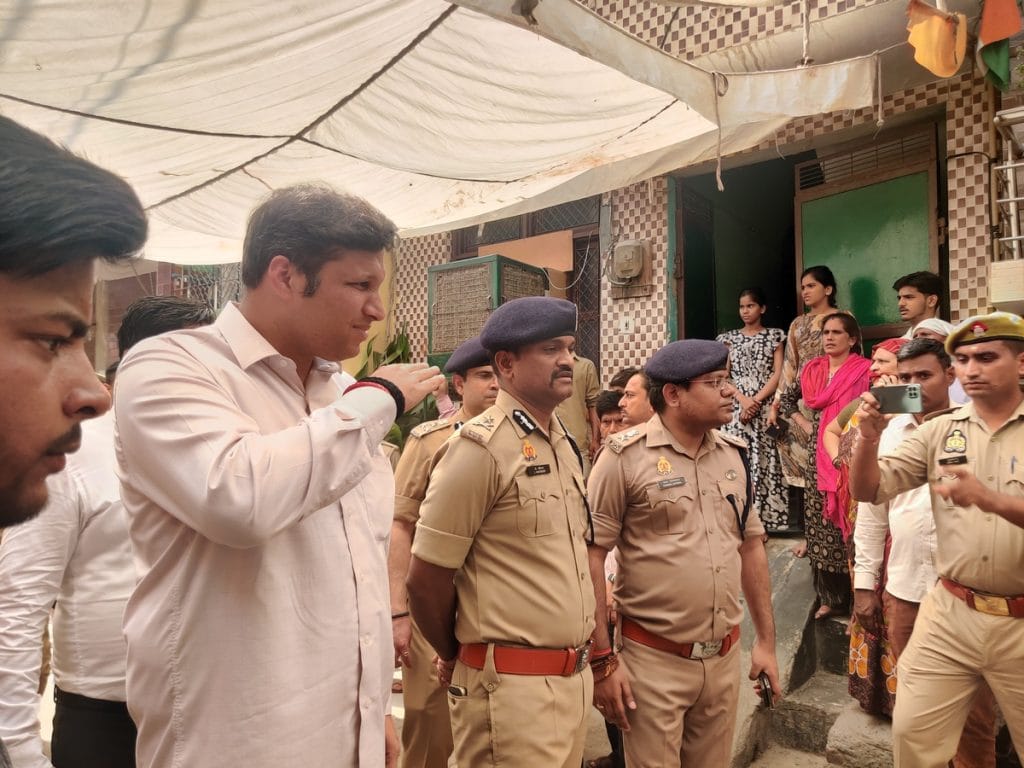
A 19-year-old witness, who requested anonymity, said the day began like any other afternoon. The boys rode through market lanes on motorcycles, stopped at shops for snacks, and spent hours together. The quarrel, he claimed, began over who would ride the motorcycle first.
After arguing, Asad took Chauhan into another lane, saying he wanted to talk, and several others followed, added the witness.
“They surrounded Surya. Around seven boys were there,” he alleged. “One of them passed a knife. After that, he was attacked. He fell down.”
According to him, Chauhan tried to run after the first attack but was caught again.
“At first people thought it was just another fight between boys,” he said. “Then suddenly everyone realised something serious had happened.”
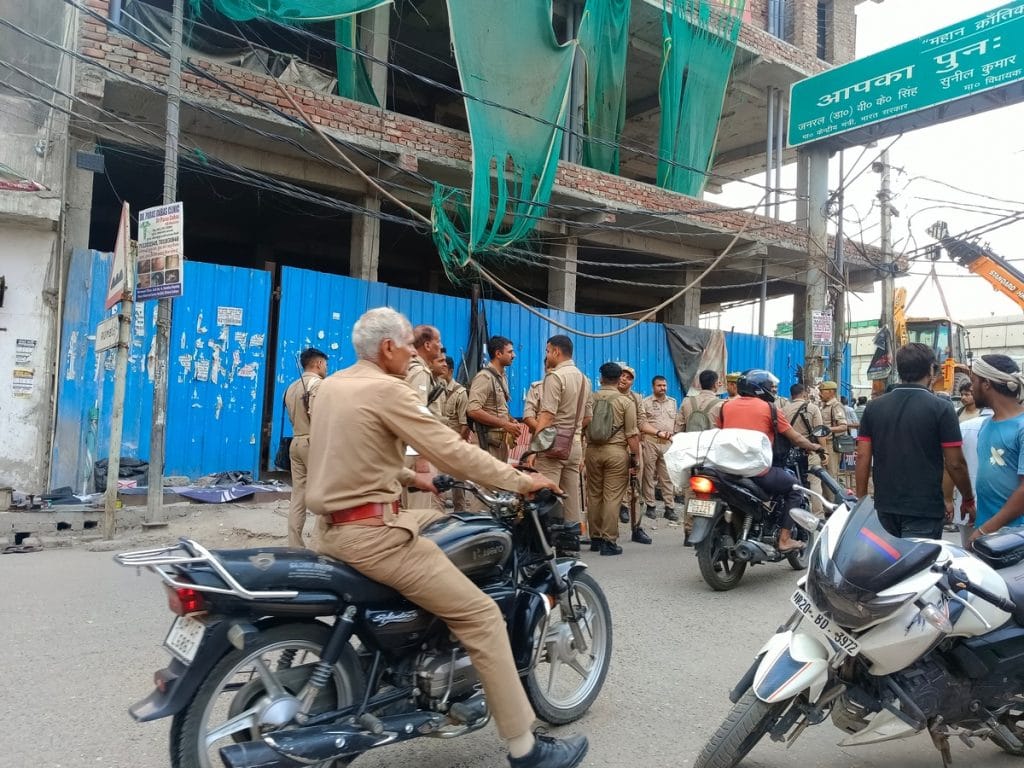
The lane has since been washed clean. No trace of blood remains. Residents are still piecing together that afternoon from what they saw, heard, or were later told.
Police maintain that the murder was not premeditated. DCP (City) Dhawal Jaiswal told ThePrint that Chauhan and Asad knew each other and were friends.
“The argument broke out between the two over riding a bike, which angered the accused, following which, he retaliated with an attack, and stabbed him. This was not a preplanned murder,” he said.
Police officials said the other accused allegedly held Chauhan down during the attack. Nawab, Asad’s father, was also taken into custody on suspicion of involvement in the murder. Police said they are reviewing CCTV footage and questioning eyewitnesses as the investigation continues.
We will start tying pigs outside our houses to keep these people away. We don’t want them in Khoda or in our Hindu rashtra
-Tushar Gupta, member of the Rashtriya Hanuman Dal
“Three other individuals present at the spot have been arrested. Asad’s father has also been taken into custody after being found allegedly associated with the murder. Further investigation is underway,” ACP Abhishek Srivastava told ThePrint.
What police describe as a dispute between acquaintances has, in the days since, hardened into a communal fault line.
“We told our children many times not to be friends with Muslims,” said 60-year-old Premvati, standing among the crowd outside Chauhan’s house. “Now see what has happened. This is a lesson for Hindus to stay united.”
Also Read: Hindus are worshipping pigs now in this Delhi neighbourhood. Muslims are the target
Backlash and bulldozers
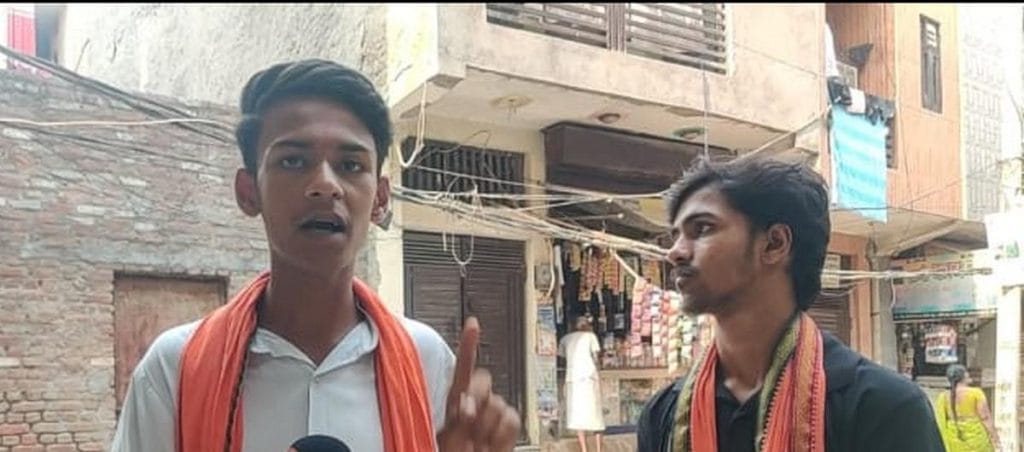
Wearing saffron scarves and tilaks, a group of young men marched through Khoda’s lanes, moving from corner to corner as police personnel stood by and watched.
“We will start tying pigs outside our houses to keep these people away. We don’t want them in Khoda or in our Hindu rashtra,” said Tushar Gupta, who is associated with the Rashtriya Hanuman Dal, as the procession moved ahead.
Near Chauhan’s house, an elderly man in a skullcap tried to walk down the lane. Before he could get far, a group of young men blocked him and pushed him back, shouting communal slurs at him.
“This is how we are treated now, in our own place,” said the man, 62-year-old Ashraf Sheikh, later. “This is what justice has become — blaming and abusing an entire community for one incident.”
A senior official on the ground said that on account of the communal tension, residents had been instructed not to gather in groups, particularly members of the Muslim community, and that shops had been advised to remain closed temporarily.
The Ghaziabad police and district administration have also launched ‘Operation Clean Sweep’, an anti-crime drive across the locality to round up history-sheeters, including those out on bail and those who have already served their sentences. Drones are being used for surveillance and an anti-encroachment drive has started.
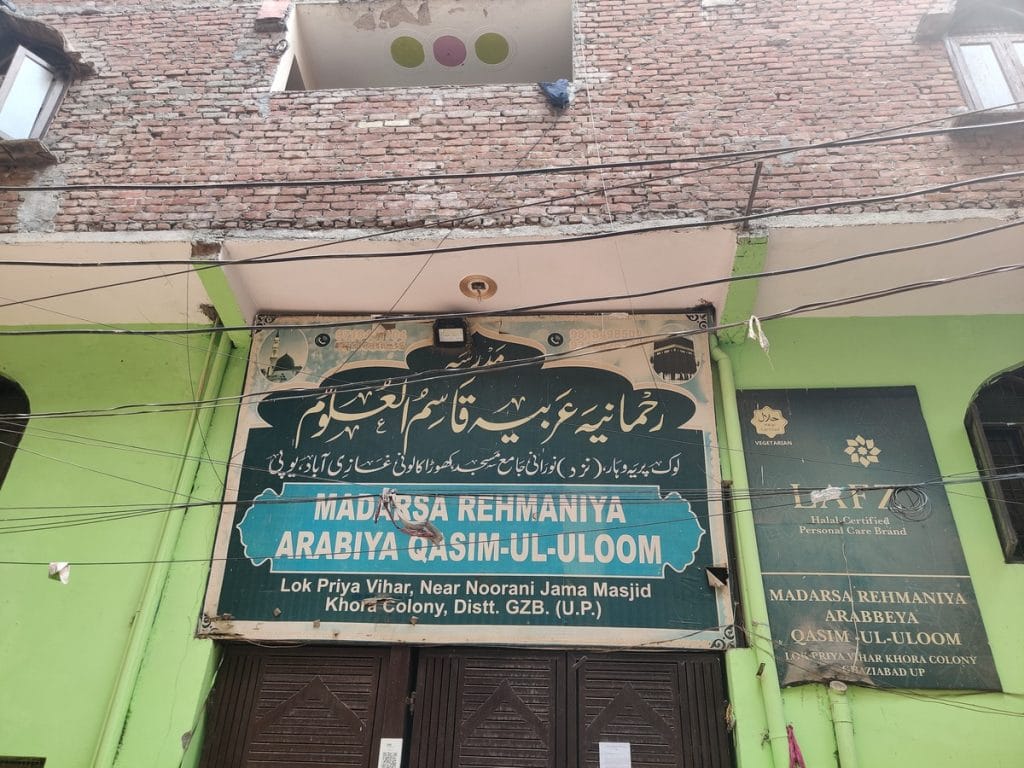
On Monday, the administration sealed three madrasas in Khoda saying they were unregistered with the Uttar Pradesh Madrasa Board. One of them was the Madrasa Rehmania Arabiya Qasim-ul-Uloom. Once filled with the sound of Quranic verses, it now lies silent, its gates locked and sealed, with an official notice pasted on the entrance.
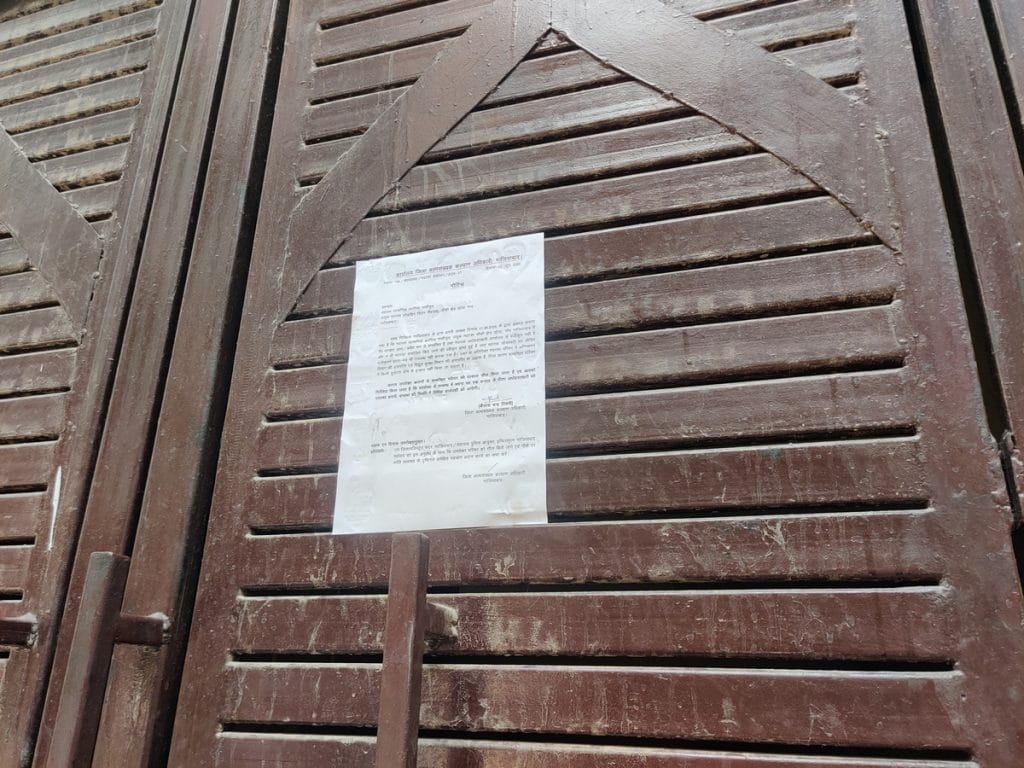
“This madrasa has been running for more than 30 years. We pay electricity bills, so how can it suddenly be declared illegal overnight?” said Imam Shafikul Rehman.
On Wednesday, bulldozers razed shops said to have built over public land in Khoda market. Pending actions in the district have picked up pace. Further afield the same day, the Ghaziabad administration also demolished a sealed madrasa that was occupying government land in the Mussoorie area.
Most Muslim residents in the area refused to discuss the case, with some saying police had advised them to avoid speaking to mediapersons.
“They started with one case, and now they are sealing madrasas one by one. Tomorrow they will call our homes illegal too and throw us out,” said a 60-year-old resident leaving a local masjid. “Is this what justice has become in India—judgement based on religion?”
(Edited by Asavari Singh)
It was never Hindu Muslim issue but when the Muslims start playing victimhood and justifying a crime collectively as a zombie It becomes a Hindu Muslim issue what length they have gone what they can do for it.On government action if they have encroached or running unregistered madarasas they must take action and if have issues go court after all how big purse the waqf and the Muslims have we have seen in the Iran conflict.