



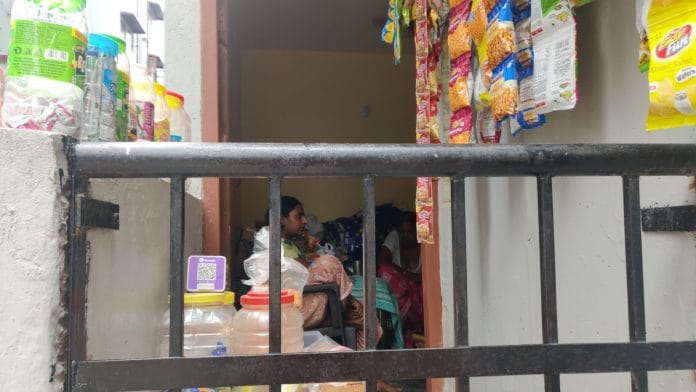
New Delhi: Hundreds of slum dwellers in Delhi are holding on to two sets of keys—one to the jhuggis where their families have lived for generations, and another to flats allotted to them nearly 50 kilometres away.
Many have moved their belongings in their new homes, but continue to live in the three jhuggi clusters of BR Camp, Masjid Camp and DID Colony. They live along Race Course Road, close to Lok Kalyan Marg and the Delhi Race Club in Delhi’s most prestigious VIP, high-security neighbourhood. They are Prime Minister Narendra Modi’s neighbours.
For them, the flat solves one problem: a house. But moving there raises another—how to continue earning a living.
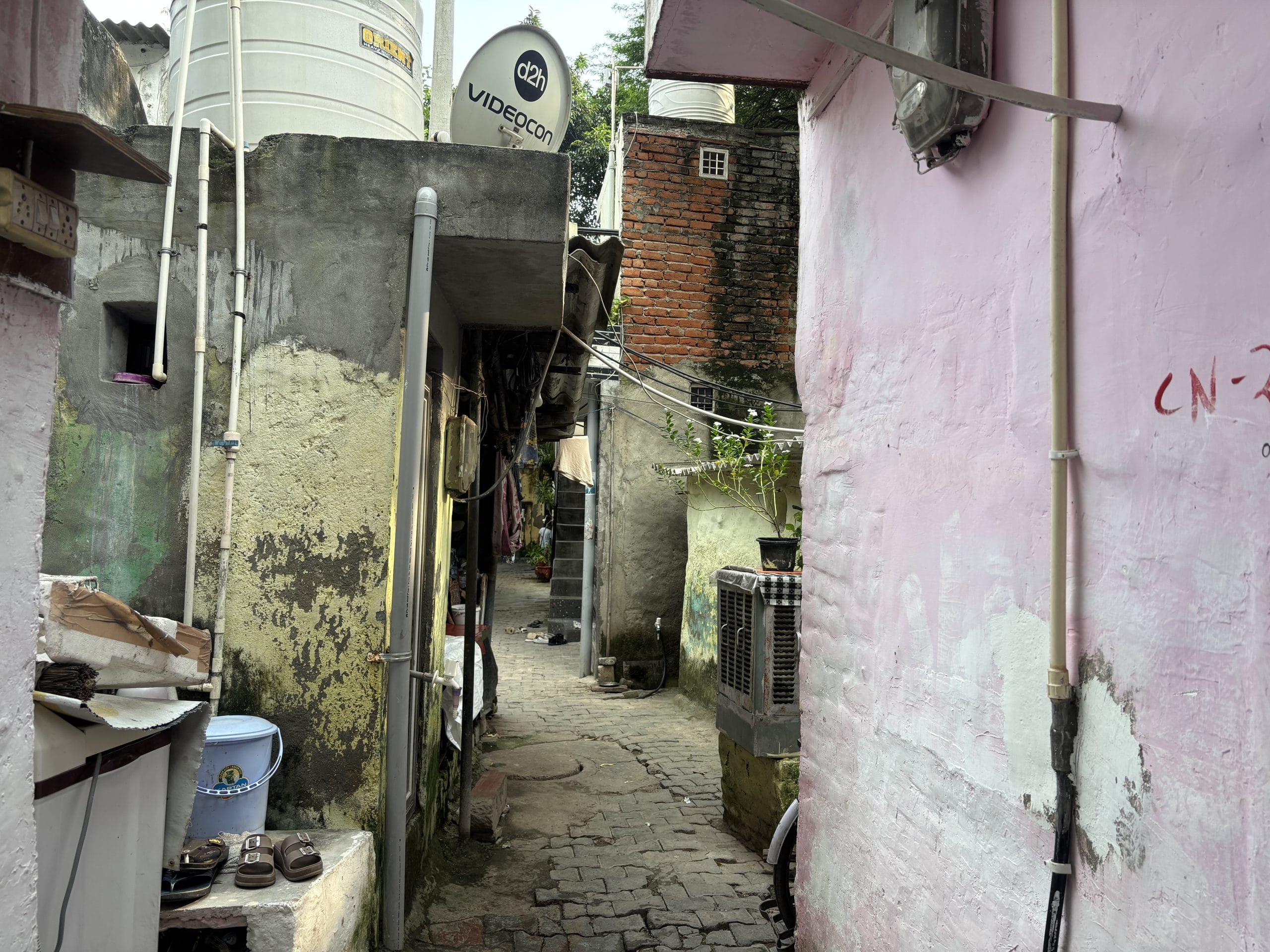
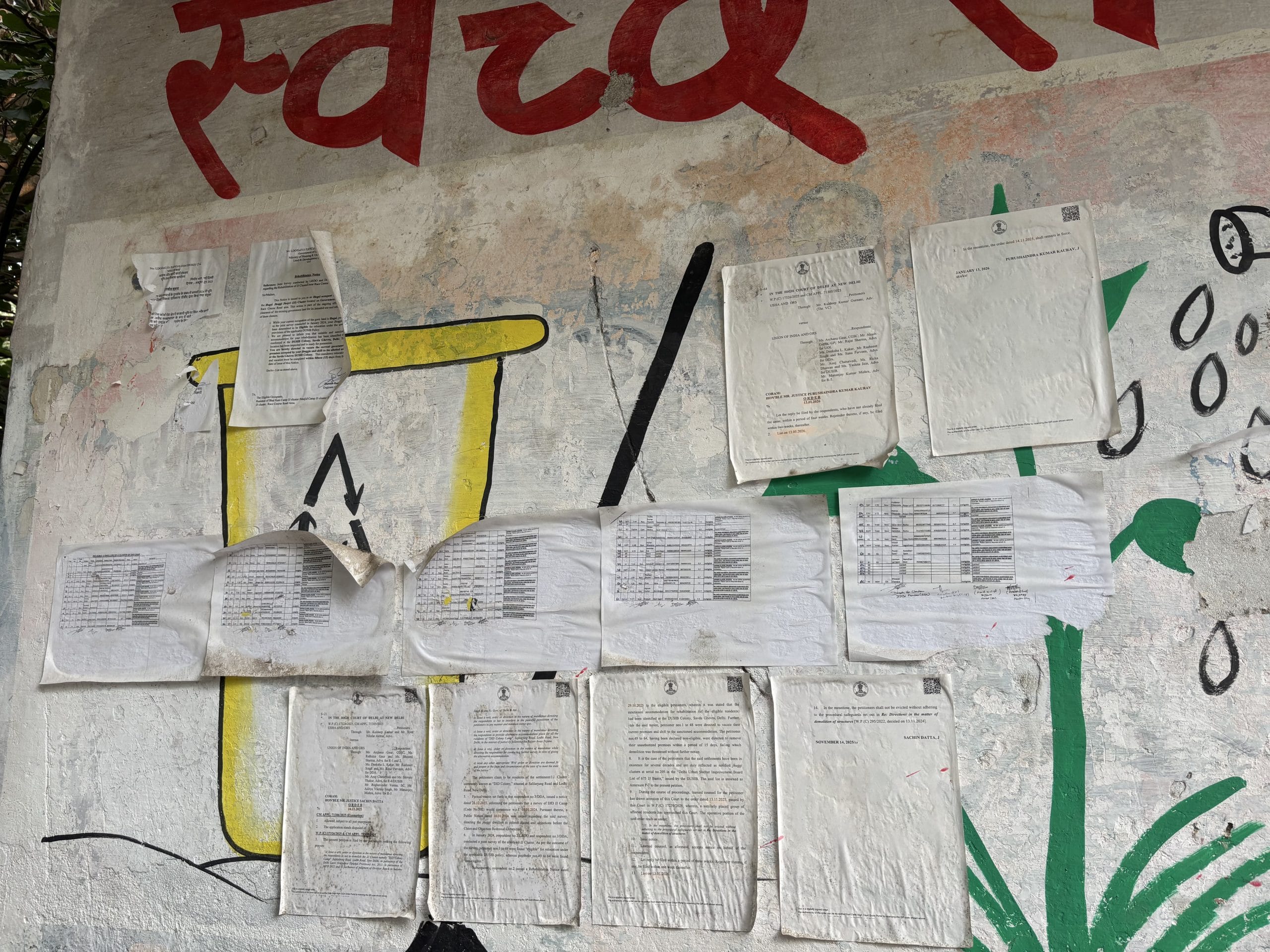
It is a dilemma hanging over around 700 families, many of whom work in and around central Delhi as domestic workers, sanitation workers, drivers, tailors and employees at nearby hospitals, clubs and private establishments. The upheaval is already visible. The narrow lanes lie quiet and empty, walls are plastered with eviction notices and an X sign in red outside the house marks residents as illegal occupants. Several families have left; others remain to see what happens next.
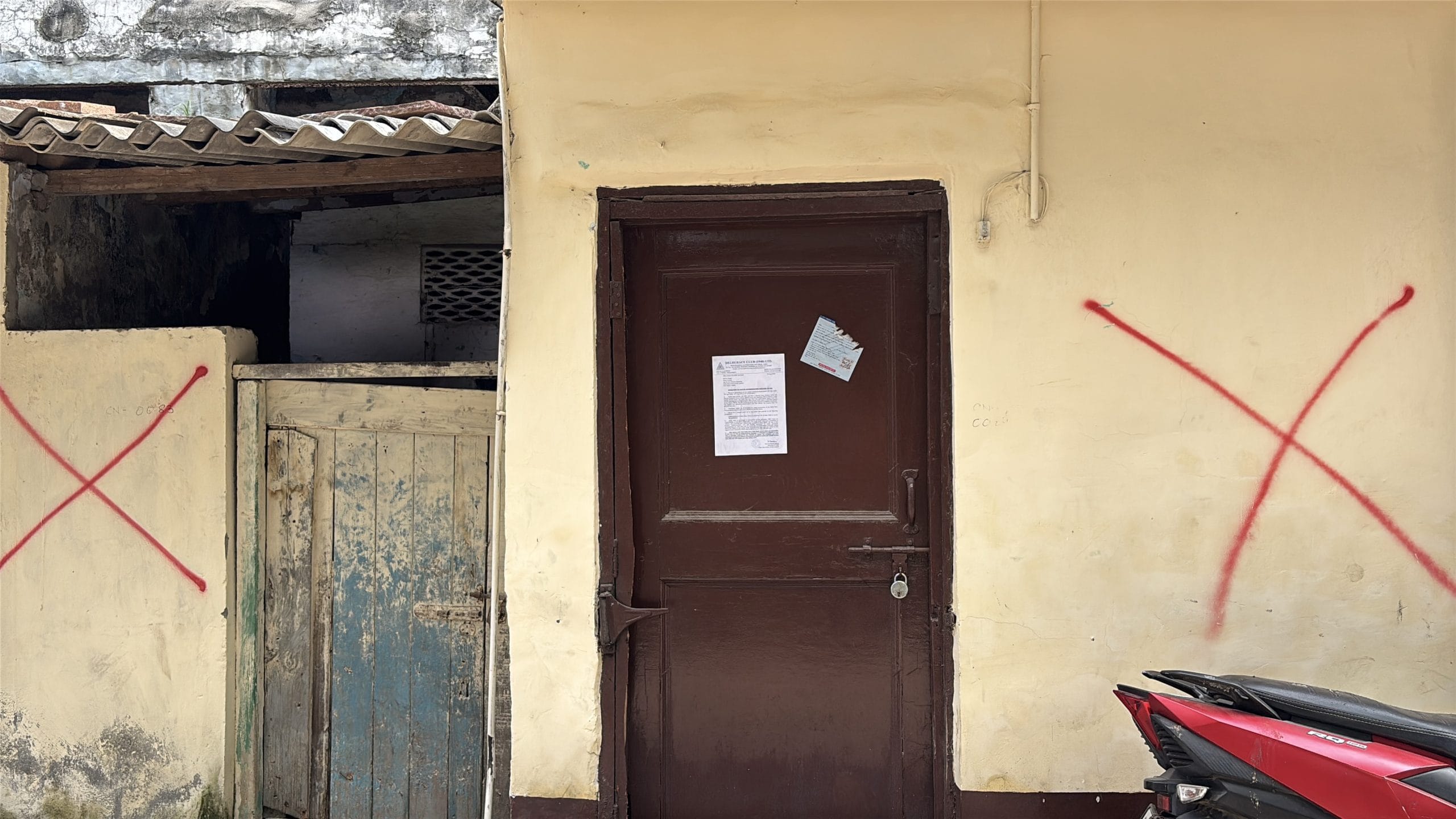
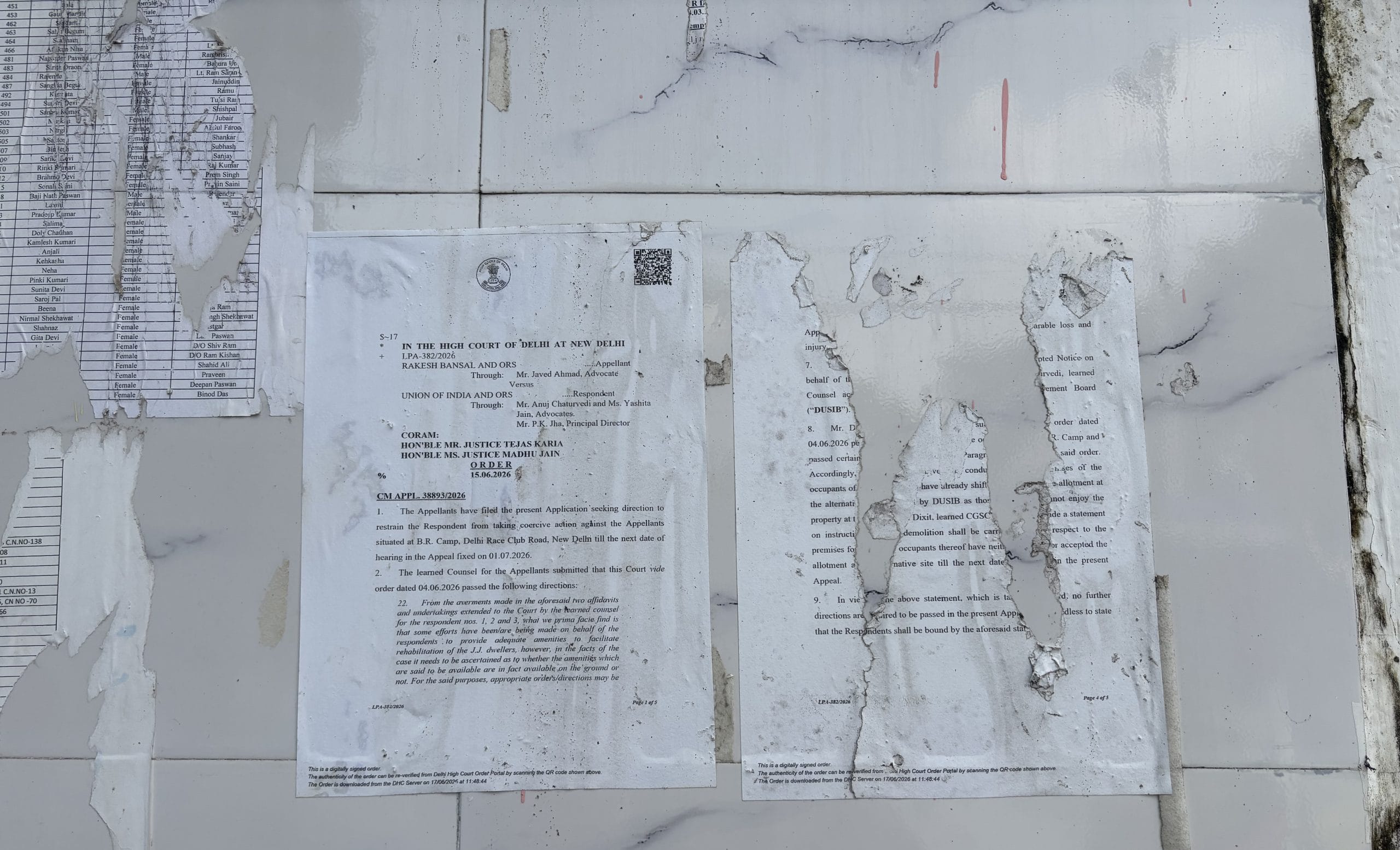
On August 25, the Delhi High Court passed an order upholding the government’s decision to evict the families and relocate them to Savda Ghevra, around 50 km away on the city’s outskirts. The division bench of Chief Justice Devendra Kumar Upadhyaya and Justice Tejas Karia gave residents six weeks to vacate, rejecting their challenge to the eviction process. The Modi government argued that the settlements fall in a protected zone close to an operational Air Force Station and that it needs the land to strengthen defence infrastructure and for other public and security purposes.
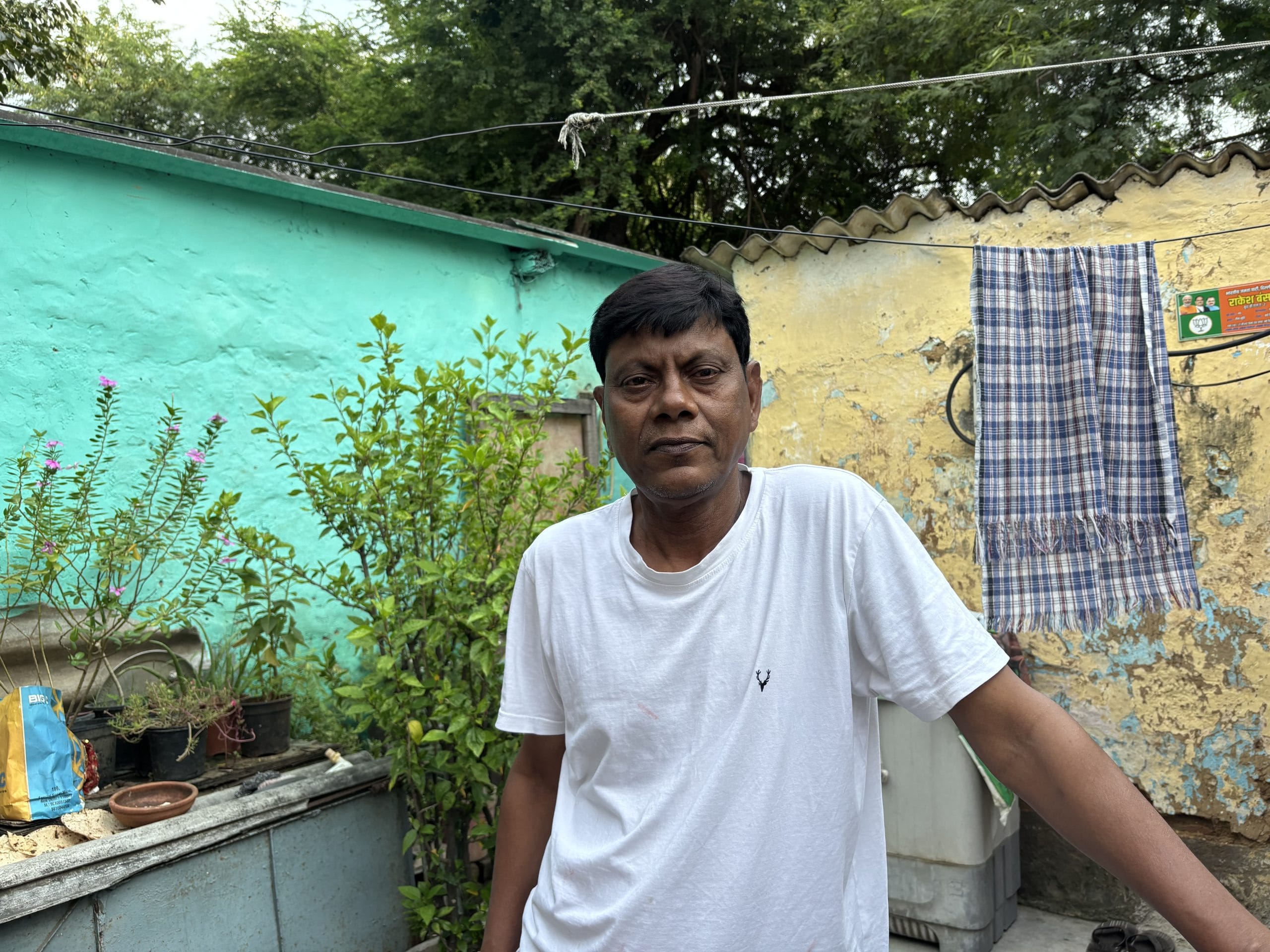
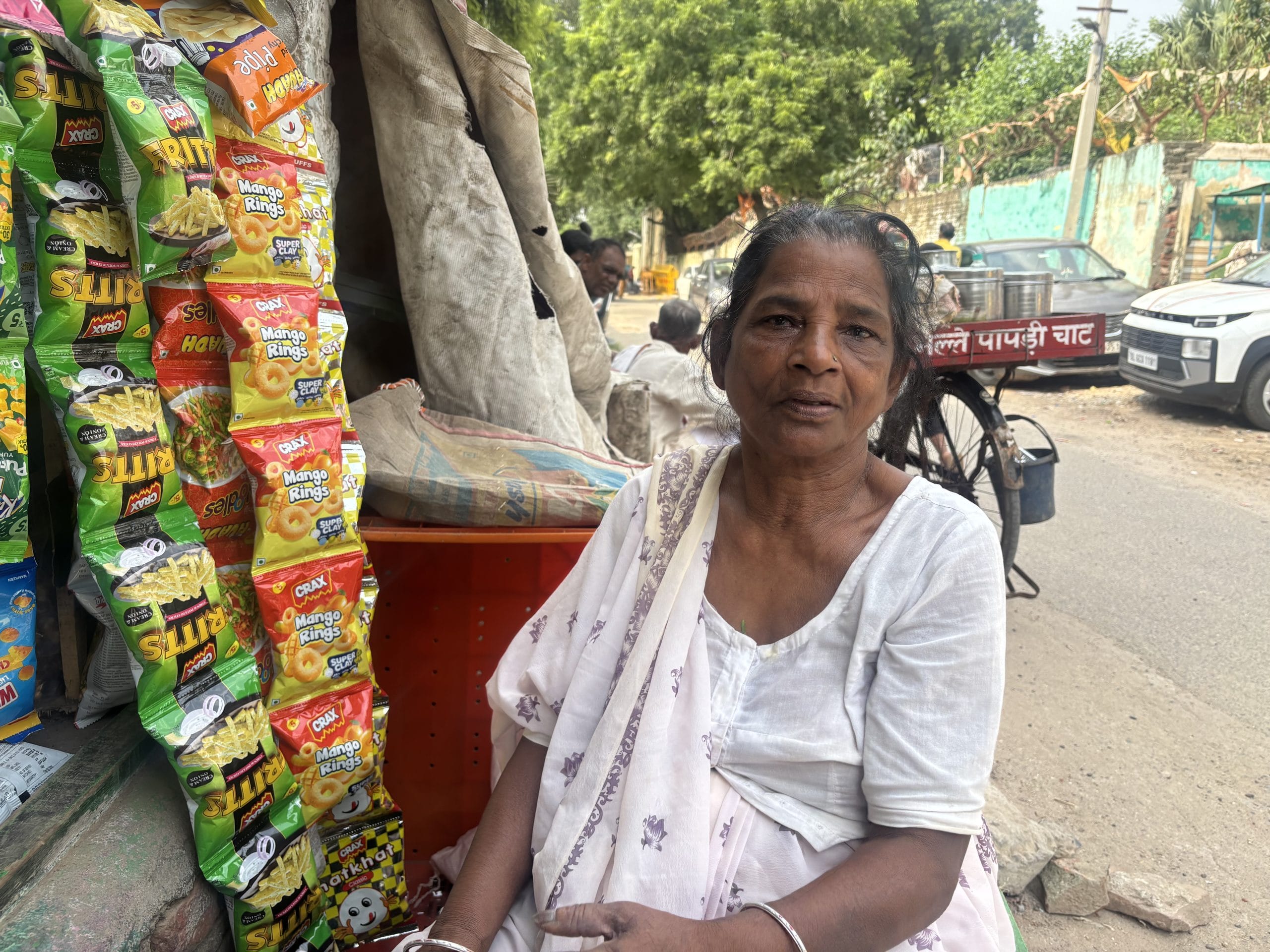
Among those still waiting is Rajkumari, a DID Colony resident. She has six weeks to figure out what happens next to the education of her four children, studying in Classes 4, 8, 9, 10.
Rajkumari said her name has repeatedly failed to appear on the list of families being rehabilitated.
“So where will all of us go?” she asked. “When politicians come here for votes, they make big promises about how they will never let anything happen to our homes. What happened to the ‘jahan jhuggi wahan makaan’ promise?”
Also read: The politicians who built Delhi’s Wazirpur slum. Its jhuggi to JCB story
A journey of three Metro changes
For residents of the three clusters, the distance to Savda Ghevra isn’t just a number on a map and they don’t see it as rehabilitation either. They say they have been plucked from their homes and flung far away.
Ruksana, a 32 year-old resident of BR Camp, travelled to Savda Ghevra for the first time only a few days ago. It took her more than two hours and three Metro changes to reach the rehabilitation site.
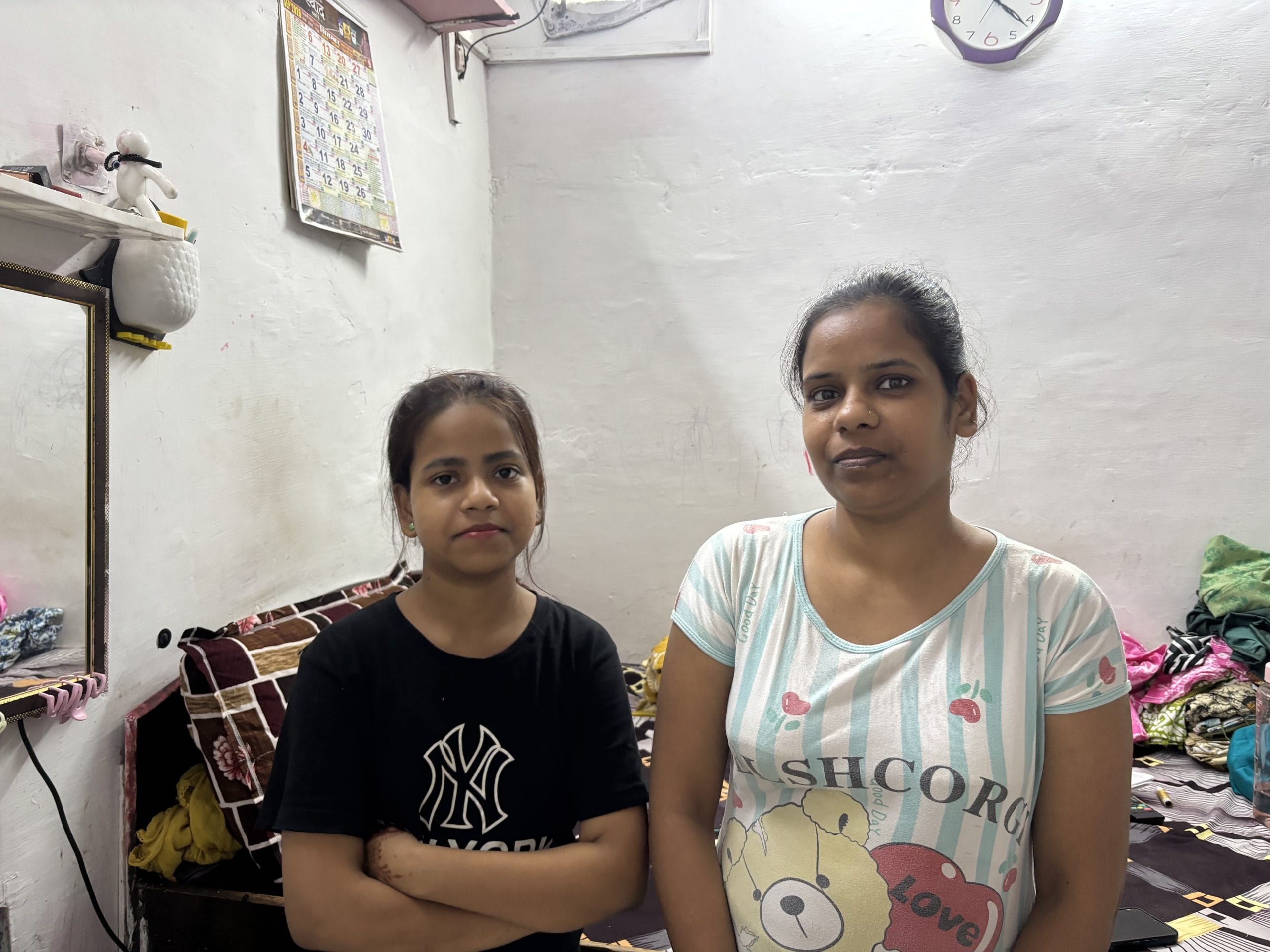
“We even got lost on the way,” she said.
Her mother has worked as a sanitation worker at Krishi Bhawan for 15 years and earns Rs 12,000 a month. Her husband works in hospitality near Sarojini Nagar.
“If we move to Savda Ghevra, I don’t think my mother will be able to come to work here,” Ruksana said. “She is getting older. She cannot travel so much every day by Metro or bus.”
Ramesh Kumar, a resident of BR Camp, said many families earn between Rs 20,000 and Rs 25,000 a month. The short distance between home and work currently keeps their travel costs low.
From Savda Ghevra, he said, residents would first have to travel several kilometres to reach public transport before beginning the long journey back towards central Delhi.
“When will they reach home? When will they rest?” he asks.
For Ruksana, the move would also mean leaving a place her family has known for generations. Her grandparents lived in BR Camp. Her father was born there. So was she.
A house for life, but with conditions
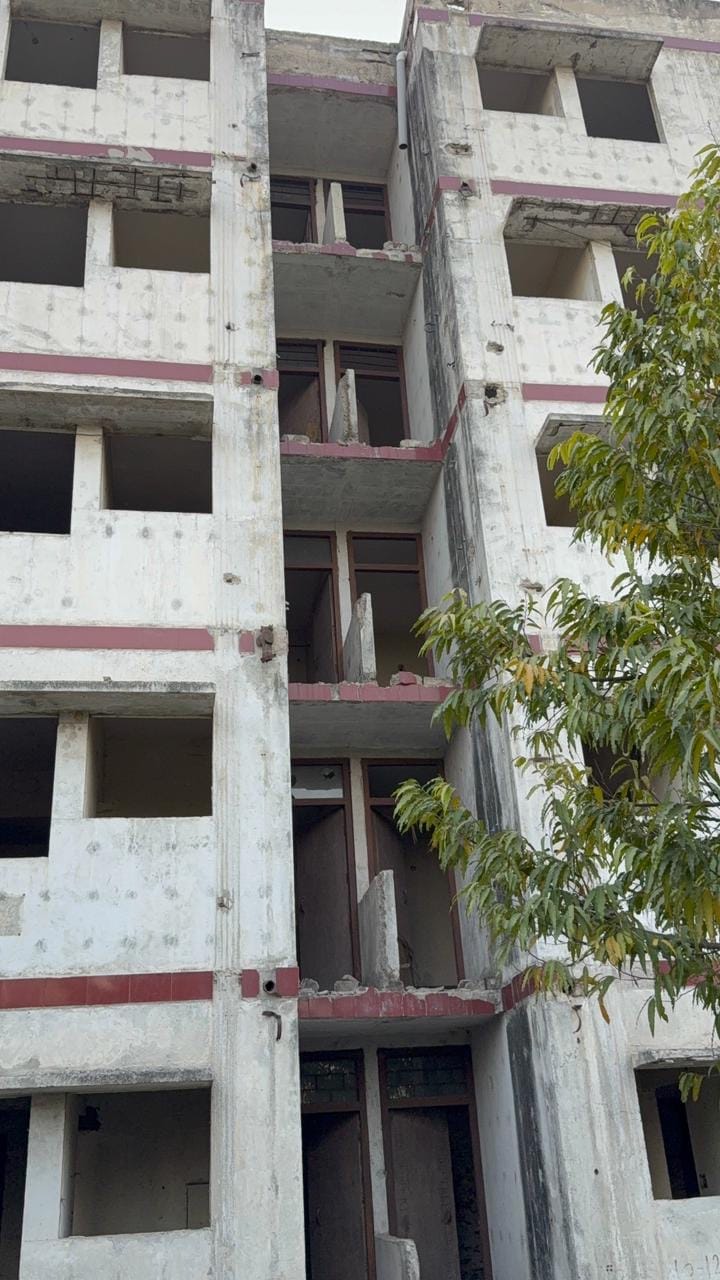
Several residents who visited the Savda Ghevra flats found chipped walls, peeling plaster and interiors not fit to move into. The conditions attached to the flats have also raised concerns among larger families.
“The allotment is lifelong. It is their house now,” PK Jha, the director (finance) of Delhi Urban Shelter Improvement Board (DUSIB), told ThePrint. “The condition is that they can’t rent the house or sell it.” The allotment can also be cancelled if another person or family is found residing there.
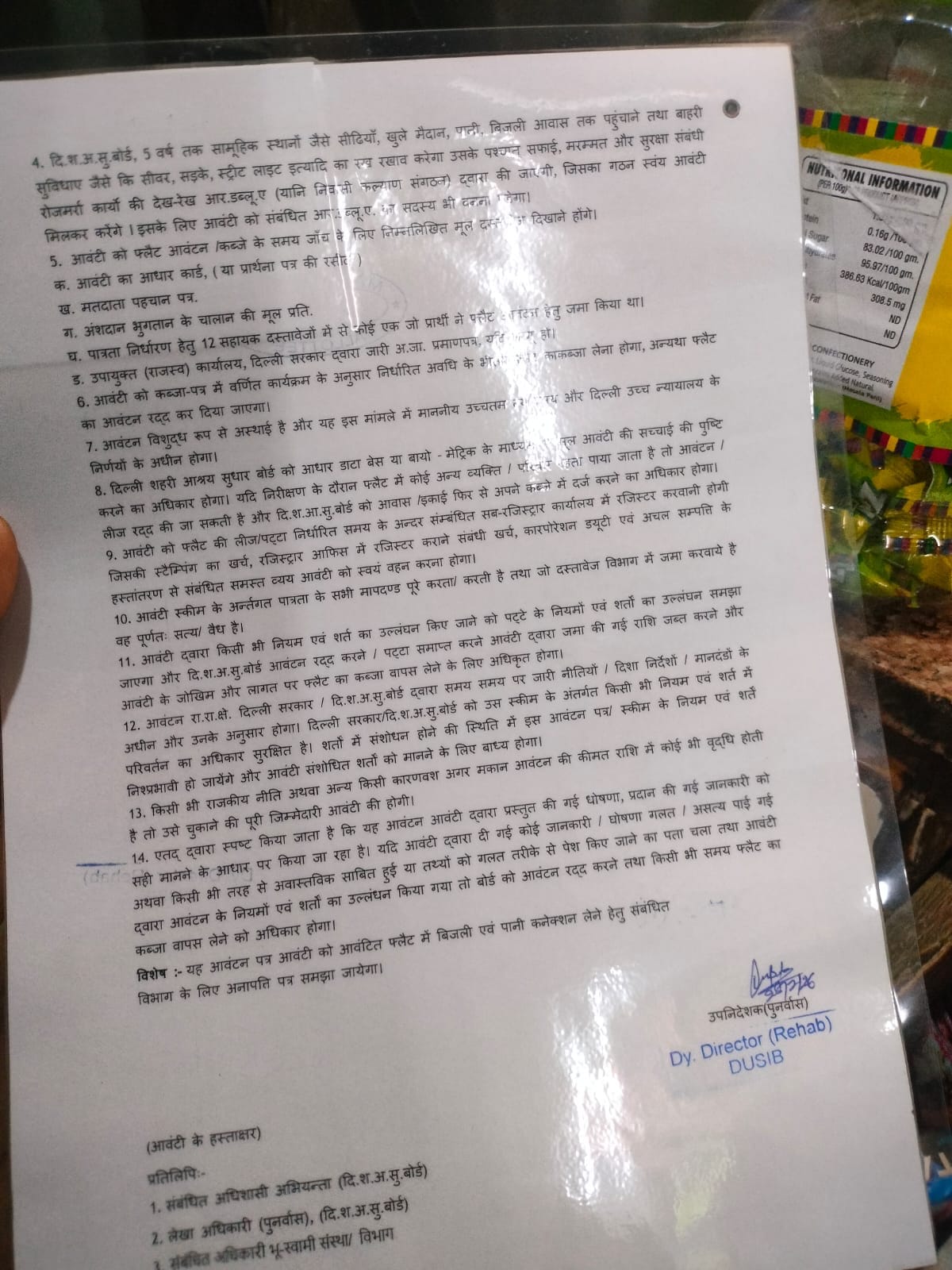
According to the allotment letter issued by DUSIB, beneficiaries must also pay Rs 30,000 within three months towards maintenance of outdoor and common-use areas. Jha said the board would use the amount to maintain the buildings for the first five years. After that, residents will have to form their own welfare association (RWA) and take over maintenance.
For large joint families, the more immediate question is space.
Om Prakash, an employee of the New Delhi Municipal Council (NDMC), shares his home in DID Colony with nine other family members, including his sons, daughters-in-law and grandchildren. The family has been told it will receive a two-room flat.
For many families, relocation could mean dividing households that have lived together for generations under one roof.
Rajkumari, too, lives in a joint family. Members of her household have already begun discussing alternatives—renting elsewhere, staying with relatives or splitting up.
“We are ready to pay Rs 20,000 in rent,” she said. “But we are not getting a place.”
Her mother-in-law has spent decades building their current home, Rajkumari said. Over the years, the family has accumulated furniture and belongings that will not fit in a two-room flat or in a rented room elsewhere.
“We will adjust somehow,” she said. “But my mother-in-law has built this home over the last 60 years. We need to find a place to store our belongings.”
For Ruksana, the question of relocation is also a question of who gets to remain in the part of Delhi their labour has helped sustain.
“The politicians we vote for and whose houses people here work in are the ones throwing us out of our homes,” she said. “What can we do? The government doesn’t even think about us.”
A single mother and a march to Rahul Gandhi
Shaista, 35, is a single mother raising her 10-year-old son in Masjid Camp and has spent the past decade working as a social worker. As the eviction deadline approached, she decided waiting was no longer an option. She brought other women from the three clusters together to seek political intervention.
On Raksha Bandhan, 15 to 20 women went to tie a rakhi to Rahul Gandhi and hoped to tell him about the impending eviction. The meeting didn’t happen, though their complaints and rakhis were taken inside. The next day, around 100 women gathered at the AICC headquarters before marching towards Gandhi’s residence, where the party’s Delhi president, Devender Yadav, heard their issues.
“The court has not given them any relief, so I have assured them that I will help them go to the Supreme Court,” Yadav told ThePrint. He said sending residents 45 km away will deprive them of the informal and low-paid work on which many families depend.
“The government should offer residents two or three locations as options,” he said.
The families who have already moved have given current residents a glimpse of the problems they fear.
Around 30 to 35 families from Masjid Camp initially shifted to Savda Ghevra. While some returned, Shaista said, others rented accommodation closer to work.
The disruption has also reached schools. Families with children studying in Classes 10 and 12 are particularly worried because the board examinations are approaching and school admissions cannot easily be transferred. Shaista said there are fewer English-medium schools near Savda Ghevra, which will challenge children currently studying in English-medium schools around Sarojini Nagar and central Delhi.
“How will they suddenly cover the whole course in Hindi?” she asked. “Do poor children not have the right to study in a good school?”
Her own concern about education is personal. Her husband, who worked as a horse rider at the Delhi Race Club, died 11 years ago. Her son now studies at an Air Force school.
“I am also a single mother,” she said. “I have only one son. I have managed everything and my only focus has been his education.”
She is now bringing people together to ensure the children’s education is not affected. “Even if they cannot afford private education, they also have the right to a good education.”
Why the concern for national security now?
Tucked behind Safdarjung Tomb and beside an Indian Army Service Corps supply unit are the ruins of the Delhi Riding Club and an unfinished construction site. Next to them is DID Colony, its narrow lanes lined with small jhuggis, some still carrying half-torn eviction notices dating to October 2025.
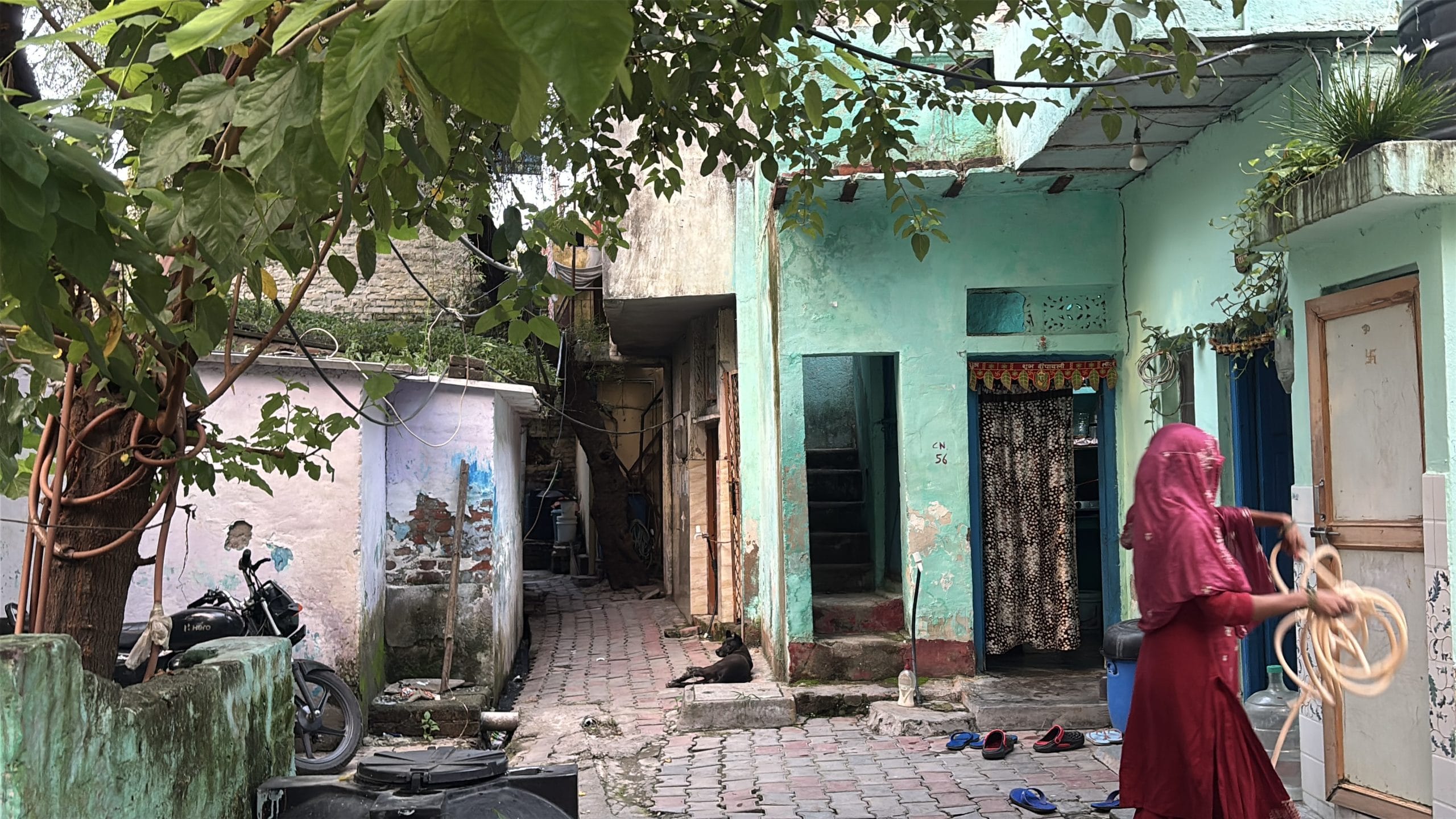
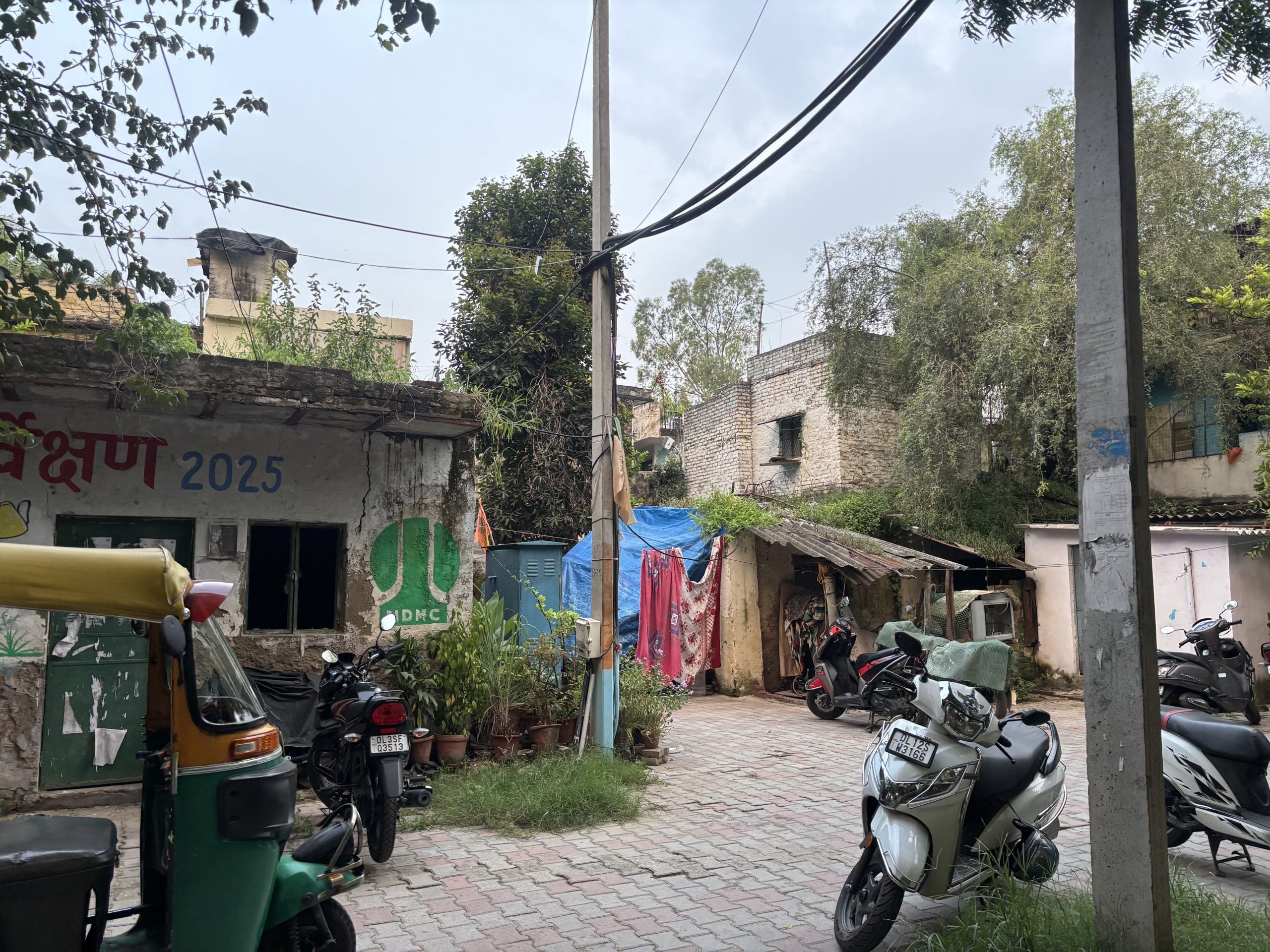
In one of these lanes, Vinod Kumar, a retired Air Force officer, has spent his entire life.
Now the government says the settlement in which he grew up must go partly on national security grounds. The Delhi High Court has accepted the Centre’s argument that the clusters lie in a protected zone near an operational Air Force Station and other sensitive installations. Justice Purushaindra Kumar Kaurav, who first passed the eviction order in May, said he was “not eager to interfere” with a policy decision grounded in security and gave residents only 15 days to vacate. The division bench in August maintained that position but gave residents six weeks to move and ordered closer monitoring of rehabilitation.
“We have been living here for 100 years. The Army is here, the Air Force is here, the PM’s house is in front of us. Everyone is high-profile,” said Kumar, whose son is also in the Air Force. He said residents struggle to understand why settlements that have existed alongside some of Delhi’s most sensitive installations for generations are now being treated as a security concern.
“The PM stayed here before this. No one was told about national security,” he said. “When there was a terrorist attack here, even then the issue of national security did not arise. Now there is nothing, everything is normal, but the issue of national security has arrived.”
Kumar challenged anyone to produce any evidence of threat or crime from the slum clusters.
“If anyone tells us that there is a criminal case from this place, then we will go wherever they send us,” he said.
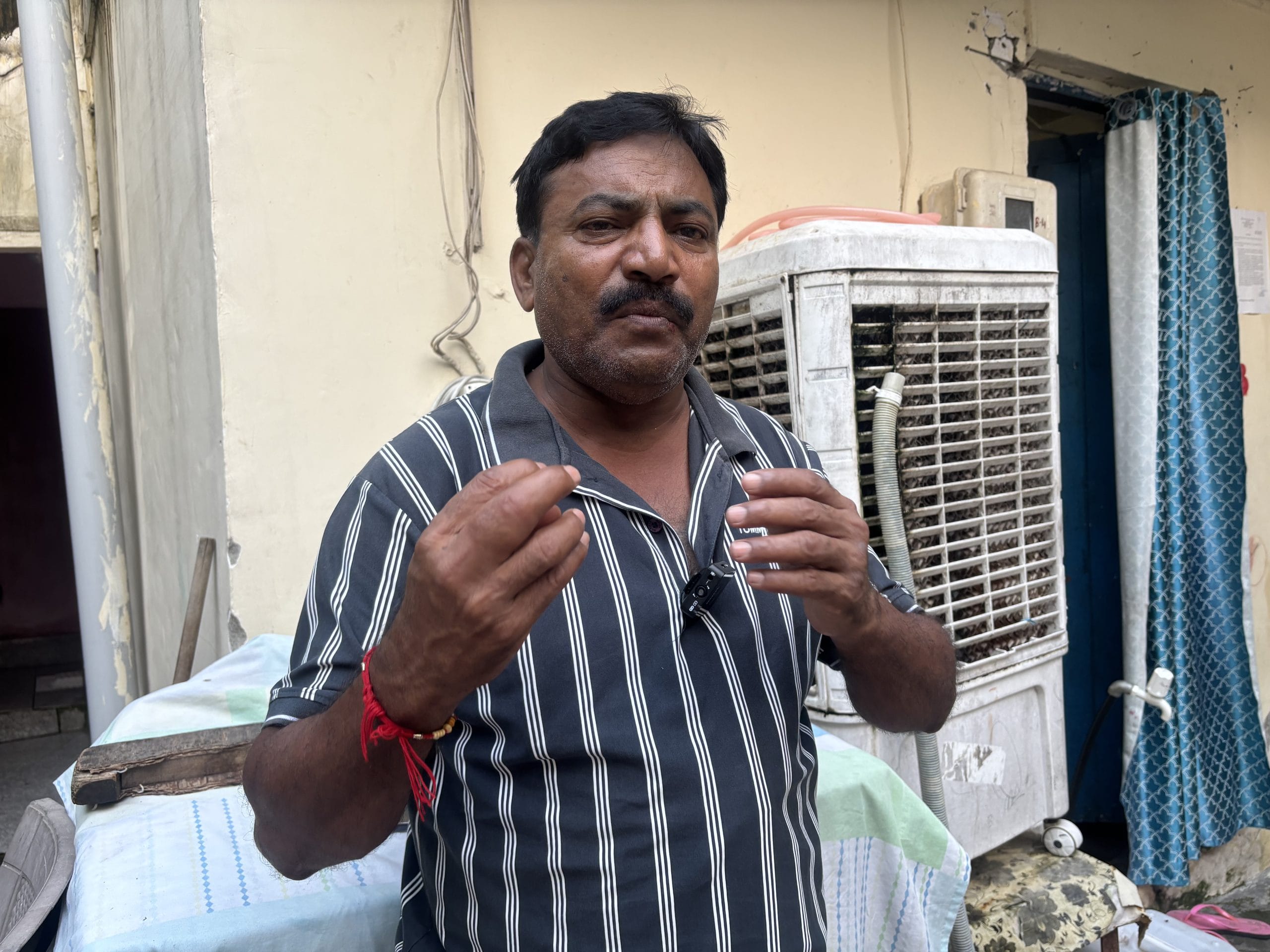
Residents have demanded rehabilitation closer to their existing homes. Kumar pointed to flats in Dwarka that, he said, were discussed during the legal proceedings.
“There was a good flat in Dwarka. Let’s take that,” he said. “They did not even distribute it.”
For him, the contradiction is difficult to miss: he spent his working life in the Air Force, his family has lived here for generations, and yet the neighbourhood is now being emptied in part in the name of national security.
“We don’t understand what to do,” he said.
The dilemma of the new homes
From the balcony of her small flat in Savda Ghevra, Monica, 36, has recreated a version of the life she left behind. Packets of chips hang from the wall. Boxes of chocolates and other snacks are arranged along the railing. Children from the neighbourhood stop by for toffees.
It is a small business and unlike the shop she used to have in BR camp, but it is enough to bring in something every day.
“The people who earn daily, their lives have been destroyed. We had to move, no option to rebuild or put it on rent,” she said. “Business here is low, just enough to feed us.”
Their home in BR Camp was demolished, leaving them without a place to return to. Now, Monica lives here with her mother, two sisters and brother, who works in Dwarka and spends at least an hour travelling by Metro.
For many of the families who have already shifted, Savda Ghevra presents a dilemma. The flats offer something many residents did not have before—regular water, uninterrupted electricity and a permanent roof over their heads.
But the distance from the lives they have built in central Delhi has created a different problem: how to earn a living once they get there.
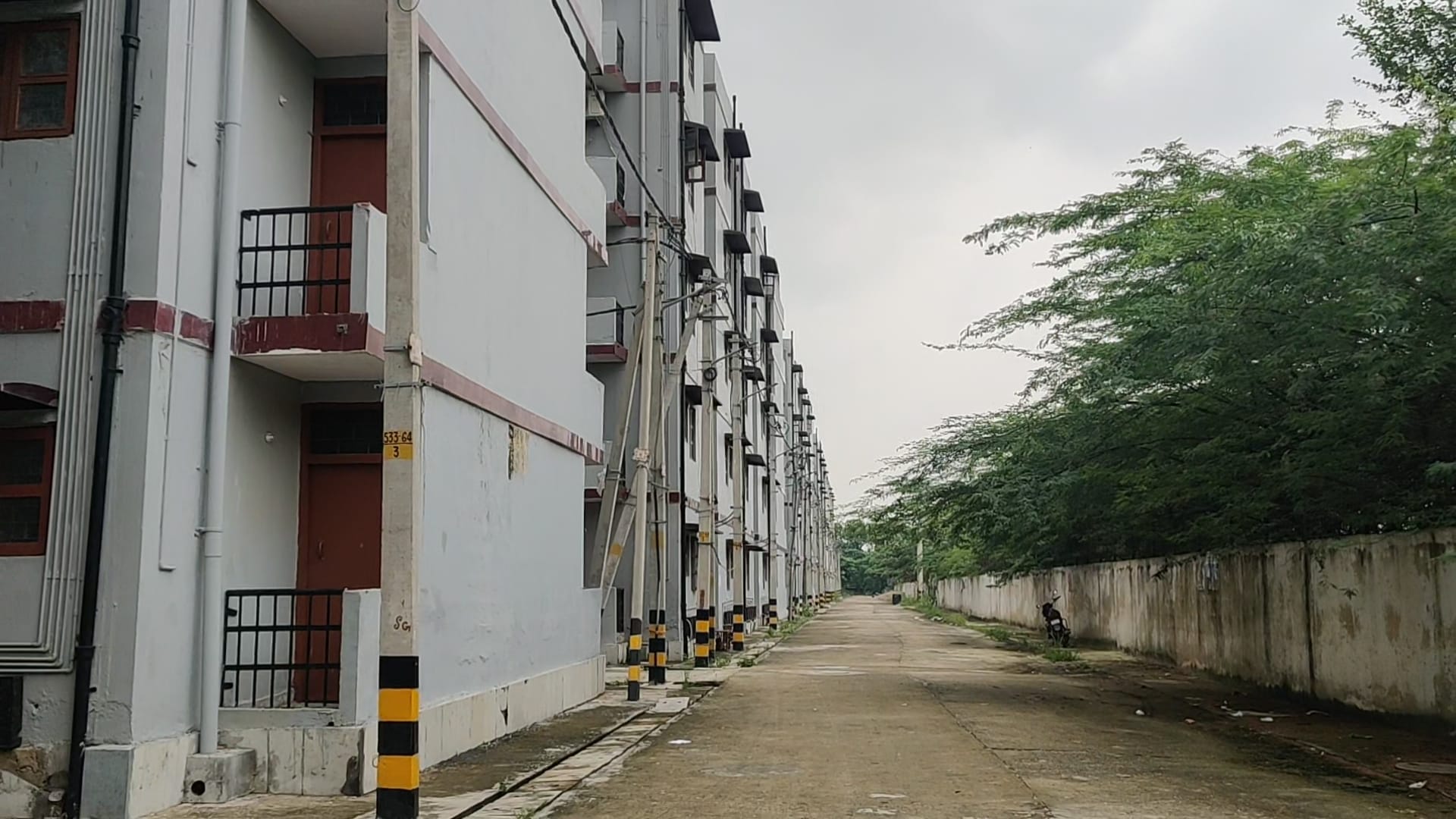
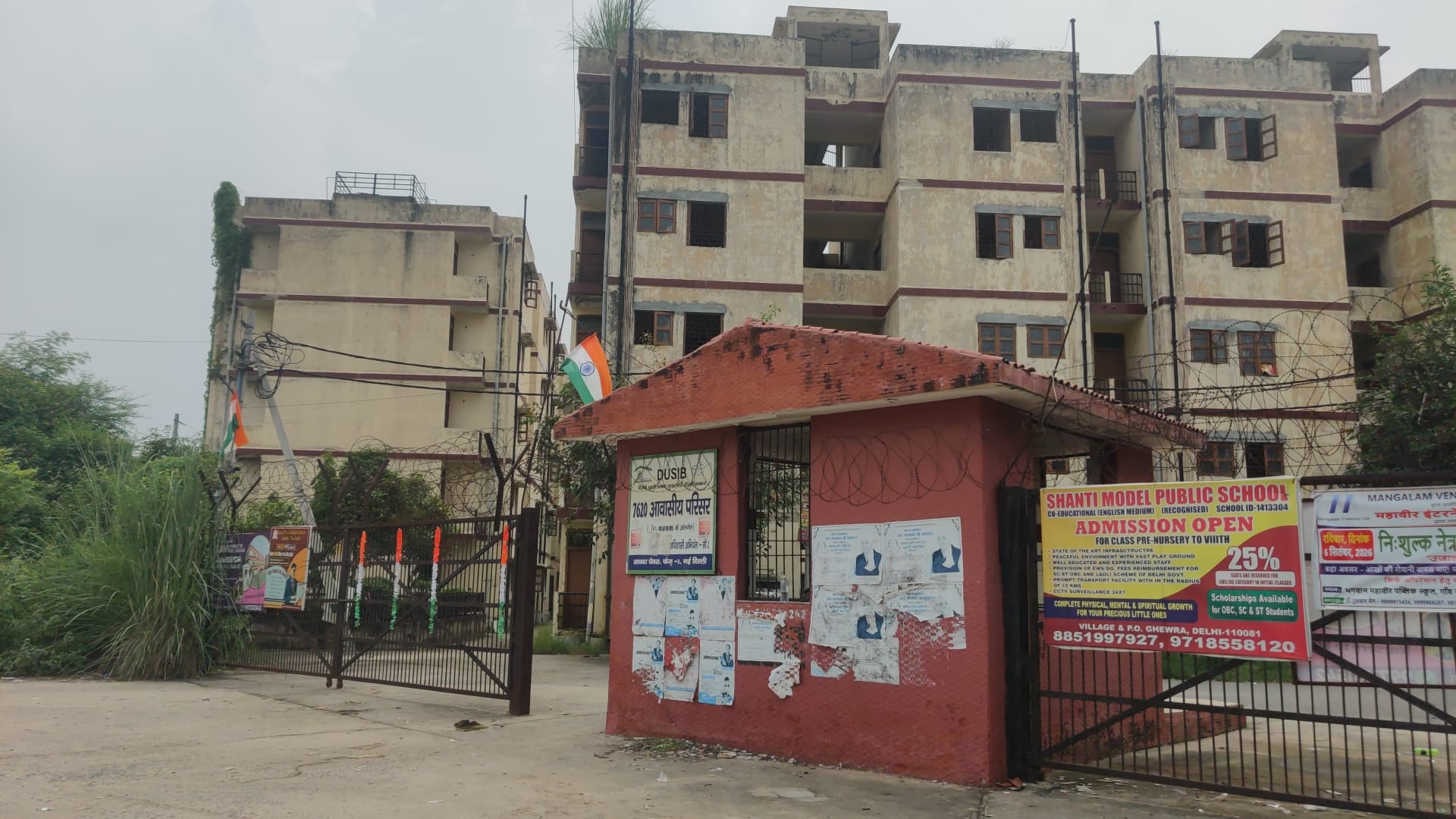
The contradiction is visible across the housing complex. The flats are freshly painted, but large parts of the complex are quiet. Several blocks appear almost deserted. In the F and G blocks, clotheslines hanging outside balconies and children playing in the lanes mark signs of life.
The homes themselves are small but structured: a square bedroom, a living room, kitchen and bathroom.
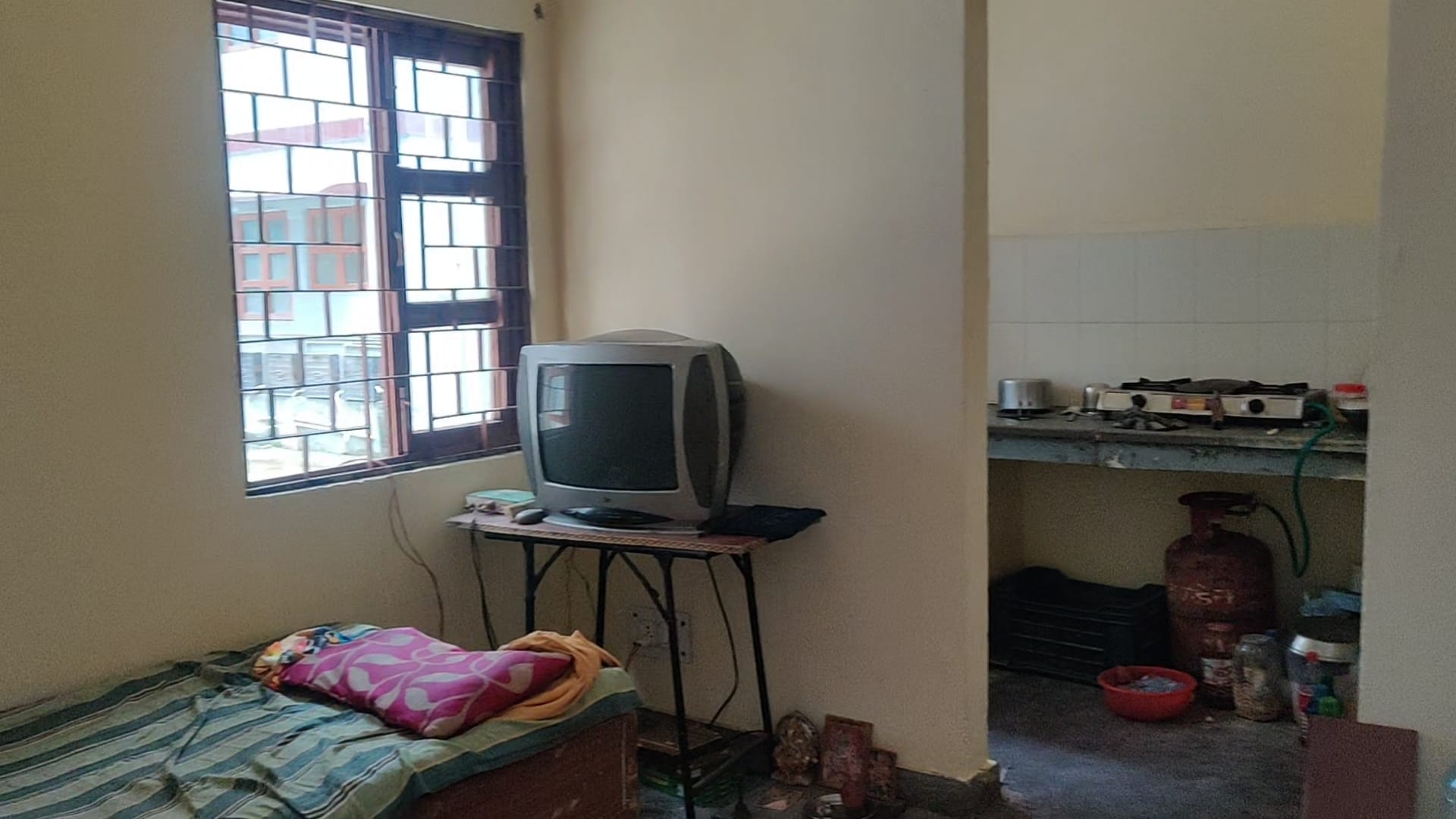
Jeevaram, 52, has moved in but lives alone. His wife and two sons remain in a rented flat in Karkardooma to ensure the children’s education is not disrupted. Every day, Jeevaram travels from Savda Ghevra to Gurugram, where he works as a field worker for Nestle.
Some days, when he has to report to work at 7 am, he leaves before the Metro begins operating. The journey can involve two buses, cabs and e-rickshaws.
Jeevaram has spent his entire life in BR Camp. But he decided to move early so that he could begin adjusting to the commute. According to him, around 300 families have taken possession of their flats. But many have only moved their belongings while continuing to live in the camps.
“Until they are not removed, they will stay there,” he says. “They have no other choice. There is no means of livelihood here; at least there they can earn their daily wages.”
The Rs 30,000 maintenance charge attached to the allotment has become another burden for many families. Jeevaram says many residents who have moved have not yet paid it.
“People do not earn enough to feed themselves. How can they pay Rs 30,000?” he asks. “I earn Rs 22,000 and travel to Gurugram every day. I spend Rs 7,000 to Rs 8,000 on rent. How do I arrange that much?”
Many residents spoke about the difficulty of finding employment “in an unknown place”. Several residents who have relocated said there are no industries nearby. For daily wage workers, domestic workers and others dependent on jobs around central Delhi, moving to Savda Ghevra could mean losing the networks through which they find work.
Heena, who shifted from Masjid Camp three months ago, says she is satisfied with her flat. She has regular water and uninterrupted electricity. Her husband, who runs an auto repair shop in Nizamuddin, has to travel nearly two hours for work. Her brother-in-law did not receive an allotment.
“Who can spend so much money to fight this legally?” she asks. “People don’t have money even to eat.”
Others have managed to adjust because their work does not depend on a particular part of the city. Mohammad Afsar moved with his family from Masjid Camp after their jhuggi was demolished. Three brothers, their wives and children had been living together.
“We were allotted a flat, so we came here,” he says. “There was no point in fighting a losing fight.”
Afsar still works at the Race Course, but his work is online. His two brothers also work online, allowing the family to avoid the daily commute.
The children in the family have also shifted to a nearby Sarvodaya school.
For Parema, who previously lived in DID Colony, the move has been easier for another reason: her husband is an autorickshaw driver and does not have to commute to a fixed workplace. Her complaints are instead about the infrastructure around the flats: blocked drains and no functioning streetlights in some parts of the complex.
“The drains smell so bad,” she says. “There are insects and pests. Even in our jhuggi, the drains used to be cleaned.”
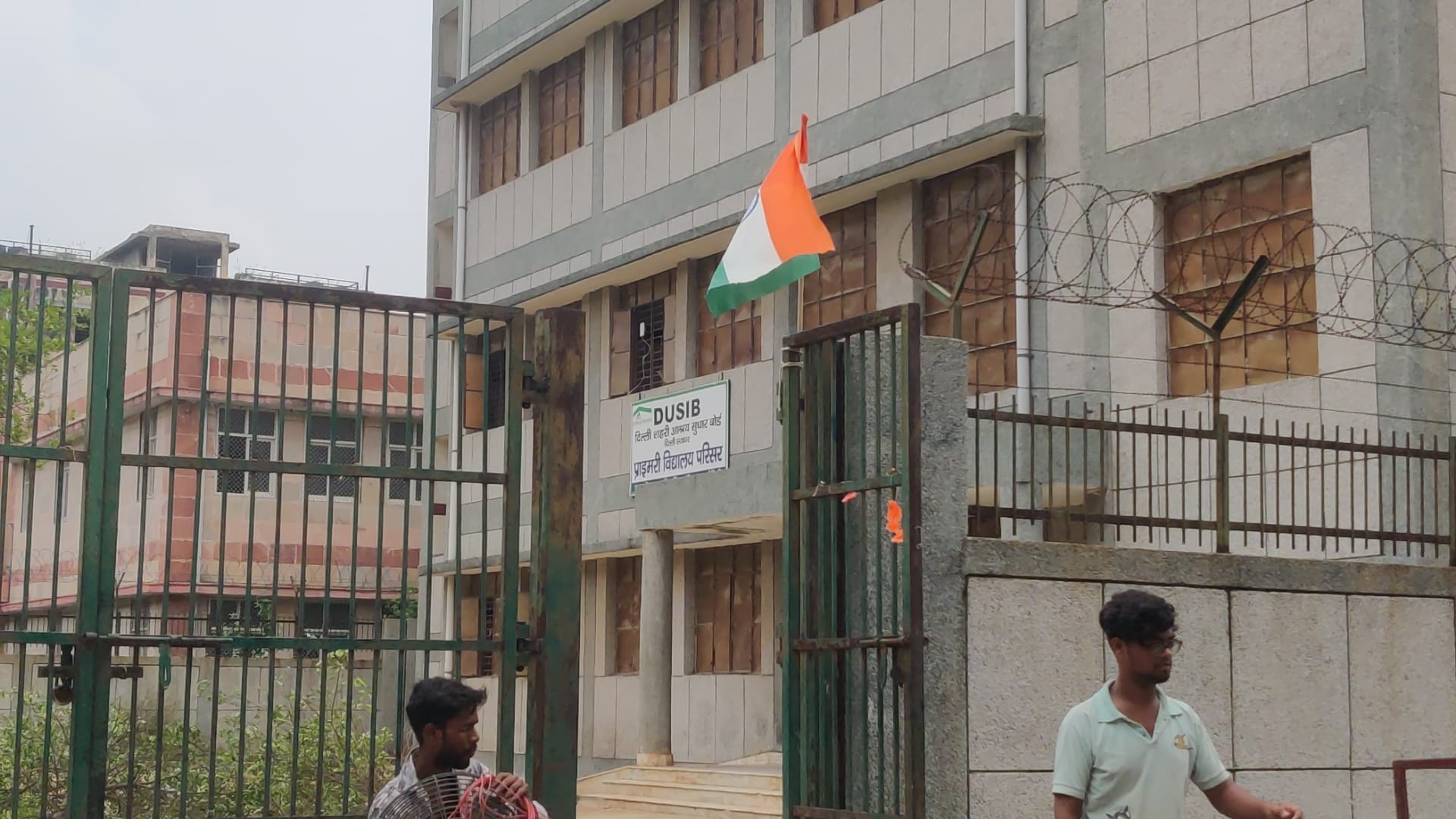
For students, meanwhile, relocation has meant entering unfamiliar schools and neighbourhoods. There is a DUSIB primary school in the complex but it is not functional.
Asha, a Class 11 student, has joined a nearby Sarvodaya Vidyalaya. She says she misses her old school.
“The teachers don’t come and just tell us to complete our pending work,” she says.
She also rarely goes out after dark. The unfamiliarity of the new neighbourhood, combined with poorly lit streets, makes her hesitant to step outside at night.
The Delhi High Court, while hearing the residents’ challenge to the relocation, recorded assurances by authorities about facilities at Savda Ghevra. These included free Delhi Metro travel for one member of each family for a year, admission of children to nearby government and MCD schools, ceiling fans and induction cookware for each household, and a round-the-clock camp office to address complaints.
But several residents who have moved told ThePrint they had neither received the Metro facility nor been made aware of such an arrangement.
Back in the BR Camps, 77-year-old Rajni has given in to the idea that she will have to move. Like her parents before her, she has lived her entire life here, raising her children and grandchildren. She has a heart condition, and the familiar hospitals and services around central Delhi are part of what makes this place home for her.
“In the morning, there is so much work here. The stove burns,” she said. “If we go there, how will we eat? How will we survive?”
With the deadline for relocation approaching, what had long existed as notices, hearings and court orders has become immediate.
“Yes, I will go,” she said. “I can’t bear to stay to see my entire life being bulldozed, to be kicked out by the police.”
She does not say she wants to leave. Rajni is choosing not to be there when the place that has held her family for generations is finally emptied.
(Edited by Prashant Dixit)
Instead of going after poor slum dwellers the Modi government must go after the Constitution Club and it’s elite members.
These slum dwellers can be rehabilitated on the plot of land belonging to the Club.