





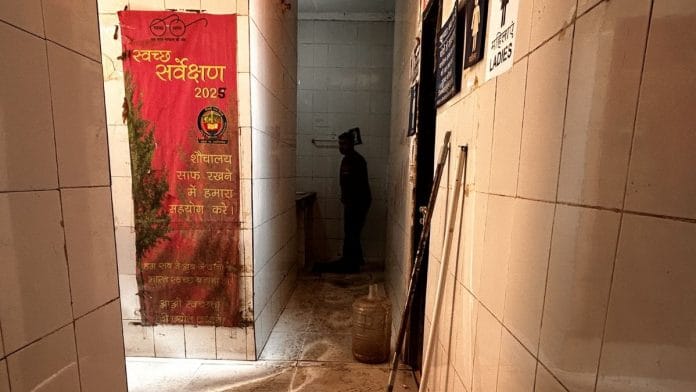


New Delhi: Every evening at 8 pm, Rukshana packs a change of clothes in a small polythene bag and heads to the public toilet near AIIMS. The summer heat in Delhi is relentless, and a late-night bath offers some relief—along with the prospect of a more comfortable night’s sleep in the subway beside the hospital.
She avoids the public washroom outside the AIIMS complex. It feels unsafe, crowded and exposed. Instead, she chooses a lesser evil. The facility inside the government hospital premises at least offers privacy, shielding her from prying eyes. There is no dedicated bathing area. Instead, she fits herself inside a matchbox-sized toilet—a toilet pan, a mug and her. She manages to hang the clothes and wash herself in the cramped enclosure.
“I have been coming here for five years, and I have adjusted to these toilets. I have my reasons but they can provide basic facilities,” she said.
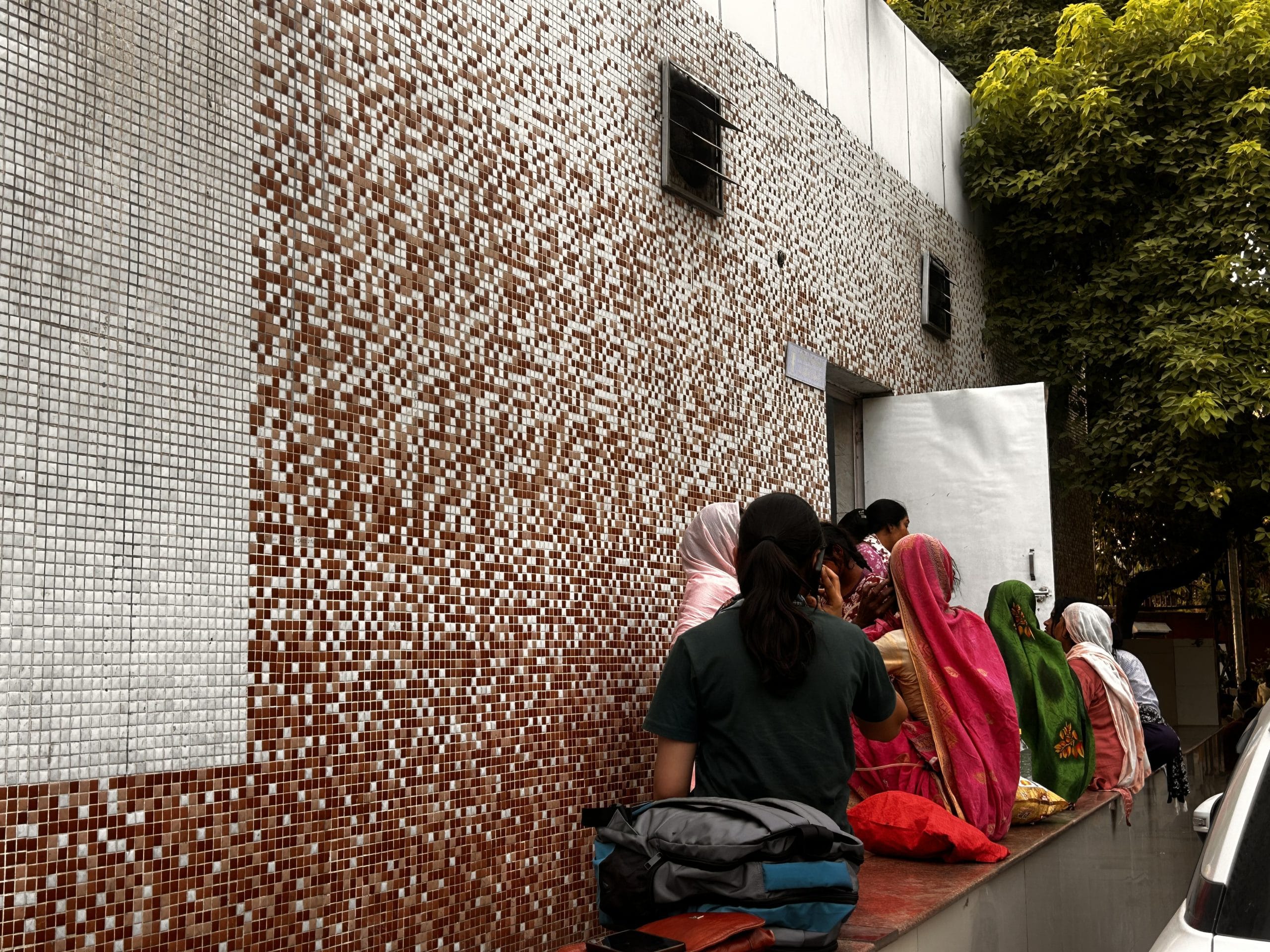
This has been Rukshana’s routine for the past five years, since her mother was diagnosed with lung cancer. Every month, they travel to Delhi from Mehsana in Bihar for chemotherapy. This time her stay has lasted for more than a month.
“The heat is suffocating, but we have to be here; we managed our sleep, food, and somehow a washroom, but we cannot take a bath,” she said.
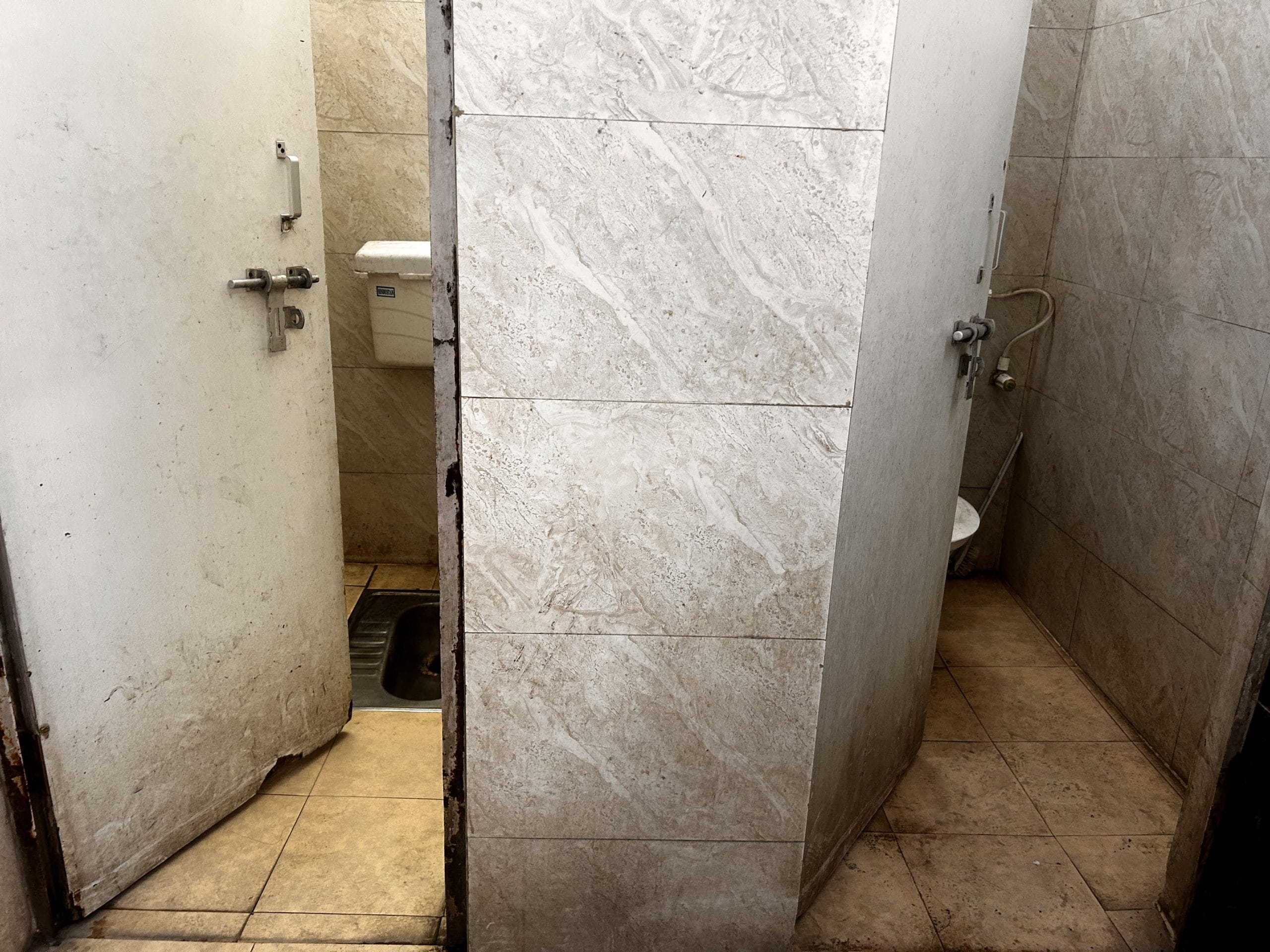
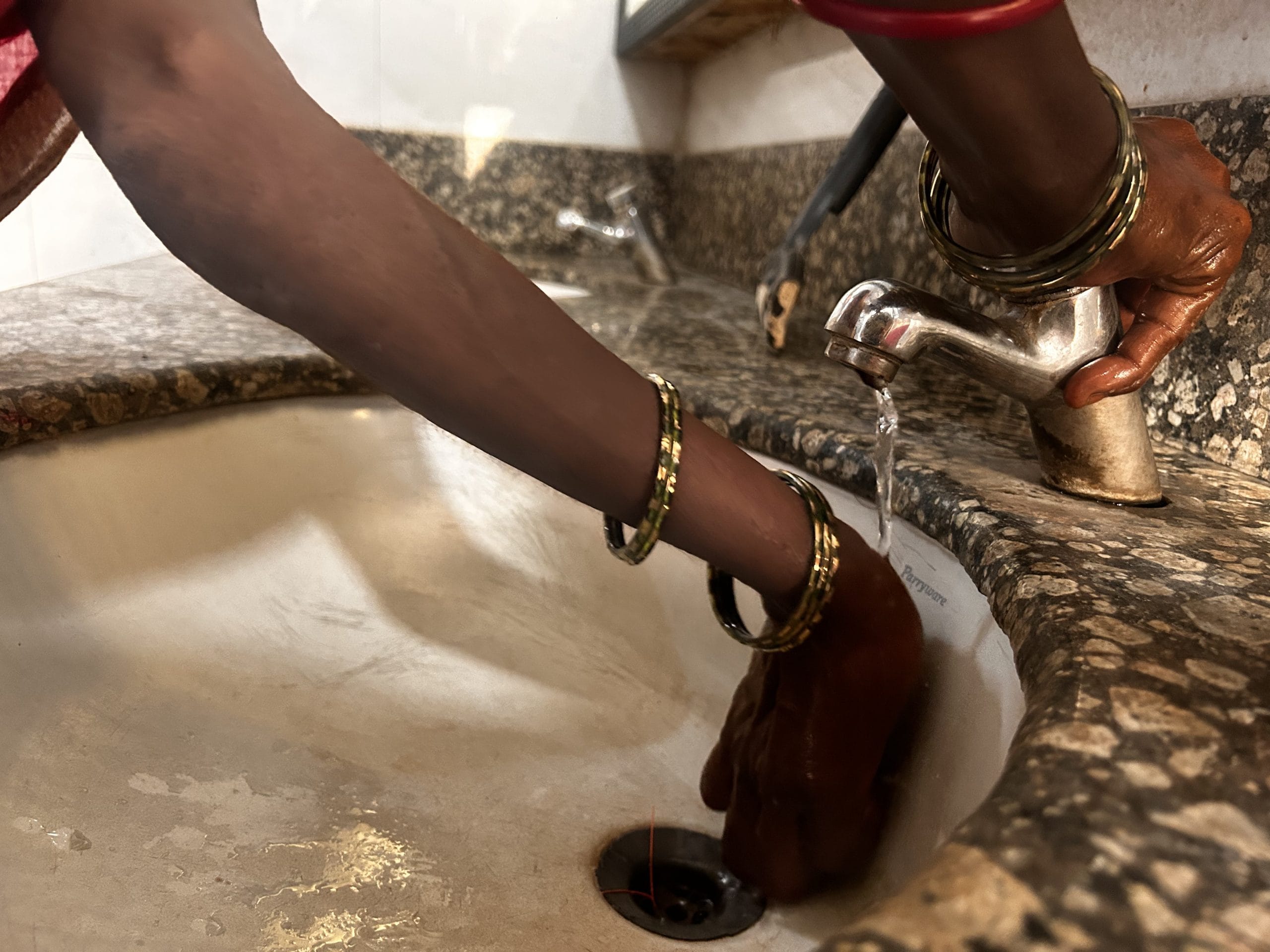
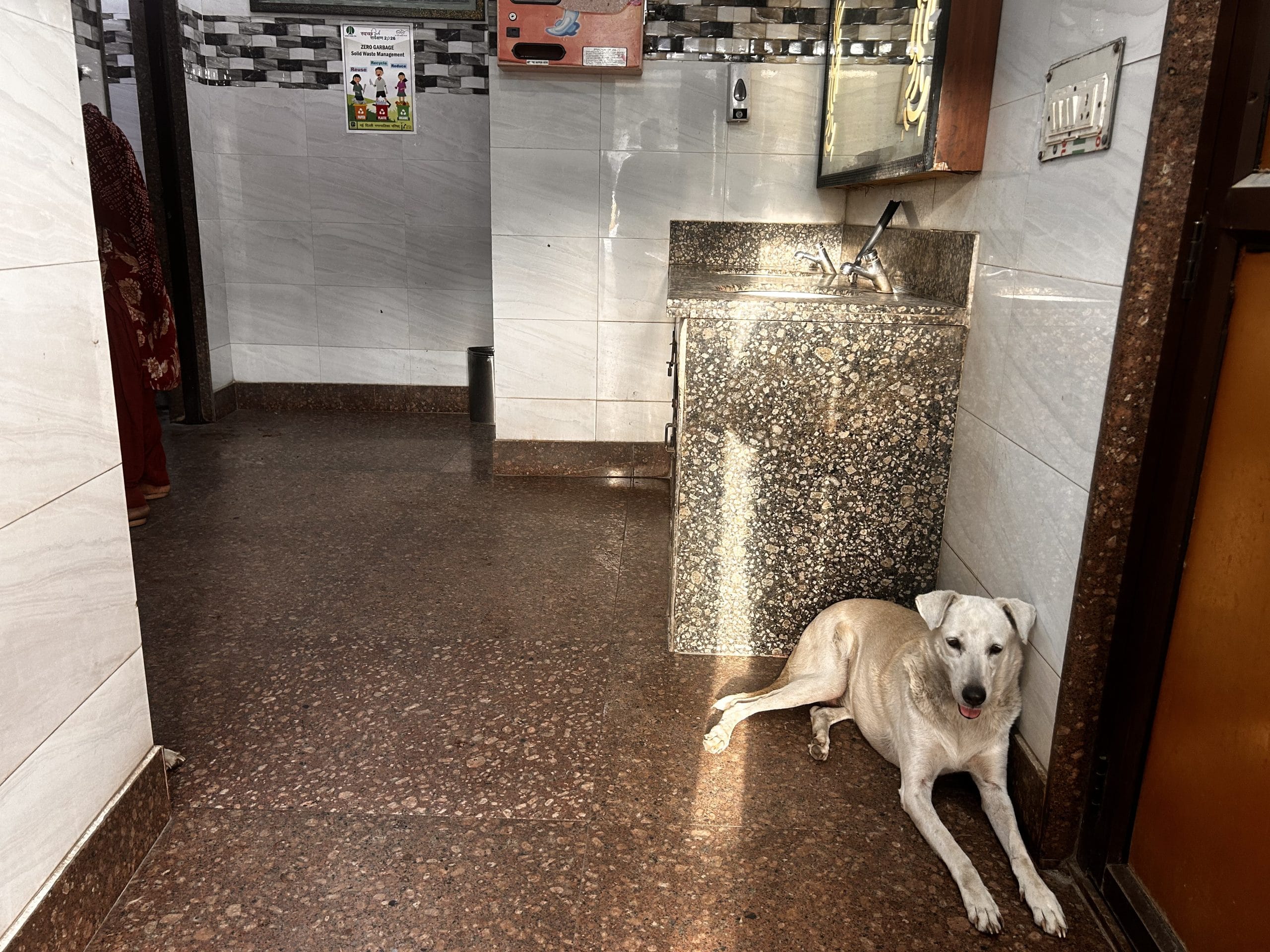
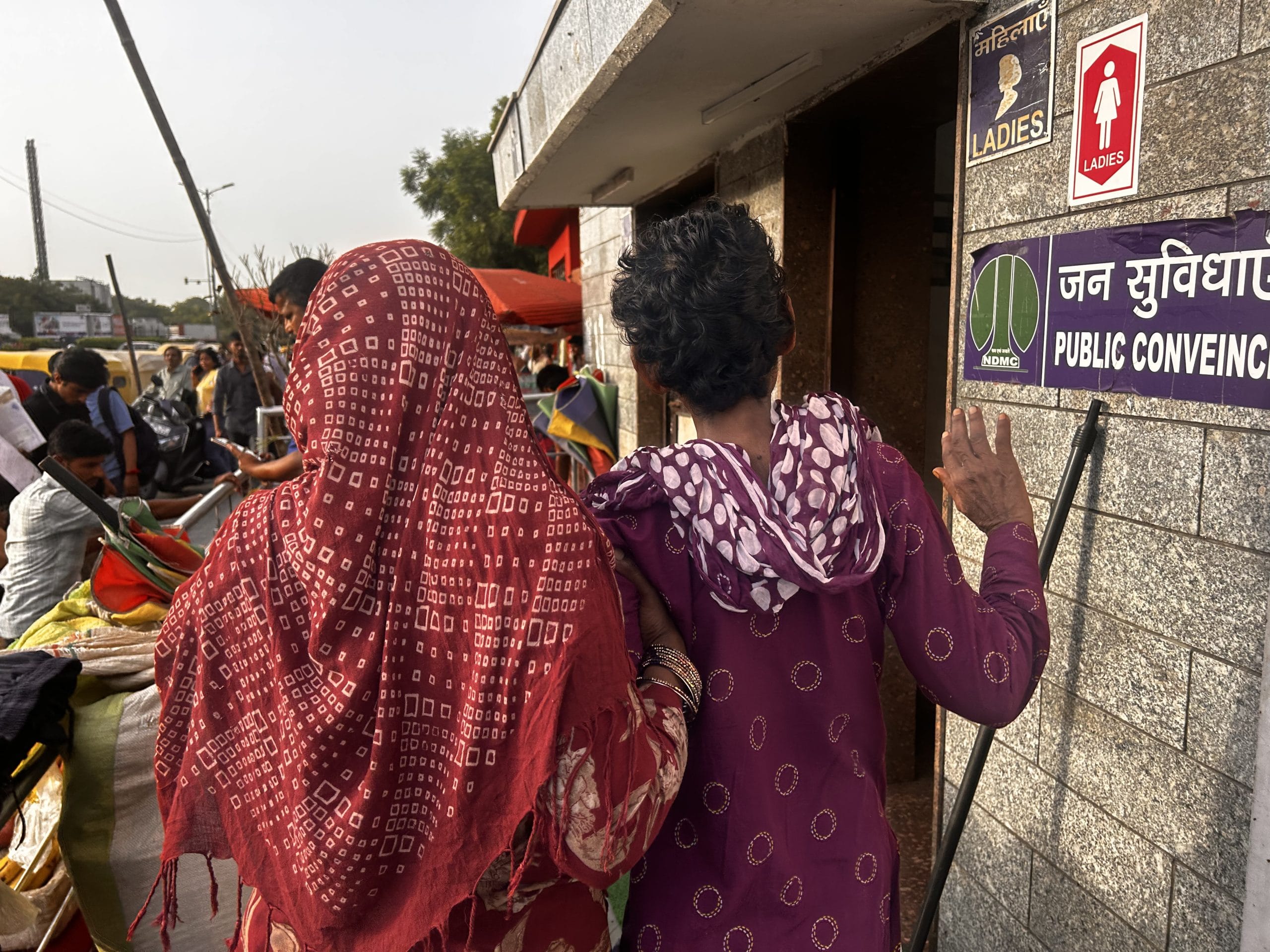
Parmilla Devi has been travelling from Bihar to Delhi AIIMS for her cancer treatment in Delhi for the past three years. Carrying a catheter, a urine bag, she struggles using the hospital washroom. While washing her hands under a trickle of water, Devi recounted the difficulties she faces.
She complained about how there’s no way to take a bath in the washroom. The 48-year-old said the facilities are regularly cleaned, but need more effort.
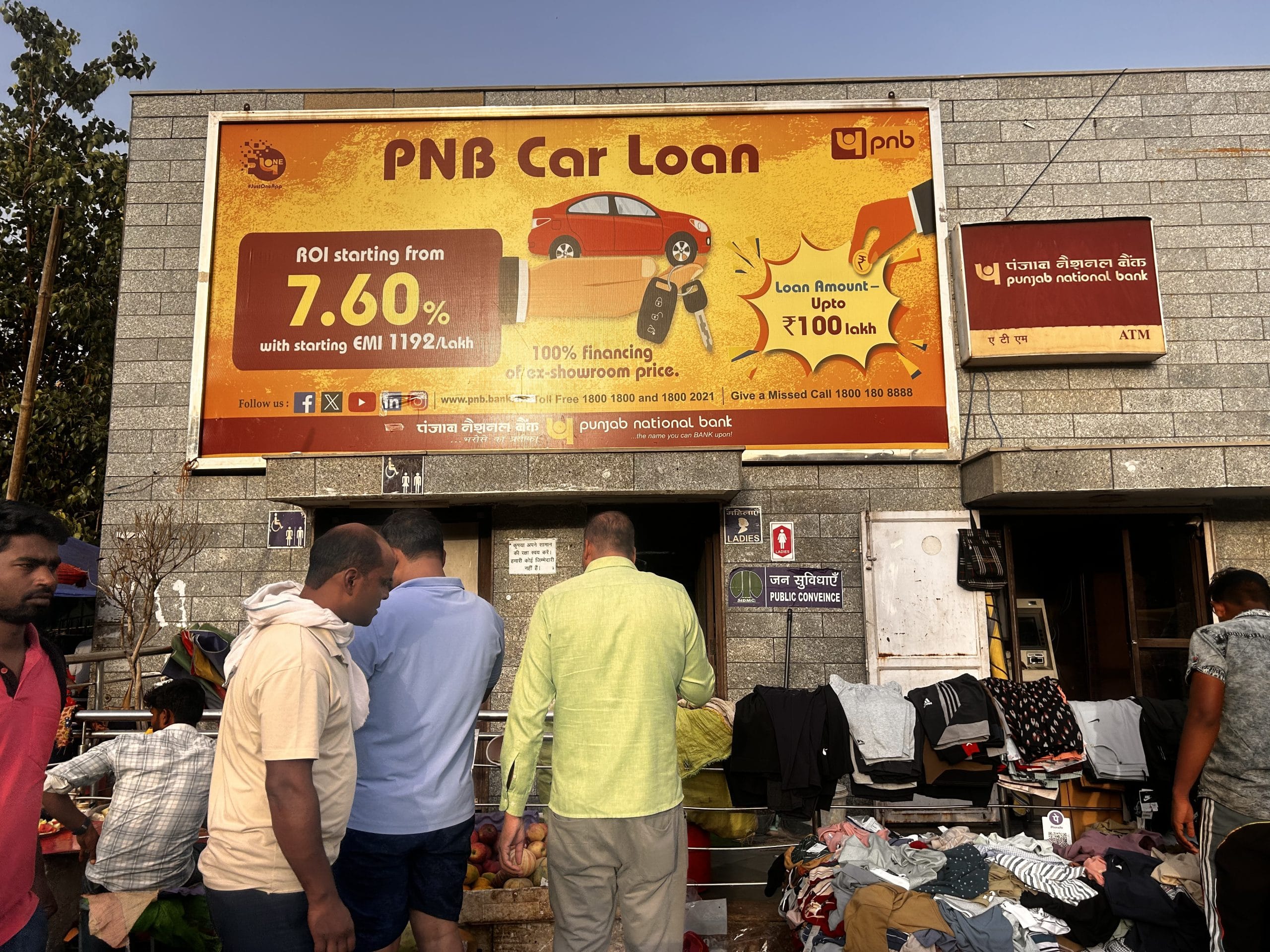
It is a story not limited to toilets in big hospitals. After years of complaints and social media outrage, Delhi’s public washrooms have improved, but not nearly enough. Across the national capital, this abject apathy toward the maintenance of the most basic civic infrastructure is a big letdown for the people of the city. Many citizens, especially women, choose to hold the pressure rather than relieve themselves at a public toilet.
ThePrint visited public washroom facilities across several parts of Delhi, including Chandni Chowk, the PVR market, B6 Market, Lajpat Market, AIIMS, and metro stations. Across locations, one issue remained constant — unhygienic conditions and a persistent stench that never seemed to go away.
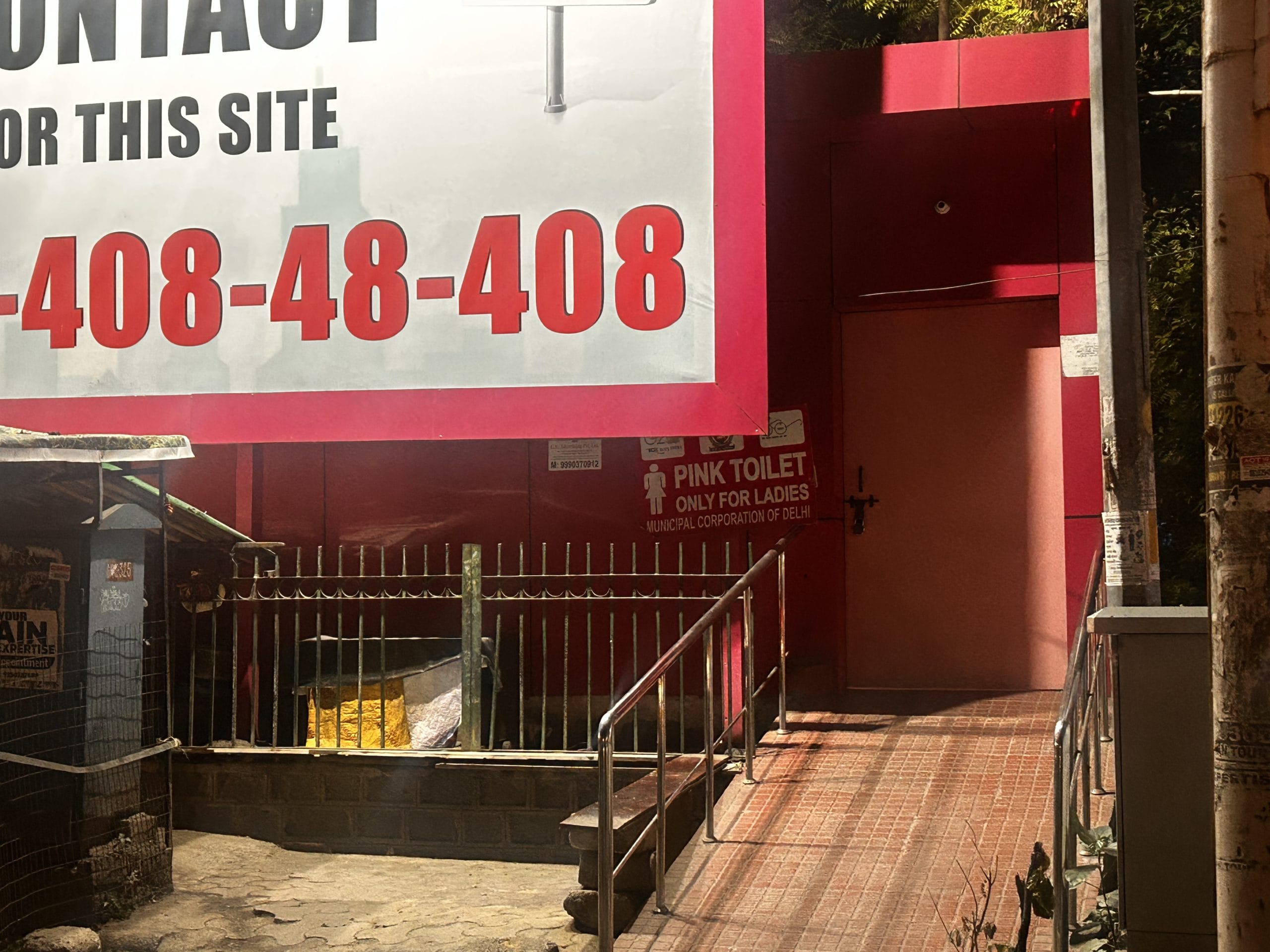
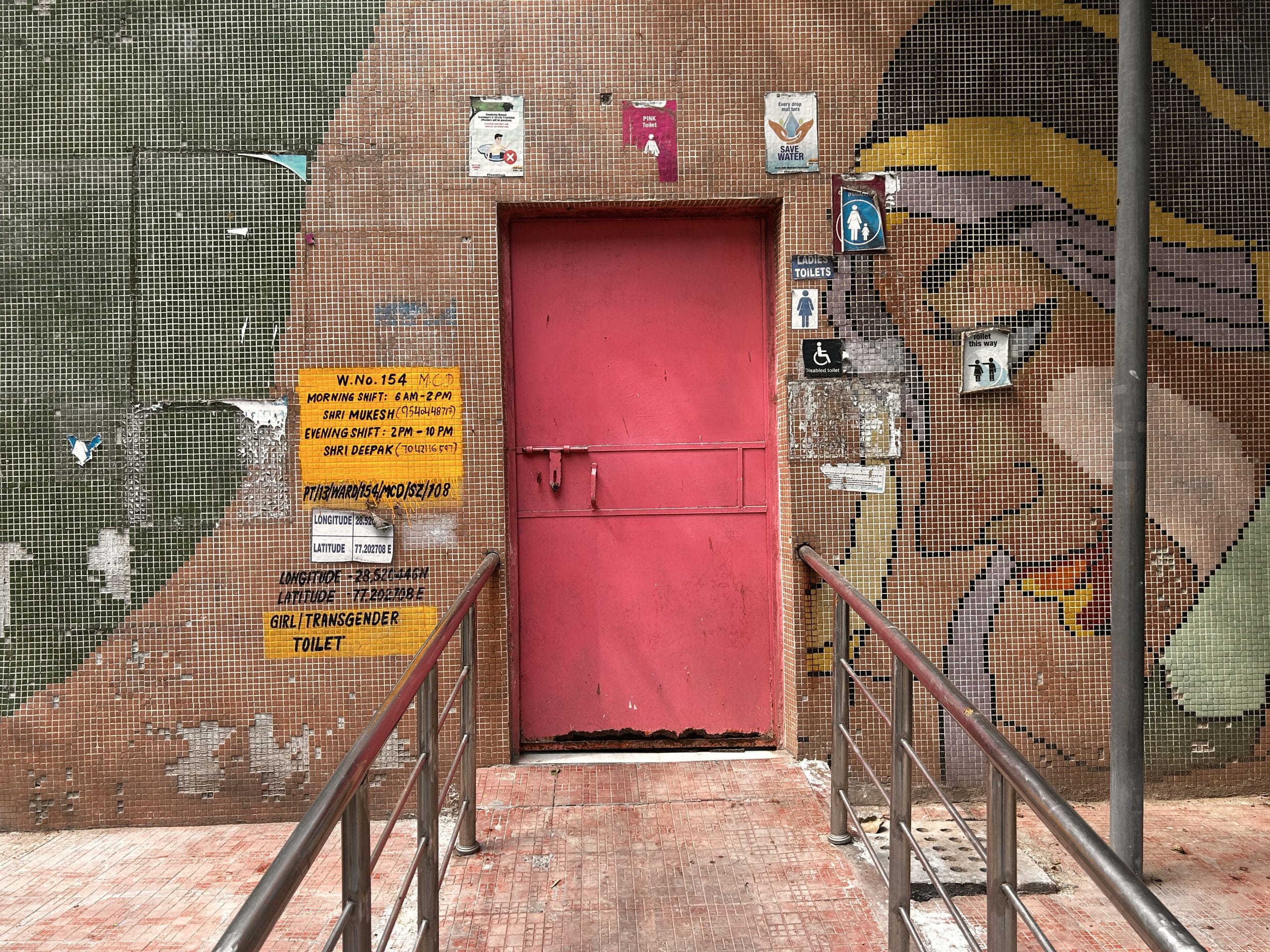
Meetu Pal was driving near the PVR Saket area when she urgently needed to use a restroom. The only option she was left with was a public toilet, which smelled bad enough to make her choke.
Left without any alternative, she parked her car in an isolated spot, opened both doors to shield herself, and peed in the open.
“I had to constantly keep a watch for trespassers. There was not even a single usable toilet!” said the 31-year-old corporate employee.
Delhi residents and tourists have repeatedly complained about the poor condition, hygiene, and accessibility of public toilets. As per 2024 data, Delhi has 409 Community Toilet Complexes (CTC), 905 public toilets and 1,621 urinals. In March this year, Chief Minister Rekha Gupta announced the construction of 1,000 modern toilet blocks open 24*7 ensuring safe, clean, convenient access for women and all citizens.
Chandni Chowk
A busy day in Chandni Chowk, one of Delhi’s most crowded markets, sees thousands of visitors every day — residents, shoppers, and tourists, given its proximity to the Red Fort. But are the public washrooms prepared for the footfall? As it turns out, they are unusable.
Janaki had arrived at the market with her husband and child after hours of driving from Jammu. The 35-year-old, who was menstruating, urgently needed to change before starting to shop for her brother-in-law. But finding a clean, usable washroom proved challenging.
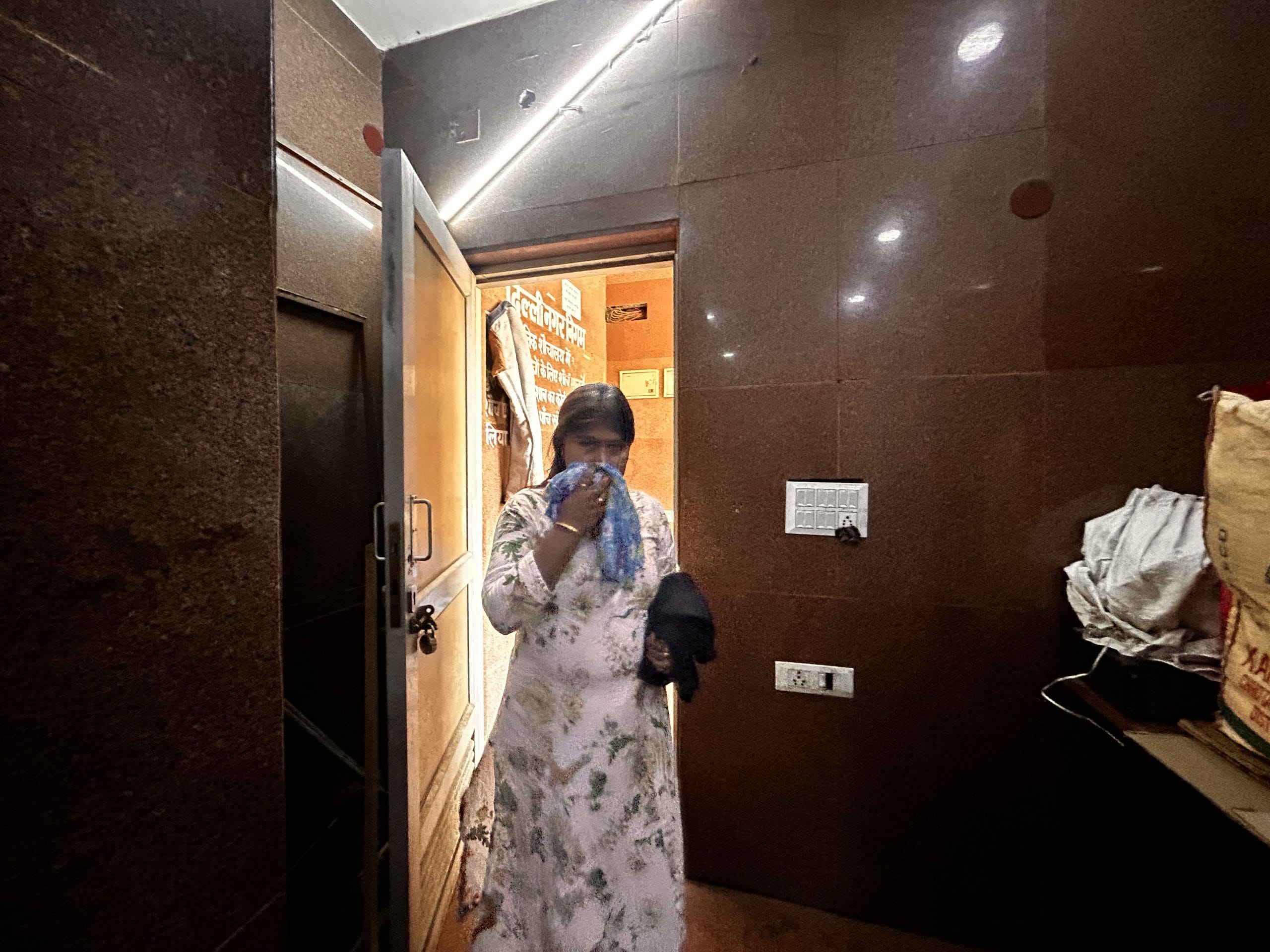
As soon as she entered a facility, the stench nearly made her puke. She had to cover her face with a dupatta. She found the floors wet, no liquid soap, and no changing room inside the washroom. And this was the same condition for all three toilets in the vicinity.
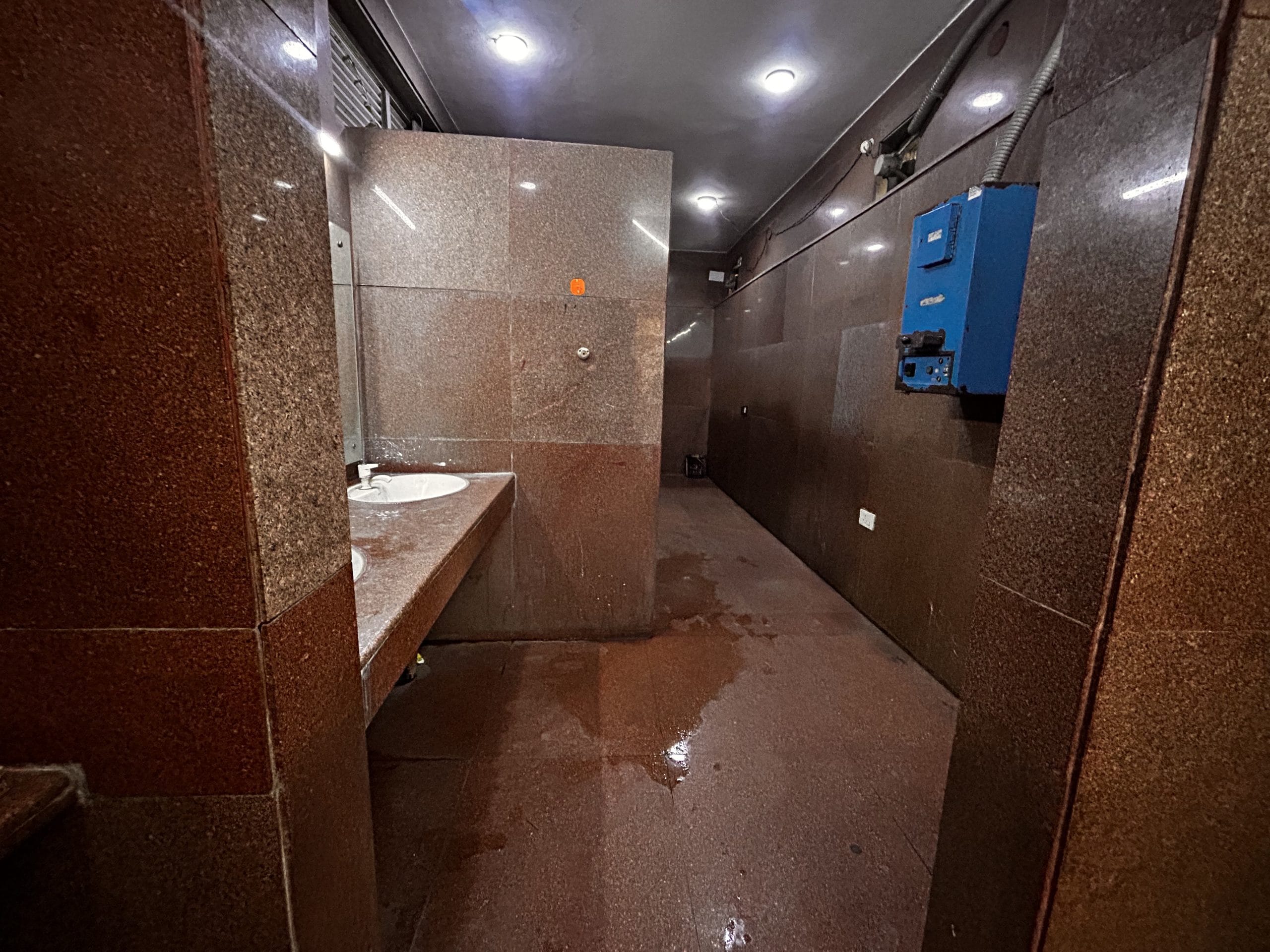
Janaki knocked on every washroom door with one finger. She hid her disgust behind the dupatta.
“None of these are clean, how am I supposed to use these washrooms?” she yelled.
She rushed out looking for other options, then came back. Half-closing the door, she quickly changed her clothes.
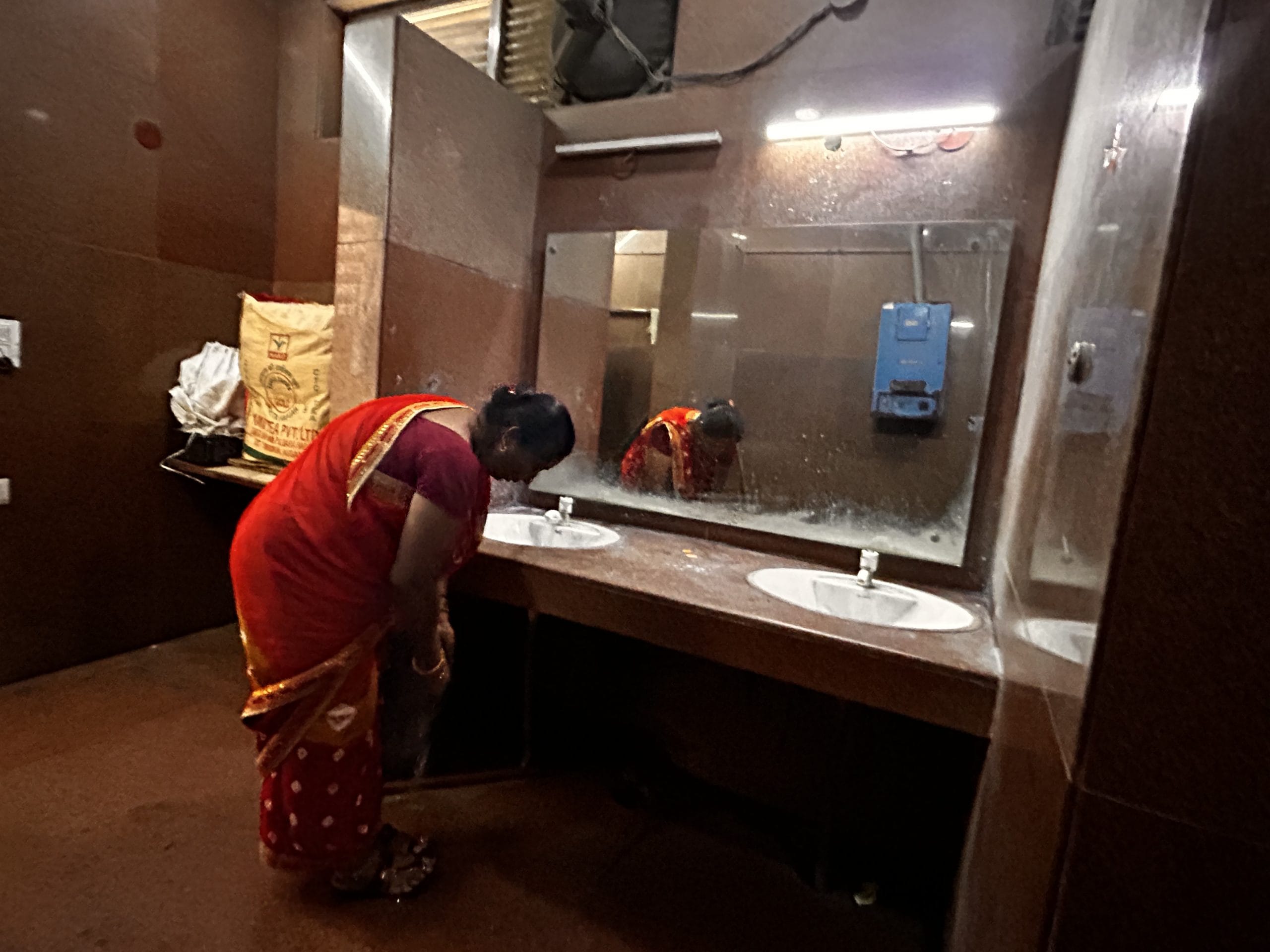
Heena, Nagma and Noor came to visit the Red Fort with a toddler. But the month-old baby suddenly grew hungry. In the crowded market, the women searched for a private area where they could feed the baby. Eventually, the three women found a corner under a banyan tree. As if heat was not enough, the absence of basic public facilities forced them to cut short their brief escape from the mundane home routine and head back.
“Nowhere could we find a feeding space for the baby. There was water on the floor, no space to sit and feed the baby”, she said.
None of the three washrooms in the area had a female attendant. The cleaner had already left by the afternoon. Two of the washrooms had water all over the floor, while the third had no running water at all.
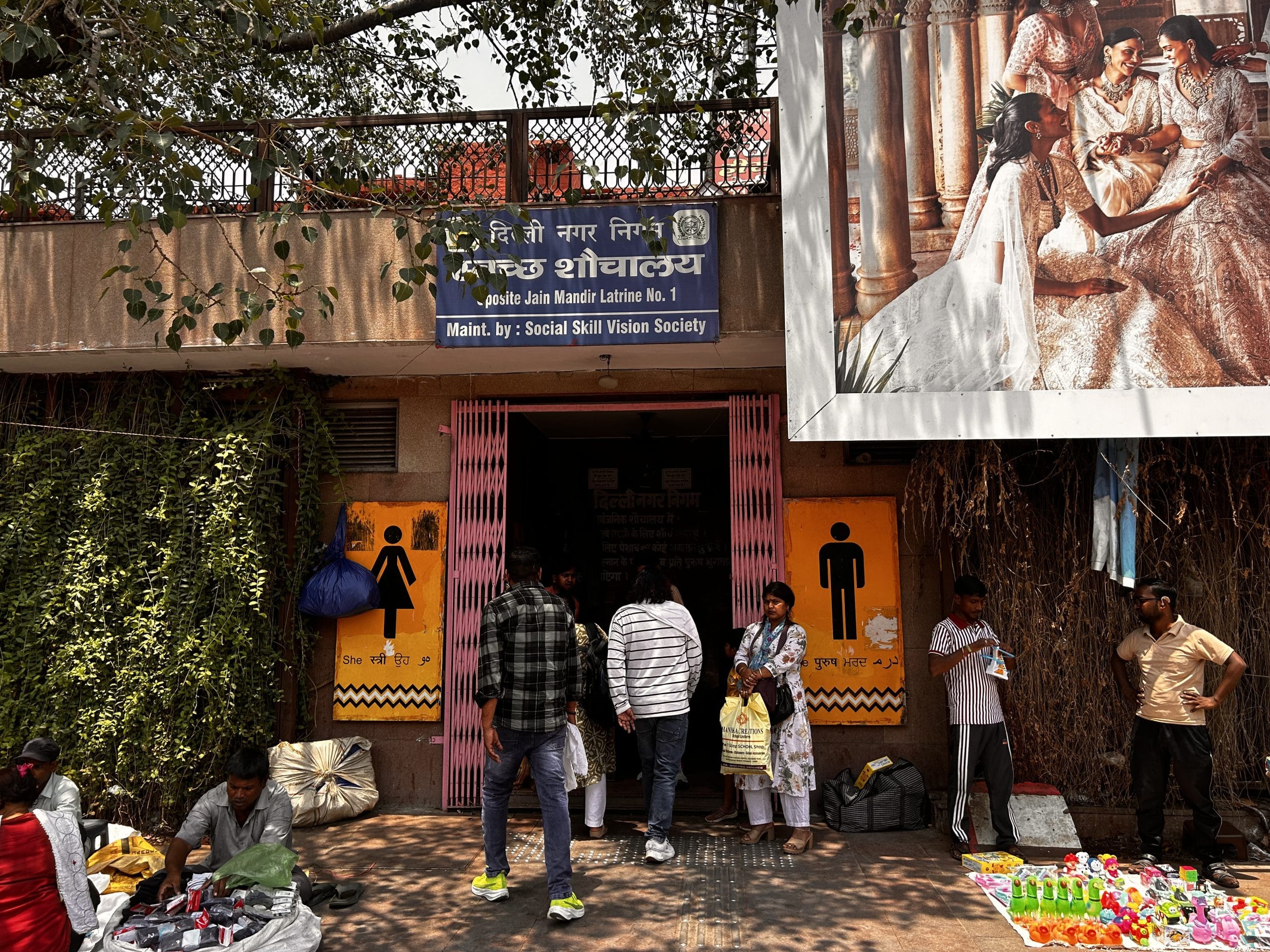
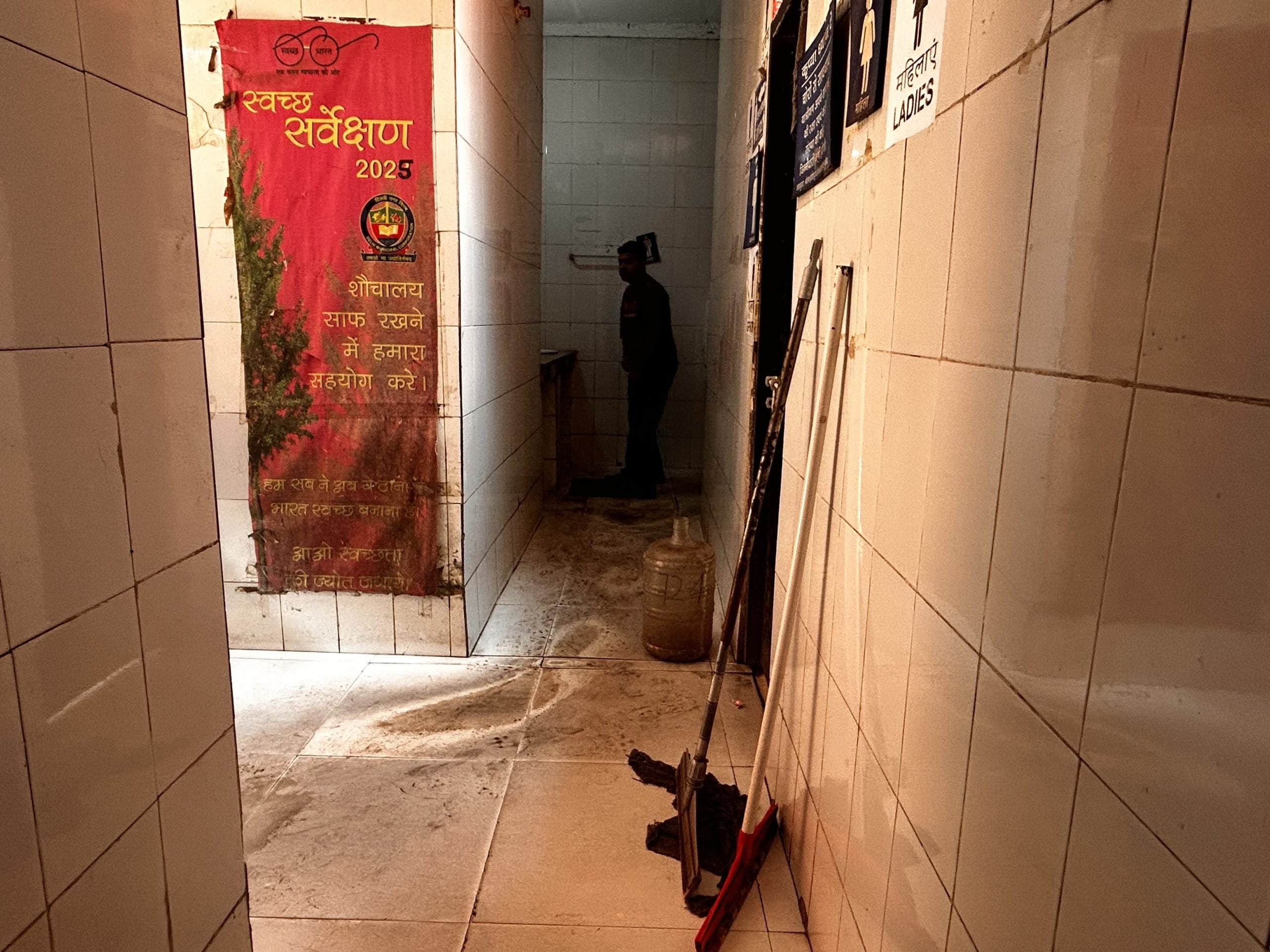
Sulabh International, the non-profit organisation responsible for providing hygienic, affordable and eco-friendly pay-and-use toilet services, operates facilities across India. It claims to have zero-odor two-pit technology, biogas generation and amenities for people with disabilities.
None of the three toilets had designated facilities for people with disabilities. These facilities were renovated and opened to the public in 2021.
While the toilets for women saw few visitors, the men’s toilets were crowded. Rekha and Savita—who visit the area every fortnight because of the famous Hanuman temple—helped explain why the women aren’t using these toilets.
“I would rather not pee for ten hours than use these washrooms,” said Rekha. They also complained that it’s impossible to find sanitary napkins in such facilities.
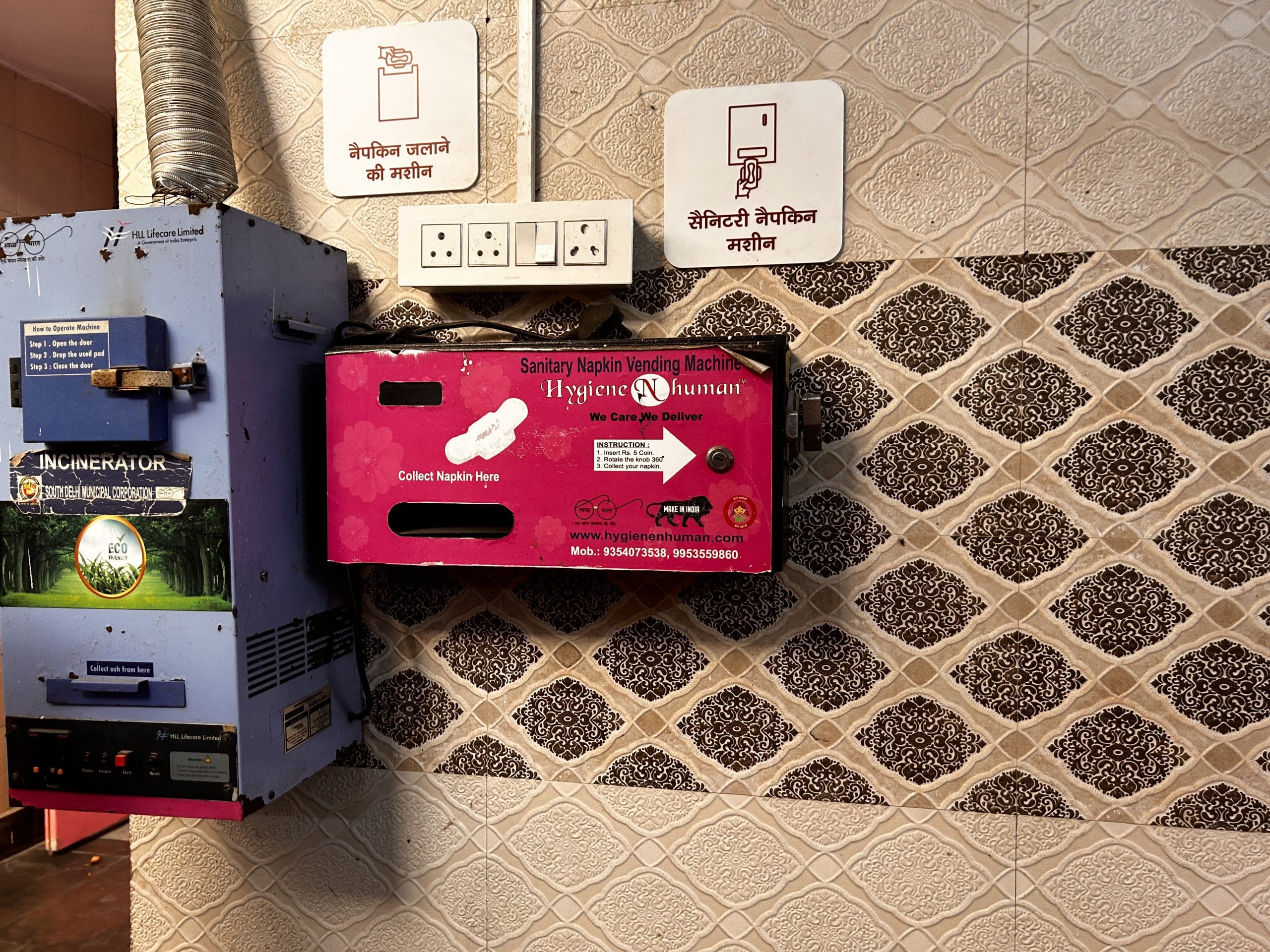
Out of the three toilets, only one had a sanitary napkin dispenser—and it had been out of order for months.
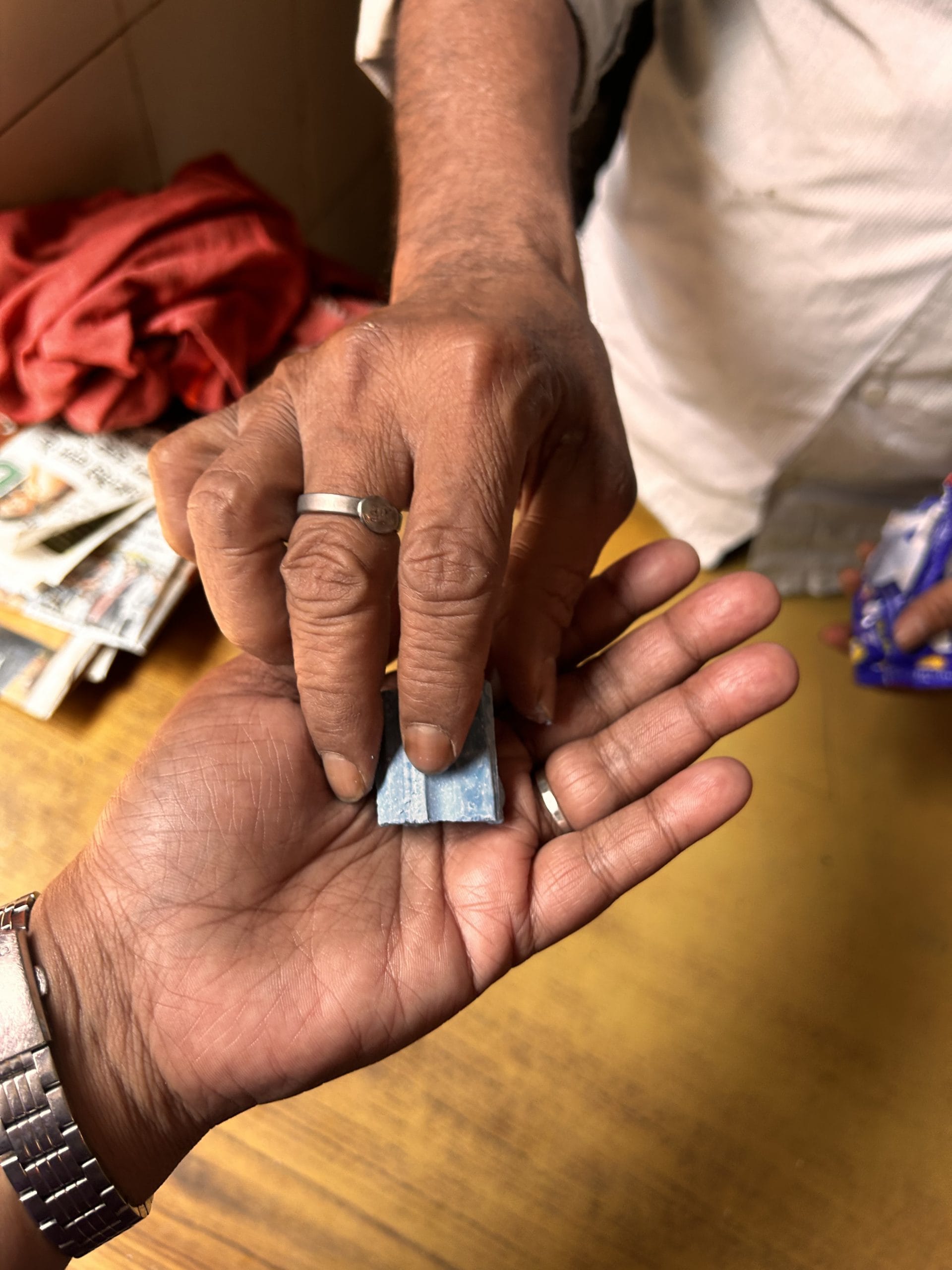
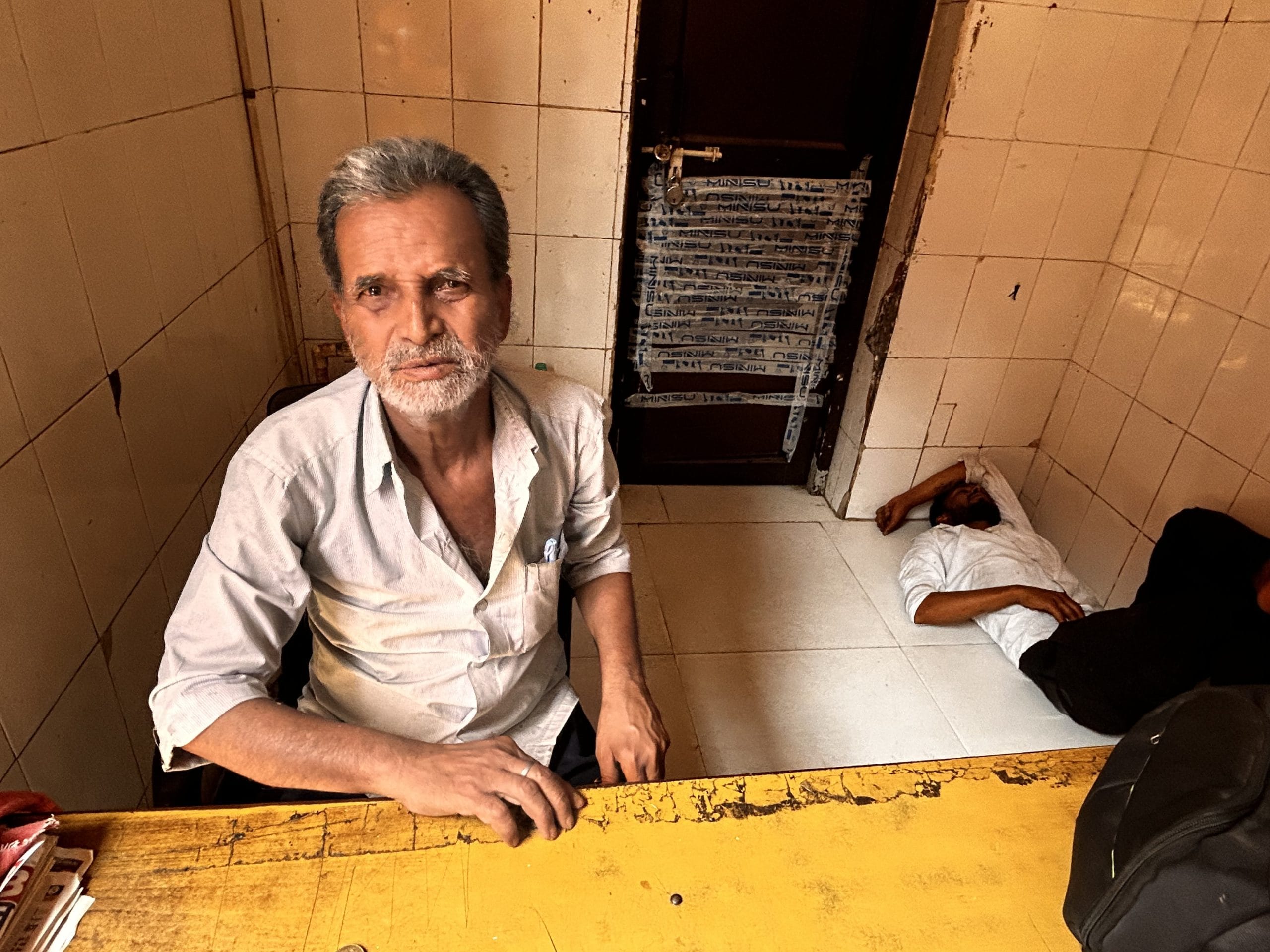
The desk at the toilet entrance had a few coins, a questionable-looking comb and a small clump of detergent. A soap bar. The detergent, presumably, was meant for washing hands if someone needed it.
“I do not know,” the attendant replied—a common response to almost any request for assistance.
Also read: Black water panic in Delhi’s Janakpuri. No one trusts their taps
Male toilets and a lack of civic sense
When a software engineer found out that the Safdarjung Enclave B6 market’s Blue Tokai didn’t have a functioning washroom, he had to use a public one. It was a structure of stench hidden behind the posh shops.
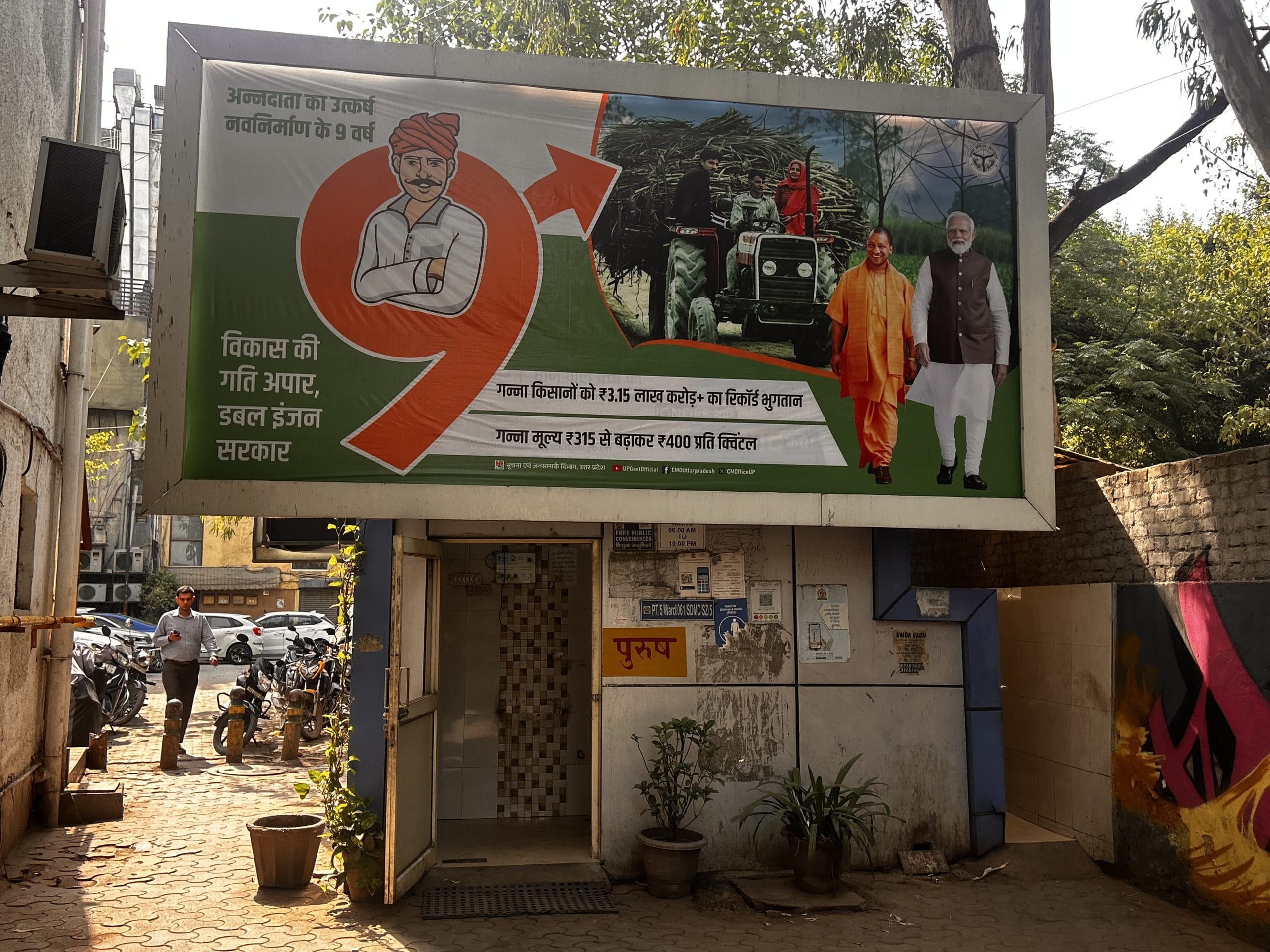
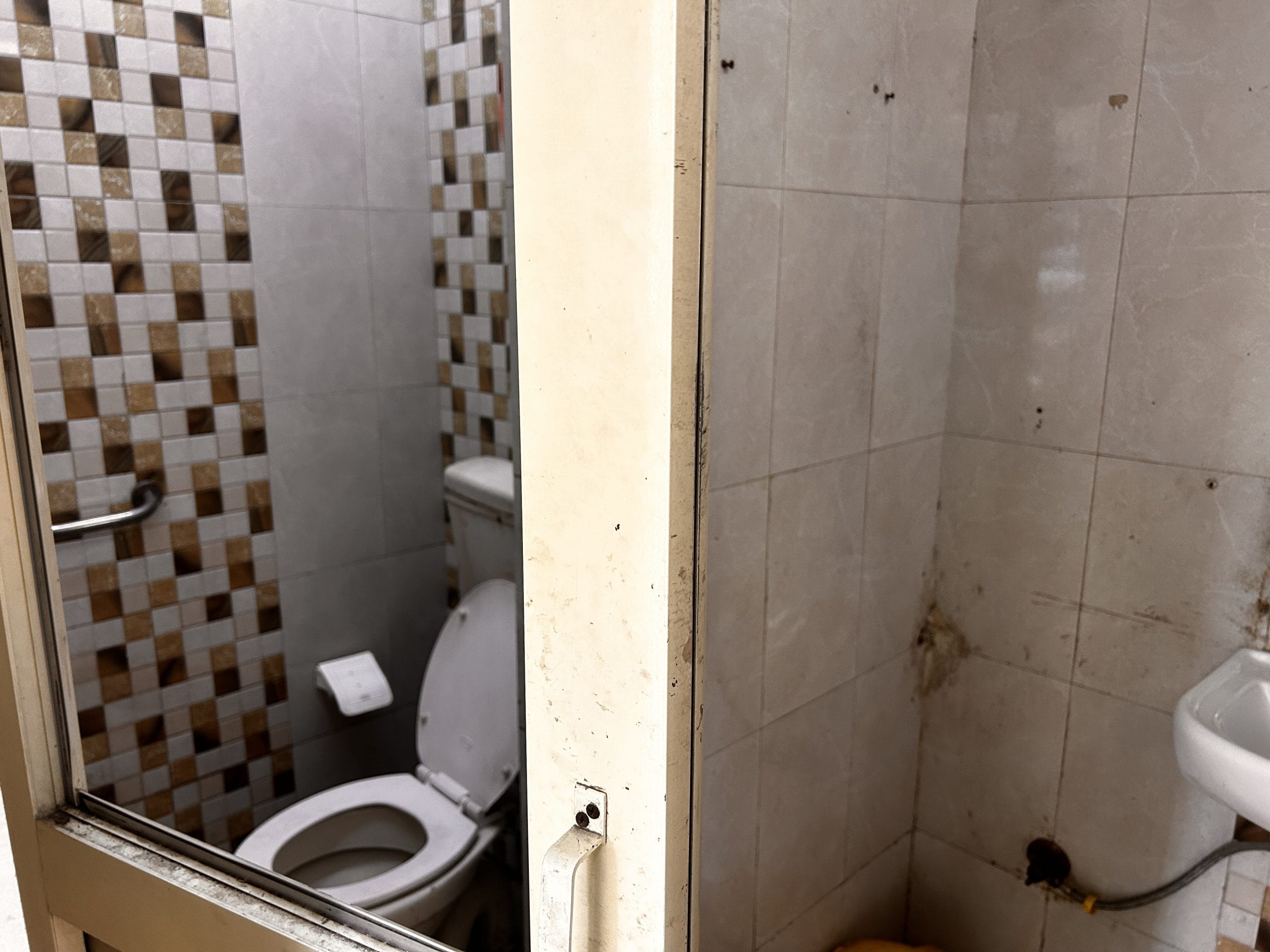
The poorly maintained toilet had just one attendant, who had stepped out for lunch. Broken, uneven tiles lined parts of the floor and walls, while damaged stall partitions had been left unrepaired.
Visible wear and tear was everywhere—chipped surfaces, no running water, and soap was out of the question.
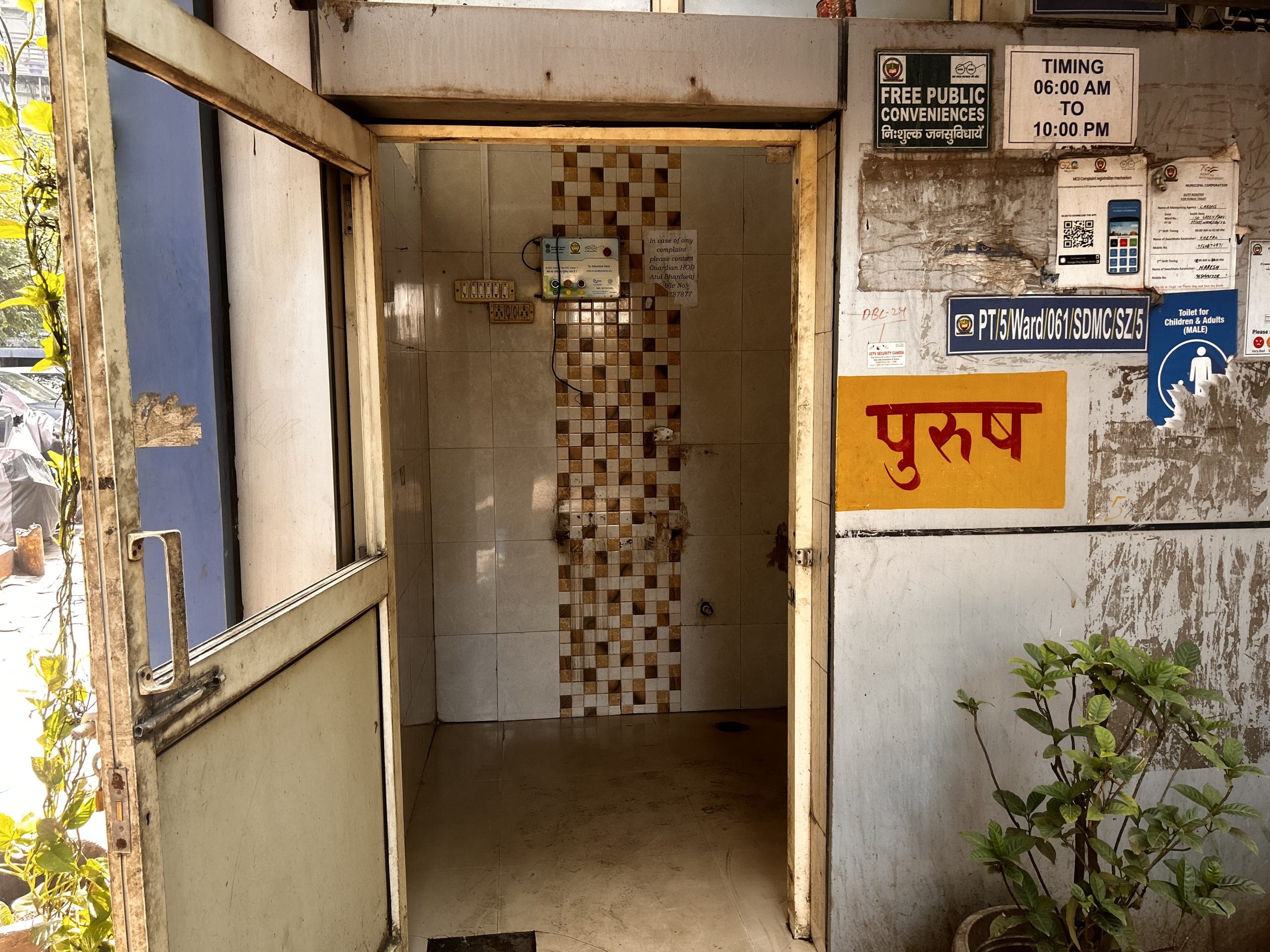
The B6 market is frequented by many young people who work from cafes. In the morning, the area is a hub of corporate employees, and by evening, it turns into a bustling hangout spot. It has all the popular joints of Delhi, such as Piano Man Jazz Club, Third Wave Coffee, Blue Tokai Coffee Roasters and Got Tea. However, the toilets in the vicinity are a different story altogether.
The public washrooms have cleaners on site, but the facilities are in disrepair—doors are broken, some toilets do not even have seats, and on certain days, there is not a drop of water.
These public toilets are a black spot in an otherwise upper-class neighbourhood, where people arrive in BMWs and Mercedes.
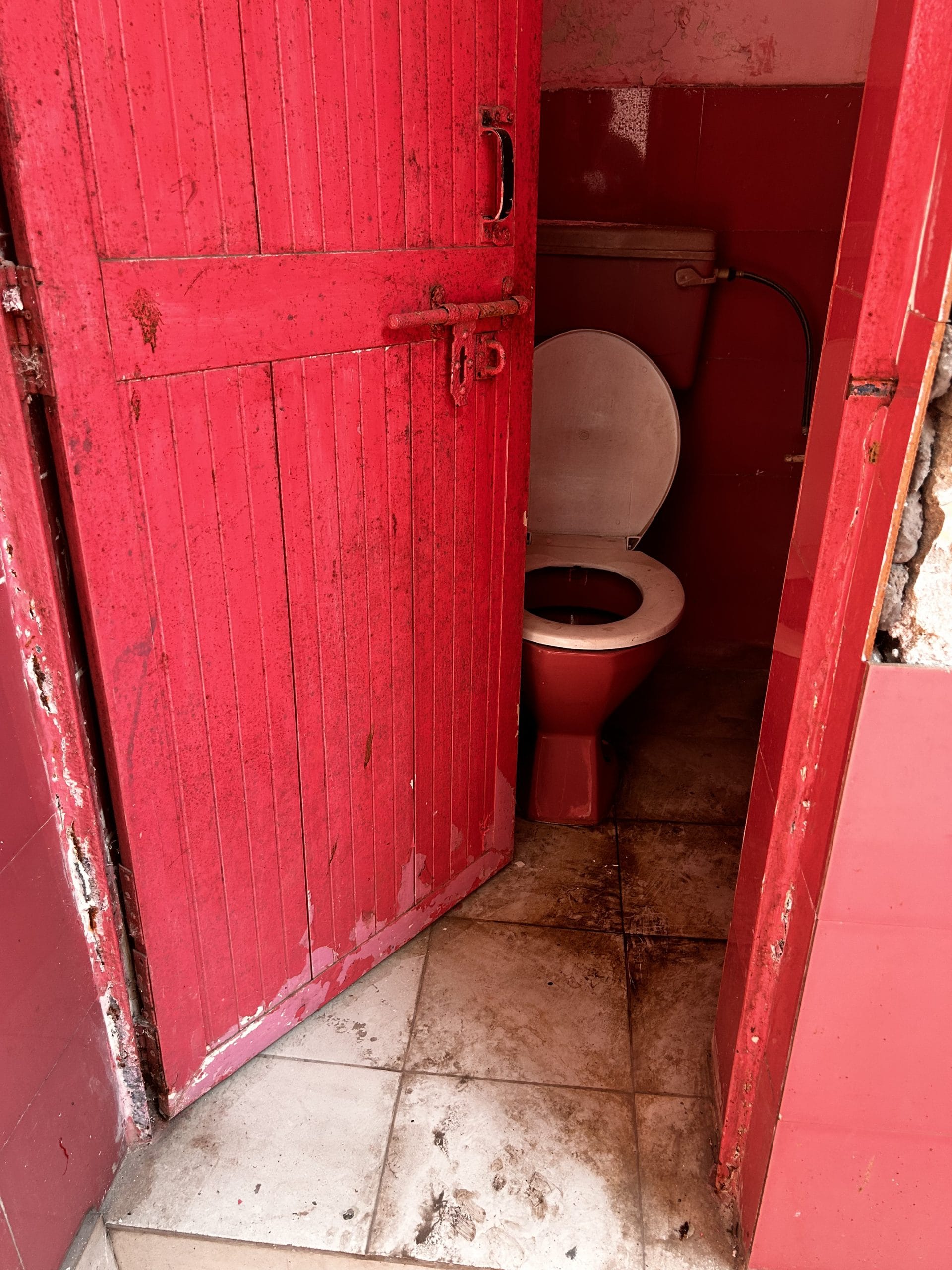
Every month, the show owners of the market crowdsource to repair the damage. However, Rajiv Jindal—owner of a grocery store in the market—alleged, “People who visit the market, at night, treat the washrooms like animals”.
Jindal’s shop has been there for two decades. Over the years, he has watched generations of families return to the market. The toilets used to be far worse, he said, but now the bigger problem is the lack of civic sense among people, making the facilities difficult to maintain and use.
Jindal’s shop stays open late into the night, and he often sees young people getting drunk and creating chaos in the area. The public toilet, he said, usually becomes the target. According to him, rowdy visitors have repeatedly damaged the property.
“Who even breaks a toilet seat?” he said.
The smell of freshly brewed coffee is often overpowered by the stench of urine nearby.
Jindal’s employees use the public washroom as “it is sometimes usable”. “We want to keep the proper facilities for our employees,” he added.
A few kilometers away, Lakshmi is tired of cleaning the Pink Toilet in the Lajpat Nagar market. She starts at 7 am, completes a 12-hour shift and gets paid Rs 10,000 a month.
“No one flushes, I have to keep an eye on them the entire time,” she said. Lakshmi and other cleaners request the visitors not to litter and throw the sanitary waste in proper dustbins, but few listen to them. “It is futile,” she said.
As bad as the conditions at these public facilities already are, many users do little to make them easier for others to use.
Sneha, a Class XII student, and her friends were out for Delhi darshan—and the state of public toilets made them grumpy. “A clean public toilet is a basic right,” said Sneha, angrily.
It is not just the unhygienic conditions. Sneha experienced something worse at one of these toilets. Last year, the 17-year-old finally forced herself to use one in a moment of urgency when a man suddenly entered the facility.
“I have never used a public toilet ever again,” she said.
(Edited by Ratan Priya)