



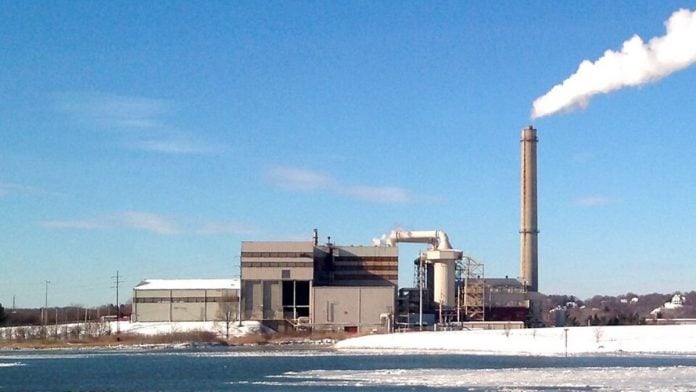
New Delhi: Eleven waste-to-energy plants worldwide produce more than 5 million tonnes of carbon dioxide yearly, according to a new analysis by the Global Alliance for Incinerator Alternatives or GAIA.
Published on 13 October, the report titled The Burn Book: Incinerators that Threaten the Climate, Public Health, and our Finances surveyed 20 incinerators, including Delhi’s Timarpur Okhla WTE plant, to understand their impact on pollution, public health, and waste management.
The report found that burning waste instead of eliminating it contributes to increased toxic waste in the form of air pollutants, also adding to greenhouse gas emissions. Moreover, the 20 plants surveyed, across 16 countries, did not make all of their ash generation and emissions data public, indicating a lack of transparency in the incineration process.
“Not only do they burden communities with toxic air and climate emissions and crippling public debt, but they also need massive volumes of waste to stay in operation, undermining municipal efforts to conserve precious natural resources,” said Marcel Howard, GAIA Special Projects Lead and author of the report.
‘More emissions than any power source’
The available public data showed that these plants produced 1.7 million tonnes of toxic ash per year, which is equivalent to the weight of 230 Eiffel Towers. Many plants, such as the Netherlands’ Attero Moerdijk facility, do not even produce updated data on yearly ash generation, providing no avenue to compare the amount of waste burned versus produced in their plants.
Apart from ash, the waste burning process in these incinerators also produces carbon monoxide, nitrous oxide, dioxins, and furans—all greenhouse gases that lead to air pollution. In India’s Timarpur Okhla plant, the government found dioxins, furans, and particulate matter pollution to be 10 times higher than the permissible limit in 2021, yet the plant continues to operate.
The fundamental problem with waste-to-energy (WTE) plants, the report explained, is that they produce more climate emissions than any other power source. Based on available data from 11 out of the 20 WTE plants in the report, the researchers found that they produce 5 million metric tons of carbon dioxide every year, which is the equivalent of emissions from 1.3 million passenger cars.
Yet, governments around the world continue to invest taxpayer money in these plants. The 20 plants surveyed represented investments of $7 billion. New plants are being built in Italy, Zimbabwe, Thailand, and Brazil—despite the fact that they are one of the most expensive forms of waste management in the world.
According to the funding models analysed in the report, many WTEs are run by municipalities in a ‘put-or-pay’ contract, meaning that if the plants do not incinerate a certain amount of waste yearly, they must pay a fine. This disincentivises the plants from reducing waste generation and leads to a lot of recyclable or reusable waste being incinerated.
“No community deserves to carry the adverse health and environmental burden of incinerating another town or industry’s waste. While there are safer, more effective ways to manage any country’s residual waste, incineration remains indefensible,” said Jane Bremmer, Chair, Toxics Free Australia, one of the contributors to the report, in a press release.
(Edited by Prasanna Bachchhav)
Also read: Scientists rescued 9,885 sheets of weather records. They reveal a warming Congo Basin