





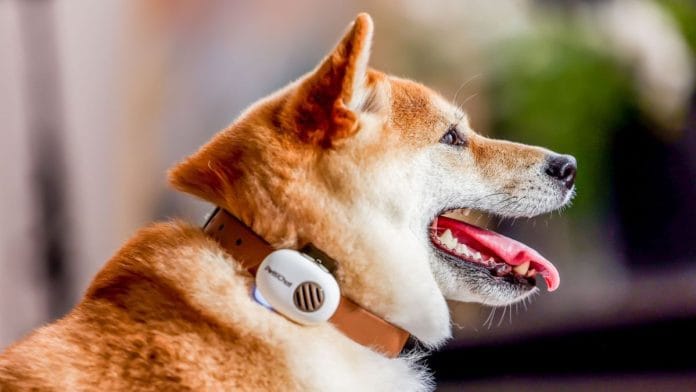


New Delhi: A Chinese AI start up, Meng Xiaoyi, claims it can translate barks and meows for human understanding with 95 per cent accuracy. Chinese media reports that over 10,000 units of the product, a pet collar called Pettichat, have already been reserved.
In promotional videos on Youtube, Meng Xiaoyi filmed cats and dogs wearing Pettichat and communicating with their humans.
“Pippi is not happy at all, leave Pippi alone,” translated the collar after a cat owner gave her furry friend a couple of pats on the back.
Meng Xiaoyi claims that the communication goes both ways, and when humans speak to the cat, the device can translate English into sounds that the pet may understand. However, a third party is yet to verify the accuracy of Pettichat.
According to the company, the collar is based on microphones and motion sensors. It runs on Alibaba Cloud’s Qwen large language model, which, the company says, was trained on millions of animal recordings.
Also read: No kids please, we’re pet parents—why some Indian couples choose cats & dogs over babies
How do they know?
The collar weighs 27 grams and connects to a handheld unit that the owner can then carry around. The clip-on device can also be fitted with a built-in GPS tracking system to track a pet’s location.
The gadget is currently priced at $149. Despite the promotional videos and the number of pre-orders, many people have expressed skepticism about the gadget on X.
“I wonder how they proved the “accuracy”—like they asked the pets after, what did you mean back there?” wrote a user on X.
While some X users think the gap between humans and their pets has just gotten narrower, others say Pettichat might be more relevant when it comes to non-verbal communication.
“We should cautiously assess whether it can truly translate at that level of accuracy, but viewing it as a UX for non-verbal data offers a slightly different perspective,” wrote another X user.
(Edited by Theres Sudeep)