



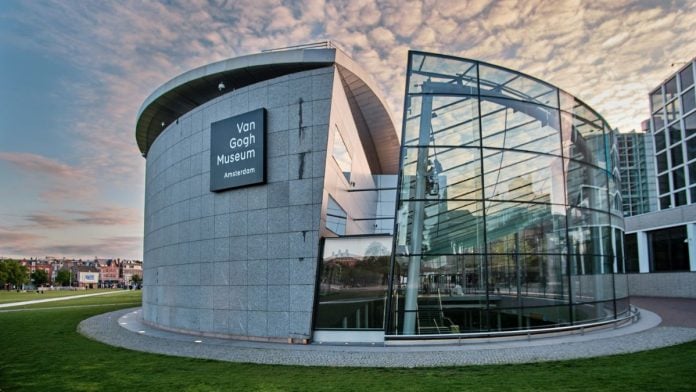
New Delhi: After almost three years of negotiations, the Van Gogh Museum’s long-standing funding feud has officially ended. The renovation project will commence in autumn 2028.
The museum and the Dutch Ministry of Education, Culture and Science have finalised a successful mediation and settlement agreement, paving the way for the €104 million “Masterplan 2028” renovation project.
“We have reached a settlement with the ministry that is in the spirit of the agreement between the Dutch State and the founder of the museum, VW Van Gogh. We are relieved and grateful to be able to move forward with this important project,” said General Director Emilie Gordenker in a press statement.
It took two years of behind-the-scenes negotiation and a year of legal complaint, followed by a public feud, for the museum to reach the settlement. The project will focus on future-proofing the building, which includes maintenance and “improvements to sustainability”.
How and what happened
In August 2025, The New York Times reported on the feud, which now featured on the website of the museum with the headline—Van Gogh Museum’s Future in Doubt.
“If this situation persists, it will be dangerous for the art and dangerous for our visitors,” Gordenker told The New York Times last year, adding that if the building is not revamped, they may have to shut it down.
Almost a year later, the museum has welcomed its ‘Master Plan’. Of the total €104 million, €76 million has been allotted for maintenance, replacement and investment work, €23 million for sustainability and €5 million for improvement.
In the museum’s defence, it said that the buildings are in “poor condition”. Even the technical installations are now getting old and reaching an end date. There is a need for an entire system upgrade.
Also read: Trump to honour Musk, Google’s Brin, Nvidia’s Huang with top US science medal
The crisis
The crisis started when the Dutch government did not provide sufficient subsidy for the museum. The museum used its resources to carry out the renovation. The Van Gogh Museum needs an annual contribution of €11 million for all the work, but the state provided €8.5 million.
The museum had a deficit of more than €2 million on an annual basis. The museum also expects to lose around €50 million in income because of the partial closure during the renovation. It planned to cover the loss through savings from its own income and its reserves.
In 1962, the Dutch government made a legally binding promise to permanently house, fund, and maintain a dedicated museum for the collection. The museum emphasised that the state should fulfil its promises.
Van Gogh Museum, opened in 1973, is considered a “national and international success”. After Gogh’s death, the family of his nephew, Vincent Willem van Gogh, also known as the engineer, and the government came to an agreement to “prevent the collection from being dispersed.”
Every year, millions of visitors from several countries visit the museum to witness Gogh’s paintings, drawings and letters. The museum generated 85 per cent of its income.
(Edited by Saptak Datta)