



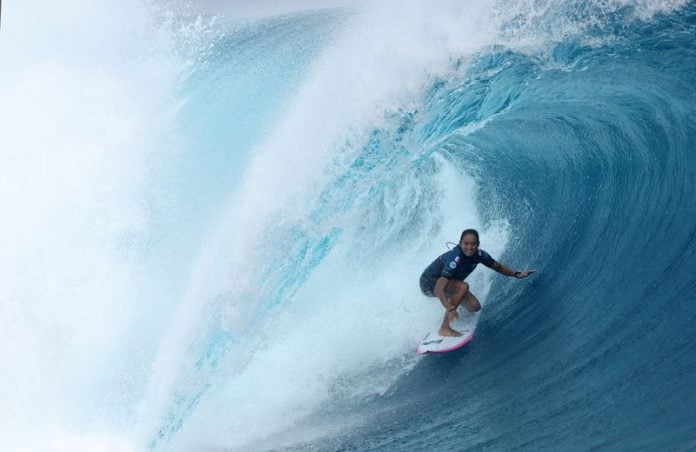
New Delhi: Many of the most prominent surf breaks across the world are vulnerable to climate change, even as the degree and type of vulnerability differ widely, a recent study found.
The study, titled ‘Globally significant surf breaks are vulnerable to climate change’, was co-authored by Dan R Reineman of California State University Channel Islands, along with researchers from Save The Waves Coalition and World Surfing Reserves.
The research analysed 57 surf breaks across eight countries to arrive at its findings. Each of the sites selected is incorporated into a World Surfing Reserve (WSR)—“a status applied for by local stakeholders and designated by an international non-profit organization based on each site’s cultural, historical, and environmental significance for surfing,” the study explains.
These surf breaks, the research found, are vulnerable to climate change, due to changing tide levels, hardened shorelines caused by manmade structures, and shifting sands. Surf breaks rated at most risk include Croyde beach in north Devon, UK, and Oriente Salvaje in El Salvador.
What are surf breaks?
Dan Reineman, a co-author of the study, pointed to the several factors that come together to form a surf break. “Surf breaks are incredibly unique oceanographic phenomena – a confluence of all these factors that fit together just right to make the wave happen – and so those processes are really sensitive,” he said.
Some of these factors include swell direction, tide, and intricate combinations of sea-floor shape. Climate change, global warming, and changing rainfall patterns can affect any of these factors, hampering the delicate balance of surf breaks and thus destroying the wave.
Significantly, the study found that coastlines that were more natural and less populated by manmade structures could adapt better to the changes caused by climate change. These coastlines were able to adapt by shifting inland and relocating sediments. Construction of features such as sea walls, jetties and groynes made the beaches and waves less resilient, Reineman said.
Also read: Mamdani has a new target. Subscriptions that make cancellations difficult
Affects local economy at large
Climate change-related vulnerability matters not only to surfers, but also to the local people who depend on the multi-billion-dollar surf economy that exists in these sites.
Adam Hall, a co-founder of the North Devon WSR, was one of the local surfers who contributed to the study. Explaining the significance of surfing to the local economy, he said, “Surfers will come throughout the year. They fill up the pubs, restaurants and car parks when the swells are good in January, February and March, where if you go to any other tourist destination that doesn’t have surf, they’re dead on their knees.”
Many of these sites often have little else in terms of local economy.
Local surfers also played a key role in guiding the research. Trent Hodges, a co-author of the study and a senior programmes manager at Save the Waves Coalition, said, “We learned directly from the local surfers how they are seeing their waves change. It’s a canary in the coalmine too – when a wave changes, that often means the beach is changing, and everybody enjoys the beach.”
The study also hypothesises that similar risks could affect other surf breaks, not included in the present research, and encourages other local people and organisations to assess their vulnerability.
(Edited by Ratan Priya)