



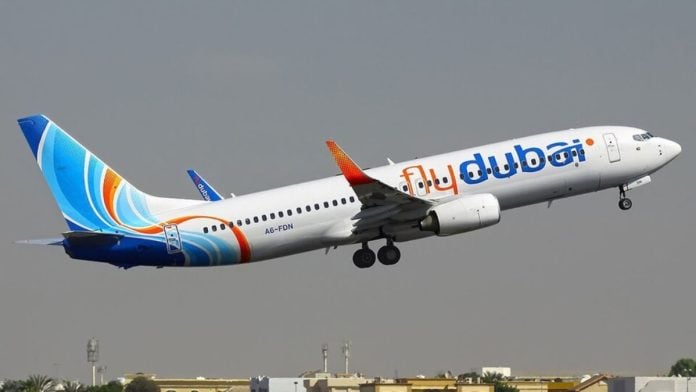
New Delhi: A flydubai flight from Dubai to Tel Aviv carrying 171 passengers made an emergency landing in Saudi Arabia after one pilot stabbed the other and, according to Israeli officials, attempted to crash the plane. After the injured captain Smit Machchhar opened the cockpit door and passengers managed to overpower the co-pilot, reserve crew members from among the passengers took over, safely landing the plane.
The two Flydubai pilots landed the Boeing 737 Max 8 at 9:45 am (local time) at Tabuk Regional Airport. A passenger told the media that one of the crew members was British while the other was European.
According to David Soucie, a CNN aviation safety analyst, it is not too common for reserve pilots to be on flights “unless they are being repositioned”. Such crew members are called deadheading pilots, who are considered to be on duty and receive full pay for the flight time. This time also counts toward legal flight and duty hour limits.
Deadheading pilots are required to wear their airline uniform during these flights, since they still represent the airline.
A deadheading pilot is legally treated as a passenger and strictly forbidden from entering the cockpit or interfering with flight operations. However, the International Civil Aviation Organization grants overarching authority to any flight crew member to act to preserve life in an extreme emergency.
What are DGCA rules?
India’s Director General of Civil Aviation (DGCA) refers to deadheading as positioning. Its 2019 rules stipulate that all the time Indian pilots spend on positioning “on the behest of the operator” is counted as duty hours.
They also require that positioning time be counted as part of a flight duty period when it immediately precedes—without an intervening rest—a flight duty period in which the pilot participates as a flight crew member.
“Positioning after operating a flight duty period without an intervening rest period shall be counted as duty period for determining the rest period,” the rules state.
Also read: From Germanwings to flydubai: How cockpit mental health crises persist