



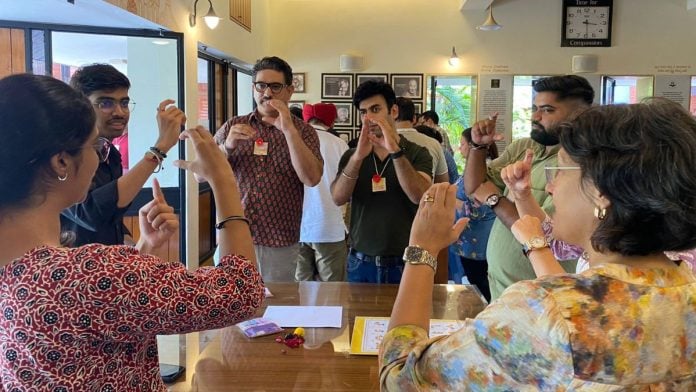
New Delhi: It was Vineet Saraiwala’s mission to help people with hearing disability learn to write in English. Four months ago, his company came up with a “self-paced” course to help millions.
“Written English is a powerful tool because it allows deaf people to communicate without a mediator or an interpreter,” Saraiwala, the CEO and founder of Atypical Advantage, told ThePrint.
The platform helps people with hearing impairments improve their English reading, writing, grammar, vocabulary, and communication skills. Through Indian Sign Language explanations, activities, and assessments, Atypical Advantage empowers them to develop their English proficiency and communicate more independently.
Started in 2020, Atypical Advantage, which describes itself as “India’s largest livelihood platform for persons with disabilities”, has given a platform to persons with disabilities to learn, showcase their talent, and eventually be hired by multinational companies.
It has brought together people with disabilities and corporates on a single website, bridging the “supply & demand side inefficiencies”. People with disabilities can register on the platform and receive training in UI/UX designing, business etiquette, written English, and other digital skills, through Atypical Upskill. Four months ago, the platform also started offering special online English classes for people with hearing impairment.
Those looking to get employed can also apply for jobs in companies across different sectors directly through the website.
Companies, on the other hand, can hire full-time employees, book awareness workshops or buy or commission artworks by artists with disabilities.
Ideation
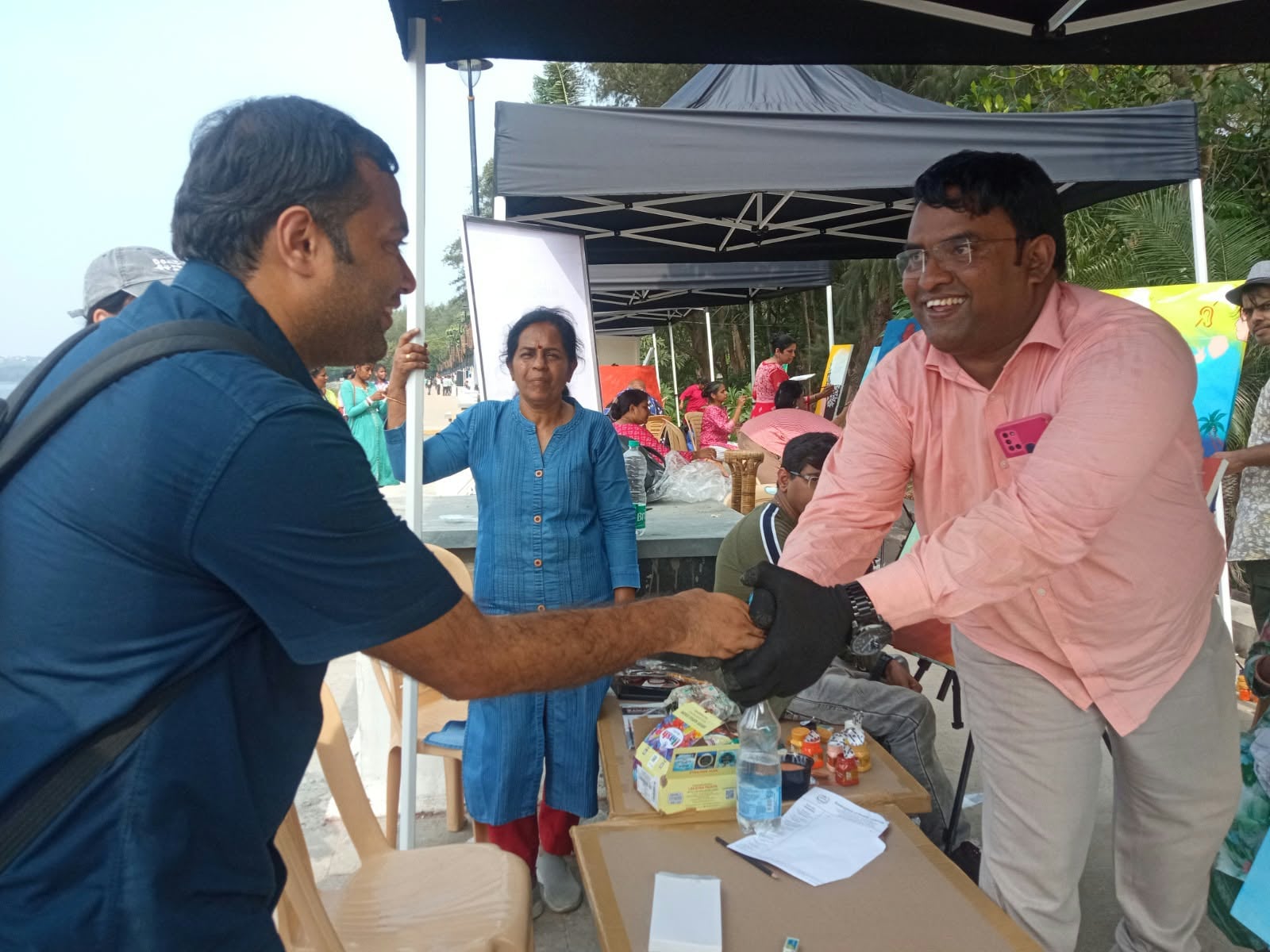
It all started when Saraiwala went looking for a voice-over artist and a model with a disability for a leading corporate. He struggled to find anyone, and thought of a platform that could fill this gap.
An IIM Bangalore graduate, Saraiwala, from Jamshedpur, was diagnosed with retinitis pigmentosa in 2006 when he was 16. It is a degenerative eye condition that causes deterioration of eyesight with age.
Before coming up with Atypical Advantage, Saraiwala worked at Big Bazaar in operations and strategy, where he hired thousands of people with disabilities as part of a programme.
It became a learning experience for him, and shaped his decision to start Atypical Advantage.
Atypical Advantage has around 500 performers, singers, comedians, entertainers and artists who can show their talent to the world and earn money through the platform. And about 50,000 job seekers are currently registered on it.
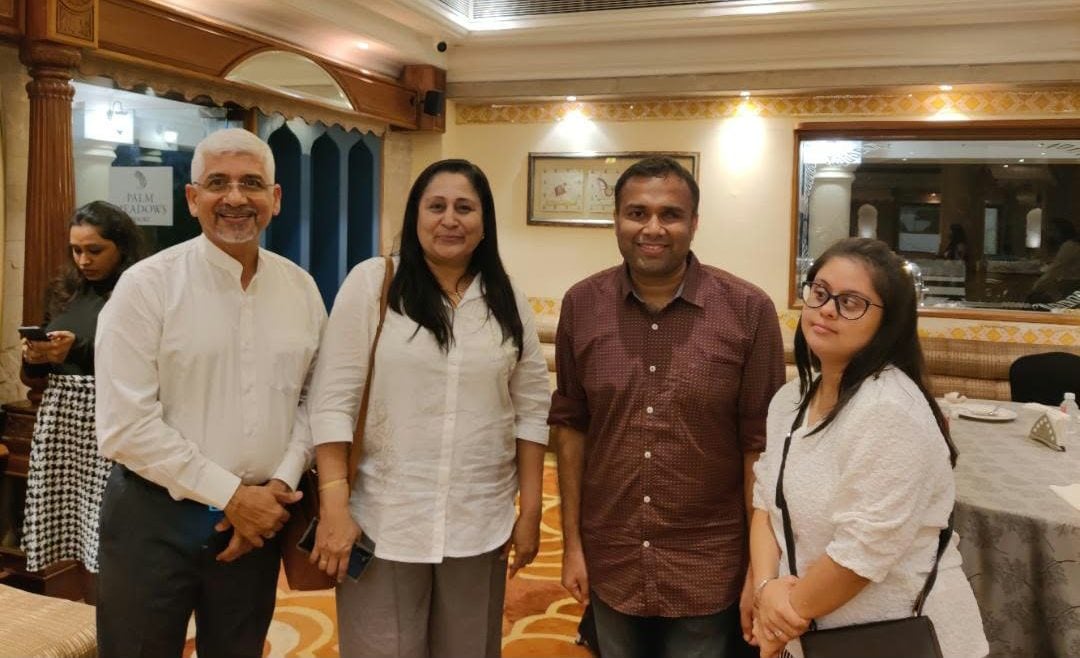
Saraiwala said Atypical Advantage has impacted more than 5,000 people with disabilities since its inception in 2020, including over 1,500 who have secured full-time jobs.
Micron, Nivea, Tata Motors, Nestle, Godrej Consumer Products — around 23 companies have hired employees through Atypical Advantage.
After doing his bit for the disabled community, Saraiwala moved on to his next mission, particularly in “language.”
Saraiwala said people with hearing impairment learn through visuals. He maximised the visual learning aspect through technology.
The aim was to build on their strengths, which could only happen by teaching them how to write and communicate better.
“Most of the deaf people in our country struggle to write basic written English, which is a barrier, especially in corporate sector,” said Saraiwala
Atypical Advantage solved problems for people with hearing impairment.
“They can access anything they want to access. Like if they want to become a scientist, astronomer, or a B.Tech graduate, they can become one,” he said.
Saraiwala said that there is little to no sign language literacy in India.
Hence, he said, “I believe written English is a powerful tool so that they can speak without any mediator or an interpreter. English has unified our country as a linked language. But no one has thought about the deaf community.”
Also read: ‘Don’t become IAS officers’—the advice Tukaram Mundhe would give his children
‘Just a button away’
Saraiwala argued that what makes Atypical Advantage different from other platforms is that it is easily accessible.
“This course is just one button away,” he said
Unlike periodic classes or NGO-led initiatives, Atypical Advantage’s course is readily accessible. It uses Indian Sign Language and visual lessons.
The 180-hour long English course costs Rs 499 and is divided into four parts — Basic English, vocabulary and grammar, real-life communication, and Advanced English. According to Saraiwala, most people from Maharashtra, Karnataka, and the Delhi-NCR region are joining the course.
He now wants to extend the programme to schools in the coming years.
“We are actually working on solutions like speech to text and again use AI to solve the communication barrier for deaf and hard of hearing individuals. So we want to improve English literacy outcomes across the country,” he said.
Atypical Advantage has now adopted five to seven deaf schools across the country, including in Bengaluru.
“In addition to sign language, people with hearing impairment can be fluent in written English, the only way to move upwards on the career ladder,” he said.
(Edited by Aamaan Alam Khan)