





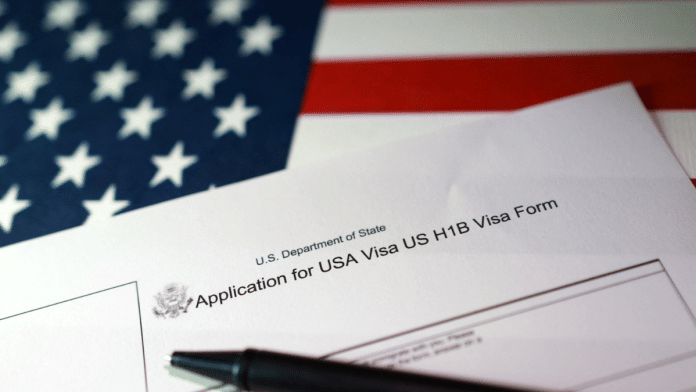


New Delhi: Indian students once followed the textbook order to study in the US: secure admission, arrange finances, apply for a visa, and finally book a flight. This year, however, the entire process has been squeezed into a short, high-pressure period, making May and June the most crucial months for students planning to study abroad.
This intense compression of the timeline is the direct result of a prolonged operational freeze, new national security rules, and updated geographic restrictions.
Visa appointments disappear within minutes. Universities push students to confirm seats quickly. Education loans are being processed under tighter timelines. Flight prices rise weekly. And for thousands of students and parents, one delay now threatens to derail the entire plan.
“Visa one-on-one appointments, university application deadlines, financial approvals, and even travel arrangements are all connected. A delay in one step can quickly affect everything else,” said Sonal Kapoor, Global Chief Business Officer at Prodigy Finance, a UK-based fintech platform that provides international student loans to postgraduate students.
What was once a relatively linear process has become an overlapping chain of admissions, embassy appointments, funding approvals and travel planning, all unfolding simultaneously.
“I honestly think this is becoming a longer-term shift rather than just a temporary rush,” Kapoor said. “What has really changed is that everything now happens together. Earlier, students would first secure admission, then think about visas, then funding, then travel. Now, all of it overlaps within a very short period. One delay can affect the entire plan.”
The pressure is particularly visible among students heading to top American universities for STEM (Science, Technology, Engineering, Mathematics) programmes. Institutions such as the Massachusetts Institute of Technology, Carnegie Mellon University, Stanford University, Georgia Institute of Technology, Purdue University, University of California, Berkeley, University of Illinois, Urbana-Champaign and Northeastern University continue to attract exceptionally high demand from Indian applicants pursuing engineering, artificial intelligence, computer science and data science.
At the same time, a second wave of applicants is adding to the congestion: students who deferred their plans last year because of uncertainty around visas, immigration rules and post-study work opportunities are now re-entering the system alongside fresh applicants for the Fall 2026 intake.
Kapoor said this year has seen an unusual overlap, with many students still awaiting final admission decisions even as another large group has already moved into the visa and funding stage.
‘No need to wait until May’
For education consultants, this year showed that students who applied early faced far fewer problems and had a much smoother experience.
“The US government now allows students to apply for visas up to 365 days in advance, unlike earlier, when applications could only begin after May 15,” said Pratibha Jain, founder and CEO of Eduabroad Consulting, an overseas education consultancy headquartered in Mumbai. “Students who completed their university applications early and secured admissions by January or February were able to get visa appointments comfortably and are already holding their visas.”
Students should ideally complete their university applications by November or December, secure offers by January, and apply for visas by February, she said, adding, “There is no longer a need to wait until May.”
She also noted that students can still apply for visas until the end of July and travel by mid-August.
Yet many students still wait. Final semester results, delayed admission offers and uncertainty around funding often push applicants deeper into the summer, precisely when competition for appointments becomes most intense.
According to Jain, the crunch is especially severe in Mumbai, where appointment availability is limited, though slots are still accessible in cities such as Delhi, Chennai, and Kolkata.
The pressure around visa appointments has also created a parallel ecosystem of tracking services, agents and intermediaries. Students frequently monitor appointment portals for hours, while some rely on third-party agencies promising faster access to slots.
“There is also growing concern among students that appointment slots are being monitored very aggressively, including by third-party agencies and automated tracking services, making the process feel even more competitive during peak release periods,” Kapoor said.
Amid ongoing geopolitical uncertainty and US President Donald Trump’s return to the political spotlight, Indian students are rethinking their plans to study in the US. Jain pointed to a noticeable decline in interest.
“There has been at least a 30 per cent to 40 per cent drop,” Jain said, referring primarily to postgraduate interest. “However, some students — especially undergraduates — have been planning for this for years, so they still intend to graduate after four years, hoping the geopolitical situation may improve by then.”
Last year was marked by fears around visas and jobs, but this year, the main challenge is intense competition, with a huge number of students chasing limited visa appointments, especially for STEM courses in the US.
Also read: Chandi Chowk to Safdarjung Enclave—Delhi’s public toilets are a nightmare
‘Complete formalities as early as possible’
For many families, studying abroad represents years of planning and savings. Parents must make difficult decisions around education loans, university deposits and flight bookings while navigating uncertain embassy timelines.
The US Department of State advises students against booking non-refundable travel before receiving visa approval. But waiting too long can leave families facing soaring airfares and limited options close to departure dates.
“We are seeing students plan much earlier because they understand how fast the process moves now,” Kapoor said. “Early preparation gives them time to compare funding options, organise documents properly, and avoid unnecessary stress during visa season.”
Loan providers are also feeling the strain of compressed timelines, with more students approaching lenders late in the cycle, often near the end of June, while juggling university payment deadlines and visa preparations. Kapoor noted that many are still awaiting visa decisions even as they try to complete funding requirements, leading to a surge in last-minute loan requests and added pressure across the system during peak season.
That has forced students to handle multiple critical processes at once. Funding applications, visa interview preparation, document verification and travel planning are now expected to happen in parallel.
“For students who already have university admits but are still waiting for visas, the most important thing is to avoid delaying parallel processes,” Kapoor said. “Students should complete their funding formalities as early as possible, organise all required documentation in advance, and continue preparing for visa interviews rather than waiting for one stage to finish before starting another.”
Kapoor added that flexible travel planning has become increasingly important in the current environment. Booking refundable or flexible flight tickets can help reduce last-minute costs and stress, while staying in close communication with universities and funding providers is crucial, as there may still be some flexibility in reporting dates or disbursement timelines depending on visa delays.
“I think universities, embassies and lenders all need to recognise that students are under a lot more pressure than before,” Kapoor said. “The system just needs to become a little more student-friendly because international education today is far more fast-paced and emotionally intense than it was even a few years ago.”
(Edited by Saptak Datta)